
Pruning
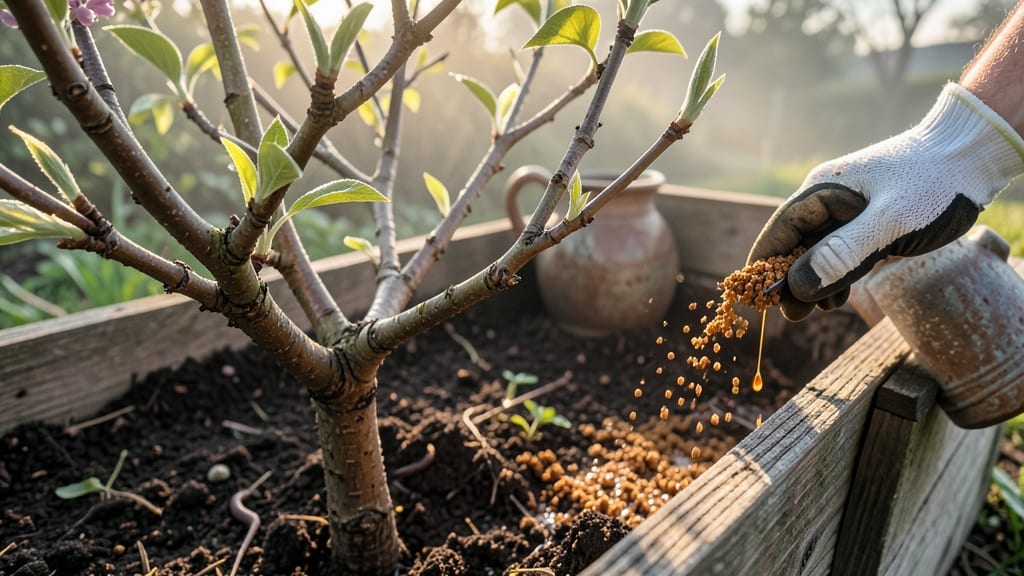
Struggling to keep your lilac bushes lush and blooming? These 10 pruning techniques for lilac tree sprouts will transform weak growth into vigorous, flowering shrubs—no matter your gardening experience level.
Rejuvenation Pruning for Overgrown Lilacs
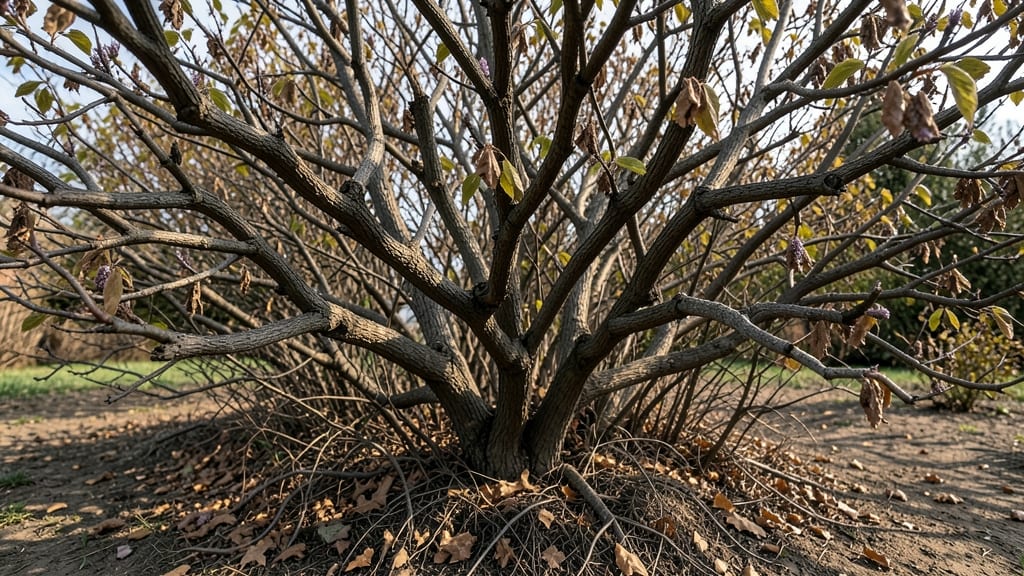
If your lilac bushes look like tangled, woody messes instead of fragrant blooming shrubs, rejuvenation pruning is your secret weapon. This dramatic technique transforms neglected growth into a fuller, healthier plant by cutting back up to two-thirds of the old wood—right down to the base where new sprouts emerge.
Start by removing all but a few of the oldest, thickest stems, leaving younger branches that show signs of life. The key is to make clean cuts just above outward-facing buds, which will spur new growth. Within two years, you’ll see dense foliage and abundant blooms, as the plant redirects energy to fresh, vigorous sprouts. This method works best in late winter or early spring, before new growth begins.
Perfect for gardeners with overgrown lilacs that have lost their shape or stopped flowering, rejuvenation pruning is a game-changer for neglected bushes. Just be patient—your lilacs will reward you with lush new growth and stunning blooms. 🌱
Selective Bloom Pruning After Flowering
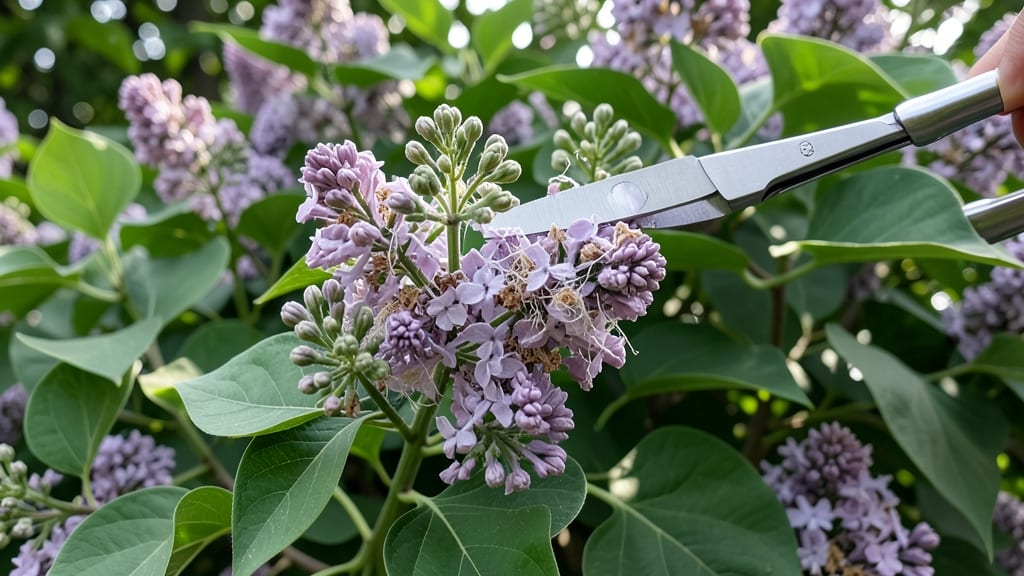
After your lilac tree finishes flowering, don’t let those spent blooms sap energy from next year’s growth. Selective bloom pruning keeps your shrub looking tidy while preserving the buds that will burst into color next spring—no drastic cuts required.
Simply snip off only the faded flower clusters (but leave the green foliage behind) using sharp pruners. This redirects the plant’s energy toward developing dense new sprouts and stronger stems. For best results, do this within 2-3 weeks after blooming to avoid cutting off next year’s flower buds hidden in the leaf axils.
This method is perfect for gardeners who want to maintain their lilacs’ natural shape without sacrificing future blooms. It’s also ideal for small spaces where you can’t afford to sacrifice branches. 💚
Crown Thinning for Airflow Improvement
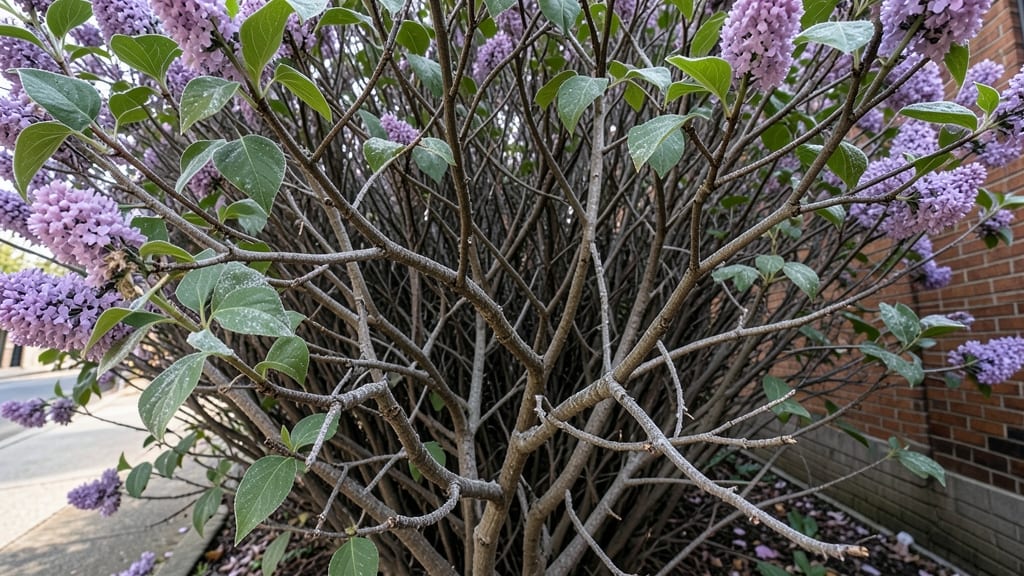
Urban lilacs often suffer from poor airflow, leading to fungal diseases like powdery mildew that stifle new sprouts. Crown thinning solves this by strategically removing congested inner branches, allowing sunlight and air to circulate through the bush’s core.
Focus on branches that cross or rub against each other—these are prime spots for disease. Use sharp pruners to make clean cuts just outside the branch collar, and limit removals to no more than 20-25% of the crown per year. This technique is especially valuable for city gardens where tight spaces restrict natural airflow.
Urban gardeners will see healthier foliage and stronger sprouts within a season, as improved ventilation reduces stress on the plant. 🌿
Winter Dormant Season Pruning
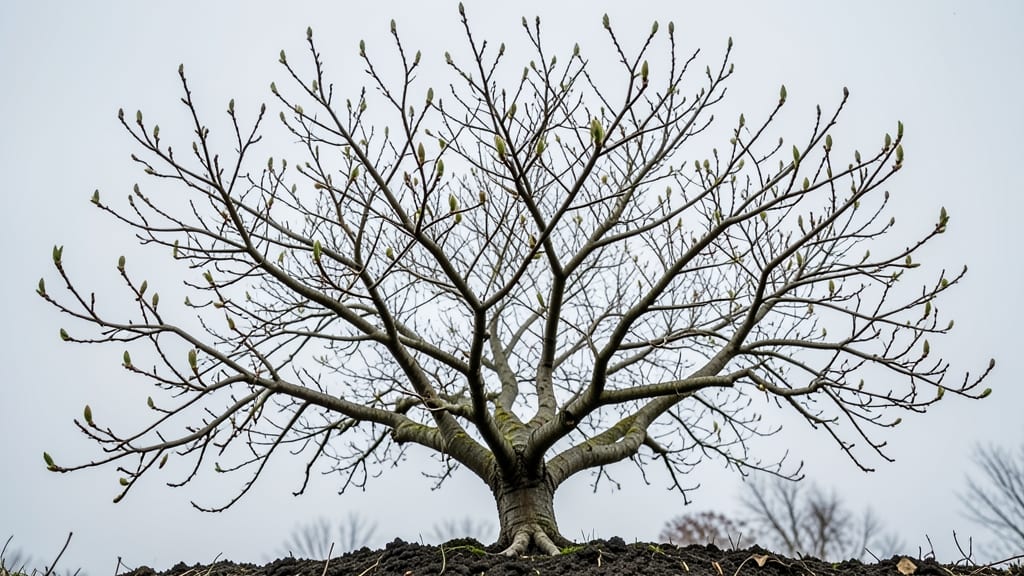
When your lilac bushes look like tangled skeletons in winter, those bare branches hold the key to next year’s healthier sprouts. The dormant season (late winter to early spring) is prime time for shaping lilacs—when you can see the natural framework of their growth patterns without leaves getting in the way.
Focus on removing dead, crossing, or weak branches first, then cut back older stems by about one-third to encourage new growth from the base. Lilacs bloom on old wood, so avoid heavy pruning of current-season growth. Use clean, sharp shears to make angled cuts just above outward-facing buds for optimal sprout direction and airflow.
This method is ideal for gardeners who want to revitalize mature lilacs without sacrificing next year’s flowers. The winter reveal makes it easier to sculpt your bushes into their best shape for spring blooms. ✨
Layering Young Sprouts for Propagation

Want to multiply your lilac collection without spending a dime? Layering young sprouts is the secret technique gardeners use to create identical clones from existing plants—no nursery required.
Select a healthy, flexible branch on your lilac bush, typically 1-2 feet long, and gently bend it downward until it touches the soil. Secure it with a U-shaped wire or rock, then mound soil over the branch, leaving the tip exposed. Within 4-6 weeks, roots will form where the branch contacts the earth. Once rooted, sever the connection to the parent plant and transplant the new sprout.
This method works best in spring or early summer when lilacs are actively growing. Beginners will love how layering produces genetically identical plants that retain the parent’s fragrance and bloom time—ideal for filling gaps in your garden or sharing with fellow lilac enthusiasts. 🌿
Deadheading for Extended Blooming
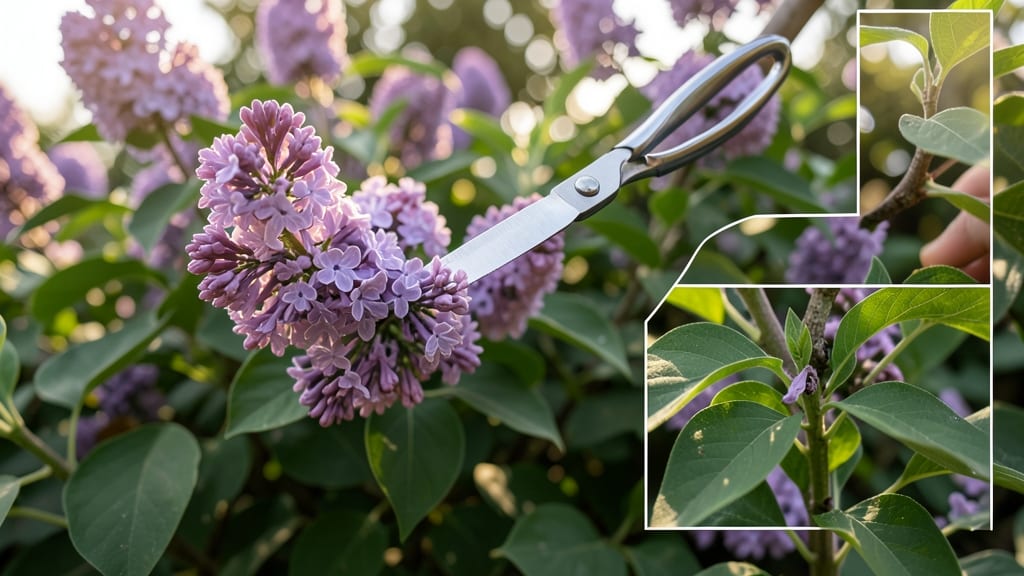
Want your lilac blooms to last longer without extra effort? Deadheading spent flowers is the secret weapon—it’s a 5-minute task that can extend your lilac’s flowering season by 3-4 weeks while encouraging stronger new sprouts.
Simply pinch or snip off faded blossoms just above the first set of leaves, redirecting the plant’s energy from seed production to new flower buds. Use clean pruners or your fingers for small blooms, and avoid cutting into green stems. This method works best on younger lilac bushes or those with vigorous growth habits.
Perfect for busy gardeners, deadheading keeps lilacs looking fresh and promotes healthier foliage. Try it this season and enjoy a longer display of fragrant blooms! 🌻
Renewal Pruning for Old Wood
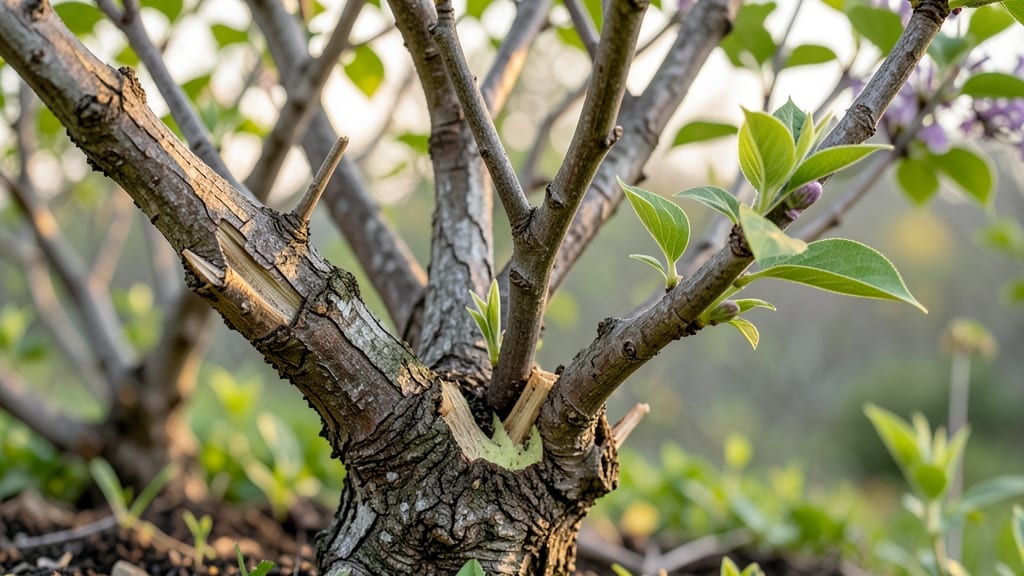
If your lilac shrubs have lost their bloom and seem stuck in a cycle of old, woody growth, renewal pruning for old wood is your secret weapon. This technique targets stems that are three years or older, cutting them back to encourage fresh, vigorous sprouts that will bring back those fragrant spring blooms.
Start by identifying the oldest, thickest stems—these are often the ones that have stopped producing flowers. Cut them back to a bud or side branch that’s at least 6 inches below the previous cut. This forces the plant to redirect energy into new growth rather than maintaining the old wood. For best results, time this pruning in late winter or early spring, just before new growth begins.
This method is perfect for mature lilacs that have outgrown their space or simply stopped flowering. It’s also ideal for gardeners who want to restore their shrubs without resorting to drastic rejuvenation cuts. With patience, your lilac will reward you with a burst of fresh, blooming sprouts. ✨
Shape Pruning for Formal Hedges
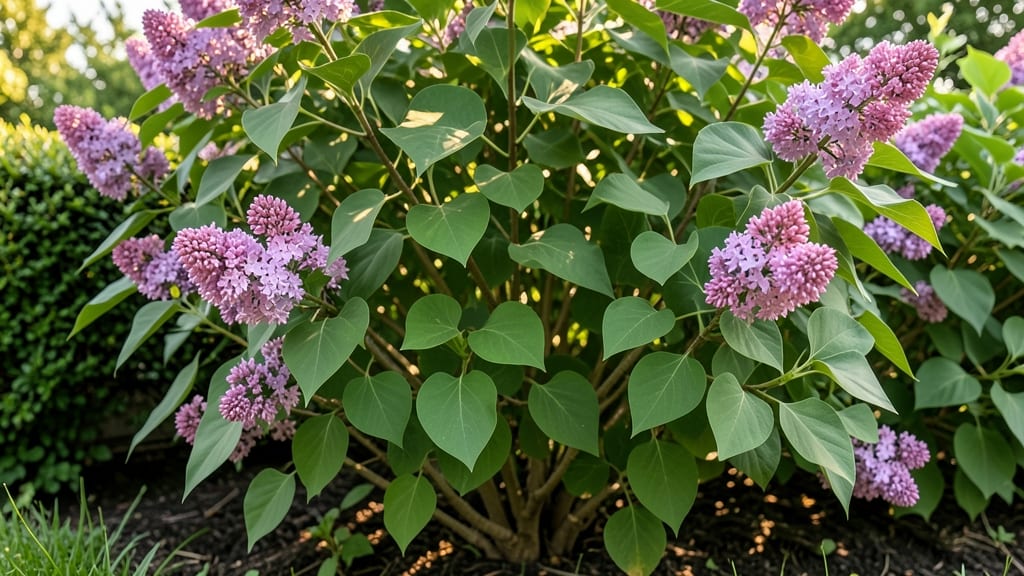
Transform your lilac bushes into a polished, geometric masterpiece with shape pruning—a technique that turns wild growth into structured, urban-friendly hedges. This method isn’t just about looks; it forces the plant to produce denser, uniform sprouts by encouraging new growth from the base.
Use sharp pruners to trim outer branches in clean lines, shaping them into squares, rectangles, or rounded forms. Focus on maintaining a consistent height and width, and cut just above a leaf node to stimulate fresh growth. For best results, prune after the lilac finishes blooming in late spring or early summer, when the plant is actively growing. Urban gardeners will love how this technique maximizes small-space impact while keeping lilacs healthy and thriving.
Shape pruning is ideal for formal gardens or tight city yards where space is limited but style is essential. With regular trims, your lilacs will reward you with neat, lush hedges that frame pathways or define borders beautifully. ✨
Root Pruning for Potted Lilacs
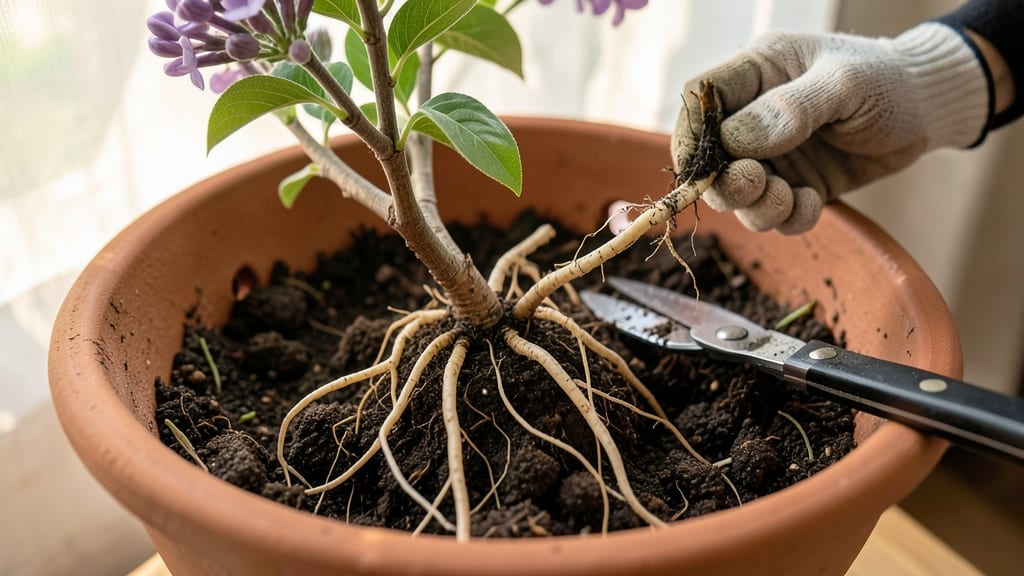
Container-grown lilacs often suffer from root-bound stress, where roots circle tightly in the pot, stunting new sprouts and limiting nutrient uptake. This simple technique unlocks their full potential by encouraging outward root growth—without disturbing the plant's delicate balance.
Start by gently removing the lilac from its pot and loosening the root ball with your fingers. Use sterilized shears to trim 10-15% of the most congested roots, focusing on circular or overly dense growth. Replant in fresh, well-draining soil with a slow-release fertilizer to support recovery. Repeat every 2-3 years or when roots exceed the pot's diameter by 50%.
Urban gardeners and balcony growers will love this method—it revitalizes potted lilacs that would otherwise decline, ensuring year-round vigor and abundant blooms. 💚
Post-Pruning Fertilization Techniques

After pruning your lilac, you’ve removed stress—but now those fresh cuts need nourishment to fuel new sprout growth. The key is feeding strategically with organic options that won’t burn tender recovery tissue, like compost tea or slow-release granules rich in phosphorus.
Apply a balanced 10-10-10 fertilizer (or organic equivalent) within 2-3 weeks post-pruning, focusing on the root zone. For container lilacs, use a diluted liquid feed every 4-6 weeks during the growing season. Avoid heavy nitrogen—it promotes leafy growth at the expense of blooms. Mulch lightly with compost afterward to retain moisture and nutrients.
This approach is perfect for gardeners who’ve recently pruned heavily (like after rejuvenation cuts) and want to ensure their lilacs rebound with stronger, healthier sprouts next season. 💚