
Pruning
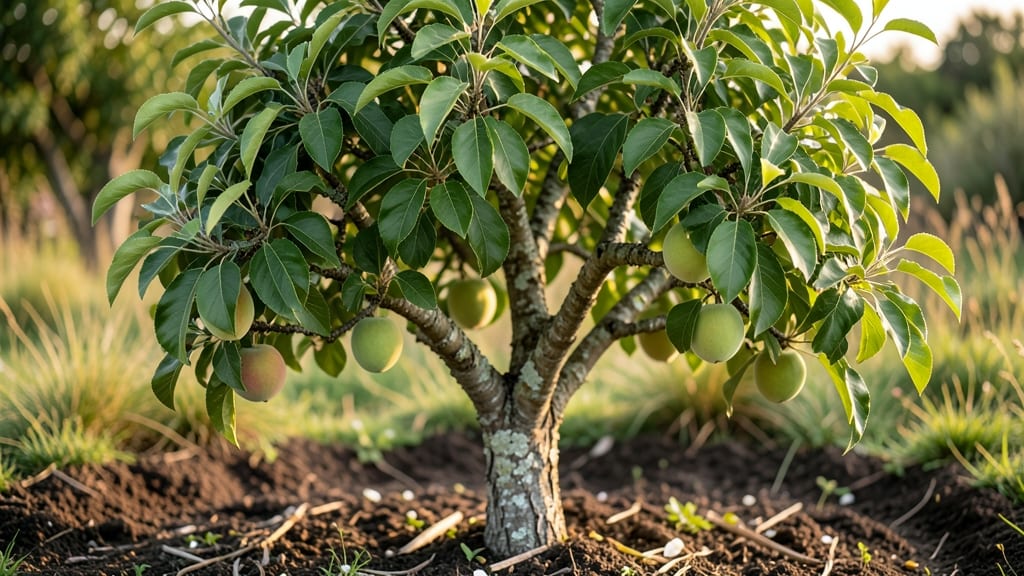
Understanding your peach tree's life cycle unlocks the secret to juicy harvests and stunning blossoms every year. 🌸 I spent years watching mine struggle until I mapped out the exact seasonal rhythm—when to prune, when to feed, and how to protect it from pests.
The difference between a tree that produces a handful of fruit and one that bends under the weight? Timing everything to nature's schedule.
Spring is all about new growth and blossom prep—that's when you shape the tree for the season ahead. Summer focuses on fruit development and water management, while fall is for nutrient replenishment before winter dormancy.
Winter's quiet season is perfect for major pruning and planning next year's shape. Each phase builds on the last, creating a cycle that rewards patience with sweet, abundant fruit and healthy branches for decades.
You'll end up with a tree that blooms like a cloud of pink in spring, sets fruit like clockwork, and produces peaches so flavorful they taste like summer in every bite. The key is matching your care to the tree's natural rhythm—no more guessing, no more wasted effort.
This is how you turn a backyard peach tree into the star of your garden.
Works for both young saplings and mature trees, whether you're in a warm climate or a cooler zone. The principles stay the same—only the timing shifts slightly. Let's get that seasonal calendar dialed in for your tree's best year yet.
📚 In This Guide
- What you need
- Instructions
- Tips and common mistakes
- Wrapping up and next steps
What you need
- ● Peach tree saplings or mature trees (1-3, depending on space and goals; dwarf varieties like Bonanza or Redhaven work well for small gardens).
- ● Well-draining soil (pH 6.0–6.5; amend with compost or peat moss if needed).
- ● Organic mulch (3–4 inches of wood chips or straw to retain moisture and suppress weeds).
- ● Slow-release fertilizer (10-10-10 or fruit-specific blend; apply in early spring and post-harvest).
- ● Watering system (drip irrigation or hose with a gentle spray nozzle for deep root hydration).
- ● Bypass pruners (sharp, high-quality; Felco or Fiskars brands recommended).
- ● Loppers (for thicker branches; 10–14-inch reach).
- ● Pruning saw (for large limbs; bow saw or curved blade type).
- ● Disinfectant spray (70% rubbing alcohol or bleach solution to prevent disease spread).
- ● Gloves (cut-resistant and durable; mechanized gardening gloves ideal).
- ● Safety glasses (to protect from debris during heavy pruning).
- ● Tree wound paint (controversial but useful for large cuts; pruning sealant like Tree Help).
- ● Stakes and ties (for young trees; 3–4 stakes per tree).
- ● Pest/disease monitor traps (e.g., peach tree borer traps or aphid traps).
- ● Grafting tools (if propagating or grafting varieties; grafting knife and rafting tape).
- ● Weatherproof storage bin (to organize tools and mulch between seasons).
Instructions: seasonal pruning calendar for your peach tree
Here's the straightforward schedule I follow to keep my peach tree thriving year-round.
✂️ Step 1: Late Winter Pruning (Before Bud Break)
Start pruning in late February or early March, right before buds swell but before they burst open. This is your chance to remove dead, diseased, or crossing branches that crowd the center. I always begin by removing any branches that are smaller than a pencil in diameter—they won't produce quality fruit and take energy from better branches.
Look for branches that grow straight up or inward. These compete with the main scaffold branches and create a crowded canopy that blocks sunlight and air circulation. Cut these back to an outward-facing bud, making your cuts at a 45-degree angle just above a bud that faces the outside of the tree. This encourages outward growth and opens up the center for better airflow.
Don't worry about removing all the small branches at once—just focus on creating an open center. You'll do more fine-tuning in later seasons. I also remove any suckers growing from the base or trunk, as these drain energy from fruit production.
☀️ Step 2: Summer Pruning (After Harvest)
Once you've harvested your peaches in late summer, it's time for a lighter pruning session. This is when I remove any branches that produced fruit—cut them back to a strong lateral branch or bud. The idea is to encourage new growth that will bear fruit next season.
Look for any branches that are growing too close together or crossing. These create wounds that can invite disease. I also remove any branches that are growing straight up from the main scaffold—these are called "water sprouts" and they steal energy from fruit production. Cut these back to a lateral branch or bud that's growing outward.
This is also the time to thin out any overly dense foliage. You want the tree to have good air circulation, which helps prevent fungal diseases like brown rot. I never remove more than 20-25% of the tree's foliage in one session—this keeps the tree healthy and able to recover quickly.
⏰ Step 3: Fall Cleanup (After Leaf Drop)
After the leaves have fallen in late autumn, I do a final cleanup to remove any remaining dead or diseased branches. This is also when I prune out any branches that are growing too low or too close to the ground. These can harbor pests and diseases over the winter.
I also remove any fruit mummies—those dried-up peaches that didn't fully ripen or fell off the tree. These can harbor brown rot fungus, which can overwinter and infect next year's fruit. I collect these and dispose of them in the trash, not the compost pile.
This is the time to also check for any signs of pests or diseases. Look for holes in the bark, sawdust-like frass (a sign of borers), or any unusual discoloration on the leaves or branches. If you find any issues, note them and plan to address them in the spring.
🌱 Step 4: Spring Maintenance (Before Blooms Appear)
In early spring, just as the buds begin to swell but before they bloom, I do a final check of the tree. This is when I remove any remaining dead or diseased branches and thin out any overly dense growth. I also prune any branches that are growing too close together or crossing.
This is also the time to shape the tree if needed. Peach trees naturally grow with a vase-like shape, but if yours is getting too tall or leggy, you can prune the top to encourage bushier growth. Just remember to always cut back to an outward-facing bud.
Finally, I apply a fresh layer of mulch around the base of the tree, keeping it 2-3 inches deep and 6 inches away from the trunk. This helps retain moisture and regulate soil temperature, which is especially important in the dry, hot summers that peach trees love.
Tips & tricks for perfect seasonal peach tree care
Here's what I've learned after years of keeping my peach tree thriving—these little details make all the difference.
Tool Prep: Sterilize your pruning tools with rubbing alcohol or a bleach solution (1 part bleach to 9 parts water) before each session. Clean tools prevent spreading diseases between cuts. I also sharpen my pruners regularly—dull blades tear bark, creating bigger wounds that heal slower and invite pests.
Seasonal Timing Secret: The late February/early March window for winter pruning is critical—you want to catch the tree before buds swell but after the worst winter cold passes. If you're in a warmer climate, adjust to just before buds show color. I check my local frost dates and prune 2-3 weeks before the last expected frost to give the tree time to heal before spring growth begins.
Visual Cues for Pruning: In Step 2 (summer pruning), look for branches where the bark meets at sharp angles—these are crossing branches that'll create wounds. Also watch for branches with no leaves or dead wood; these are clear candidates for removal. I imagine my tree as an open vase shape, with sunlight streaming through the center to reach all branches.
Mulch Matters: When applying that 2-3 inch layer of mulch in early spring, keep it 6 inches away from the trunk to prevent rot. I use shredded bark mulch because it breaks down slowly and improves soil as it decomposes. This helps regulate soil temperature—critical for peach trees that need warm roots but cool canopies during summer.
Pro Tips for Peach Tree Cycle
- Here's what I've learned after years of keeping my peach tree thriving—these little details make all the difference.
- Tool Prep: Sterilize your pruning tools with rubbing alcohol or a bleach solution (1 part bleach to 9 parts water) before each session.
- Seasonal Timing Secret: The late February/early March window for winter pruning is critical—you want to catch the tree before buds swell but after the worst winter cold passes.
Frequently asked questions
Got questions about your peach tree’s yearly rhythm? You’re not alone! Here are answers to the most common queries about the peach tree cycle, from pruning timing to troubleshooting—so you can keep your tree thriving and productive.
When is the best time to prune a peach tree for maximum fruit?
The ideal window is late winter or early spring (just before buds swell but after the coldest months). This ensures your tree focuses energy on new growth and fruit production. Avoid pruning in fall—it can stimulate late-season growth vulnerable to frost damage. Pro tip: Prune on a dry, cloudy day to reduce stress on the tree.
How do I know if my peach tree is in dormancy?
Dormancy occurs when leaves fall and the tree stops growing (typically late fall to early winter). Look for bare branches and no new leaves or flowers. Cold-hardy varieties may need protection (like mulch or frost cloth) during dormancy. Wait until after dormancy to prune—cutting too early can expose the tree to winter damage.
Why isn’t my peach tree producing fruit after pruning?
Several factors could be at play: over-pruning (keep 60-70% of the canopy), poor pollination (plant two varieties nearby), or nutrient deficiencies (test soil and fertilize with citrus-specific blend). If the tree is young (<3 years), it may still be establishing roots. Check for pests (like peach tree borers) or diseases (leaf curl) that could hinder fruiting.
Can I prune a peach tree in summer?
Summer pruning is not recommended for peach trees—it stresses the tree and invites pests/diseases. However, you can remove dead, diseased, or crossing branches anytime. If you must trim, do it early morning to reduce heat stress. Focus on light structural adjustments rather than heavy cuts.
What’s the difference between “open-center” and “vase-shaped” peach tree pruning?
Both shapes work, but they require different approaches:
- Open-center (bush): Prune to create a wide, flat top with branches spreading outward. Ideal for small spaces.
- Vase-shaped (central leader): Train one main trunk with scaffold branches. Better for larger trees and easier harvesting.
Choose based on your tree’s maturity and space. Young trees adapt better to training—start shaping early!
Wrapping up and next steps
Understanding the peach tree cycle and aligning your pruning with its seasonal rhythms is the secret to a thriving orchard—whether you're growing for luscious fruit or stunning blossoms. 🌸 From winter’s bold cuts to summer’s gentle shaping, each step builds a stronger, more productive tree. You’ve got this!
Ready to take the next step? Start by marking your calendar with the pruning dates for your region, then grab your tools and get hands-on. Every snip brings you closer to that perfect harvest—and a backyard bursting with beauty.