
Size
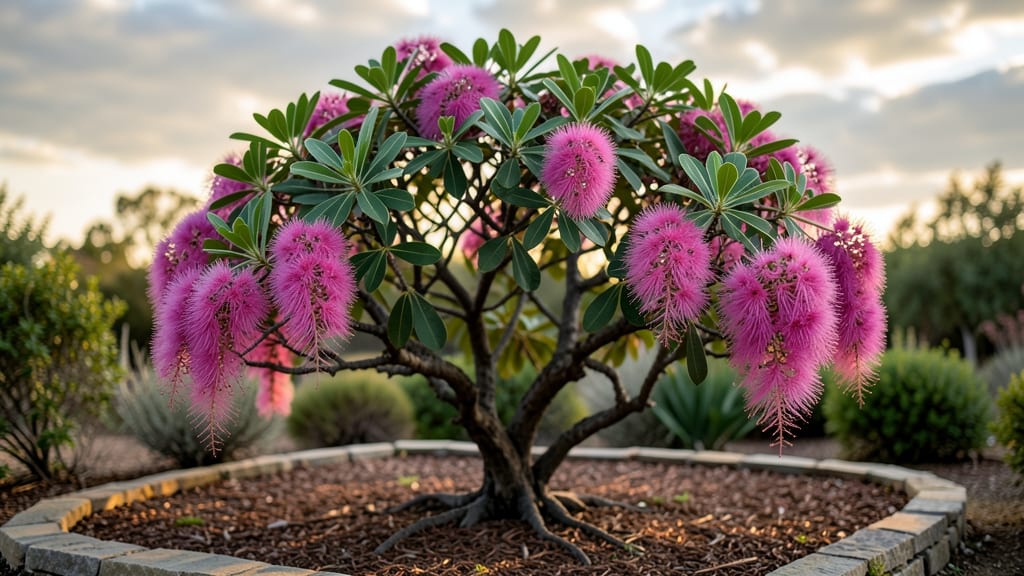
Growing a cotton candy tree (Kigelia africana) turns your garden into a living centerpiece with dramatic, dangling seed pods that look like nature’s own cotton candy. 🌿 I’ve watched mine grow from a sapling to a 15-foot-tall stunner in just three years—here’s how you can too, even if you’re new to big trees.
The secret starts with well-draining soil and a sunny spot—this tree thrives in full sun (6+ hours/day) and hates soggy roots. Plant in spring or early summer when temperatures stay above 50°F, and give it space: mature trees spread 20-30 feet wide.
Patience pays off—those iconic pods take 3-4 years to appear, but the journey is worth it. By year three, you’ll have a shade-providing giant with glossy leaves and those surreal seed pods that look like they belong in a fantasy novel.
Prune lightly in late winter to shape it, and watch how it becomes the conversation piece of your landscape. Works in USDA zones 10-12, but container-growing is possible in cooler climates with winter protection. Let’s get those roots growing!
📚 In This Guide
- What you need
- Instructions
- Tips and common mistakes
- Wrapping up and next steps
What you need
- ● Seeds or saplings: 1–3 Chionanthus retusus (Fringe Tree) or Lagerstroemia indica (Crape Myrtle) seeds/saplings (for the base structure).
- ● Potting mix: 5–10 gallons of well-draining, organic soil blend (e.g., 60% garden soil, 30% perlite, 10% compost).
- ● Container or garden plot: For containers: 1–3 large pots (15–20 gallons each) with drainage holes.
- ● For in-ground: A sunny spot with at least 6–8 feet of vertical space (or a trellis for support).
- ● Fertilizer: Slow-release granular fertilizer (10-10-10 NPK ratio) or organic compost tea.
- ● Pruning tools: 1 pair of sharp bypass pruners and 1 small handsaw (for mature branches).
- ● Watering can or hose: With a gentle spray nozzle for delicate foliage.
- ○ Support structure (optional but recommended): 1–2 sturdy bamboo stakes or a tree spiral trellis (for guiding growth upward).
- ● Soft garden twine or Velcro plant ties (to secure branches).
- ● Cotton candy floss: 1–2 bags of food-grade white or pastel-colored cotton candy (for the "sweet" effect—see Method for how to apply!).
- ● Edible glitter or luster dust: For a magical shimmer (ensure it’s non-toxic!).
- ● Mini LED lights: Solar-powered fairy lights to illuminate your tree at night.
- ● Child-safe spray adhesive: For securing cotton candy (if using edible versions).
Step-by-step instructions for growing a cotton candy tree
This delicate beauty thrives with patience and precision—here’s how to coax it from seed to sky.
🌱 Step 1: Start Seeds Indoors for Early Growth
The cotton candy tree (Ceiba pentandra) begins as a tiny seed that needs warmth and humidity to break dormancy. Soak seeds overnight in lukewarm water to soften the tough outer shell—this speeds germination from 4-6 weeks to just 2-3 weeks. Use a sterile seed-starting mix in small pots (2-3 inches deep) and plant seeds ½ inch deep, two per pot for better success.
Cover the pots with plastic wrap or a humidity dome to maintain 75-80°F soil temperatures. Place them under a grow light or in a bright, indirect window—direct sun at this stage will fry the delicate sprouts. Check moisture daily; the soil should stay damp but never soggy. You’ll know germination worked when first true leaves appear, signaling it’s time to thin to the strongest seedling.
☀️ Step 2: Transition to Larger Pots and Bright Light
Once seedlings reach 4-6 inches tall (usually after 8-12 weeks indoors), transplant them into 5-gallon containers with well-draining soil. These trees grow fast, so give them room—roots need space to establish before outdoor planting. Place the pots in a spot with morning sun and afternoon shade to harden them off gradually.
Rotate the pots weekly to prevent leggy growth. You’ll notice the stems thicken and leaves darken as they adapt. Avoid fertilizing yet—new roots are still sensitive. Water when the top 2 inches of soil feel dry, but never let them sit in waterlogged conditions. This is where many growers fail: overwatering at this stage leads to root rot.
🪴 Step 3: Plant Outdoors After Frost Risk Passes
Wait until after the last frost and soil temperatures stay above 60°F before moving your cotton candy tree outside. Choose a location with full sun to partial shade—these trees tolerate heat but appreciate afternoon relief in hot climates. Dig a hole twice as wide as the pot but no deeper to avoid burying the trunk.
Plant at the same depth as the container, then water deeply to settle the soil. Mulch around the base with 2-3 inches of organic mulch to retain moisture and regulate temperature. The first year is critical—you’ll see rapid vertical growth (up to 10 feet in ideal conditions), so stake young trees if winds are strong. Prune only to remove dead branches; let the natural shape develop.
✂️ Step 4: Maintain with Strategic Pruning and Fertilizing
Feed your cotton candy tree annually in early spring with a balanced, slow-release fertilizer (10-10-10). These trees are light feeders—too much nitrogen produces leafy growth at the expense of that signature fluffy bloom. Prune in late winter to shape the canopy, but avoid heavy cuts. You’ll notice the iconic cotton-like seed pods form in 2-3 years if the tree receives consistent care.
Watch for pests like scale or spider mites, which thrive in dry conditions. Spray leaves with water weekly during droughts to deter infestations. In colder zones, protect young trees with burlap wraps if temperatures dip below 20°F. Patience pays off—mature trees reward you with 50-foot height and a canopy that looks like clouds.
Tips & tricks for growing a cotton candy tree
Transforming seeds into a sky-high cotton candy tree takes more than just time—it's about creating the perfect conditions at every stage.
The Germination Game-Changer: Don't rush the overnight soak—lukewarm water works best, but never boiling. I've learned the hard way that hot water can actually damage the seed's delicate structure. After soaking, plant seeds immediately in those 2-3 inch pots—they dry out fast once exposed to air. For extra insurance, place a drop of honey on each seed before planting; the natural sugars help attract beneficial microbes that boost germination rates.
Lighting Strategy for Seedlings: That bright indirect window might not be bright enough. I recommend supplementing with a simple LED grow light just 6 inches above the seedlings for 12 hours daily. The key is maintaining consistent light without direct exposure—these young plants can't handle the intensity yet. Watch for leaves that look pale or stretched; that's your signal to adjust either the distance or duration.
Transplanting Without Shock: When moving to 5-gallon containers after 8-12 weeks, time your transplant on an overcast day or late afternoon. The shock of bright light combined with root disturbance can set back growth. Gently loosen the roots before placing in the new pot—this encourages them to spread rather than circle. The first week after transplanting is critical; keep them in that morning sun/afternoon shade spot and monitor soil moisture closely.
Outdoor Transition Secrets: Before moving outside, do a two-week "acclimation" period where you gradually increase exposure to outdoor conditions. Start with just an hour in the morning shade, then gradually increase time and sun exposure. This hardens off the seedlings without the shock of full sun exposure. Also, consider using a lightweight shade cloth (30-50%) during the first month outdoors—it mimics the filtered light these tropical trees prefer.
Pro Tips for Cotton Candy Tree Grow A Garden
- Transforming seeds into a sky-high cotton candy tree takes more than just time—it's about creating the perfect conditions at every stage.
- The Germination Game-Changer: Don't rush the overnight soak—lukewarm water works best, but never boiling.
- Lighting Strategy for Seedlings: That bright indirect window might not be bright enough.
Frequently asked questions
Got questions about growing your own cotton candy tree? You’re not alone—this whimsical plant is as fun as it is fascinating! Here are answers to the most common queries to help you cultivate sky-high sweetness without the fuss.
How long does it really take for a cotton candy tree to produce edible flowers?
The magic happens in 3–5 years for mature blooms, but don’t rush it! Focus on nurturing a sturdy trunk and branches first. Patience pays off—your first harvest will feel like a fairy-tale reward. Pro tip: Prune aggressively in early spring to encourage bushier growth and earlier flowering.
Can I grow a cotton candy tree indoors, or is it strictly an outdoor plant?
While they thrive outdoors in USDA Zones 9–11, you can grow one indoors with bright, indirect light (like a sunroom or grow lights). Just expect slower growth and smaller blooms. For best results, move it outside during warm months. Warning: Drafts and temperature swings can stress the plant—keep it cozy!
What if my cotton candy tree’s flowers aren’t as fluffy as expected?
Fluffiness depends on humidity and pollination. Mist the flowers daily or use a humidifier to mimic their tropical habitat. For hand-pollination, gently brush stamens with a soft brush. Bonus: Bees love them too—plant near pollinator-friendly flowers to boost natural fluffiness!
Are there any non-edible alternatives to cotton candy trees for a sweet garden?
Try these low-maintenance, edible-flowering plants for a similar whimsical vibe:
- Nasturtiums – Peppery, bright blooms (edible leaves too!)
- Violas – Mildly sweet, cold-hardy flowers
- Borage – Star-shaped blooms with cucumber-like flavor
- Calendula – Citrusy petals, great for teas
Why are my cotton candy tree leaves turning yellow or dropping?
Yellowing leaves usually signal overwatering or nutrient deficiencies. Let the top 2 inches of soil dry out between waterings, and fertilize with a balanced, organic formula (like fish emulsion) every 4–6 weeks. Checklist:
Issue
Fix
Yellow edges
Add magnesium (Epsom salt)
Wilting
Check roots for rot; adjust watering
Drooping
Increase humidity or move to brighter light
Wrapping up and next steps
Growing a cotton candy tree (Ceiba pentandra) is a dreamy way to add whimsy and tropical charm to your garden—plus, its fluffy seed pods are pure magic! 🌿✨ With the right soil, sunlight, and patience, you’ll be rewarded with a towering, ethereal beauty in just three years.
Remember, consistency is key, whether you’re nurturing seeds or pruning young saplings.
Ready to take the next step? Start small:
- Order seeds or a young sapling from a trusted nursery.
- Mark your calendar for seasonal pruning and feeding.
- Share your progress with fellow plant lovers—inspiration grows together! 🌱💬