
Flowers
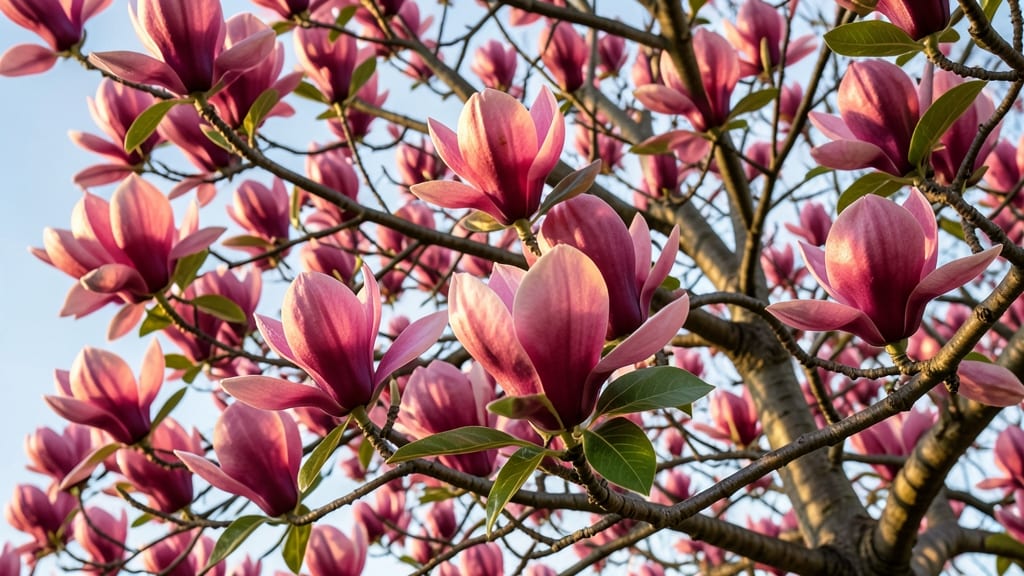
Spring gardens burst to life with vibrant pink blooms, and these 10 trees deliver breathtaking color while attracting pollinators. Perfect for borders, focal points, or wildlife-friendly landscapes, these varieties offer year-round interest beyond their spring spectacle.
Eastern Redbud Tree
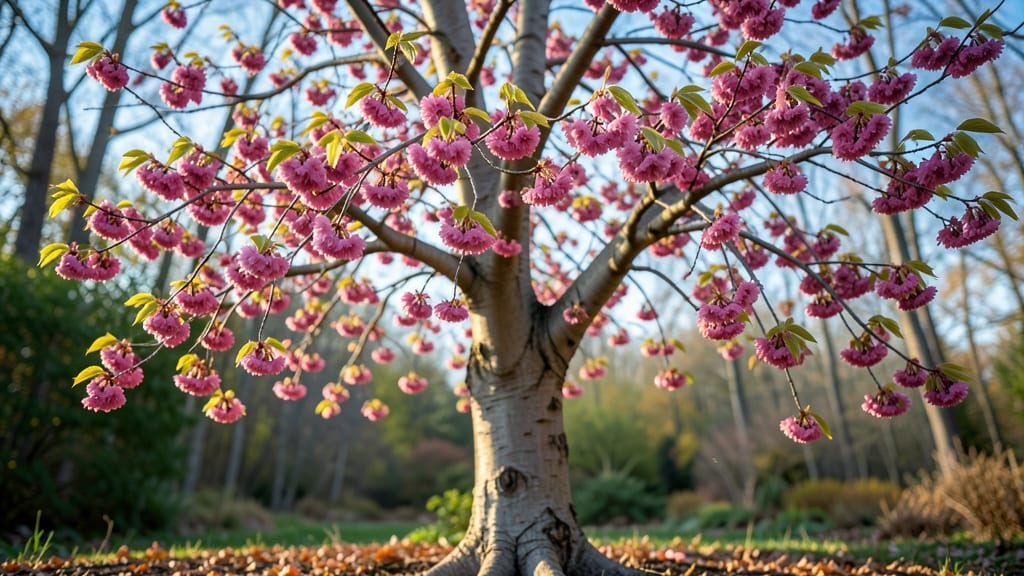
If you're eager to welcome spring with a burst of color, the Eastern Redbud Tree (Cercis canadensis) is your first bloomer. Its delicate magenta flowers appear before the heart-shaped leaves, signaling the start of the season in USDA zones 4-9.
This medium-sized tree grows to 20-30 feet tall, making it ideal for small gardens, urban landscapes, or as a striking focal point. Plant it in full sun to partial shade with well-drained soil, and enjoy its three-season interest—spring blooms, summer foliage, and autumn color. Its adaptability and early bloom time make it a favorite among gardeners.
Perfect for beginners and small-space gardeners, the Eastern Redbud adds a touch of whimsy and pollinator support to any landscape. 🌷
Japanese Cherry Tree
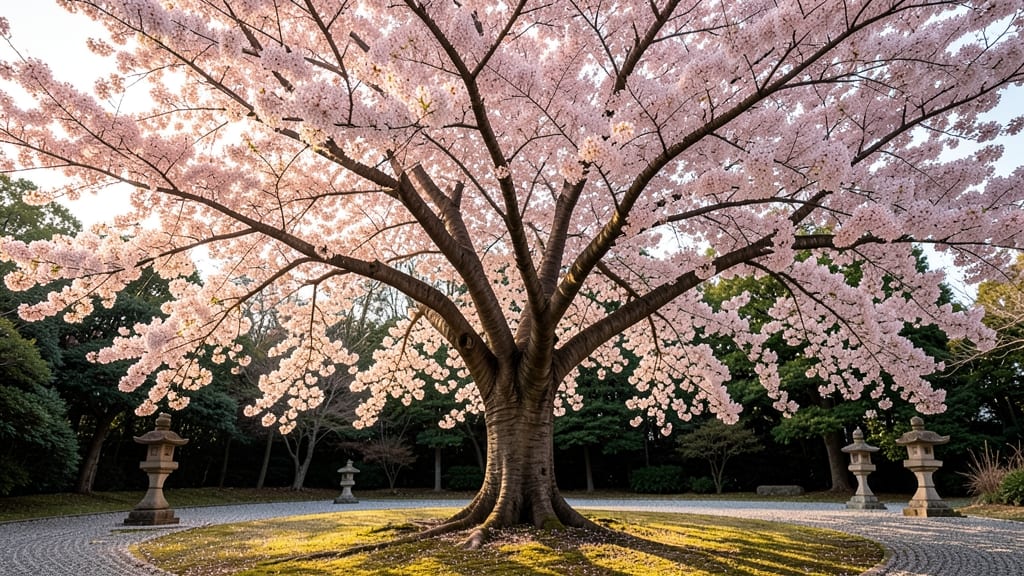
Transform your garden into a serene Japanese-inspired retreat with the Japanese cherry tree (Prunus serrulata), whose soft pink cascading blossoms create breathtaking canopies that feel like stepping into a cherry blossom festival. Unlike its weeping cousins, this tree grows upright with a rounded crown, making it perfect for urban streets, parks, or as a focal point in traditional gardens.
Plant in full sun (6+ hours daily) and well-drained soil for optimal blooms. While it thrives in USDA zones 5-8, choose disease-resistant cultivars like 'Kanzan' or 'Shirotae' for low-maintenance beauty. Prune lightly after flowering to maintain shape—avoid heavy pruning, as it reduces next year's blossoms. The tree matures at 20-30 feet tall, so plan spacing accordingly.
Urban gardeners and traditionalists will love this tree for its seasonal interest: vibrant spring blooms, fresh green foliage, and even occasional fall color. Pair it with hostas or bamboo for a classic Japanese garden feel. 🌷
Bradford Pear Tree
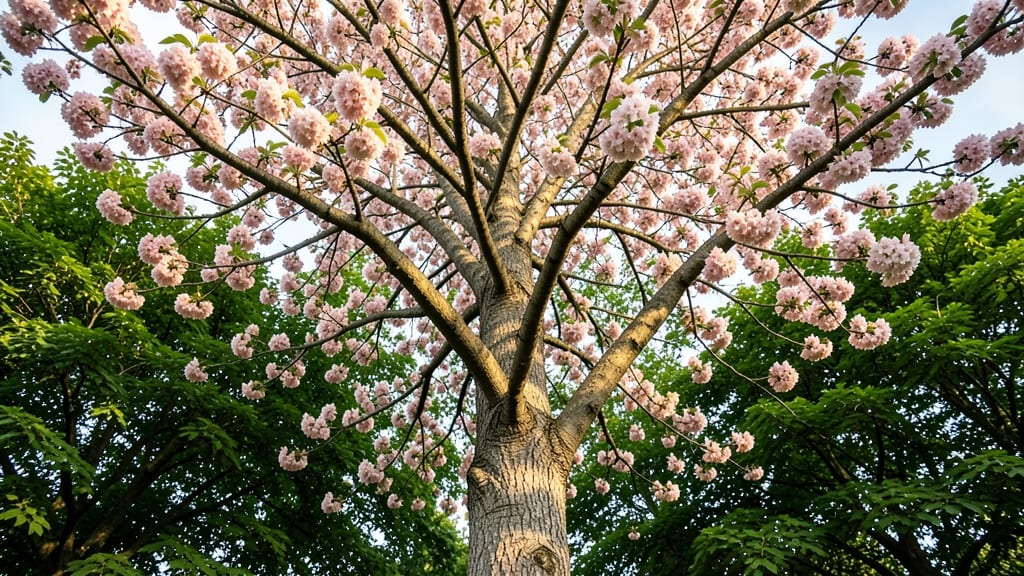
Need a quick privacy screen or bold garden border? The Bradford Pear Tree delivers fast growth (up to 3 feet per year!) with clusters of pink-white blossoms that transform into fragrant fruit. Its dense canopy creates an instant focal point while supporting pollinators like bees and butterflies.
This drought-tolerant tree thrives in full sun and adapts to various soil types, making it ideal for zones 5-9. Plant it 30-40 feet apart for privacy screens or as a standalone specimen. Just watch for fire blight disease—regular pruning in late winter keeps it healthy and flowering.
Perfect for urban landscapes or large properties, this tree offers both beauty and function. Its prolific blooms make it a standout in spring gardens. 🌟
Pink Dogwood Tree
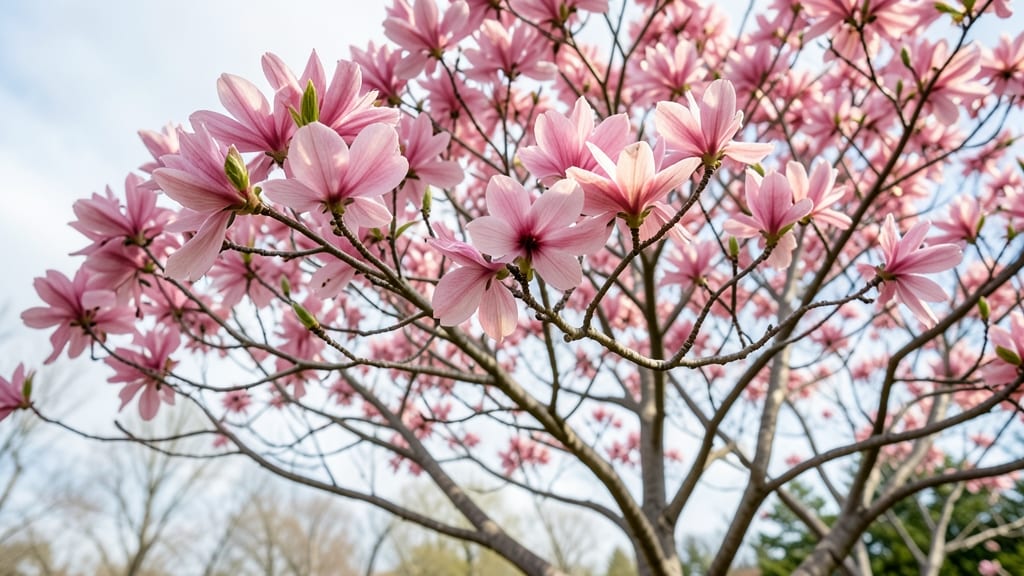
Looking for a native North American tree that steals the show in early spring? The pink dogwood (Cornus florida) delivers showy pink bracts—those large, petal-like structures—that bloom before its leaves even appear, creating a stunning display that lasts for weeks.
This pollinator powerhouse thrives in USDA zones 5-9 and prefers partial shade to full sun, making it perfect for woodland edges or dappled garden spots. The tree’s smooth, gray bark and vibrant fall foliage add year-round interest, while its berries provide food for birds. Plant it as a focal point or pair it with spring bulbs like daffodils for a layered look.
Perfect for gardeners who want low-maintenance beauty with high ecological value, the pink dogwood is a must-have for native plant enthusiasts and pollinator gardens. 🌷
Crabapple Tree
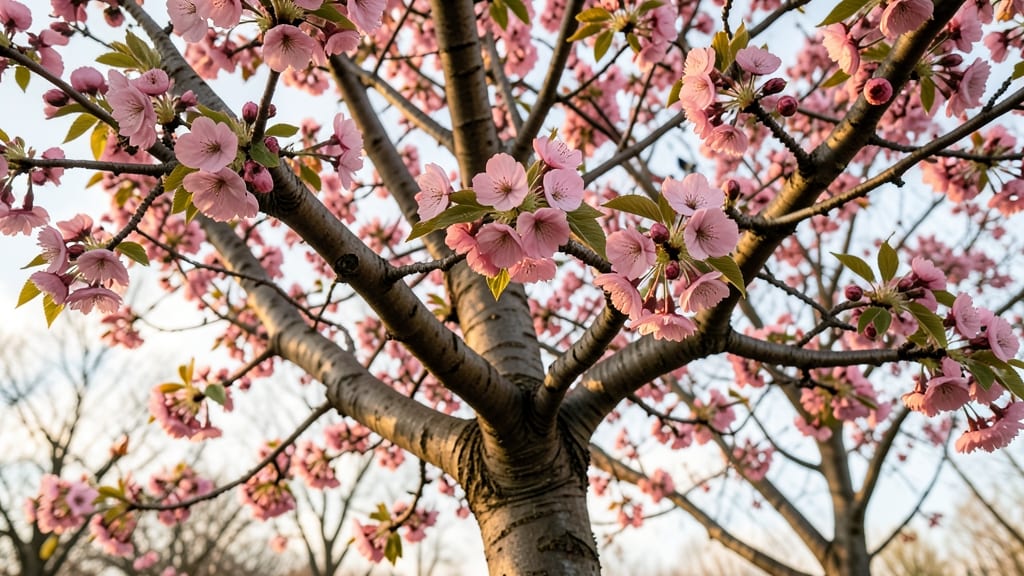
Looking for a multi-purpose tree that delivers stunning spring color and supports pollinators? The crabapple tree is your answer—a compact powerhouse with fragrant pink flowers that burst into bloom before the leaves appear, followed by small, edible fruit that birds and wildlife adore.
This versatile tree thrives in zones 4-8 and reaches a manageable 15-25 feet tall, making it perfect for small gardens, urban yards, or pollinator-friendly borders. Plant it in full sun to partial shade with well-drained soil, and expect four-season interest: spring blooms, summer shade, autumn fruit, and winter structure. Varieties like 'Adams' or 'Dolgo' offer disease resistance for low-maintenance growing.
Urban gardeners and wildlife enthusiasts will love how crabapples attract bees, butterflies, and birds while adding year-round texture to landscapes. Plus, the fruit can be used in jams or left for wildlife—nature’s bonus! 🌻
Weeping Cherry Tree
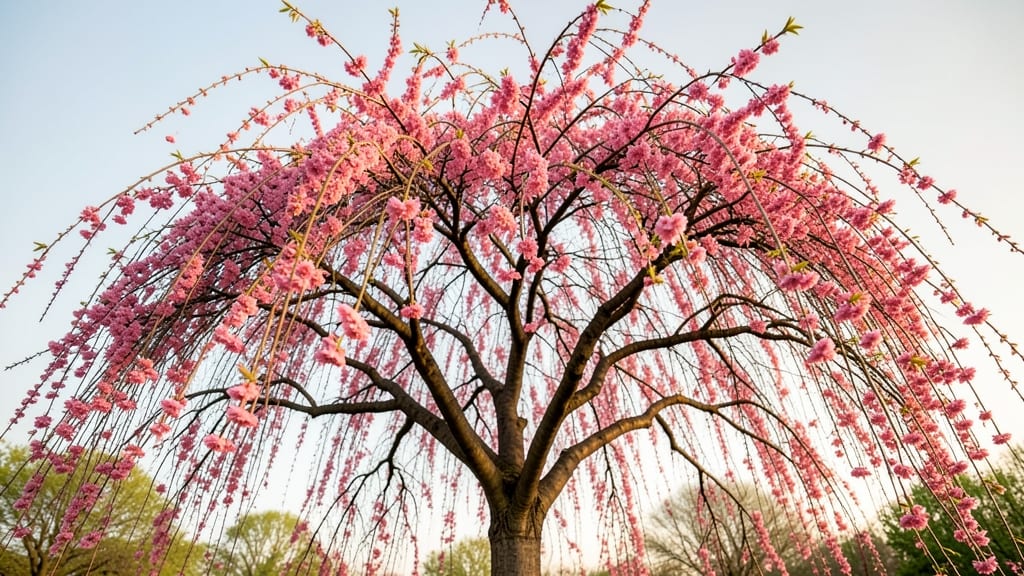
When you need a dramatic yet space-conscious tree for your small yard or patio, the weeping cherry tree delivers a waterfall of pink blossoms without the towering height of traditional cherry varieties. Unlike its upright cousins, this tree grows horizontally, creating a graceful, cascading effect that softens corners and adds elegance to tight spaces.
Most varieties mature between 15-25 feet tall but spread 20-30 feet wide, making them ideal for patios, small courtyards, or as a focal point near seating areas. Plant in full sun for optimal flowering, and choose well-draining soil to prevent root rot. Prune lightly in late winter to shape the branches and remove dead wood, but avoid heavy pruning during the blooming season to preserve next year’s flowers.
Perfect for gardeners with limited space who still crave a showstopping spring display, this tree thrives in USDA zones 5-8 and pairs beautifully with spring bulbs like daffodils or tulips at its base. 🌷
Fringe Tree
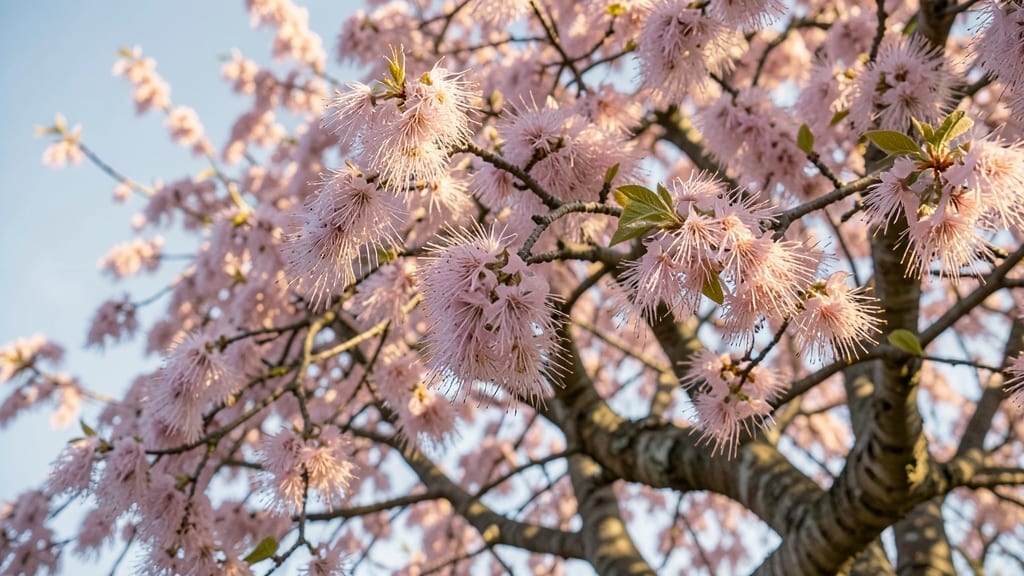
If you're looking for a late-spring spectacle that stands out from traditional pink blooms, the fringe tree (Chionanthus virginicus) delivers with its unique, fringe-like pink flowers that resemble delicate lace. Unlike early-blooming trees, this native North American beauty waits until May or June to burst into color, offering a fresh burst of interest when other spring blooms fade.
Thriving in USDA zones 4-9, fringe trees grow 15-25 feet tall with a rounded canopy, making them ideal for woodland gardens, borders, or as a focal point near patios. Their fragrant flowers attract late-season pollinators like bees and butterflies, extending your garden's value to wildlife well into summer. Plant in well-drained soil with full sun to part shade—they’re surprisingly low-maintenance once established.
Perfect for gardeners who want extended seasonal interest without the fuss of early bloomers, fringe trees also develop dark purple berries later in the year, adding another layer of texture. Their distinctive foliage and long bloom time make them a standout choice for those seeking something beyond classic pink spring trees. 🌷
Pink Hawthorn Tree
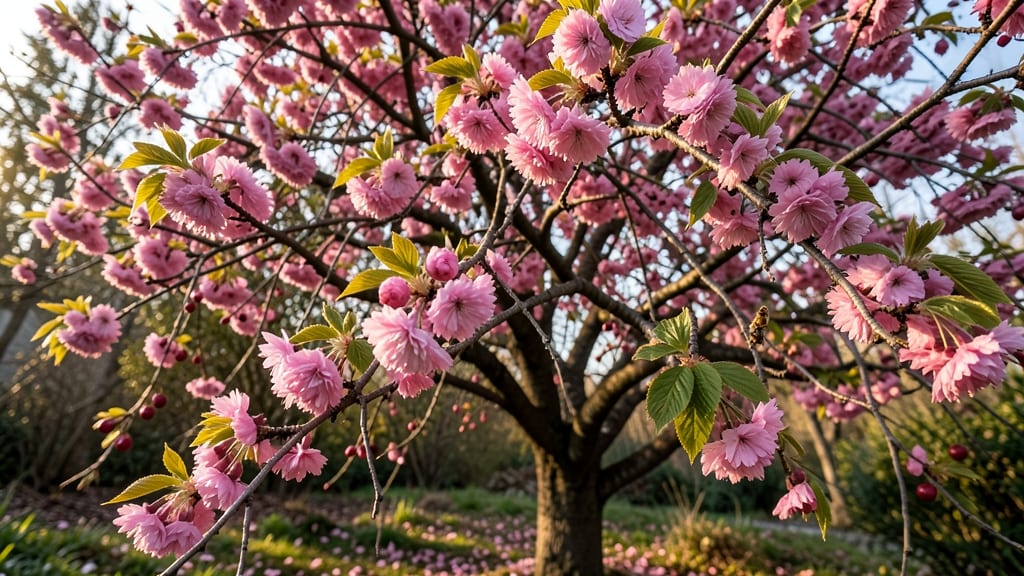
Transform your garden into a wildlife hotspot with the pink hawthorn tree (Crataegus phaenopyrum), a dual-purpose beauty that delivers pink spring blooms followed by clusters of red berries that birds adore. Unlike other flowering trees, this native North American tree thrives in zones 3-9, making it one of the hardiest choices for cold climates and hedgerows.
Plant it in full sun to partial shade for maximum blooms, and expect a multi-season show: fragrant pink flowers in spring, glossy green foliage through summer, and vibrant berries that feed birds from late summer through winter. Prune lightly in late winter to shape its rounded, dense habit, which works beautifully as a privacy screen or wildlife-friendly hedge.
Perfect for gardeners who want low-maintenance beauty with high ecological value, this tree attracts bees, butterflies, and songbirds while requiring minimal care. 🌟
Ornamental Pear Tree
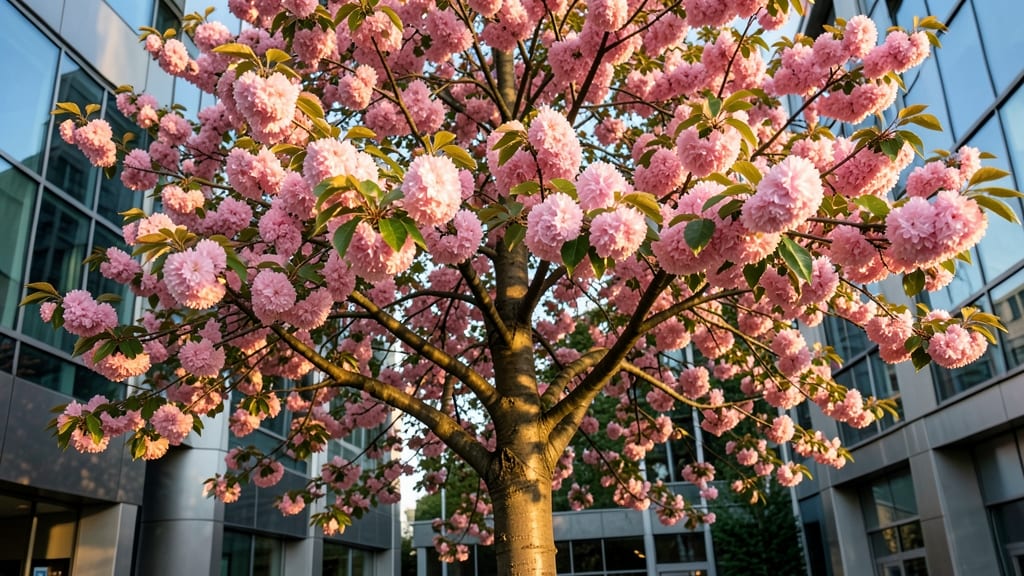
Looking for a low-maintenance tree that thrives in tight urban spaces while delivering striking pink blooms? The ornamental pear tree (Pyrus calleryana) is your answer—it’s disease-resistant, fast-growing, and packed with glossy foliage that stays lush year-round.
This tree bursts into abundant pink flowers in spring, creating a dramatic canopy that lasts weeks. Unlike other flowering trees, it handles pollution and compacted soil beautifully, making it ideal for city streets, parking lot medians, or small yards. Its drought-tolerant nature means less watering once established, and its smooth, exfoliating bark adds winter interest.
Perfect for urban gardeners or anyone seeking a high-impact, low-effort tree, this variety also produces small, edible pears (though they’re tart and best for wildlife). Plant it as a focal point or along driveways for year-round curb appeal. 🌟
Pink Magnolia Tree

Want a tree that smells as good as it looks? The pink magnolia delivers fragrant, cup-sized blooms that appear before its glossy leaves, creating a showstopping spring display. Unlike other pink flowering trees, its blooms are large, waxy, and intensely fragrant, making it a standout focal point in any garden.
This deciduous beauty thrives in zones 4-9 and prefers well-drained soil with partial shade, though it tolerates full sun in cooler climates. Plant it where you can enjoy its scent up close—its blooms last 2-3 weeks, with some varieties reblooming lightly in summer. Just be patient: it takes 3-5 years to reach its mature 20-30 foot height, but the wait is worth it for that dramatic early spring spectacle.
Perfect for gardeners who want both beauty and fragrance, the pink magnolia adds a touch of elegance to borders, lawns, or as a specimen plant. Its slow growth also makes it ideal for smaller spaces where you want long-term impact. 🌷