
Pruning
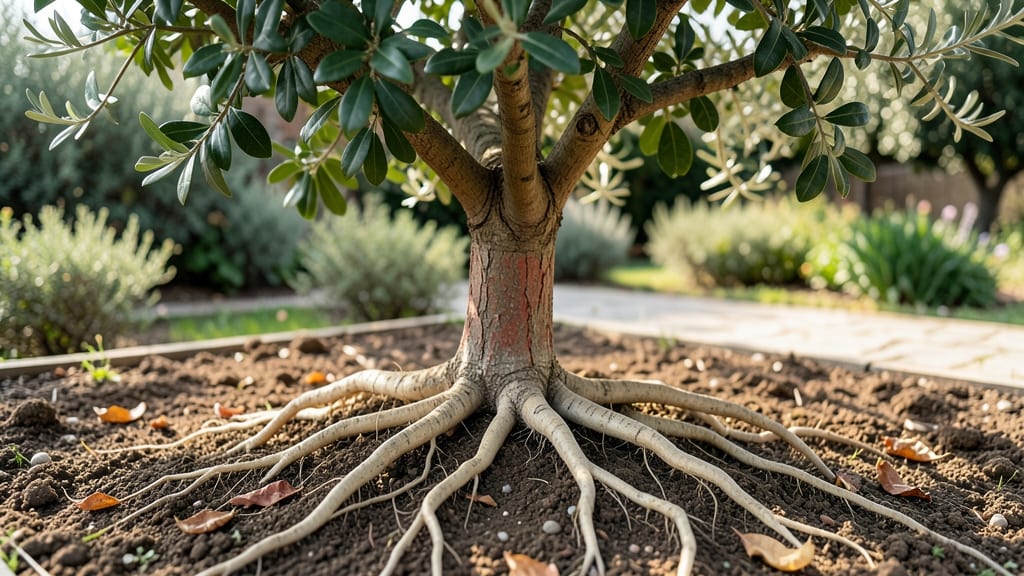
Pomegranate tree roots spread deeper than most people realize—3-4 feet down and 6-8 feet wide, making them both resilient and sensitive to disturbance. 🌱 I learned this the hard way after digging too close to my tree’s trunk and nearly killing it.
The roots need space to establish, and once they do, they’ll anchor your tree for decades while fueling those jewel-toned fruits you’re dreaming of. The secret to happy roots starts before planting: loosen the soil 18-24 inches deep and mix in compost to encourage downward growth.
Avoid heavy clay or waterlogged spots—they’ll strangle those roots faster than you can say "pomegranate." Once established, water deeply once a week (more in summer) to keep the soil moist but not soggy. Roots hate soggy feet just like we do.
When pruning above-ground branches, remember: roots follow the leader. Heavy pruning stresses the whole plant, including those hidden roots. Instead, focus on shaping the canopy in early spring—this keeps energy flowing downward where it belongs. You’ll see the difference in thicker trunks and bigger harvests by next season.
This works for both container-grown pomegranates (use 15-gallon pots with drainage) and in-ground trees. The key is patience—roots take time to establish, but once they do, your tree will reward you with years of low-maintenance fruit production.
📚 In This Guide
- What you need
- Instructions
- Tips and common mistakes
- Wrapping up and next steps
What you need
- ● Pruning shears or loppers: Sharp, clean tools (bypass pruners work best). Ensure they’re sterilized with rubbing alcohol to prevent disease spread.
- ● Gloves: Heavy-duty gardening gloves (to protect against thorns and soil-borne pathogens).
- ● Shovel or digging fork: A flat-head shovel (for precision) or a digging fork (to loosen soil gently).
- ○ Hose or watering can: For rinsing tools and wetting roots before pruning (optional but helpful).
- ● Compost or well-aged manure: 5–10 gallons, ready to replenish soil after pruning.
- ○ Root stimulator (optional but recommended): A mycorrhizal fungus powder or seaweed-based root booster to aid recovery.
- ● Root pruning saw: For thicker roots (if your tree is mature).
- ● Mulch (straw or wood chips): Spread a 2–3 inch layer around the base after pruning to retain moisture.
- ● Soil test kit: To check pH and nutrient levels before/after pruning (ideal pH: 6.0–7.0).
- ● Knee pads or stool: For comfort during long sessions.
Instructions for pruning pomegranate tree roots
Here's how to encourage vigorous growth and maximize fruit production through strategic root care.
✂️ Step 1: Assess Root Health Before Pruning
Start by examining the root zone for signs of stress. Healthy pomegranate roots should appear white to light tan and firm to the touch. Look for any blackened, mushy areas or roots that snap easily when bent—these indicate rot or disease. I always prune in early spring before new growth begins, when the tree is still dormant but roots are active enough to recover quickly.
Gently loosen the top 6 inches of soil around the tree's dripline (the outermost edge of the canopy) to inspect the roots. If you see a dense mat of fine roots within this zone, the tree may be root-bound. This is normal for young trees but can become problematic as they mature. Mark any areas that need attention with small flags or sticks for reference.
💧 Step 2: Prune Overcrowded or Damaged Roots
Use sterilized pruning shears to remove any roots that are circling the trunk or growing into the center of the root ball. These "girdling roots" can strangle the tree as it grows. Cut them back to where they branch outward from the main root structure. For severely root-bound trees, I make 2-3 radial cuts about 12-18 inches deep to encourage outward root growth.
If you find any roots that are cracked, split, or showing signs of disease, remove them entirely. Dip your shears in rubbing alcohol between cuts to prevent cross-contamination. Avoid pruning more than 20-25% of the root system in a single session—this could shock the tree and reduce its ability to absorb water and nutrients.
☀️ Step 3: Encourage Outward Root Growth
After pruning, focus on promoting horizontal root expansion by creating a shallow trench about 12 inches deep and 2 feet wide around the tree's dripline. This encourages roots to grow outward rather than staying concentrated near the trunk. Fill the trench with a mix of 60% native soil and 40% compost, which provides both structure and nutrients.
Water the trench thoroughly after filling it to help the roots establish in the new area. You'll know the roots are responding well when you see new growth emerging from the trench edges within 4-6 weeks. This outward expansion improves stability and increases the tree's access to water and nutrients, which directly boosts fruit production.
🌱 Step 4: Mulch and Monitor for Recovery
Apply a 3-inch layer of organic mulch (like wood chips or straw) around the base of the tree, keeping it 6 inches away from the trunk to prevent rot. This mulch layer helps retain moisture and regulates soil temperature, which is critical for root recovery. Water deeply but infrequently—aim for 1 inch of water per week—to encourage deep root growth rather than shallow, weak roots.
Monitor the tree for signs of stress, such as wilting leaves or yellowing foliage, which could indicate over-pruning. If you see these symptoms, reduce watering slightly and provide light shade for a few weeks to help the tree recover. Healthy roots will show up as dark green leaves and a steady increase in new shoots by mid-summer.
Tips & tricks for pruning pomegranate tree roots
These insights will help you avoid common mistakes and maximize your tree's recovery and fruit production.
Timing is Everything: Early spring is the absolute best time to prune pomegranate roots because the tree is still dormant but roots are beginning to become active. Avoid pruning in late fall or winter when roots are least active, or during summer when the tree is already stressed from heat and fruit production. I've seen trees recover beautifully when pruned in March, but those pruned in July often struggle with stress symptoms.
The Right Tools Make All the Difference: Sterilize your pruning shears with rubbing alcohol between cuts to prevent spreading disease between roots. I always keep a small bottle of 70% isopropyl alcohol in my gardening toolkit specifically for this purpose. For deep cuts (12-18 inches), consider using a root saw or even a sharp spade if you don't have specialized tools. The cleaner the cut, the faster the tree can seal the wound and begin healing.
Visual Cues for Healthy Roots: When inspecting the roots in Step 1, look for the "three S's" of healthy roots: smooth texture, solid structure, and a light tan color. Roots that are blackened or mushy indicate rot, while roots that snap easily suggest disease. Healthy roots should feel firm and spring back slightly when pressed. This visual assessment helps you determine exactly which roots need attention before making any cuts.
Mulch Application Secrets: That 3-inch layer of organic mulch in Step 4 isn't just about looks—it's a crucial recovery tool. Spread it in a donut shape around the tree, keeping it 6 inches away from the trunk to prevent rot. I like to use wood chips because they break down slowly, providing a steady supply of nutrients to the roots. For extra protection during hot summers, consider adding a thin layer of straw on top of the wood chips to retain even more moisture.
Pro Tips for Pomegranate Tree Roots
- These insights will help you avoid common mistakes and maximize your tree's recovery and fruit production.
- Timing is Everything: Early spring is the absolute best time to prune pomegranate roots because the tree is still dormant but roots are beginning to become active.
- The Right Tools Make All the Difference: Sterilize your pruning shears with rubbing alcohol between cuts to prevent spreading disease between roots.
Frequently asked questions
Got questions about pomegranate tree roots? You’re not alone! Here are some of the most common concerns—and their answers—to help you keep your tree thriving.
How deep do pomegranate tree roots grow?
Pomegranate roots typically spread wide (up to 3–4 feet from the trunk) but only moderately deep (about 2–3 feet). They’re shallow compared to other fruit trees, so avoid heavy foot traffic or compacted soil near the base. Mulch lightly to encourage root spread without smothering them.
When is the best time to prune pomegranate roots?
Prune roots in late winter or early spring (before new growth starts) or after harvest (fall). Avoid pruning in extreme heat or drought—roots need moisture to recover. If you spot girdling roots (circling the trunk), trim them immediately to prevent strangulation.
Can I prune pomegranate roots too much?
Yes! Over-pruning roots can stress the tree, reducing fruit production or even killing it. Never remove more than 20–30% of the root system at once. If you’re unsure, focus on surface roots (near the soil) and leave deeper roots intact. Signs of over-pruning: wilting, yellowing leaves, or stunted growth.
What if my pomegranate tree has no visible roots?
Don’t panic! Pomegranates often have hidden roots—especially in containers or sandy soil. Gently scratch the soil near the trunk with a trowel to spot roots. If you’re planting a bare-root tree, bury the roots just below the soil line and water deeply. For container-grown trees, check the drainage holes for root growth.
Can I use pomegranate root pruning to revive a struggling tree?
Sometimes! If your tree is root-bound (roots circling the pot) or suffering from root rot, pruning can help. For root-bound trees, trim the outer roots and repot. For rot, remove affected sections, sterilize tools, and improve drainage. Pair root pruning with balanced fertilizer (high in potassium) to support recovery.
Still unsure? Drop your question in the comments—we’re happy to help!
Wrapping up and next steps
Understanding and caring for your pomegranate tree roots is the foundation of a thriving, fruit-bearing plant! From proper pruning techniques to recognizing signs of stress, these steps ensure your tree stays healthy and productive. Don’t let root neglect hold back your harvest—take action today!
Ready to give your pomegranate tree the best care? Start by scheduling a root inspection this season and apply the pruning tips you’ve learned. Your future juicy, ruby-red fruit will thank you! 🌱🍇