
Pruning
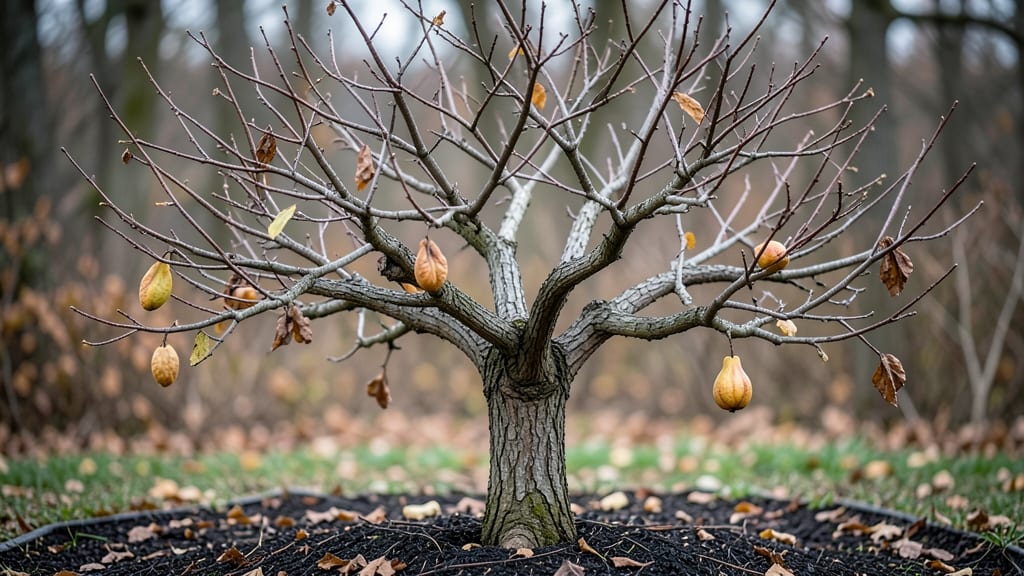
Winter is when your quince tree’s future fruit bounty gets decided—prune now, and next summer’s harvest will be shockingly lush. ✂️ I’ve learned the hard way that skipping winter care means weaker branches, fewer blooms, and fruit that never ripens properly.
The key is timing: prune after the first hard frost but before new growth starts, usually in late January or early February when the tree is fully dormant. You’ll need sharp pruners, a ladder (for taller trees), and a bucket for clippings—no fancy tools, just the right technique.
The goal is to open the center of the tree for sunlight and air circulation, while shaping it into an open vase form. Cut back about one-third of the oldest wood each year, always making clean cuts just above outward-facing buds.
What you’ll end up with is a tree that bursts with jewel-toned blossoms in spring and produces fruit so fragrant it perfumes the entire yard. The fruit itself—though tough raw—transforms into jam, jelly, or marmalade that tastes like sunshine in a jar.
Even the leftover winter fruit can be saved for cooking if you harvest it before it freezes solid. This method works for quince trees in USDA Zones 5-9, whether you’re shaping a young tree or reviving an overgrown one. The payoff?
A tree that lives for decades and keeps rewarding you with embarrassingly productive harvests every year.
📚 In This Guide
- What you need
- Instructions
- Tips and common mistakes
- Wrapping up and next steps
What you need
- ● Pruning shears: Bypass pruners (for cuts up to ½ inch thick) and loppers (for branches ½ to 2 inches thick). Look for sharp, stainless steel blades to avoid crushing branches.
- ● Pruning saw: A curved-tooth pruning saw for thicker branches (2+ inches). Choose one with a comfortable grip for extended use.
- ● Disinfectant: Rubbing alcohol (70%+) or a gardening-specific disinfectant (e.g., 10% bleach solution) to sterilize tools between cuts and prevent disease spread.
- ● Gloves: Heavy-duty gardening gloves with cut-resistant palms to protect against thorns and splinters.
- ● Safety glasses: Protective eyewear to shield against debris, especially when using a saw.
- ● Ladder or step stool: A stable, non-slip ladder (if your tree is over 6 feet tall). Ensure it’s rated for your weight and height needs.
- ● Rags or paper towels: For wiping tools clean and drying hands.
- ○ Marking twine or flags: Colored twine or small plastic flags to tag branches for removal (optional but helpful for complex pruning).
- ● Sealing wax or pruning paint: Tree wound sealant (e.g., Tanglefoot Tree Seal) to coat large cuts and reduce disease risk. Note: Some experts debate its necessity—research first!
- ● Sharpener: A file or sharpening stone to maintain tool edges between uses.
- ● Trash bags or bucket: For collecting pruned branches and debris.
- ● Notebook or app: A pruning journal or plant-tracking app (like Gardenate) to log cuts and monitor tree health over time.
- ● Mulch: Organic mulch (e.g., wood chips) to replenish after pruning and protect roots.
- ● Check the weather: Prune on a dry, calm day to avoid spreading disease or making cuts that take longer to heal.
- ● Sharpen tools first: Dull blades tear wood, increasing damage. Spend 5 minutes sharpening shears and saws before starting.
- ● Wear long sleeves/pants: Quince thorns are serious—cover up to avoid scratches!
Step-by-Step guide to pruning your quince tree in winter
Winter’s the perfect time to shape your quince tree for a fruit-filled future.
✂️ Step 1: Gather Your Tools and Safety Gear
Start with clean, sharp pruning shears for clean cuts—dull blades tear bark and invite disease. I always sterilize my tools with rubbing alcohol before and after pruning to prevent spreading any fungal spores lurking in the cuts. For thicker branches over ½ inch in diameter, grab your pruning saw. Wear gloves to protect against thorns and bring a bucket to collect the pruned branches for composting or disposal.
Here's the thing—quince trees can get thorny, so I never skip the gloves. Plus, you'll want to work in dry weather to avoid spreading sap and making the tree more vulnerable to infections. If you're working on a larger tree, consider wearing long sleeves and eye protection for extra safety.
✂️ Step 2: Remove Dead, Diseased, or Damaged Wood
Scan the tree from top to bottom for branches that are brown, brittle, or showing signs of disease like black spots or oozing sap. These are your first targets—cut them back to healthy wood at a 45-degree angle, about ¼ inch above a bud or lateral branch. I always make sure my cuts are smooth and not jagged, which helps the tree heal faster.
You'll also want to remove any crossing or rubbing branches that can damage the tree's bark over time. These are easy to spot—they'll have worn spots where the bark has been scraped away. Cut the smaller of the two branches at its base to open up the tree's center for better airflow and sunlight penetration.
✂️ Step 3: Thin Out the Canopy for Better Airflow
Quince trees need good airflow to prevent fungal diseases, so aim to thin the canopy by removing about 20-30% of the branches. Focus on branches that are growing inward or upward—these create a dense, shaded center that traps moisture and encourages rot. Cut these branches back to a lateral branch or bud that's growing outward.
Watch for water sprouts—those are the fast-growing, vertical shoots that pop up along the trunk or branches. These steal energy from the tree and should be removed entirely at their base. You'll know you're doing it right when you can see light filtering through the center of the tree and air moving freely around the branches.
✂️ Step 4: Shape the Tree for Balance and Fruit Production
Now it's time to give your quince tree its signature shape. I like to maintain an open-centered form, which allows sunlight to reach all parts of the tree and encourages fruit production. Start by identifying the main scaffold branches—these are the larger branches that form the framework of the tree. Prune any branches that are growing too close together or competing for space.
For a more compact tree, you can shorten the outer branches by about ⅓ of their length, cutting just above a bud that's facing outward. This encourages bushier growth and more fruit-bearing wood. Step back and take a look at your tree from all sides—you want it to look balanced and symmetrical, like a well-shaped dome or vase.
⏰ Step 5: Clean Up and Apply a Protective Layer
Once you've finished pruning, collect all the debris and dispose of it away from your garden to prevent the spread of disease. I like to give the tree a final once-over to make sure I haven't missed any dead or diseased branches. After cleaning up, apply a thin layer of pruning sealant to larger cuts—this helps protect the tree from pests and diseases while it heals.
Now's also a great time to add a 2-3 inch layer of organic mulch around the base of the tree, keeping it a few inches away from the trunk. This helps retain moisture, regulate soil temperature, and suppress weeds. Water the tree deeply after pruning to help it recover and prepare for spring growth. You'll see new shoots and leaves emerge in early spring, signaling that your winter pruning paid off.
Tips & tricks for pruning your quince tree in winter
Winter pruning transforms your quince tree into a productive powerhouse—here’s how to avoid common pitfalls and maximize your effort.
Tool Prep Matters: Sterilizing your pruning tools with rubbing alcohol isn’t just about cleanliness—it’s about preventing fungal infections that can cripple your tree’s recovery. I’ve seen too many pruning sessions ruined by overlooked spores on blades. For branches over ½ inch thick, your pruning saw becomes essential, but make sure it’s sharp first—dull blades crush wood instead of cutting cleanly, which stresses the tree.
Cutting Technique for Healing: That 45-degree angle in Step 2 isn’t arbitrary—it helps rainwater run off the cut instead of pooling and rotting the wound. When cutting back to healthy wood, look for a bud or lateral branch about ¼ inch below your cut line. This ensures new growth will emerge in the right direction. Pro tip: If you’re unsure where to cut, imagine a pencil line extending from the bud—your cut should be just above that line.
Canopy Thinning Visual Cues: The 20-30% thinning target in Step 3 is about creating a "light filter" effect. After removing branches, stand back and look for shadows on the ground—you should see dappled sunlight reaching the center. If you’re still seeing dense shade, you’ve got more work to do. Water sprouts are the easiest to spot: they’re the skinny, vertical shoots growing straight up like arrows. These energy vampires need to go completely.
Mulch Depth Strategy: That 2-3 inch layer of organic mulch in Step 5 isn’t just decoration—it’s your tree’s winter blanket. Too little (under 2 inches) won’t insulate properly, while too much (over 3 inches) can smother the roots. Keep it 3-4 inches away from the trunk to prevent rot. I like to use shredded leaves or wood chips—they break down slowly and improve soil structure over time.
Pro Tips for Quince Tree In Winter
- Winter pruning transforms your quince tree into a productive powerhouse—here’s how to avoid common pitfalls and maxim...
- Tool Prep Matters: Sterilizing your pruning tools with rubbing alcohol isn’t just about cleanliness—it’s about preven...
- Cutting Technique for Healing: That 45-degree angle in Step 2 isn’t arbitrary—it helps rainwater run off the cut inst...
Frequently asked questions
about caring for your quince tree in winter—because winter prep is where the magic happens!When is the best time to prune a quince tree?
Prune your quince tree during late winter or early spring (just before buds swell but before new growth starts). This timing—typically February to March in most U.S. zones—promotes vigorous growth and maximizes fruit production. Avoid pruning in fall, as wounds may not heal before winter.
Can I prune a quince tree in cold or freezing weather?
Yes, but not during a hard freeze (below 20°F). Prune on a mild, dry day when temps are above freezing. Cold weather makes branches brittle, increasing the risk of breakage. If your area has harsh winters, wait until the ground thaws slightly for safer pruning.
What if my quince tree has no leaves in winter—is it dead?
Quince trees are deciduous and naturally lose leaves in winter! Look for brown twigs or dormant buds—these indicate life. If branches are completely black and mushy, it may be dead. Tap the bark: a hollow sound suggests decay. Otherwise, your tree is just resting!
Should I remove all dead branches, or just some?
Remove all dead, diseased, or crossing branches—even small ones. Deadwood can harbor pests or fungus. For larger branches, cut just outside the branch collar (the swollen area where the branch meets the trunk). Pro tip: Sterilize pruners with rubbing alcohol between cuts to prevent spreading disease.
How do I protect a young quince tree from winter damage?
Wrap the trunk with tree guard or burlap to shield it from rodents and frost cracks. For extra protection, mound mulch (3–4 inches) around the base (but keep it away from the trunk). Young trees benefit from a lightweight frost cloth on especially cold nights. Avoid heavy snow buildup—gently brush it off branches.
What if my quince tree isn’t fruiting after pruning?
Poor fruiting can stem from over-pruning (keep 30–40% of last year’s growth), nutrient deficiency (fertilize in early spring), or lack of sunlight. Quince trees need 6+ hours of sun daily. If the issue persists, check for pests (like scale insects) or fungal diseases (like powdery mildew) and treat accordingly.
Wrapping up and next steps
Winter is the perfect time to give your quince tree the care it deserves—pruning now sets the stage for a bountiful harvest next season! 🌿 By following the right techniques, you’ll encourage stronger growth, better fruit production, and a healthier tree.
Whether you’re a seasoned gardener or just starting, every trim counts—so grab those shears and get pruning with confidence!
Next step: Mark your calendar for late winter or early spring to assess new growth and adjust pruning as needed. Happy gardening—your quince tree will thank you with delicious fruit! 🍊✨