
Pruning
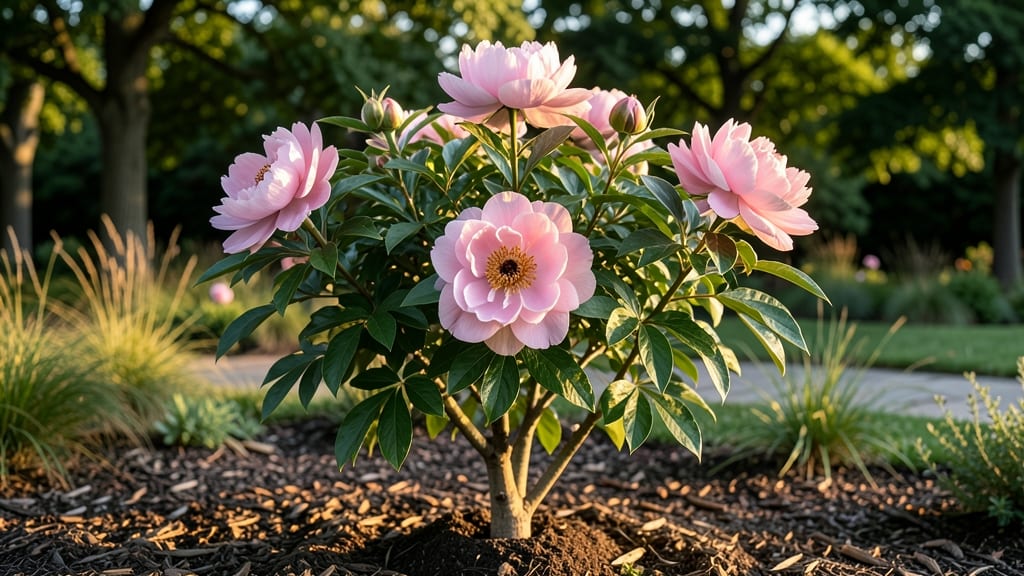
Tree peony height can reach 3 to 4 feet at maturity, but with the right pruning, you can shape it to fit your garden’s vision—whether that’s a towering centerpiece or a neatly trimmed border.
If your tree peony is towering over your garden like an unruly giant, you’re not alone—controlling its height naturally through pruning can restore balance while preserving its breathtaking blooms.
The key to managing tree peony height lies in understanding its growth habits. Most varieties grow 1 to 2 feet per year, but factors like sunlight, soil quality, and pruning techniques can influence how tall they become.
In this guide, you’ll learn how to prune strategically, choose the right location for dwarf varieties, and keep your tree peony 🌸 thriving at the perfect height for your space.

How tree peony height develops: understanding growth patterns
Tree peonies (Paeonia suffruticosa) are stunning shrubs that can reach impressive heights, but their growth patterns vary widely based on variety, care, and environment.
Unlike herbaceous peonies that die back annually, tree peonies grow woody stems that accumulate year after year, leading to their towering presence in mature gardens. Understanding these growth habits helps you anticipate their size and plan accordingly.
The mature height of a tree peony typically ranges between 5 to 8 feet, though some varieties can exceed this. Dwarf varieties, however, stay between 2 to 4 feet, making them ideal for smaller gardens or container growing.
The key to managing height lies in recognizing how their root systems and seasonal growth cycles influence vertical expansion.
Root systems play a crucial role in determining how tall your tree peony will grow. Deep, extensive roots anchor the plant and support its height, while shallow roots may limit vertical growth. In well-draining soil with ample nutrients, roots spread aggressively, fueling rapid upward growth. Conversely, compacted or poor-quality soil can stunt height development.
Seasonal growth cycles also dictate how quickly your tree peony reaches its mature height. In spring, new shoots emerge from the woody stems, growing rapidly until summer. By late summer or early fall, growth slows as the plant prepares for dormancy.
This cycle repeats annually, with each year adding to the plant's height and structural complexity.
One common question gardeners ask is why their tree peony seems to grow taller than expected. Often, this happens because the plant is not pruned regularly or is planted in ideal conditions with abundant sunlight and nutrients.
Tree peonies naturally grow taller when they receive uninterrupted energy from photosynthesis, leading to vigorous upward expansion.
If you're working with a dwarf variety, such as 'Duchesse de Nemours' or 'Karl Rosenfield,' expect a more compact growth habit. These varieties are bred to stay shorter, typically between 2 to 3 feet, making them perfect for borders or foundation plantings.
In contrast, standard varieties like 'Shin-Shu' or 'Bai Taohong' can easily reach 6 to 8 feet, requiring more space and strategic placement.
Another factor influencing height is the age of the plant. Young tree peonies grow slowly, often adding only a few inches per year. However, once they reach maturity—usually after 3 to 5 years—their growth accelerates significantly.
This is why many gardeners find their tree peonies suddenly towering over their garden beds after a few seasons.
To ensure your tree peony grows to a manageable height, focus on balanced care. Provide full sun, well-draining soil, and occasional pruning to shape its growth. Avoid over-fertilizing, as excess nutrients can encourage rapid, unchecked height increases. Instead, aim for a moderate feeding schedule to support healthy, controlled growth.
By understanding these growth patterns, you can anticipate how your tree peony will develop and plan accordingly. Whether you're designing a garden with height restrictions or simply want to enjoy its stunning blooms without it dominating your space, knowledge is your best tool for managing tree peony height naturally.
Step-by-step pruning techniques to limit tree peony height
Pruning your tree peony (Paeonia suffruticosa) is the best way to control its height while keeping those show-stopping blooms intact. The key is timing and technique—cut at the wrong time, and you risk stunting growth or reducing next year’s flowers.
I’ve pruned my own tree peonies for years, and I’ve learned that late summer to early fall is the ideal window for height management without harming the plant.
Before you grab your pruners, remember this rule: never remove more than 1/3 of the stems in a single pruning session. Tree peonies store energy in their roots, and aggressive cuts can weaken the plant.
Instead, focus on selective pruning—targeting the tallest, leggiest stems while preserving the structure that supports those luxurious spring blooms.
You’ll need: sharp bypass pruners, rubbing alcohol (for sterilizing), and a pruning saw for thicker branches. Always sterilize your tools between cuts to prevent disease spread. I like to work on a dry, sunny day when the plant is actively growing but hasn’t yet entered dormancy.
How to Prune for Controlled Height
- Step 1: Identify stems to prune
Look for tall, weak stems with fewer buds. These are the ones contributing least to blooms. Keep stems with 3+ buds—these will produce flowers next year.
- Step 2: Cut at the right angle
Make cuts 1/4 inch above a bud or branch junction. Angle cuts 45 degrees downward to prevent water pooling. Use a clean, sharp cut to avoid tearing.
- Step 3: Remove dead or crossing branches
Eliminate any dead wood or branches rubbing together. This improves airflow and reduces disease risk. Focus on vertical growth first to control height.
- Step 4: Thin out crowded stems
If stems are too close together, prune the weakest ones. Aim for 5-7 healthy stems per plant for optimal bloom production and airflow.
- Step 5: Clean up and sterilize
Wipe pruners with rubbing alcohol between cuts. Remove all clippings from the base to prevent fungal growth. Mulch around the plant afterward to protect roots.
After pruning, your tree peony will focus energy on remaining stems, producing larger, healthier blooms next spring. I’ve seen my own peonies go from unruly 6-foot monsters to well-shaped 4-foot shrubs in just two years using this method.
The key is patience—never prune more than 1/3 in one season, and always prioritize bloom-producing stems.
For dwarf varieties, you’ll need to prune even more selectively—focus on shaping rather than height reduction. These peonies often bloom on older wood, so avoid heavy cuts.
If your goal is simply to shape the plant, prune lightly in early spring instead, but this won’t reduce height as effectively.
Finally, resist the urge to prune in late fall or winter. This can expose the plant to cold damage and reduce next year’s blooms. Stick to late summer/early fall, and your tree peony will thank you with years of vibrant, controlled growth.