
Flowers
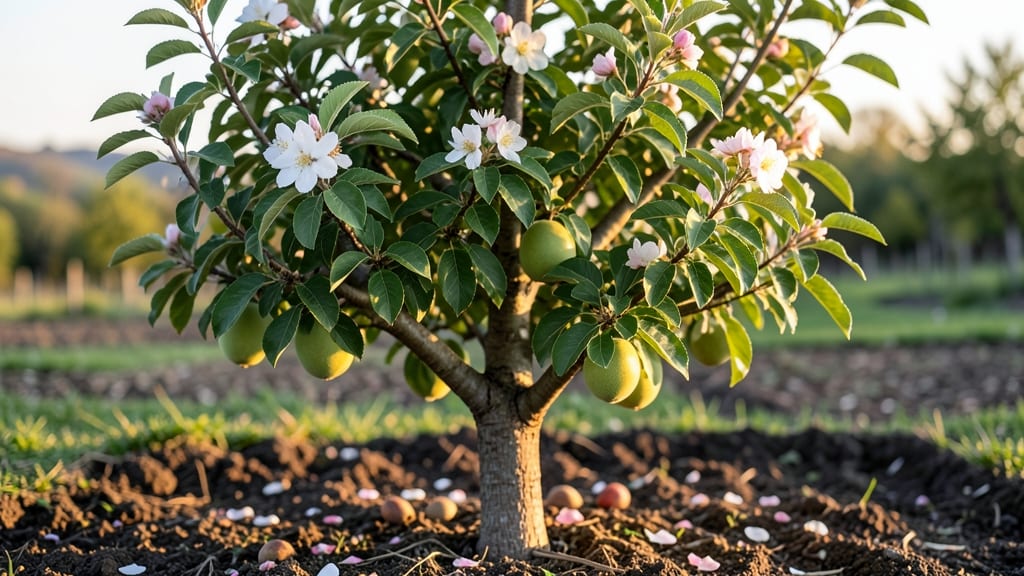
Peach tree flowers do turn into fruit when properly pollinated, exposed to sufficient sunlight, and given consistent care. Each blossom cluster can develop into 1-3 peaches if fertilization occurs successfully.
This transformation starts when bees or wind carry pollen between flowers, triggering fertilization. 🌸 Without this step, blossoms drop off without forming fruit. Temperature also plays a role—ideal fruit development happens when daytime highs reach 75-85°F and nights stay above 55°F.
I've seen some gardeners hand-pollinate flowers in early spring when bee activity is low, which can dramatically increase fruit set.
Even with perfect pollination, not every blossom will produce fruit. Peach trees naturally drop 50-70% of their blossoms in a process called "June drop," conserving energy for the remaining fruit.
The key to maximizing your harvest lies in maintaining balanced soil nutrients, especially nitrogen and potassium, while avoiding overwatering during bloom time.
💡 In This Article
- How Peach Blossoms Develop Into Fruit
- Optimizing Peach Tree Fruit Set for Maximum Yield
How peach blossoms develop into fruit
The transformation from peach blossom to fruit begins with a delicate biological process called pollination. When bees or wind transfer pollen from the male anthers of one flower to the female stigma of another, it triggers fertilization.
Inside the ovary, pollen tubes grow down to the ovules, where sperm cells unite with egg cells. This union creates the seed, which then signals the surrounding tissue to develop into the fruit's flesh. Without this fertilization, blossoms simply wilt and fall off within 7-14 days.
Temperature acts as a critical regulator in this process. Peach blossoms require daytime highs of 75-85°F and nighttime lows above 55°F for optimal pollen germination and tube growth. Below 50°F, pollen tubes grow poorly, while above 90°F, they can become desiccated.
Sunlight also plays a dual role: it provides the energy for photosynthesis that fuels fruit development while also warming the blossoms to accelerate pollination. A mature peach tree needs 6-8 hours of direct sunlight daily for successful fruit set.
Here's where things get interesting: peach trees are self-pollinating but benefit from cross-pollination. While a single tree can produce fruit, nearby trees increase yields by 20-30% through genetic diversity.
The blossoms' structure also matters - each cluster contains 2-5 individual flowers, but only 1-3 will typically develop into fruit due to resource competition. This natural limitation explains why you rarely see peach trees bearing dozens of fruit per branch.
What most gardeners don't realize is the June drop phenomenon. About 50-70% of fertilized blossoms will naturally abort 4-6 weeks after pollination. This isn't failure - it's the tree's way of conserving energy for the remaining fruit, which will grow larger and healthier.
The drop occurs when the tree senses it can't support all developing fruit, prioritizing quality over quantity. You'll notice small peaches forming, then falling off as larger ones continue growing.
Fruit development then enters its most visible stage: cell division and expansion. The fertilized ovule becomes the seed while surrounding tissues develop into the mesocarp (the edible flesh). During this 6-8 week period, the peach grows from a marble-sized pit to its full size.
The tree's vascular system transports water, sugars, and nutrients to the developing fruit, with potassium playing a crucial role in cell wall formation and calcium preventing disorders like brown heart.
By understanding these stages, you can troubleshoot common issues. For example, if you see blossoms setting fruit but then dropping prematurely, it might indicate nutrient deficiency (especially nitrogen or potassium) or water stress.
Similarly, small peaches that remain hard after 100 days often signal poor pollination or temperature stress during critical development periods. 🌱