
Diseases
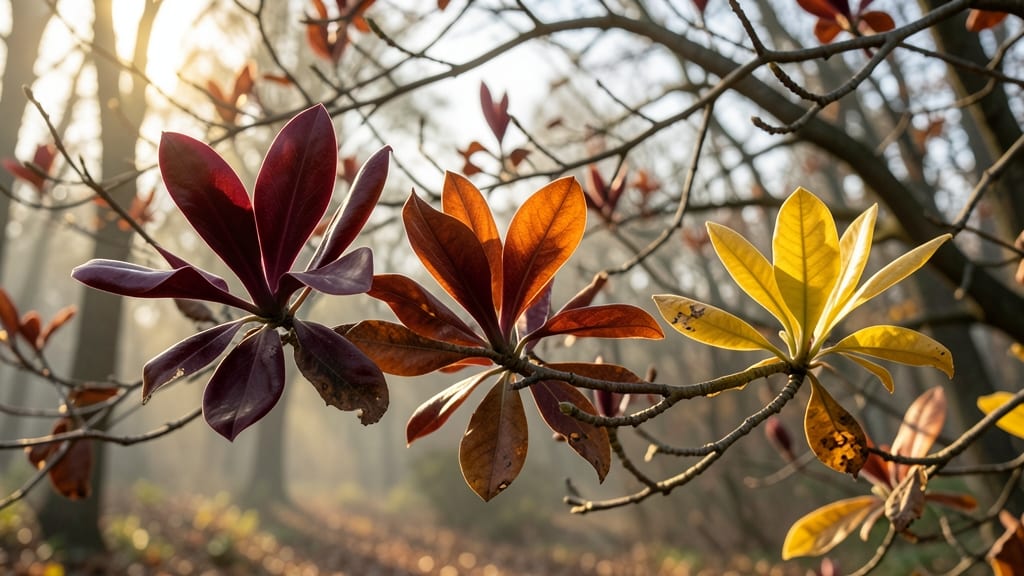
Fall magnolia leaves reveal more than just seasonal color—they’re silent indicators of tree health. Learn to identify these 10 distinct leaf patterns and spot 5 common diseases before they spread, saving your tree’s beauty and longevity.
Deep Purple Fall Foliage on Southern Magnolia
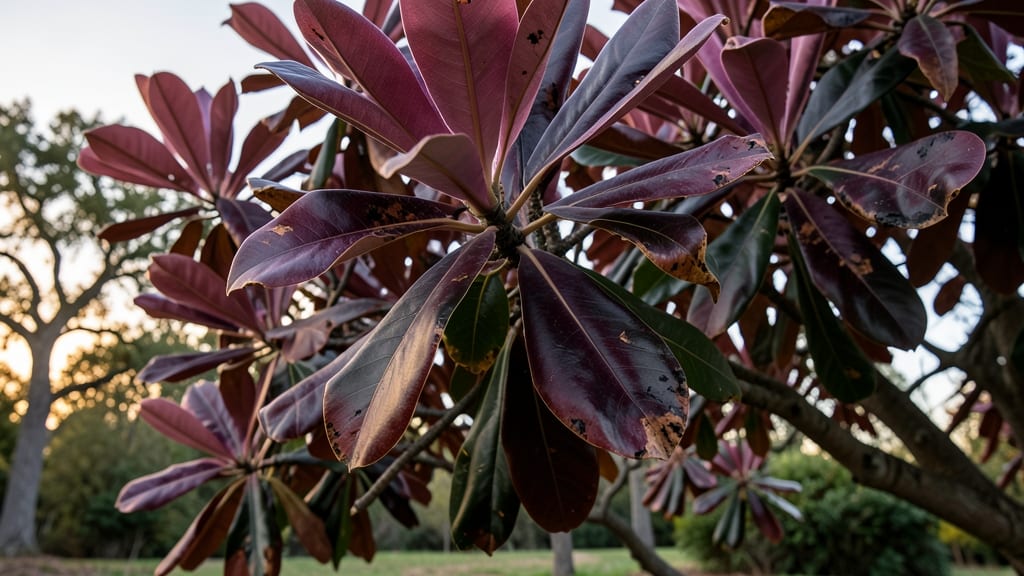
That stunning deep purple blush on your Southern magnolia leaves isn’t just autumn flair—it’s a late-season energy boost. This dramatic color shift happens as chlorophyll breaks down, revealing anthocyanins, but watch for dark brown patches lurking among the purple.
Those brown spots could signal fungal leaf spot, which thrives in fall’s damp conditions. Prune infected leaves immediately and apply a copper fungicide to prevent spread. Southern magnolias are tough, but fungal infections weaken their winter resilience.
Gardeners in humid climates should monitor leaves weekly in October—early action keeps your tree thriving through winter. 💚
Yellowing Edges on Star Magnolia Leaves
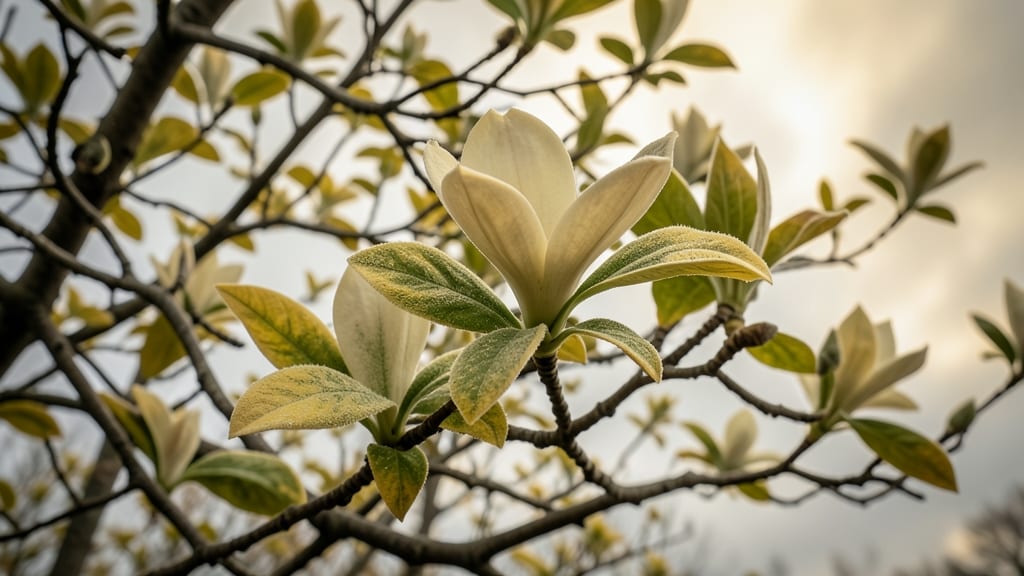
Your star magnolia’s leaves turning yellow at the edges might be a natural part of fall’s transition—but it could also signal powdery mildew, a fungal foe that loves damp autumn air. Unlike the bold purple hues of Southern magnolias, star magnolias often fade gradually, making it tricky to spot early signs of disease.
Check the leaf undersides for a fine white powder—this is powdery mildew’s calling card. If you find it, improve air circulation by pruning dense branches and water early in the day to keep foliage dry. For organic control, spray a baking soda solution (1 tsp baking soda + 1 quart water + a drop of dish soap) weekly until new growth appears.
This distinction matters most for gardeners in humid climates, where powdery mildew spreads fastest. Catching it early means your star magnolia can bloom beautifully next spring. ✨
Blackened Spots on Saucer Magnolia Leaves
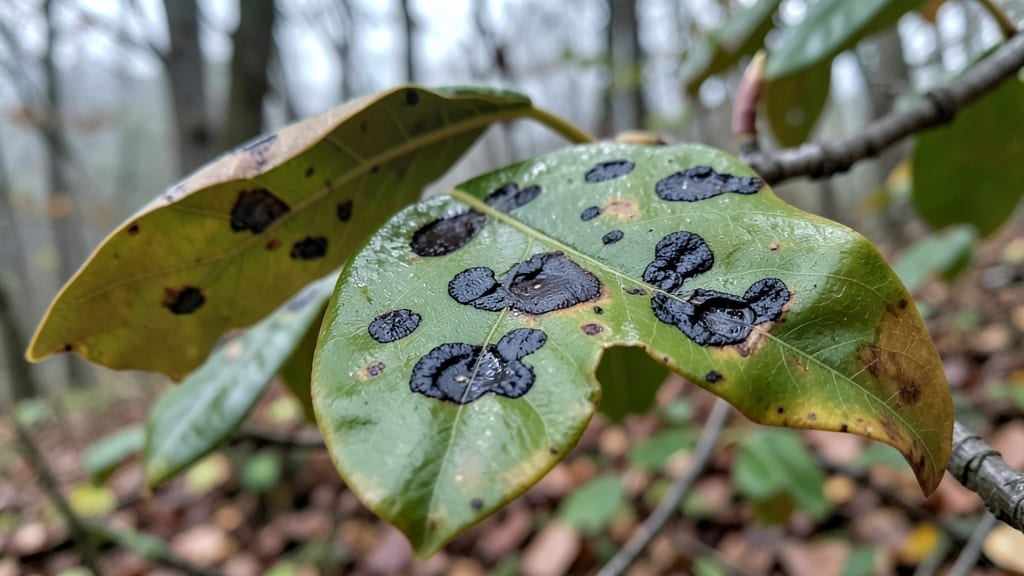
If your saucer magnolia leaves are developing black, tar-like spots, don’t panic—this is likely anthracnose, a fungal disease that thrives in the damp, cool conditions of autumn. These spots often appear as irregular, sunken patches that can merge over time, giving leaves a ragged, unhealthy look.
To combat anthracnose, prune infected leaves immediately and dispose of them in the trash (not your compost). Improve air circulation around your tree by thinning nearby branches, and avoid overhead watering. A copper fungicide spray applied in early fall can also help prevent spores from spreading, especially if your area has had recent rain.
This disease is particularly common in wet autumns, making it a seasonal concern for gardeners in humid climates. Early action now can save your magnolia’s foliage next spring. 💚
Premature Leaf Drop in Little Gem Magnolias
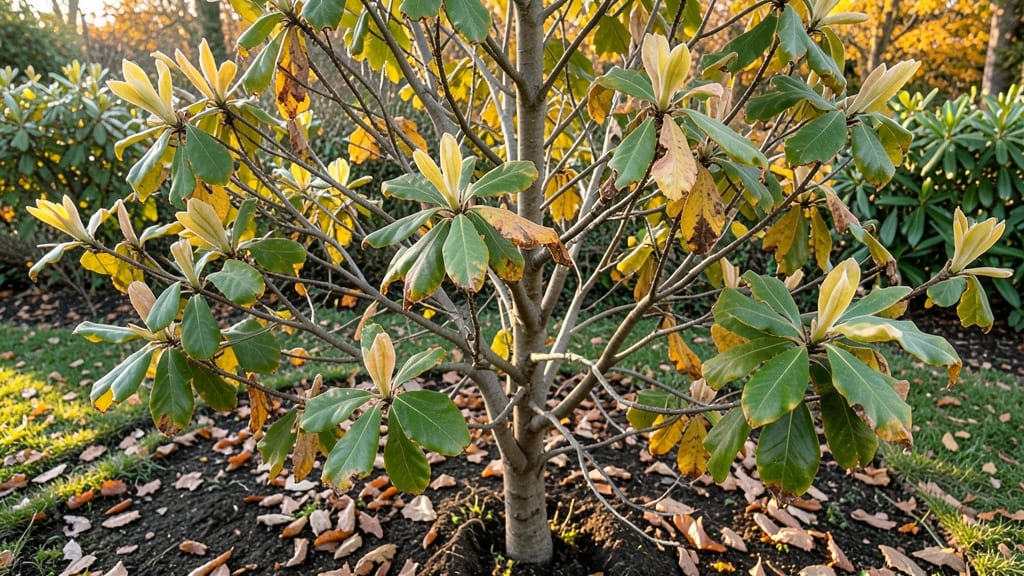
If your Little Gem magnolia is shedding leaves earlier than expected, don’t assume it’s just fall—this could signal serious stress. Unlike other magnolias, this compact variety is particularly sensitive to drought conditions and bacterial leaf scorch, which causes leaves to crisp at the edges before dropping.
Check for brown, papery edges on remaining leaves, a key sign of bacterial leaf scorch. If your tree is in a hot, dry microclimate, increase watering to 1-2 inches per week (deeply, not frequently) and mulch heavily to retain moisture. For bacterial scorch, prune infected leaves immediately and consider a copper fungicide spray in early spring.
This issue is especially critical for urban gardeners with limited space—Little Gems are prized for their compact size but need consistent care to maintain their signature dense foliage. 🌿
Reddish-Brown Mottling on Sweet Bay Magnolia
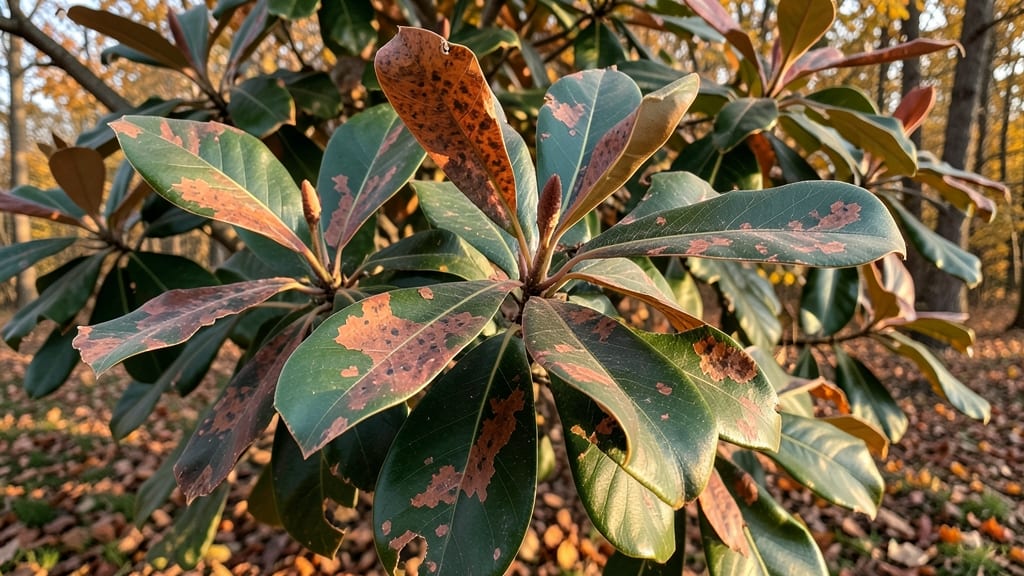
If your Sweet Bay Magnolia leaves are developing irregular reddish-brown patches, don’t dismiss it as just fall color—this could be a cry for help from your tree. These distinctive patterns often point to magnesium deficiency or tiny spider mite infestations, both of which become more common as temperatures drop.
Start by checking the leaf undersides for fine webbing, a telltale sign of spider mites. If mites are the culprit, a strong spray of water can dislodge them, while neem oil applied in late fall provides residual protection. For magnesium deficiency, amend the soil with Epsom salt (1 tablespoon per gallon of water) or use a slow-release magnesium fertilizer in early spring.
This issue is particularly common in urban gardens where soil is often depleted, or in containers where roots compete for nutrients. Addressing it now ensures your fragrant, evergreen magnolia stays healthy through winter. 🌿
Curling Leaves on Jane Magnolia Varieties
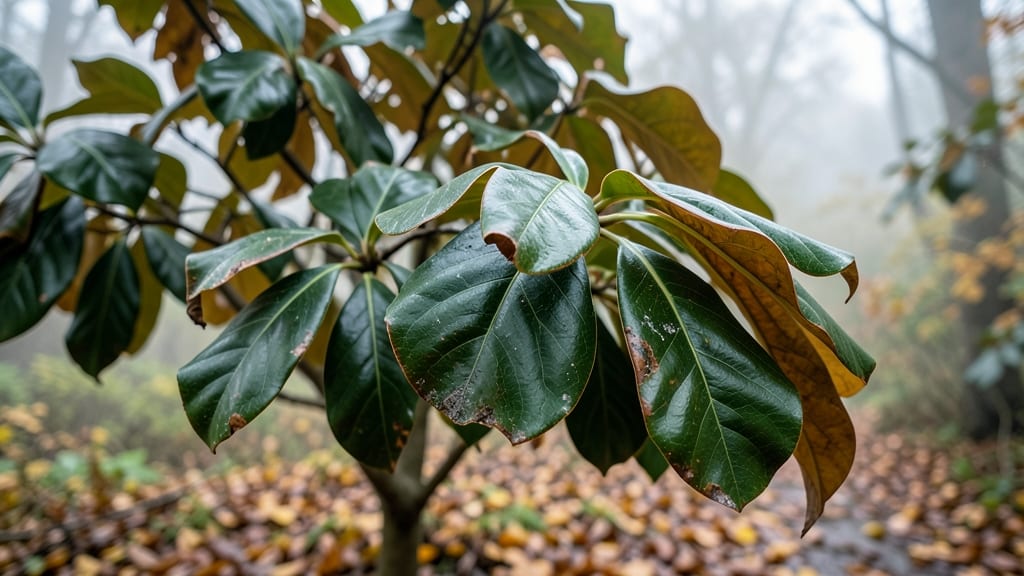
If your Jane magnolia leaves are curling upward like a defensive shield, don’t panic—this could be a sign of leaf blight, a fungal infection that thrives in the cool, damp autumn weather these trees love. Unlike normal fall color changes, this curling is the tree’s way of protecting itself from spreading damage.
The key to stopping the spread is early action. Remove and destroy infected leaves immediately to prevent spores from overwintering. Improve air circulation around the tree by pruning dense branches and avoid overhead watering, which keeps leaves damp longer. A copper fungicide spray applied in early fall can also create a protective barrier against future outbreaks.
Gardeners in humid climates or those with dense plantings should monitor Jane magnolias closely during autumn. With the right care, you can help your tree bounce back and keep its signature beauty intact. 🌿
White Fuzzy Growth on Annabelle Magnolia
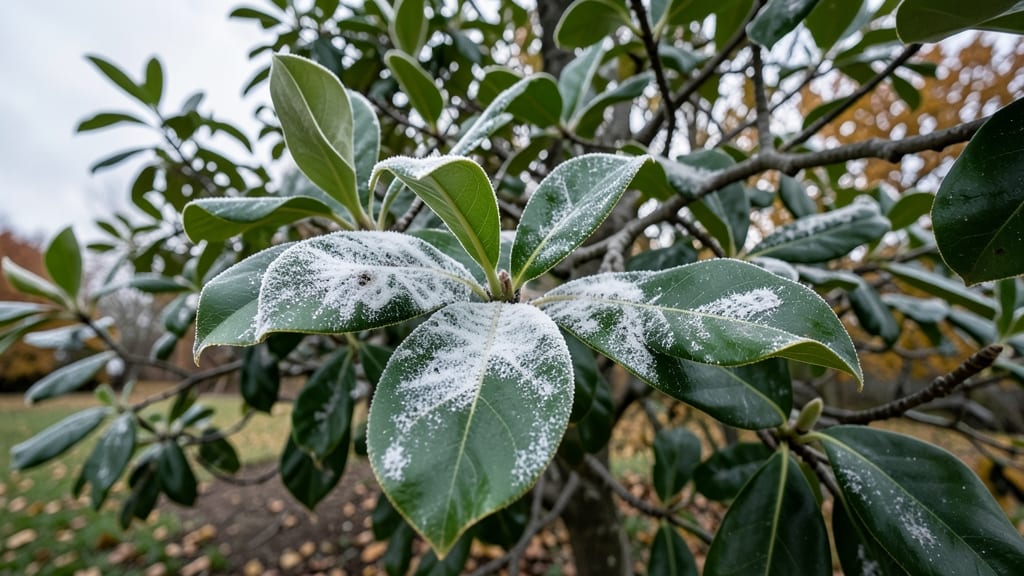
If your Annabelle magnolia suddenly sports a white, fuzzy coating on its leaves, don’t panic—it’s not spider webs or dust. This classic powdery mildew thrives in fall’s humid conditions, creating a cottony film that weakens the tree’s ability to photosynthesize and store energy for winter.
Act fast by pruning infected leaves (sterilize tools with rubbing alcohol) and improving airflow around the tree. Neem oil or a baking soda spray (1 tsp baking soda + 1 quart water + drop of dish soap) applied every 7-10 days can halt its spread. Avoid overhead watering, which fuels the fungus, and consider a reflective mulch to reduce leaf moisture.
This disease is especially tricky for Annabelle magnolias because their dense growth creates ideal hiding spots for spores. Gardeners in humid climates should monitor their trees weekly during fall—early intervention means the difference between a few unsightly leaves and a weakened tree struggling through winter. 🌿
Brown Leaf Tips on Loebner Magnolias
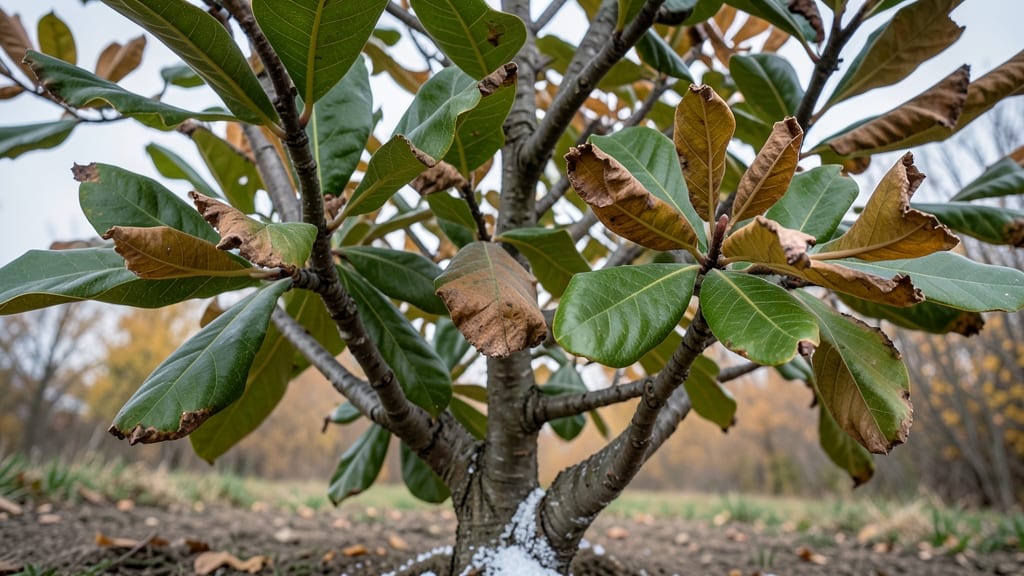
If your Loebner magnolia leaves are developing brown, brittle tips this fall, don’t assume it’s just normal aging—this could be a cry for help from your tree. Unlike other magnolias that show dramatic fall colors, these crispy edges often point to salt damage from winter de-icing or a potassium deficiency, both of which weaken the tree’s resilience.
First, check your tree’s location: salt buildup from road treatments can accumulate in soil over time, especially in urban or suburban gardens. If that’s the case, flush the root zone with water to dilute the salt. For potassium deficiency, apply a balanced fertilizer (like 10-10-10) in early spring to rebuild nutrients before new growth begins. Prune only the most affected leaves to reduce stress.
This issue is especially critical for urban gardeners or those in snowy climates, where salt damage is more common. Addressing it now prevents winter decline and ensures your magnolia blooms beautifully next spring. 💡
Holes and Tattered Edges on Evergreen Magnolias
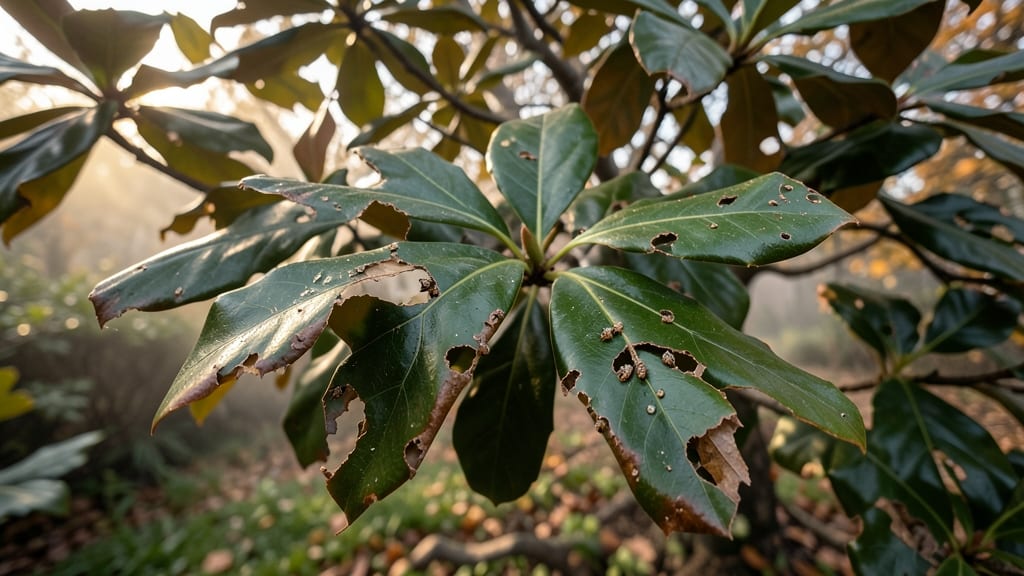
If your evergreen magnolia leaves look like they’ve been chewed by a hungry critter—think irregular holes and tattered edges—you’re likely dealing with magnolia scale or lace bugs, two pests that peak in fall before winter. These insects don’t just ruin the look of your tree; they weaken it by sucking out sap, leaving behind a skeletonized mess that’s hard to miss.
To confirm the culprit, flip the leaves and check for tiny, armored scale insects (magnolia scale) or lace-like bugs hiding underneath. Both thrive in dry, warm fall conditions, so act fast. Start with a strong spray of water to dislodge them, followed by neem oil or insecticidal soap for a chemical-free fix. For severe infestations, repeat treatments every 7–10 days until the pests are gone.
This is especially critical for homeowners with mature evergreen magnolias, as these pests can quickly spread to nearby plants. Early intervention now means healthier leaves—and a stronger tree—come spring. 🌿
Healthy Fall Color Patterns to Compare

Magnolia leaves in autumn paint a stunning palette—but not all color shifts are created equal. Healthy magnolias display golden yellows, burnt oranges, or deep burgundies, while diseased leaves often show irregular brown patches or premature yellowing. Knowing the difference helps you protect your tree before winter sets in.
For example, Southern magnolias typically turn rich purple, while Star magnolias may fade to soft yellow. Healthy leaves also maintain their shape—no curling, spotting, or crispy edges. Compare your tree’s fall colors to these natural patterns: vibrant hues with no dark streaks or powdery residue are a good sign. If you spot unusual discoloration, check the undersides of leaves for fungal signs or pests.
This visual guide is perfect for new magnolia owners or gardeners who want to catch issues early. A quick leaf inspection now could save your tree from winter stress or disease. 💚