
Pruning
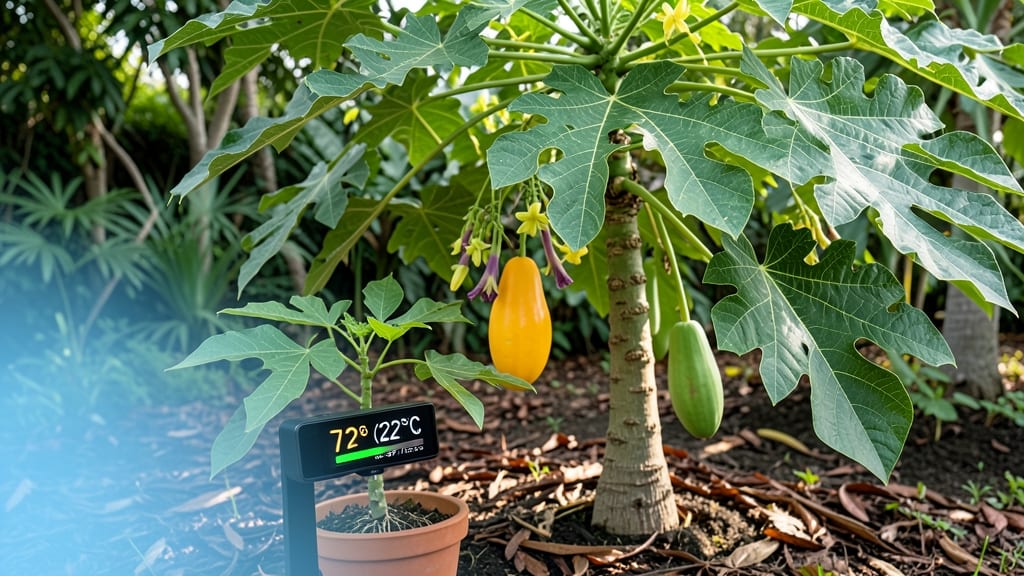
Papaya trees thrive in warmth but wilt in cold snaps—here’s how to keep yours happy year-round. 🌴 The papaya tree’s temperature tolerance is the secret to their success: they adore 80-90°F days but struggle in 50°F nights, and the difference comes down to shelter, timing, and a few clever tricks for marginal climates.
I’ve watched papayas struggle in 50°F nights and flourish in 80-90°F days, and the difference comes down to shelter, timing, and a few clever tricks for marginal climates.
The key is mimicking their tropical roots: 60°F minimum for survival, 75-85°F optimal for fruit production, and never below 50°F for more than a few hours. In zones 10-12, they’re outdoor stars; in cooler areas, they need winter protection or container moves indoors.
My zone 9 papaya survives winters in a greenhouse with row covers—no fancy tech, just breathable fabric.
You’ll spot stress fast: yellowing leaves mean chilly nights, while dropped fruit signals heat shock. Prune leggy growth in spring to focus energy on roots, and mulch heavily to insulate soil.
Even in tough climates, container growing lets you bring them inside before frost—just keep soil slightly damp and lights on for 12 hours a day.
For subtropical gardeners, microclimates are your best friend: south-facing walls, black plastic mulch, and drip irrigation all help. Zone 8 growers? Try dwarf varieties like ‘Solo’—they handle cooler temps better than standard types. The payoff? Sweet, ripe papayas twice a year instead of none.
📚 In This Guide
- What you need
- Instructions
- Tips and common mistakes
- Wrapping up and next steps
What you need
- ● Papaya Seeds or Saplings: 1-3 (choose cold-hardy varieties like Carica papaya ‘Solo’ or ‘SunUp’ for milder zones).
- ● Well-Draining Soil: 5-10 gallons of a mix of 60% potting soil, 30% perlite, and 10% compost (pH 6.0–7.0).
- ● Container or Garden Bed: Container: 1 large pot (15+ gallons) with drainage holes (for zones 9-11).
- ● Garden Bed: Full sun (6+ hours/day) in zones 10-12; partial shade (4+ hours) in zones 9 or cooler.
- ● Fertilizer: Balanced organic fertilizer (10-10-10) or citrus-specific granules (1 tbsp per plant, monthly during growing season).
- ● Mulch: 2–3 inches of straw or wood chips to retain moisture and moderate soil temp.
- ● Hand Trowel & Pruners: 1 each (sterilized with rubbing alcohol).
- ○ Thermometer: Soil probe thermometer (optional but helpful for zones 9-10 to monitor temps below 50°F).
- ● Row Cover or Frost Blanket: 1 lightweight cover (for zones 8-9 during unexpected cold snaps).
- ● Grow Lights: 1-2 LED full-spectrum bulbs (for indoor papayas in zones <9).
- ● Humidity Tray: 1 (to maintain 60-70% humidity for seedlings).
Understanding papaya tree temperature tolerance: zone-specific care essentials
Here's how to keep your papaya tree thriving through temperature shifts—whether you're in a tropical paradise or pushing its limits in cooler zones.
🌡️ Step 1: Identify Your Hardiness Zone and Papaya's Natural Range
Papayas (Carica papaya) originate from tropical regions where temperatures stay between 68-95°F year-round. They thrive in USDA Zones 10-12, where frost is nonexistent and humidity remains high. Outside these zones, growth slows dramatically below 55°F, and temperatures below 32°F will kill the plant outright.
Check your local climate data—papayas need at least 200 frost-free days annually to fruit successfully. In cooler zones (8a-9b), treat papayas as tender perennials or grow them in containers for winter relocation. I've seen papayas survive brief dips to 40°F with protection, but prolonged exposure below 50°F causes irreversible damage.
☀️ Step 2: Adjust Light and Temperature for Zone-Specific Growth
In Zones 10-12, papayas grow outdoors year-round with full sun exposure (6+ hours daily). The key is maintaining even daytime highs of 80-90°F—too much heat above 95°F stresses the plant, while temperatures below 65°F stunt growth. Use shade cloth (30-50%) during peak summer afternoons if your zone experiences 100°F+ temperatures to prevent leaf scorch.
For Zones 8-9, grow papayas in containers and move them indoors during winter. Place them near south-facing windows where they receive bright, indirect light (supplement with grow lights if natural light drops below 12 hours daily). Maintain indoor temperatures above 60°F—below this, new growth halts completely.
❄️ Step 3: Prepare for Cold Snaps and Frost Protection
When nighttime temperatures dip toward 50°F, take preventive action. Cover young plants with frost cloth (not plastic—it traps moisture and causes rot) and use heat lamps if temperatures threaten to drop below 45°F. I've used Christmas lights wrapped around containerized papayas to provide gentle radiant heat during cold snaps.
For Zones 7 and below, treat papayas as annuals or overwinter them indoors. Before the first frost, bring potted plants inside and reduce watering to prevent root rot from increased humidity. Place them in a sunroom or greenhouse where temperatures stay above 55°F—any colder, and the plant will go dormant and likely die.
🌱 Step 4: Monitor Humidity and Airflow for Temperature Resilience
Papayas thrive in 60-80% humidity—critical for their tropical nature. In dry climates (like Zone 10b), mist leaves daily or use a humidifier near indoor plants. Low humidity below 40% causes leaf edges to brown, even at optimal temperatures. I've found that drip irrigation (rather than overhead watering) helps maintain soil moisture without increasing humidity stress.
Ensure good airflow—papayas hate stagnant air, which promotes fungal diseases like powdery mildew. Use oscillating fans on low speed (500-1000 RPM) near plants to mimic tropical breezes. This isn't just for temperature regulation; it strengthens stems and prevents heat stress during 90°F+ days.
⏰ Step 5: Seasonal Care Adjustments for Long-Term Survival
In spring and fall, when temperatures fluctuate, papayas enter a transitional phase. Gradually acclimate them to outdoor conditions over 2-3 weeks before moving them outside in spring. Watch for new leaf growth—this signals the plant is adjusting. If growth stalls below 65°F, move them back indoors temporarily.
During summer, increase watering frequency but never let soil stay soggy—papayas prefer moist but well-drained conditions. In winter, reduce watering to every 10-14 days and fertilize lightly with a balanced 10-10-10 mix to support minimal growth. The goal is to keep the plant just alive, not actively growing, until spring warmth returns.
Tips & tricks for thriving papaya trees across temperature zones
These essential insights will help you navigate the delicate balance of temperature management for your papaya tree—whether you're battling heatwaves or protecting against frost.
Zone-Specific Temperature Fine-Tuning: In Zones 10-12, where papayas naturally thrive, maintain daytime temperatures between 80-90°F—this is their ideal growth range. If your zone experiences 100°F+ afternoons, use 30-50% shade cloth during peak sun hours to prevent leaf scorch while still providing the 6+ hours of full sun they need daily. The key is creating that perfect microclimate where temperatures stay within the 68-95°F comfort zone.
Cold Snap Survival Strategies: When nighttime temperatures approach 50°F, your papaya tree is at risk. I've found that frost cloth (not plastic) is your best defense—it allows airflow while blocking cold winds. For containerized plants, wrap Christmas lights around the pot for gentle radiant heat if temperatures threaten to drop below 45°F. This simple trick has saved my plants during unexpected cold snaps in Zone 9.
Humidity and Airflow Balance: Papayas despise stagnant air, which is why I always keep an oscillating fan running at 500-1000 RPM near my plants. This mimics tropical breezes and prevents fungal diseases like powdery mildew. In dry climates (like Zone 10b), maintain 60-80% humidity by misting leaves daily or using a humidifier—low humidity below 40% causes leaf edges to brown even at optimal temperatures.
Seasonal Transition Mastery: During spring and fall, when temperatures fluctuate, gradually acclimate your papaya to outdoor conditions over 2-3 weeks. Watch for new leaf growth as your signal—the plant is adjusting. If growth stalls below 65°F, move it back indoors temporarily. This gradual transition prevents shock and helps maintain consistent growth throughout the year.
Pro Tips for Papaya Tree Temperature Tolerance
- These essential insights will help you navigate the delicate balance of temperature management for your papaya tree—whether you're battling heatwaves or protecting against frost.
- Zone-Specific Temperature Fine-Tuning: In Zones 10-12, where papayas naturally thrive, maintain daytime temperatures between 80-90°F—this is their ideal growth range.
- Cold Snap Survival Strategies: When nighttime temperatures approach 50°F, your papaya tree is at risk.
Frequently asked questions
Got questions about keeping your papaya tree happy in different temperatures?
Here are some of the most common concerns—and straightforward answers to help you troubleshoot and thrive!
What temperature range is ideal for papaya trees?
Papaya trees thrive in warm climates between 70°F and 85°F (21°C–29°C). They can tolerate brief dips to 50°F (10°C), but prolonged cold (below 40°F/4°C) risks leaf damage or death. If you’re in a cooler zone, grow them in containers and bring them indoors during winter!
Can papaya trees survive frost or light freezes?
No, papaya trees are highly sensitive to frost. Even a light freeze (<32°F/0°C) can kill young trees or damage leaves permanently. If frost is forecasted, cover young plants with frost cloth or move potted trees to a sheltered spot. Older trees may recover, but fruit production will suffer. Better safe than sorry!
How do I grow papaya trees in cold climates (Zones 9 and below)?
In cooler zones, container growing is your best bet. Use a large pot with drainage, and move it indoors (near a sunny window or grow light) when temps drop below 50°F (10°C). Alternatively, plant in a greenhouse or use row covers for extra warmth. Choose cold-hardy varieties like ‘Solo’ if available.
Why are my papaya tree leaves turning yellow or brown in heat?
Yellowing or brown leaves in heat often signal heat stress or sunburn. Provide afternoon shade (especially in zones with intense sun) and ensure consistent watering (deep but infrequent). Mulch the base to retain moisture, and avoid fertilizing during extreme heat. If leaves crisp, trim damaged foliage to encourage new growth.
How do I harden off a papaya tree for cooler seasons?
To prepare for cooler weather, gradually reduce watering 2–3 weeks before the first chill and move potted trees to a shaded area during the day. Acclimate them to outdoor temps by placing them outside for a few hours daily, increasing time slowly. Avoid sudden temperature shocks!
Are there any temperature-resistant papaya varieties?
While no papaya is frost-proof, some varieties handle mild cool spells better than others. ‘Red Maradol’ and ‘SunUp’ are slightly more tolerant of cooler temps (down to ~55°F/13°C) but still need protection. For extreme cold, consider tropical alternatives like Carica pubescens (mountain papaya), though fruit quality may vary.
Wrapping up and next steps
Understanding your papaya tree’s temperature tolerance is the first step to nurturing a thriving tropical treasure! 🌴 Whether you’re in a warm USDA Zone 10-12 or experimenting with container gardening in cooler climates, the key is adaptation.
With the right care—like shade, mulching, or seasonal adjustments—your papaya can flourish even outside its native heat. Now that you’re armed with the knowledge, why not take the next step?
Start by monitoring your tree’s microclimate, adjust its environment, and watch it reward you with vibrant blooms and sweet fruit! 🌱