
Pruning
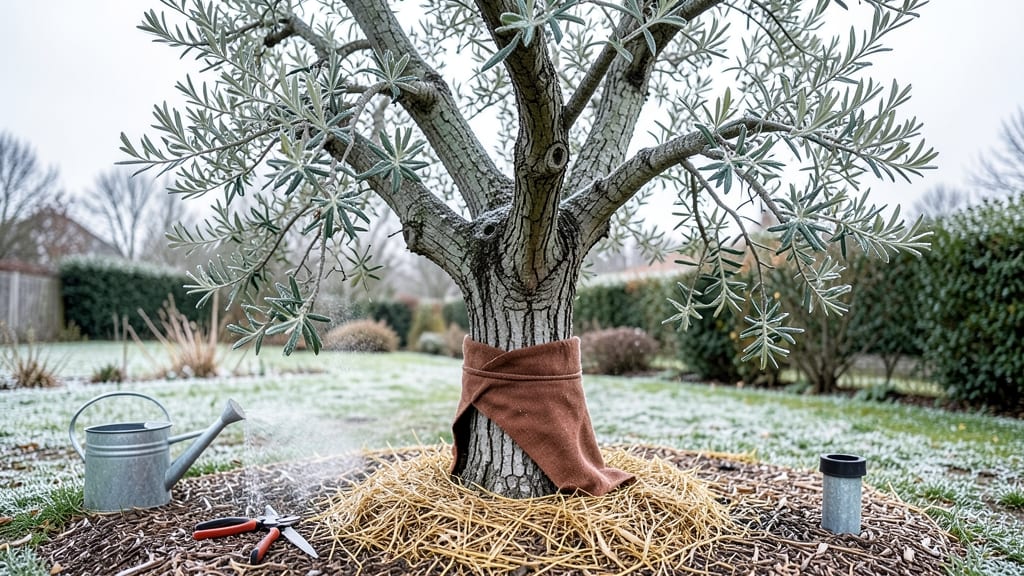
Winter olive tree care isn’t just about surviving frost—it’s about setting your tree up for vibrant spring growth and heavy harvests next year. ✂️ I’ve watched my own olive tree go from frost-bitten branches to lush, productive growth by mastering just a few winter adjustments, and I’ll show you how to do it without the guesswork.
The key is timing: prune after the first hard frost but before new buds swell in early spring. This removes damaged wood while leaving the tree’s energy reserves intact. Mediterranean olives hate cold snaps, so we’re not just trimming—we’re shaping the tree to bounce back stronger when warmer weather returns.
You’ll end up with a tree that looks neat and intentional, not hacked at randomly. The right cuts encourage airflow, which prevents future fungal issues, and the tree’s energy focuses on fruit production instead of repairing frost damage.
Even if you’ve never pruned before, this method is foolproof for olives. For colder climates, add a breathable frost cloth or mulch around the base to protect roots. Mediterranean olives? They’re tougher but still benefit from light pruning to remove dead wood. Let’s get your tree winter-ready!
📚 In This Guide
- What you need
- Instructions
- Tips and common mistakes
- Wrapping up and next steps
What you need
- ● Pruning shears: Sharp, bypass-style shears (for clean cuts) or loppers (for thicker branches). Size: 6–8 inches for small trees, 12–18 inches for mature branches.
- ● Pruning saw: Curved-tooth saw for large branches (20–24 inches). Quantity: 1.
- ● Disinfectant: 70% isopropyl alcohol or rubbing alcohol (1 small bottle).
- ○ Pruning sealant: Tree wound paint (optional but recommended for cuts > ½ inch). Quantity: Small jar.
- ● Gloves: Heavy-duty, cut-resistant gloves (1 pair).
- ● Work boots: Sturdy, ankle-supporting boots (1 pair).
- ● Ladder: Extension ladder (if tree is > 6 feet tall). Height: At least 2–3 feet taller than the tree.
- ● Trash bags: Heavy-duty bags (5–10 gallons) for debris. Quantity: 2–3.
- ● Reflective tape: For marking branches to trim (1 roll).
- ● Hand sanitizer: For quick cleanups between cuts.
- ● Mulch: Straw or wood chips (2–3 inches deep) to insulate roots.
- ● Frost cloth: Lightweight breathable fabric (if your region has hard freezes).
- ● Notebook/pencil: To log pruning notes (e.g., branch sizes, growth patterns).
Step-by-Step guide to winter-proof olive tree trimming
Here's how I prepare my olive trees for winter—keeping them healthy through frost while setting up strong growth for spring.
✂️ Step 1: Time Your Trim Precisely
Trim olive trees after the first hard frost but before sustained freezing temperatures below 20°F. This timing lets the tree enter dormancy naturally while avoiding late-season growth that won't harden off properly. I schedule my trimming for mid-to-late November in most climates—check your local frost dates to match.
Watch for leaves turning brown and dropping naturally. This signals dormancy is beginning. If you trim too early, new growth may sprout before winter and get damaged. If you wait too late, the tree's energy reserves will be depleted, making it vulnerable to cold stress.
🌿 Step 2: Prune for Structure and Airflow
Remove dead, diseased, or crossing branches first—these are your priorities. Use clean, sharp pruners to make 45-degree cuts just above outward-facing buds. Olive trees handle pruning well, but avoid cutting more than 25% of the canopy in a single season to prevent shock.
Focus on opening the center of the tree to improve airflow. Compact growth traps moisture and invites fungal diseases. Thin out branches that rub against each other—these wounds weaken the tree's resilience during winter. I like to step back every few cuts to visualize the tree's shape and ensure light can penetrate to the inner branches.
☀️ Step 3: Protect Vulnerable Areas
Wrap the trunk and major branches with tree wrap or burlap to shield them from sunscald (where winter sun warms the bark, then nighttime frost cracks it). Apply the wrap loosely—too tight and you'll restrict circulation. Extend protection 6-12 inches above and below the graft union if your tree has one.
For potted olives, move containers to a sheltered spot against a south-facing wall or under an overhang. If temperatures dip below 15°F, cover the pot with burlap or a frost blanket and add straw mulch around the base to insulate roots. Never let the soil freeze completely—olive roots are sensitive to cold shock.
💧 Step 4: Adjust Watering for Dormancy
Reduce watering gradually over 2-3 weeks before the first frost. Olive trees in dormancy need minimal moisture—water only when the top 2 inches of soil feel dry. Overwatering in winter leads to root rot, which weakens the tree's ability to bounce back in spring.
For container-grown trees, water every 3-4 weeks unless you're in a particularly dry climate. Check moisture by sticking your finger 1 inch deep into the soil. If it's damp, wait. If it's bone dry, give a light drink—just enough to moisten without soaking. Mulch the soil surface with 2-3 inches of straw to retain whatever moisture remains.
⏰ Step 5: Monitor and Maintain Through Winter
Check your tree weekly for signs of stress—peeling bark, oozing sap, or excessive leaf drop after dormancy. These are red flags for frost damage or disease. If you see brown, mushy spots on branches, prune those sections immediately and disinfect your tools with rubbing alcohol to prevent spread.
In extreme cold snaps (below 10°F), cover the entire tree with a breathable frost blanket secured loosely at the base. Remove it on warm days to prevent heat buildup. Olive trees are tough, but young trees or newly planted ones need this extra layer of protection. I've seen 10-year-old trees survive winters with just trunk wrap, but a 3-year-old sapling might need full coverage its first year.
Tips & tricks for perfect winter olive tree trimming
A few key strategies that'll help you navigate winter care without stressing your olive trees.
Timing is Everything: The window between the first hard frost and sustained temperatures below 20°F is your golden opportunity. I've learned this the hard way—trimming too early can spur late-season growth that won't harden off, while waiting too late risks depleting the tree's energy reserves. Check your local frost dates and confirm dormancy by looking for naturally dropping leaves. This visual cue is your best indicator that the tree is ready for pruning.
Pruning Precision: When making those 45-degree cuts in Step 2, focus on clean, angled cuts just above outward-facing buds. I always disinfect my pruners with rubbing alcohol between cuts to prevent spreading any potential diseases. Remember, olive trees can handle up to 25% canopy removal, but less is often better for first-time pruners. The goal is to open up the center—think of it like creating a well-ventilated attic for your tree.
Protective Layering: For the trunk wrap in Step 3, I recommend using a breathable material like burlap or tree wrap that allows for some flexibility. The key is to apply it loosely—tight wraps can actually restrict circulation and do more harm than good. Extend that protection 6-12 inches above and below any graft unions. For potted trees, that extra layer of straw mulch around the base makes a surprising difference in root insulation during those cold snaps below 15°F.
Winter Watering Wisdom: That gradual reduction over 2-3 weeks before frost is crucial. I've seen trees suffer from root rot when people continue watering on their regular schedule. For container trees, the "finger test" works perfectly—stick your finger 1 inch deep into the soil. If it's damp, wait; if it's bone dry, give just enough to moisten. That 2-3 inch layer of straw mulch helps maintain whatever moisture is there without encouraging overwatering.
Pro Tips for Olive Tree Care Winter
- A few key strategies that'll help you navigate winter care without stressing your olive trees.
- Timing is Everything: The window between the first hard frost and sustained temperatures below 20°F is your golden opportunity.
- Pruning Precision: When making those 45-degree cuts in Step 2, focus on clean, angled cuts just above outward-facing buds.
Frequently asked questions
When is the best time to prune olive trees in winter?
Prune olive trees in late winter or early spring—after the last frost but before new growth starts (typically February to March in most U.S. zones). This timing balances frost protection with early-season energy for regrowth. Avoid pruning in extreme cold (<20°F) or during active blooming.
How much can I trim my olive tree in winter without harming it?
Remove no more than 20-30% of the foliage in a single winter session to avoid stress. Focus on dead, diseased, or crossing branches first. For mature trees, prioritize structural shaping over heavy cuts—olives recover slowly from severe pruning. Thin out dense areas to improve airflow and sunlight penetration.
What if my olive tree gets frost damage after pruning?
Frost damage shows as blackened leaves or brown twigs. Don’t panic! Olive trees are resilient. Prune away only the fully dead wood (no green beneath the bark) in late winter. Water deeply if soil is dry, and avoid fertilizing until new growth appears. Most trees rebound with warm weather.
Can I prune olive trees in containers during winter?
Yes, but with extra caution. Container olives dry out faster and are more vulnerable to temperature swings. Prune lightly (10-15% max) and move pots to a sheltered spot (e.g., against a south-facing wall) to shield from wind. Use mulch around the base to insulate roots, and avoid overwatering—containers stay soggy longer in cold.
Are there any winter pruning mistakes I should avoid?
Skip these pitfalls:
- Pruning too late: Wait until after the worst cold snaps (check your local frost dates).
- Over-pruning: Heavy cuts stress trees and invite pests. Stick to selective trimming.
- Ignoring tools: Use sterilized, sharp shears to prevent disease spread.
- Pruning wet branches: Wait for dry weather to avoid fungal infections.
Wrapping up and next steps
Caring for your olive tree in winter doesn’t have to be a challenge—with the right frost-proof trimming techniques, you can set the stage for a thriving, productive tree year-round. 🌿 By pruning strategically, protecting against cold snaps, and nurturing its roots, you’re giving your olive tree the best chance to rebound strong in spring. Now’s the perfect time to take action! Grab your tools, follow the steps, and give your tree the love it deserves—your future harvest will thank you!
Next step: Schedule a quick winter check-in with your olive tree this weekend. A little effort now means lush growth and abundant olives later! 🌱✨