
Pests and Diseases
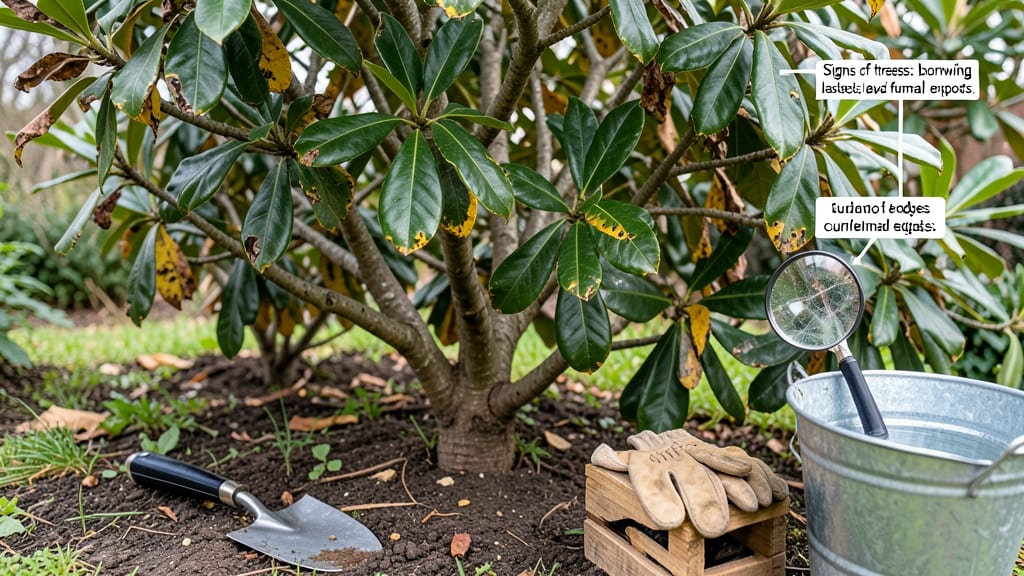
Your magnolia tree’s glossy green leaves turning brown and falling off isn’t just seasonal—it’s a cry for help. 🌿 I’ve seen this happen after years of ignoring subtle signs: dark spots, curled edges, or leaves clinging stubbornly before dropping.
The good news? Most cases are fixable with targeted action, not a tree surgeon’s bill.
Fungal blight, anthracnose, or even overwatering can mimic each other, but the clues are in the patterns. Brown spots with yellow halos? Likely fungal. Crispy edges with no spots?
Probably underwatering or salt buildup. I’ve saved trees by acting fast—pruning affected branches, adjusting watering, and applying the right fungicide before the problem spreads.
Within 2-3 weeks of proper care, new growth emerges with its signature deep green shine. The key is catching it early: test your soil, check for pests, and prune strategically. If the tree looks half-dead or oozes sap, call an arborist—some infections need professional intervention.
This method works for both Southern magnolias and star magnolias, whether you’re dealing with a mature specimen or a young tree. The same steps prevent future outbreaks, so you’ll enjoy those fragrant blooms for decades without the leaf drama.
Root Causes Behind Leaf Loss
When your magnolia tree’s leaves start turning brown and dropping prematurely, it’s usually a sign that something’s gone wrong beneath the surface—literally. Understanding the why behind this distress helps you take precise action before the problem spreads.
Below, we break down the most common culprits, from environmental stressors to hidden pests, with clear explanations of how they trigger leaf decline.
Magnolias thrive in humid, well-drained soil, but when temperatures soar or drought sets in, their leaves react dramatically. Here’s how it happens:
- Water Deficit: Magnolias have shallow roots that absorb moisture quickly. During prolonged dry spells, the tree can’t keep up with transpiration (water loss through leaves), causing marginal browning (edges turn crispy) and eventual leaf drop. Think of it like a wilting houseplant—only on a grander scale.
- Heat Stress: High temperatures (especially above 90°F/32°C) disrupt the tree’s chlorophyll production, leading to scorched, brown patches on leaf surfaces. Young leaves are particularly vulnerable.
- Soil Compaction: Heavy clay or compacted soil restricts root growth, making it harder for the tree to access water. Roots may even suffocate, triggering a stress response that sheds leaves.
💡 Pro Tip: Check the soil 2–3 inches deep—if it’s dry, water deeply once a week (not daily!). Mulch with 3–4 inches of organic matter (like wood chips) to retain moisture and regulate temperature.
Fungal diseases are the #1 cause of brown, crinkled, or prematurely falling magnolia leaves. These pathogens thrive in warm, humid conditions and can spread rapidly if left unchecked. Here’s how they attack:
| Disease | Symptoms | How It Spreads |
|---|---|---|
| Anthracnose (Colletotrichum spp.) | Dark, sunken spots with yellow halos; leaves may curl or drop early. Often starts on lower branches. | Spores spread via rain splash or infected pruning tools. Worst in wet springs. |
| Powdery Mildew (Oidium spp.) | White, powdery coating on leaves (like dust); leaves yellow and crisp before falling. | Thrives in shady, humid conditions. Spores travel via wind or water. |
| Target Spot (Corynespora spp.) | Concentric bullseye-like rings (dark brown centers, lighter edges) on leaves. | Spores overwinter in leaf litter and spread in rainy summers. |
🔥 Critical Note: Fungal spores can overwinter in dead leaves or soil, so clean up fallen debris in autumn to break the cycle.
While less obvious than fungi, certain pests drain magnolia leaves of nutrients, causing browning and premature drop. Here’s how they do it:
- Scale Insects: These armored pests attach to stems/leaves and suck sap, leaving sticky honeydew (which attracts sooty mold). Infested leaves turn yellow, then brown and drop.
- Spider Mites: Tiny, web-spinning pests thrive in dry heat. They skeletonize leaves (eat chlorophyll), causing speckled browning and premature fall.
- Japanese Beetles: Adult beetles chew irregular holes in leaves, while larvae (grubs) damage roots, weakening the tree’s ability to support foliage.
🕵️♂️ Spot the Signs: Look for sticky residue (honeydew), fine webbing (mites), or tiny black/brown bumps (scale) on leaf undersides.
Magnolias need a balanced diet of nitrogen, phosphorus, and micronutrients to produce healthy leaves. When soil lacks key nutrients, leaves send distress signals:
- Nitrogen Deficiency: Leaves turn pale yellow (chlorotic) and drop early. This is common in sandy or over-fertilized soils (too much phosphorus locks out nitrogen).
- Magnesium Deficiency: Older leaves develop interveinal browning (brown patches between veins) because magnesium is vital for chlorophyll production.
- Iron Chlorosis: In alkaline soil (pH >7.0), iron becomes unavailable. Leaves turn yellow between veins while veins stay green.
🌱 Fix It Fast: Test soil pH (ideal: 5.0–6.5) and amend with chelated iron or sulfur for alkalinity. A slow-release fertilizer (10-10-10) in early spring can restore balance.
Now that you know the why, the next step is actionable fixes to revive your magnolia’s health. Don’t let these issues become permanent—early intervention is key!
How to Fix Your Magnolia’s Fading Foliage
When your magnolia’s leaves start browning and dropping, it’s time to roll up your sleeves and take action. The good news? Most issues are fixable with the right approach.
Below, we’ve mapped out targeted solutions for each common cause—plus prevention tips to keep your tree thriving. Let’s get your magnolia back to its lush, leafy best!
---
If your magnolia’s leaves are covered in white powder, dark spots, or yellowing patches, fungal infections like blight or powdery mildew are likely the culprits. Here’s how to tackle them:
#### 🔥 Step 1: Prune Infected Branches - 👨🍳 Use sterilized pruners (wipe with rubbing alcohol) to remove and destroy (don’t compost!) all severely infected leaves and branches. - Focus on inner foliage where airflow is poor—this is where fungi love to hide.
#### 🍳 Step 2: Apply Fungicide - 💡 Pro Tip: Choose a copper-based fungicide (like Bordeaux mixture) or a neem oil solution (1 tsp neem oil + 1 quart water + a drop of dish soap).
Spray early in the morning or evening to avoid burning leaves. - Reapply every 7–10 days until new growth appears healthy.
#### 🌡️ Step 3: Improve Air Circulation - ✨ Prevention Tip: Thin out dense branches to allow sunlight and air to reach the center of the tree. - Avoid overwatering—water at the base (not overhead) to keep foliage dry.
#### 🎯 Step 4: Boost Tree Health - 💪 Fertilize with a balanced, slow-release fertilizer (like 10-10-10) in early spring to strengthen roots and foliage. - 🍎 Mulch around the base (2–3 inches deep) to retain moisture and regulate soil temperature.
--- If leaves are browning at the edges or falling due to heat, cold, or drought, your magnolia needs a little TLC to recover.
#### 🔥 Step 1: Adjust Watering Habits - 💧 Deep water the tree once a week (1–1.5 inches of water) during dry spells. Avoid soggy soil—magnolias hate "wet feet." - ⏰ Water early morning to reduce evaporation and fungal risk.
#### 🍳 Step 2: Provide Shade in Extreme Heat - 🌡️ If temperatures exceed 90°F (32°C), drape light shade cloth over young or stressed trees for a few hours a day. - 🌳 Mature trees benefit from dappled shade—avoid full sun exposure during peak afternoon heat.
#### 🔪 Step 3: Protect from Frost & Wind - 🌬️ In late fall/winter, wrap young trees in burlap or use anti-desiccant spray to prevent windburn. - ❄️ For frost-prone areas, cover tender new growth with frost cloth on cold nights.
#### 🎯 Step 4: Amend the Soil - 📊 Test soil pH—magnolias prefer slightly acidic soil (pH 5.0–6.5). Add sulfur or peat moss if needed. - 💪 Mix in compost to improve drainage and nutrient retention.
--- If chewed leaves, webbing, or tiny bugs are to blame, pests like scale, spider mites, or magnolia leaf miners may be the issue.
#### 🔥 Step 1: Identify the Pest - 🕵️ Check undersides of leaves for: - Scale (brown bumps on stems) - Spider mites (fine webbing, stippled leaves) - Leaf miners (serpentine trails in leaves)
#### 🍳 Step 2: Use Natural or Chemical Controls - 💡 For soft-bodied pests (mites, aphids): Spray with soapy water (1 tsp mild soap + 1 quart water) or horticultural oil. - 🔪 For scale or borers: Apply systemic insecticide (like imidacloprid) early in the season before pests hatch. - 🌿 For leaf miners: Remove heavily infested leaves and apply Bacillus thuringiensis (Bt) if larvae are present.
#### 🌡️ Step 3: Encourage Beneficial Insects - 🐞 Plant nearby flowers (like marigolds or alyssum) to attract ladybugs and lacewings, which devour pests. - 🎯 Avoid broad-spectrum pesticides—they can harm helpful bugs too!
--- If leaves are yellowing between veins (chlorosis), your magnolia may be iron or nitrogen deficient.
#### 🔥 Step 1: Test Soil & Amend Accordingly - 📊 Conduct a soil test—most nurseries or extension offices offer this service. - 💡 For iron deficiency: Apply chelated iron or iron sulfate in early spring. - 💪 For nitrogen: Use a high-nitrogen fertilizer (like blood meal) in early spring and summer.
#### 🍳 Step 2: Improve Soil Drainage - 🌧️ If soil stays waterlogged, mix in sand or perlite to aerate roots. - ✨ Prevention Tip: Avoid compacted soil—mulch heavily to keep roots happy.
--- Once your magnolia is back in shape, keep it thriving with these habits: - 🌱 Prune in late winter (before new growth) to remove dead wood and improve airflow. - 💧 Water deeply but infrequently—magnolias hate soggy roots but also drought stress. - 🍃 Monitor regularly—catch issues early with weekly leaf inspections. - 🌿 Avoid over-fertilizing—too much salt can burn roots and stress the tree.
--- Your magnolia’s recovery starts today! With the right care, those brown leaves will soon be a memory, and your tree will be flaunting glossy, vibrant foliage in no time. 🌟
Frequently asked questions
Why are my magnolia leaves turning brown only at the edges?
This is usually a sign of underwatering or heat stress. Magnolias have shallow roots that dry out quickly, especially in hot weather. Check soil moisture 2-3 inches deep—if it's dry, water deeply once a week (1-1.5 inches) at the base. For extreme heat (>90°F), provide afternoon shade to prevent leaf scorch.
How do I tell if my magnolia has a fungal infection vs. pest damage?
Fungal infections (like anthracnose) show as dark spots with yellow halos or white powdery coatings, while pests cause irregular holes, webbing, or sticky residue. Check leaf undersides for tiny bugs or webs. Fungal issues spread in wet conditions; pests thrive in dry heat. A 10x magnifying glass helps spot early signs.
Can I save my magnolia if half the leaves are already brown and falling?
Yes, but act fast! Prune only dead/diseased branches (use sterilized tools), then focus on root health. Test soil pH (ideal: 5.0-6.5) and amend with compost. For fungal issues, apply copper fungicide every 7-10 days. Most trees recover within 2-3 weeks of proper care—just remove fallen leaves to prevent reinfection.
Is it normal for magnolia leaves to turn brown in fall?
Some natural leaf drop occurs in late fall, but massive browning before autumn isn't normal. Healthy magnolias should retain most leaves until winter dormancy. If you see early fall browning, check for root rot (waterlogged soil) or nutrient deficiencies (yellowing between veins = iron/chlorosis). Test soil and adjust watering immediately.
What's the fastest way to stop leaf drop from spreading?
Isolate the tree by removing all fallen leaves (don't compost them!) and sterilize pruners with rubbing alcohol. For fungal issues, apply neem oil spray (1 tsp + 1 quart water) immediately. Water at the base deeply but less frequently to prevent soil-borne pathogens. Most spread stops within 3-5 days of these steps.