
Pruning
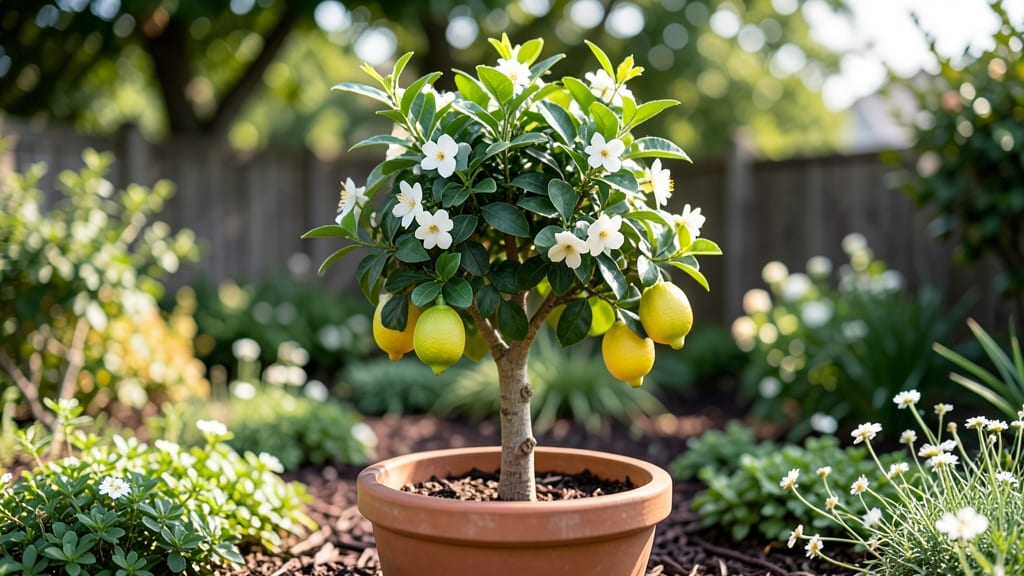
A miniature lemon tree thrives indoors with bright, indirect sunlight (6+ hours daily), a well-draining potting mix, and a pot with drainage holes. Regular pruning keeps it compact, monthly fertilization in spring/summer boosts growth, and moderate humidity encourages fruit production in dwarf varieties like 'Meyer' or 'Improved Meyer' lemons.
Indoor citrus trees like dwarf lemons need consistent light exposure—think south-facing windows or grow lights—to prevent leggy growth. 🌿 The right soil mix (60% potting soil, 30% perlite, 10% sand) prevents root rot, while pruning in late winter promotes bushier shapes.
I've found that 'Meyer' lemons produce fruit more reliably indoors than other varieties, though they need slightly cooler winter temperatures (around 50-60°F) to rest properly. Humidity trays under the pot can help mimic their Mediterranean climate without overwatering.
For best results, rotate your tree every few weeks to ensure even light exposure, and always use sharp pruning shears to avoid damaging branches. 💫 The key to success is mimicking outdoor conditions as closely as possible—just with more attention to detail!
💡 In This Article
- Best Miniature Lemon Tree Varieties for Indoor Cultivation
- Indoor Lemon Tree Care Schedule by Season
Best miniature lemon tree varieties for indoor cultivation
When selecting a miniature lemon tree for indoor growth, the 'Meyer' lemon stands out as the most popular choice.
This hybrid variety combines the sweetness of a lime with the tartness of a lemon, producing fruit that's often less acidic and more flavorful than traditional lemons. 🌱 'Meyer' trees typically reach heights of 6-10 feet outdoors but can be kept under 5 feet indoors with proper pruning.
Their compact growth habit makes them ideal for apartment living, and they produce fruit more reliably indoors than other varieties.
The 'Improved Meyer' lemon takes the classic 'Meyer' a step further by offering even better disease resistance and larger fruit. These trees grow slightly taller (up to 12 feet outdoors) but can be pruned to maintain a manageable 6-foot height indoors.
What sets them apart is their ability to produce fruit year-round in ideal conditions, with each tree yielding up to 50 lemons annually. For those with limited space, the 'Eureka' dwarf variety is another option, though it requires more precise pruning to stay compact and produces slightly more tart fruit.
Why do these varieties thrive indoors? The key lies in their natural growth patterns and adaptability. 🌿 Citrus trees like 'Meyer' lemons are evergreen shrubs in their native Mediterranean climates, meaning they're accustomed to warm temperatures and can tolerate indoor environments when given proper care.
Their compact growth habit is a result of selective breeding for container cultivation, making them less prone to becoming unwieldy like their outdoor counterparts. Additionally, these varieties have been bred to produce fruit more consistently under artificial lighting conditions.
Consider these key factors when choosing your variety: the 'Meyer' is best for sweet-tart fruit lovers, while the 'Improved Meyer' offers better disease resistance and larger yields. The 'Eureka' dwarf is ideal for those who want classic lemon flavor but need to maintain strict size control.
All three varieties benefit from the same basic care requirements—bright light, well-draining soil, and regular pruning—but their specific traits make them suited to different indoor growing situations.
Here's what the numbers show about their growth potential indoors:
- Height potential: 'Meyer' (5-6 ft), 'Improved Meyer' (6-7 ft), 'Eureka' (4-5 ft) with proper pruning
- Fruit production: 'Meyer' (20-30 lemons/year), 'Improved Meyer' (30-50 lemons/year), 'Eureka' (10-20 lemons/year)
- Cold tolerance: All varieties can handle brief dips to 30°F but prefer indoor temps between 60-75°F
The secret to their success indoors lies in their ability to adapt to container growing conditions. Unlike full-sized lemon trees that can grow up to 20 feet tall, these dwarf varieties have been specifically bred to thrive in pots, making them perfect for indoor cultivation.
Their smaller size means they require less space and can be easily moved to optimize light exposure throughout the year. 💫