
Pruning
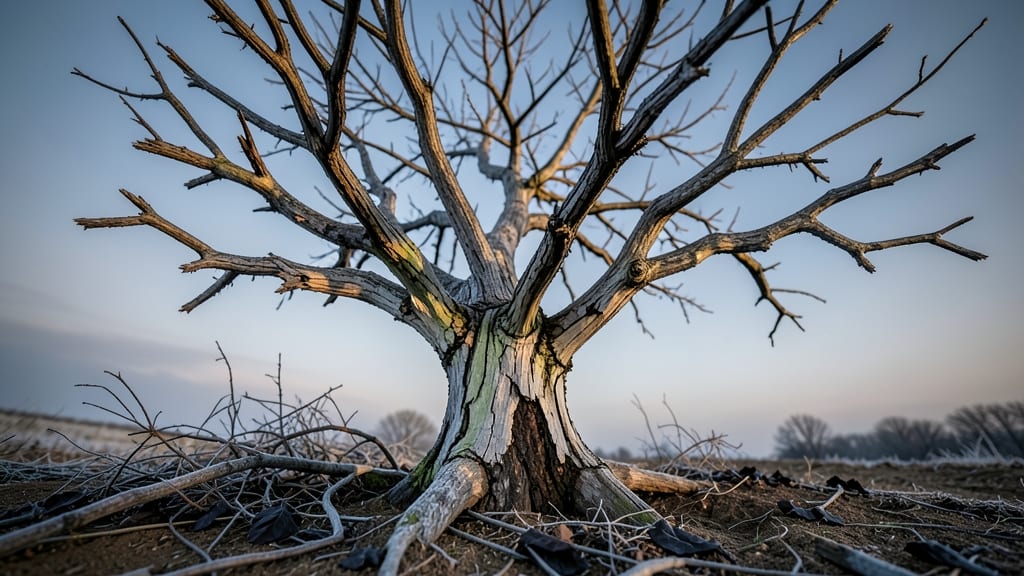
Winter can devastate fig trees if left unprepared—but strategic pruning and protection ensure they survive frost and return stronger next season. These 10 essential steps cover everything from cutting back growth to insulating roots, tailored for both container and in-ground fig varieties.
Identifying Frost-Tender Fig Varieties
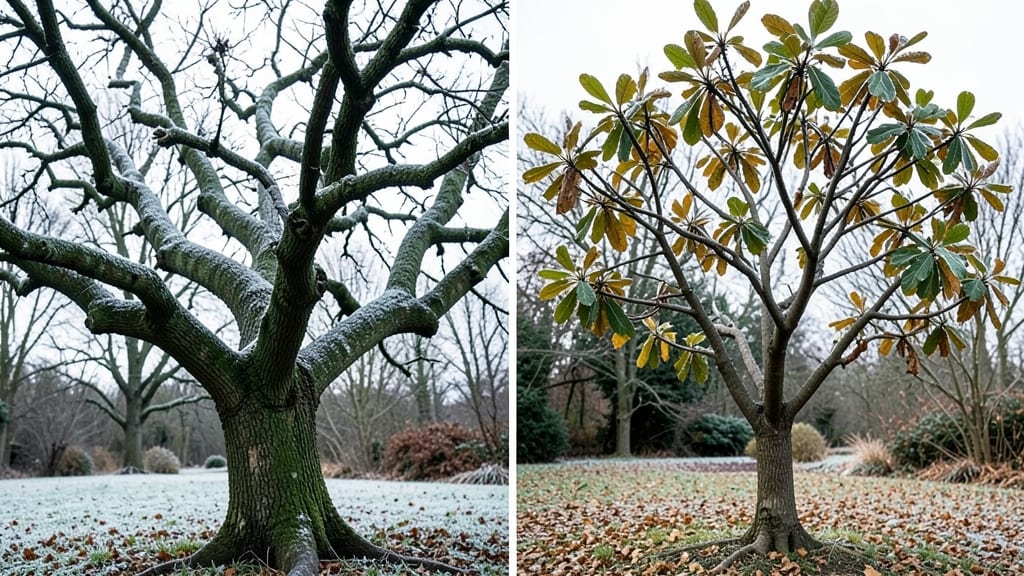
Not all fig trees handle winter the same way—some thrive with minimal prep, while others need heavy-duty protection. Before you panic about frost, identify whether your tree is a hardy variety like 'Chicago Hardy' (Zone 5-6) or a tropical type like 'Brown Turkey' (Zone 8-10). This simple distinction determines whether you’ll be wrapping your tree in frost cloth or just adding a little mulch.
Hardy figs can tolerate 10-15°F temperatures with basic care, while tropical varieties need insulation, containers, or even indoor overwintering when temps drop below 20°F. Check your tree’s label or leaf shape—thick, leathery leaves (like 'Celeste') signal hardiness, while delicate, thin leaves (like 'Violette de Bordeaux') mean extra winter TLC is needed. Knowing your variety saves time and prevents unnecessary stress for your tree.
This step is especially valuable for urban gardeners or those in transitional climates where winters fluctuate wildly. A quick variety check ensures you’re not over-prepping a tough tree or under-protecting a tender one—giving your fig the exact care it needs to bounce back next spring. 🌟
When to Prune for Winter Survival
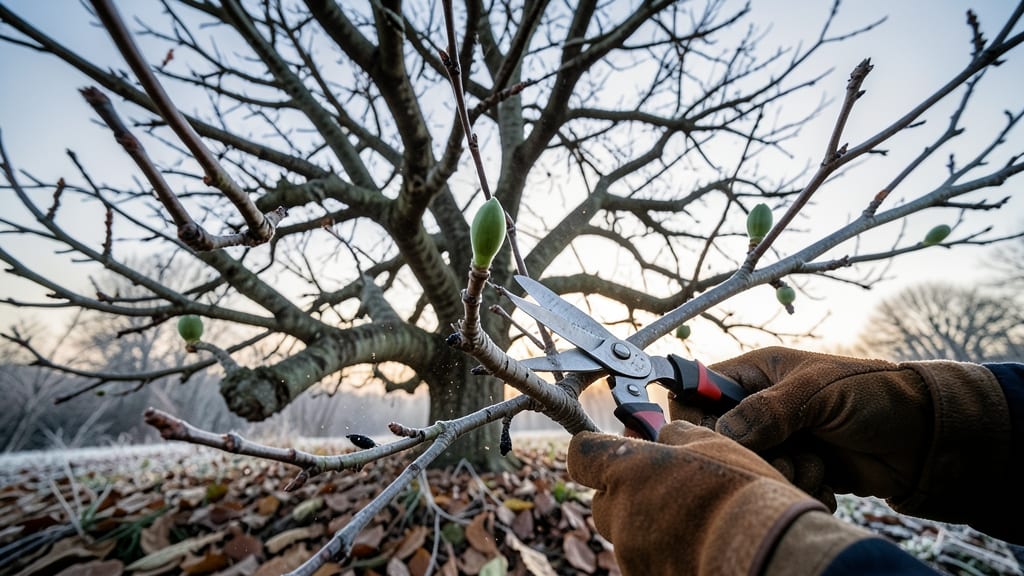
Timing your fig tree pruning just right can mean the difference between a revived tree and one that struggles to recover. Unlike many plants, figs respond dramatically to when you prune—late fall cuts (after the first frost) remove weak branches, while early spring cuts encourage fresh growth.
Wait until after the first hard frost (when temps drop below 28°F) to prune, as this helps the tree enter dormancy with cleaner structure. Avoid pruning in deep winter (January-February) when the tree is fully dormant, as this can stress it unnecessarily. In early spring (March-April), focus on shaping and removing any frost-damaged wood to promote new shoots.
This two-phase approach works especially well for tropical varieties like 'Brown Turkey' that need extra protection. Beginners will appreciate how this method simplifies winter care while setting up a stronger tree for summer. 🌻
Step-by-Step Pruning for Cold Climates
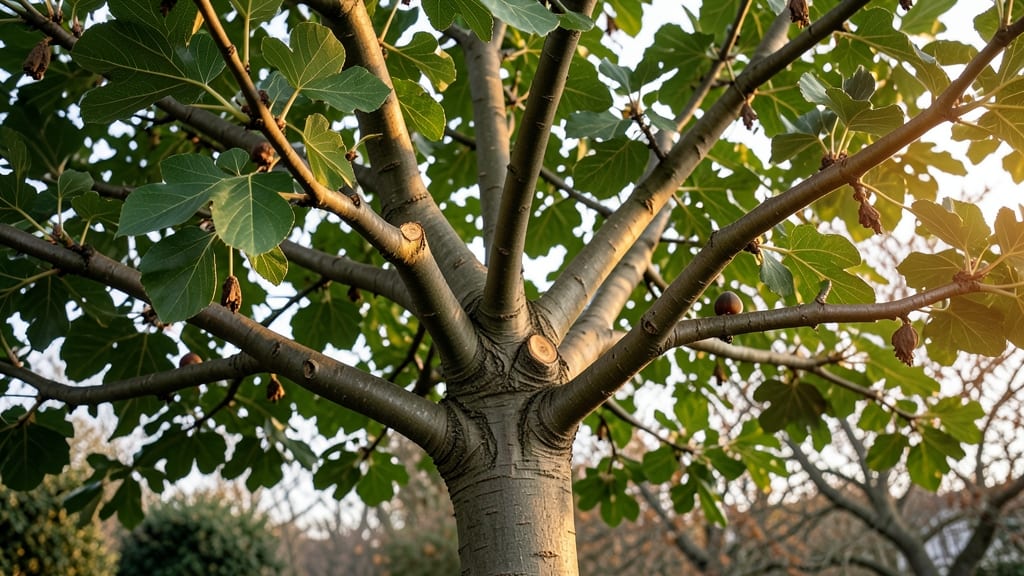
Cold climates demand a precise pruning approach for fig trees—one that balances growth control with frost protection. Start by cutting back one-third of the canopy to reduce stress on the tree and improve sunlight penetration, which is crucial for preventing fungal diseases that thrive in damp, shaded conditions.
Next, remove all dead or diseased wood with clean, sharp pruners, and thin out crowded branches to enhance airflow—this reduces moisture buildup on leaves and branches, lowering the risk of frost damage. Focus on branches that cross or rub against each other, as these are prime spots for injury and infection. For extra protection, prune just before the first hard frost, but avoid cutting into the current year’s growth, as this can leave the tree vulnerable to cold snaps.
This method is especially valuable for gardeners in Zone 6 and colder, where winter temperatures can drop below 20°F. By thinning the canopy and removing weak wood, you’re not just preparing your fig tree for winter—you’re setting it up for a stronger, more productive spring. 🌱
Protecting Container Fig Trees
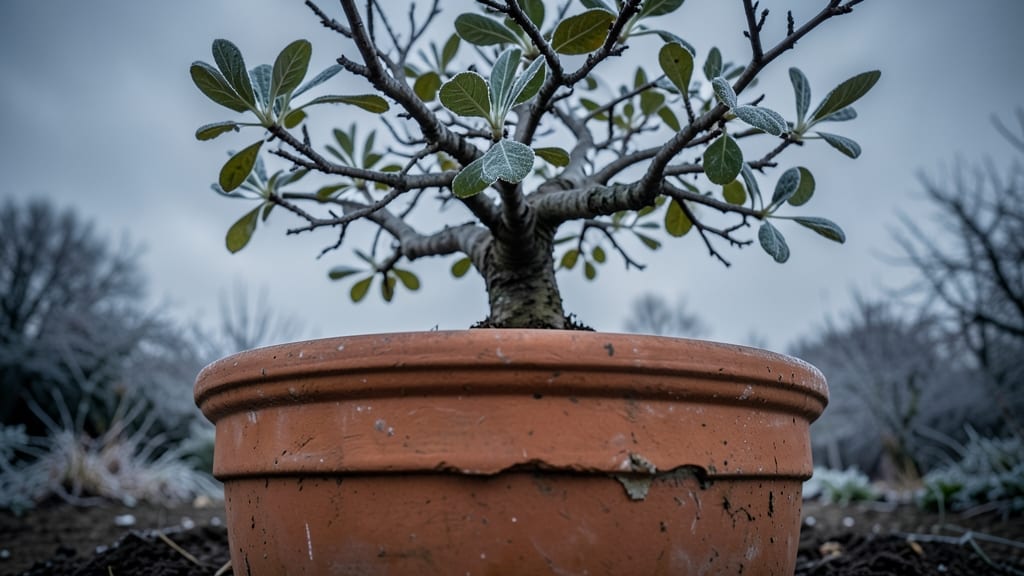
Urban gardeners with potted fig trees face a unique challenge: containers lose heat three times faster than in-ground plants, making them vulnerable to root freeze even in mild winters. Without proper protection, your prized tree could suffer irreversible damage overnight.
Start by wrapping the entire container—including the bottom—with bubble wrap to create an insulating barrier. Bury the pot halfway in straw or wood chips to shield roots from cold ground temperatures, then move it to a south-facing wall or garage where it’s sheltered from wind. For extra warmth, add a thick layer of mulch on top of the soil before the first frost hits.
This method is especially game-changing for balcony gardeners or those in Zone 7-8, where nighttime temps can still dip below freezing. With these steps, your container fig will wake up ready to fruit next season—no frostbite required! 🌱
Insulating Fig Tree Roots

Cold snaps can turn your fig tree’s roots into a frozen disaster, but a simple soil mound acts like a cozy blanket—raising temperatures by a shocking 10°F or more. This passive heating trick works by trapping heat radiating from the soil, keeping roots warm enough to survive even sub-freezing nights.
Start by piling organic mulch (straw, wood chips, or leaves) or native soil around the tree’s base, building a 12-inch-high mound that slopes gently away from the trunk. For extra insulation, top it with a thin layer of burlap before winter sets in. This method is especially game-changing for tropical fig varieties in colder zones, where root protection can mean the difference between life and death.
Urban gardeners with limited space will love this hack—it requires no tools, just a shovel and a few minutes of effort. Your fig’s roots will stay toasty, setting the stage for a bountiful harvest next season. 🌱
Using Frost Cloths for Extra Protection
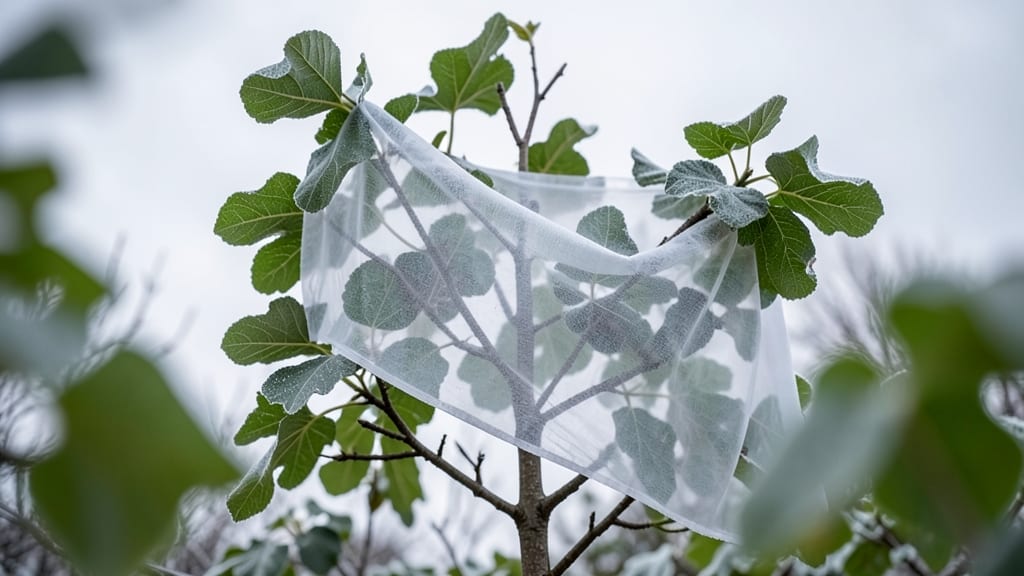
When unpredictable cold snaps threaten your young fig tree, a 30g lightweight frost cloth becomes your secret weapon—it traps heat without suffocating the plant, unlike heavier covers. This breathable fabric allows airflow while raising temperatures just enough to prevent frost damage, making it perfect for delicate varieties like 'Brown Turkey' in transitional climates.
Drape the cloth loosely over the tree (not touching branches) and secure it with clips or stakes, leaving the bottom open for airflow. Remove it during the day if temperatures rise above 32°F to prevent overheating. For extra insulation, layer it over mulched roots—this combo can protect against drops to 25°F without stressing the tree.
This method is ideal for urban gardeners with limited space or gardeners in Zone 7-8 where winters fluctuate wildly. It’s a low-cost, reusable solution that keeps your fig tree safe without the bulk of a greenhouse. 🌱
Creating a Mini Greenhouse for Figs
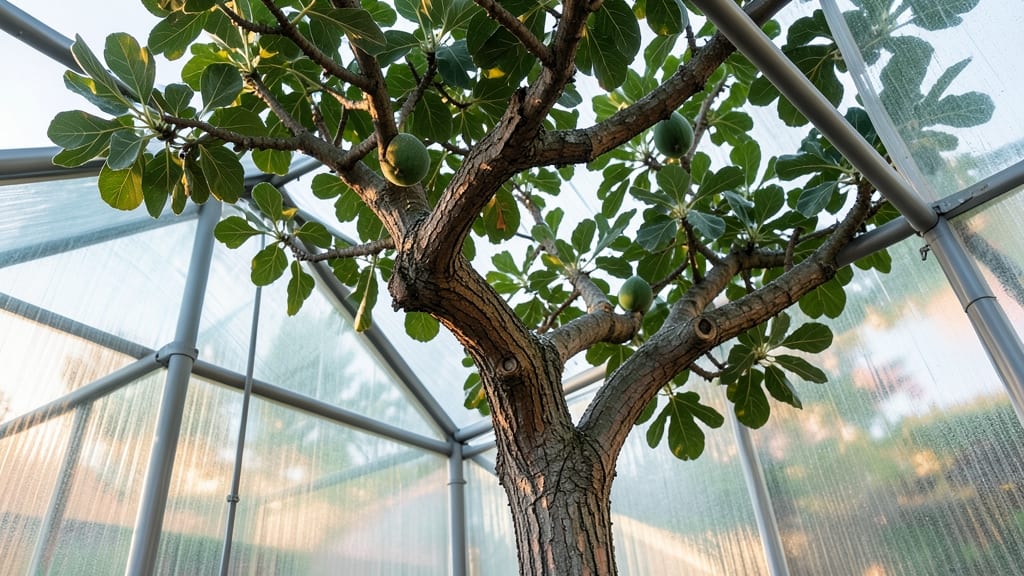
Turn your fig tree into a Mediterranean oasis this winter with a simple DIY greenhouse that mimics its native climate. Using just PVC pipes and plastic sheeting, you can create a microclimate that raises temperatures by 15°F, shielding tender varieties like 'Brown Turkey' from freezing temperatures in Zone 6 or colder.
Start by building a hoop-house frame with 1-inch PVC pipes, spaced about 2 feet apart and bent into arches over the tree. Secure them with zip ties, then cover the structure with clear plastic sheeting, leaving the bottom open for airflow. For extra insulation, add a layer of bubble wrap inside the plastic to trap heat during cold snaps. This setup is lightweight, affordable, and easy to assemble—perfect for gardeners who want professional-level protection without the cost.
This method is especially valuable for urban gardeners with limited space or those growing figs in containers, as it creates a controlled environment that prevents frost damage while allowing sunlight to penetrate. With this simple structure, your fig tree can brave even the harshest winters. ✨
Post-Pruning Fertilization for Recovery
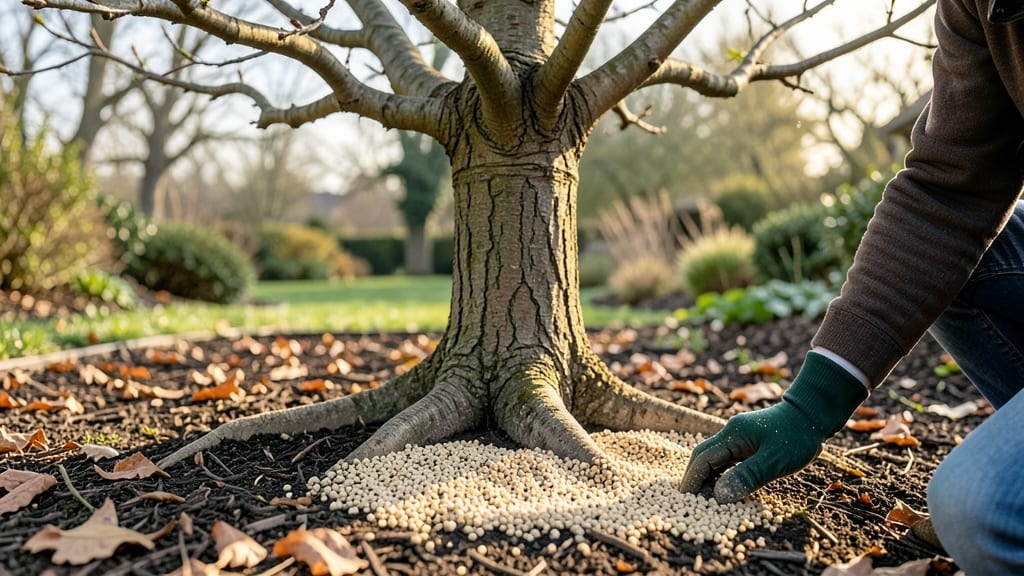
After pruning your fig tree to prep for winter, it’s easy to overlook the nutrient boost it needs to bounce back strong. A balanced fertilizer (10-10-10) applied in early spring replenishes lost nutrients, giving your tree the energy to recover and thrive after dormancy.
Spread the fertilizer around the drip line (not touching the trunk) when new shoots appear, typically in late March or April. This timing ensures roots are active but not overwhelmed by heat. For heavily pruned trees, a second light application in late spring supports vigorous regrowth.
This step is especially valuable for gardeners in colder climates or those who pruned aggressively—it’s the difference between a tree that struggles and one that rewards you with abundant fruit next season. 🌱
Monitoring for Winter Damage
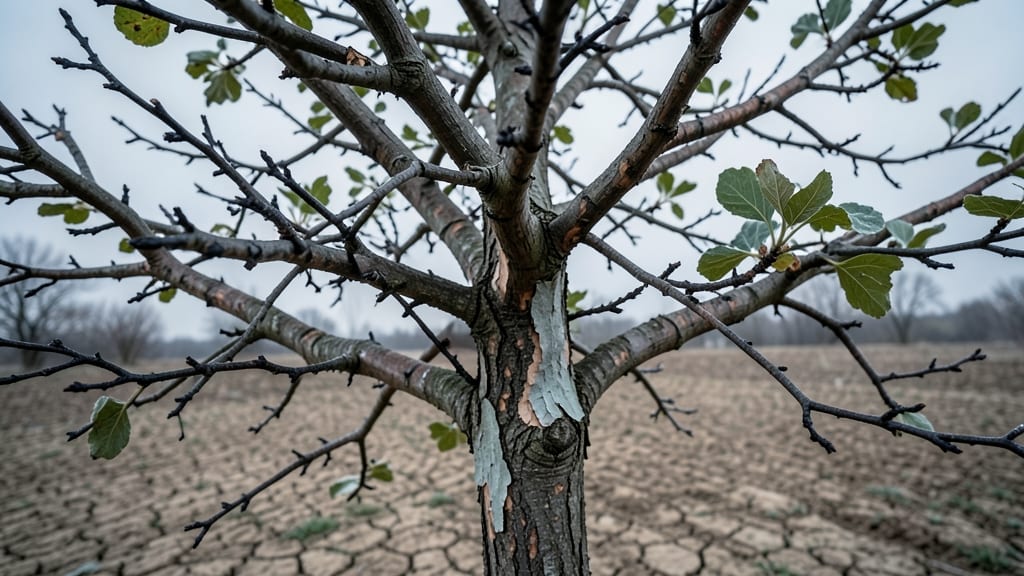
Even after taking all the right winter prep steps, your fig tree might still show signs of stress—like blackened branches or peeling bark—once the coldest months pass. These are red flags for frost damage or sunscald, and ignoring them can lead to fungal infections or long-term decline.
Start monitoring in late winter (February or March, depending on your climate) by inspecting branches for dark, mushy wood or sun-exposed bark that’s cracked and flaking. If you spot damage, act fast: prune dead wood with clean, sharp shears and apply a copper fungicide to prevent infections from setting in.
This step is especially critical for young trees or those in transitional climates where winter temperatures fluctuate. Early intervention gives your fig the best chance to bounce back strong for spring. 💪
Reviving a Frost-Burned Fig Tree

When your fig tree looks like a winter casualty—blackened branches, brittle wood, and no sign of life—don’t assume it’s a loss. Even severely frost-burned figs can bounce back with the right intervention, and the key lies in aggressive but precise recovery steps.
Start by pruning all dead wood down to healthy green tissue, using sterilized tools to prevent infection. Next, apply a root stimulator (like mycorrhizal fungi or liquid seaweed extract) to jumpstart root activity, followed by a deep watering to rehydrate the system. This combo helps the tree redirect energy to surviving tissues rather than decaying ones.
This approach is especially valuable for urban gardeners with limited space or those who missed early winter protection—it’s your last chance to save a tree that might otherwise be written off. With patience, your fig can surprise you with fresh growth by spring. 💪