
Pruning
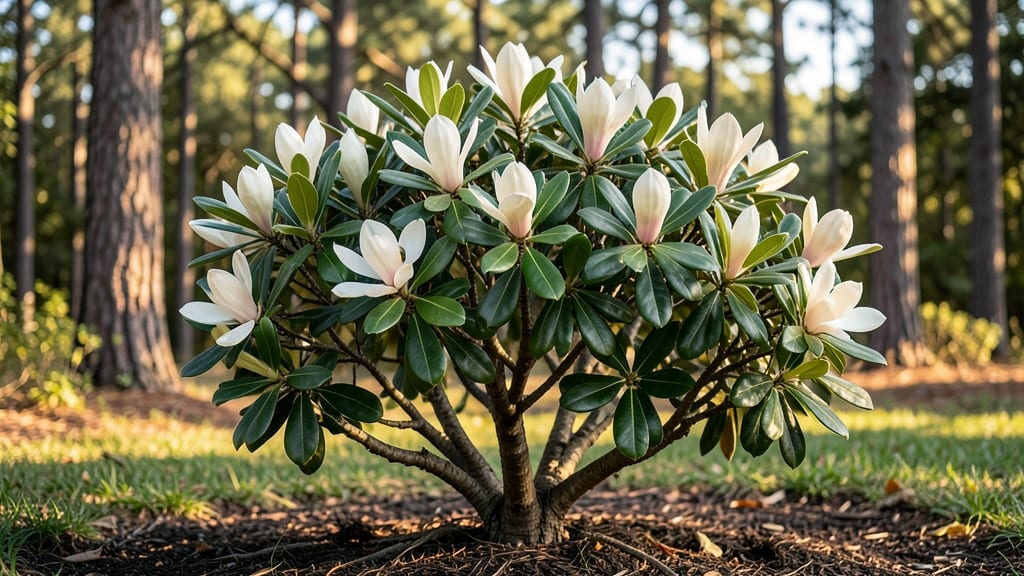
Your magnolia tree shrub could be blooming three times this year with the right pruning. 🌸 I’ve pruned everything from towering Magnolia grandiflora to delicate Magnolia stellata, and the secret isn’t aggressive cuts—it’s timing, technique, and knowing which branches to leave alone.
Most people over-prune, which stresses the plant and cuts back on those iconic blooms.
The best time to prune depends on your variety: spring-bloomers (like Magnolia stellata) get their haircut right after flowering, while summer-bloomers (like Magnolia grandiflora) wait until late summer. Use clean, sharp pruners to avoid tearing bark, and always cut just above a bud or outward-facing branch.
This keeps the plant’s natural shape while encouraging new growth where you want it.
By the end of the season, you’ll have a magnolia that’s denser, healthier, and covered in blooms—not just in spring, but all year if you’re growing the right variety.
The key is patience: magnolias respond slowly, but the payoff is worth it. You’ll also spot fewer pests and diseases since proper pruning improves airflow and sunlight penetration.
Works for both tree and shrub forms, whether you’re shaping a small Magnolia stellata in a container or trimming a mature Magnolia grandiflora in your yard. Let’s get those branches looking intentional!
📚 In This Guide
- What you need
- Instructions
- Tips and common mistakes
- Wrapping up and next steps
What you need
- ● Pruning shears: Bypass pruners (for small branches, ¼"–¾" thick) – 1 pair (look for sharp, stainless-steel blades).
- ● Loppers: For medium branches (¾"–2" thick) – 1 pair (with long handles for leverage).
- ● Pruning saw: For thick branches (2"+ thick) – 1 saw (bow saw or folding pruning saw).
- ● Gloves: Heavy-duty gardening gloves (cut-resistant) – 1 pair (protects from thorns and sap).
- ● Disinfectant: 70% isopropyl alcohol or pruning sealant (to prevent disease spread).
- ● Clean rags or paper towels: For wiping tools between cuts.
- ● Ladder or step stool: (If your magnolia is over 6 ft tall) – 1 unit (stable, non-slip).
- ● Trash bags: For collecting pruned branches – 2–3 bags (knot tightly to avoid pests).
- ● Hand pruners with ratcheting mechanism: For stubborn branches (extra grip power!).
- ● Extension pole saw: For high branches without a ladder.
- ● Pruning paint/sealant: (For large cuts >2" diameter to protect the tree).
- ● Notebook & pen: To jot down pruning notes or mark growth patterns.
- ● Safety glasses: If dealing with heavy branches or debris.
Step-by-step guide to pruning magnolia shrubs for healthy growth
Here's how to shape your magnolia shrub for lush blooms while avoiding common pruning mistakes.
✂️ Step 1: Time Your Pruning for Optimal Bloom Health
Prune your magnolia shrub immediately after flowering, when the blooms begin to fade naturally. This timing ensures you don't accidentally remove next year's flower buds, which form on old wood. For most magnolia varieties, this falls in late spring or early summer. Avoid pruning in fall or winter—you'll cut off potential blooms for the following spring.
If your magnolia blooms in late winter or early spring, wait until after the flowers drop completely before making any cuts. You'll see the buds open first, then the petals fall away—this is your cue. Never prune when buds are still tightly closed, as this removes next season's flowers entirely.
✂️ Step 2: Assess and Remove Dead or Damaged Branches
Start by examining the entire shrub for branches that are dead, diseased, or crossing each other. Dead branches will be dry, brittle, and often brown or gray. Diseased branches may have blackened spots, oozing sap, or unusual growths. Use sharp, clean pruning shears to make your cuts—dull tools crush stems and invite infections.
Remove crossing branches by cutting back to the branch collar (the swollen area where the branch meets the trunk). Never leave stubs—this creates entry points for pests and diseases. For severely damaged branches, cut all the way back to the main stem or trunk. You'll notice a cleaner structure immediately, with better airflow between branches.
✂️ Step 3: Thin Out Overcrowded Areas for Better Airflow
Look for areas where branches grow too closely together, blocking sunlight and air circulation. These crowded spots create ideal conditions for fungal diseases. Select 1-2 branches per cluster to remove, choosing the smallest or weakest ones. Cut back to a healthy bud or lateral branch to encourage outward growth rather than inward.
Step back frequently to visualize the shrub's shape. You want an open, vase-like structure that allows light to reach all branches. Avoid heavy pruning in one area—this creates uneven growth patterns. If you're unsure which branches to remove, prioritize those growing inward or downward, as these rarely contribute to the shrub's overall form.
✂️ Step 4: Shape the Shrub Gradually for Balanced Growth
Use your pruning shears to trim back overgrown branches by no more than one-third of their length in a single season. Longer cuts stimulate vigorous new growth that may not produce flowers. Make cuts just above a healthy outward-facing bud, using a slight upward angle to direct growth away from the center of the shrub.
Pay special attention to the shrub's natural shape. Magnolias grow best when allowed to maintain their natural form rather than being forced into rigid geometric shapes. Focus on removing only the branches that disrupt this balance. After pruning, the shrub should look more open and inviting, with room for new growth to develop naturally.
💧 Step 5: Clean Up and Monitor for New Growth
After pruning, collect all clippings and dispose of them properly. Never leave branches on the ground beneath the shrub—this creates a moist environment that encourages fungal growth. Sterilize your pruning tools with rubbing alcohol between cuts to prevent spreading disease from one branch to another.
Water the base of the shrub deeply after pruning to help it recover. You'll see new growth emerge within 4-6 weeks, signaling that the shrub is healing. Monitor the pruned areas for signs of stress, such as yellowing leaves or wilting branches. If you notice these symptoms, reduce watering slightly and provide afternoon shade until new growth appears.
Tips & tricks for pruning magnolia shrubs
Mastering the art of pruning magnolia shrubs transforms them from overgrown messes into stunning, blooming showpieces. Here's what I've learned after years of shaping these beauties.
Timing is Everything: The instructions emphasize pruning immediately after flowering, but here's the key detail: Wait until the petals have completely fallen and the buds have opened fully. I once pruned too early and accidentally removed next year's flower buds—don't make my mistake! For late-winter bloomers, mark your calendar for when the last petal drops, then prune within 2-3 days to maximize bloom potential next season.
Tool Precision Makes All the Difference: Sharp, clean pruning shears aren't just recommended—they're essential. I invest in bypass pruners with a 5/8-inch cutting capacity for medium branches. For thicker stems, use a pruning saw with a fine-toothed blade to avoid tearing the bark. Always sterilize tools between cuts using rubbing alcohol to prevent disease spread—this simple step can mean the difference between a healthy shrub and one struggling with infections.
Visualizing the Final Shape: Before making any cuts, step back and study the shrub's natural form. Magnolias grow best when allowed to maintain their natural vase shape rather than being forced into rigid geometric forms. I sketch a rough outline in my mind: open center, branches spaced evenly, and a gradual taper from bottom to top. This mental image guides which branches to remove—always prioritize those growing inward or downward that block light and air circulation.
Post-Pruning Recovery Strategy: After shaping, water deeply to help the shrub recover. I've found that applying a 2-inch layer of mulch around the base (but not touching the trunk) helps retain moisture and regulate soil temperature. Monitor for new growth within 4-6 weeks—this is your confirmation that the pruning was successful. If you notice yellowing leaves or wilting, it's a sign to reduce watering slightly and provide afternoon shade until new growth appears.
Pro Tips for Magnolia Tree Shrub
- Mastering the art of pruning magnolia shrubs transforms them from overgrown messes into stunning, blooming showpieces.
- Timing is Everything: The instructions emphasize pruning immediately after flowering, but here's the key detail: Wait until the petals have completely fallen and the buds have opened fully.
- Tool Precision Makes All the Difference: Sharp, clean pruning shears aren't just recommended—they're essential.
Frequently asked questions
When is the best time to prune a magnolia tree shrub for blooms?
The ideal time depends on your goal: Prune right after flowering (late spring) to encourage new blooms for the next season. Avoid heavy pruning in fall or winter, as this can remove next year’s flower buds. Light shaping is fine in late winter if needed.
Can I prune a magnolia shrub too much? How do I avoid over-pruning?
Yes! Over-pruning stresses magnolias and can reduce or eliminate blooms for 1–2 years. Never remove more than 25% of the plant’s foliage in a single session. Focus on dead, diseased, or crossing branches—never cut into old wood (no new growth = no flowers).
How long does it take for a pruned magnolia to recover and bloom again?
Recovery time varies: Light pruning (10–20% of branches) may show new growth in 4–6 weeks, with blooms returning the following spring. Heavy pruning (30%+) can take 1–2 years for full recovery. Patience and proper aftercare (water, mulch) help!
What should I do if my magnolia stops blooming after pruning?
If blooms disappear, you likely pruned too late or too aggressively. Magnolias bloom on old wood, so cutting back flower buds (usually in late winter) is the culprit. Next time, prune immediately after blooms fade and avoid winter cuts. Fertilize lightly in spring to encourage growth.
Are there smaller magnolia varieties better for pruning as shrubs?
Consider these compact or shrub-like magnolias for easier pruning:
- ‘Little Gem’ (dwarf Southern magnolia, 15–20 ft tall)
- ‘Black Tulip’ (semi-dwarf, 15–20 ft, dark foliage)
- ‘Ann’ (small tree/shrub hybrid, 10–12 ft, fragrant blooms)
- ‘Jane’ (shrub form, 6–10 ft, cold-hardy)
Wrapping up and next steps
Transforming your magnolia tree shrub into a stunning, blooming beauty is totally within reach! With the right tools, timing, and techniques, you’ll enjoy year-round growth and vibrant flowers—not to mention the satisfaction of a well-maintained landscape. 🌸
Ready to take the next step? Start small: pick one section of your magnolia to prune this weekend, and soon, your entire yard will thank you. Happy gardening! 🌱