
Pruning
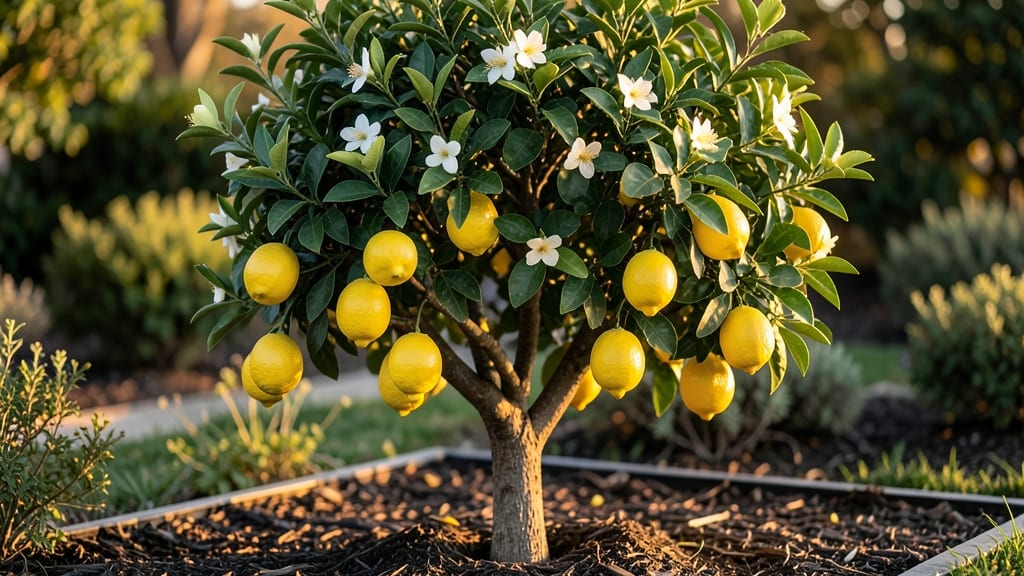
Growing a Pomona lemon tree means dwarf height, disease resistance, and lemons that stay fresh for months—perfect for small spaces. 🌿 I planted mine last spring in a 15-gallon pot, and within six months, it was already flowering. The key?
Mimicking its Mediterranean roots with bright light, well-draining soil, and consistent moisture. This variety thrives in USDA zones 9-11, but even in cooler climates, you can grow it in containers and bring it indoors during winter.
Its compact size (6-10 feet) makes it ideal for patios or small backyards, and the thick, glossy leaves resist common citrus diseases like citrus canker. Just avoid soggy soil—root rot is its only real enemy. By summer, you’ll be harvesting bright yellow, seedless lemons that stay fresh for weeks.
The fruit is tart, perfect for cooking or fresh juice, and the tree keeps blooming year-round, filling your space with fragrant white flowers. Prune lightly after harvest to shape the tree and encourage more blooms. The real magic? Pomona lemons are self-pollinating, so you don’t need another tree.
Whether you’re a first-time citrus grower or a seasoned gardener, this variety delivers beauty, productivity, and low-maintenance charm. Let’s get your tree thriving!
The first product explained
Meet the Lemon Tree Pomona—a stunning, compact citrus gem that’s perfect for both novice gardeners and seasoned plant lovers! 🌿✨ This dwarf variety is renowned for its year-round blooms, luscious lemon fruits, and manageable size, making it an ideal choice for patios, balconies, or even indoor growing spaces.
Whether you’re dreaming of fresh lemonade, fragrant blossoms, or a low-maintenance ornamental tree, the Pomona lemon tree delivers on all fronts.
📏 Specs & Features
The Pomona lemon tree is a dwarf variety, typically reaching 6–10 feet tall at maturity (with proper pruning, it can stay even smaller!). Here’s what sets it apart:
- Growth Habit: Bushy, rounded shape with dense foliage.
- Blooms: Continuous flowering (especially in warm climates), producing highly fragrant white blossoms year-round.
- Fruit: Small to medium-sized lemons (1.5–2.5 inches in diameter), sweet-tart flavor, and thick skins—great for cooking, juicing, or preserving.
- Hardiness: Thrives in USDA Zones 9–11; can be grown in containers and brought indoors in cooler climates.
- Light Needs: Full sun (6+ hours daily) for optimal growth and fruiting.
- Soil Preference: Well-draining, slightly acidic soil (pH 6.0–7.0).
🎯 Target Users
This versatile lemon tree is a favorite among:
- Urban Gardeners: Perfect for small spaces like balconies, rooftops, or courtyards.
- Citrus Enthusiasts: Ideal for those who love fresh lemons but lack yard space.
- Home Cooks & Bakers: Harvest your own lemons for homemade lemon curd, marmalade, or cocktails!
- Pruning Beginners: Its manageable size makes it great for learning citrus pruning techniques.
- Aromatherapy Lovers: The intense floral scent of its blooms adds a luxurious touch to gardens.
💰 Price Point & Value
The Pomona lemon tree typically ranges from $40–$80 depending on the retailer, size, and whether it’s bare-root or potted. Here’s why it’s worth the investment:
- Long-Term Savings: Grow your own lemons instead of buying them year-round!
- Low Maintenance: Once established, it requires minimal care compared to full-sized trees.
- Dual Purpose: Enjoy both edible fruit and ornamental beauty in one plant.
- Container-Friendly: No need for a large garden—ideal for renters or small homes.
Pro Tip: 💡 Look for certified disease-free plants from reputable nurseries to ensure healthy growth. Some sellers even offer pruning guides or starter kits to help you get the most out of your Pomona lemon tree!
The second product explained
Meet the Pomona Lemon Tree—your compact, high-yielding citrus superstar! 🌿✨ This dwarf variety is a game-changer for home gardeners, urban balconies, and small patios, offering year-round blooms, sweet-tart fruit, and minimal space requirements. Unlike its full-sized cousins, the Pomona stays under 6-8 feet tall, making it perfect for containers or tight garden plots. Let’s dive into what makes this lemon tree a must-have for citrus enthusiasts!
📏 Key Specs & Features
Here’s why the Pomona Lemon Tree stands out:
- Height: Dwarf variety (6–8 ft tall, ideal for containers or small gardens).
- Spread: Compact (4–6 ft wide), perfect for patios or balconies.
- Fruit Production: Year-round blooms and abundant harvests (up to 50–100 lemons per tree annually!).
- Fruit Characteristics:
- Thick, sweet-tart skin (easier to peel than standard lemons!).
- Juicy, low-seed flesh—ideal for cooking, baking, or fresh juice.
- Ripens in 9–12 months (earlier than many varieties!).
- Hardiness: Thrives in USDA Zones 9–11; can be grown indoors in cooler climates with proper care.
- Container-Friendly: Does well in 15–25 gallon pots with drainage.
- Pollination: Self-pollinating (no need for a second tree!).
🎯 Who’s It For?
The Pomona Lemon Tree is a versatile powerhouse designed for:
- Small-Space Gardeners: Urban dwellers, balcony growers, or those with limited yard space.
- Citrus Beginners: Low-maintenance yet rewarding—great for first-time lemon tree owners!
- Chefs & Bakers: Harvest sweet, low-seed lemons perfect for homemade lemon curd, pies, or marinades.
- Year-Round Enthusiasts: Enjoy continuous blooms and fruit (with proper care).
- DIYers & Container Gardeners: Thrives in pots, making it easy to move indoors during winter.
💰 Price Point & Value
Investing in a Pomona Lemon Tree is a long-term win—here’s the breakdown:
| Option | Price Range | What’s Included |
|---|---|---|
| Young Tree (1–2 ft tall) | $40–$80 | Potted sapling, basic care guide, and growth potential for years of fruit. |
| Mature Tree (3–4 ft tall) | $80–$150 | Faster fruit production (harvest in 1–2 years), sturdy root system for containers. |
| Container Kit (Tree + Pot + Soil) | $100–$200 | Everything you need to start growing—tree, premium pot, citrus-specific soil, and fertilizers. |
💡 Pro Tip: Check local nurseries or citrus specialty stores for seasonal sales or bulk discounts if you’re planting multiple trees!
Why Wait? The Pomona Lemon Tree is your ticket to fresh, homegrown lemons with minimal effort. Whether you’re a space-challenged gardener or a citrus connoisseur, this dwarf variety delivers beauty, productivity, and year-round joy—all in a compact package! 🍋🌱
Head-to-head comparison
Ready to compare the Pomona lemon tree to other popular dwarf citrus varieties? Let’s break it down in a clear, side-by-side comparison so you can decide which one fits your garden (or patio!) perfectly.
Whether you’re prioritizing year-round blooms, dwarf size, or low-maintenance care, this guide has you covered. 🌿🍋
🌱 1. Size & Growth Habit: Dwarf vs. Semi-Dwarf vs. Standard
The Pomona lemon tree is a true dwarf, typically reaching 6–10 feet tall at maturity—ideal for containers, small yards, or urban balconies. But how does it stack up?
| Variety | Mature Height | Spread | Best For |
|---|---|---|---|
| Pomona Lemon | 6–10 ft (dwarf) | 4–6 ft | Containers, small spaces, year-round blooms |
| Meyer Lemon | 8–12 ft (semi-dwarf) | 6–8 ft | Balconies, larger pots, sweet-tart fruit |
| Eureka Lemon | 12–15 ft (standard) | 8–10 ft | Full sun gardens, high fruit yield |
Winner for small spaces: Pomona—its compact size makes it the top pick for patios and containers. 🏡🌿
🌸 2. Blooms & Fruit Production: Year-Round vs. Seasonal
The Pomona lemon tree is famous for its continuous blooming (even in winter!), but other varieties have their perks too.
| Variety | Bloom Season | Fruit Ripening | Fruit Size | Special Notes |
|---|---|---|---|---|
| Pomona Lemon | Year-round (especially in warm climates) | Continuous (small, round lemons) | 2–3 inches | Fragrant flowers, great for pollinators |
| Meyer Lemon | Spring–fall (peaks in summer) | Fall–winter | 3–4 inches (sweeter, thinner skin) | More cold-hardy than Pomona |
| Eureka Lemon | Spring–fall | Fall–winter (heavy producer) | 2.5–3.5 inches (classic lemon flavor) | Needs more space, higher yield |
Winner for aesthetics: Pomona—its non-stop blooms make it a showstopper. 🌺 For fruit volume, Eureka wins.
💰 3. Price & Initial Investment
Cost varies based on where you buy (nursery, online, or bare-root). Here’s a rough breakdown:
| Variety | Price (Potted, 3–5 gal) | Price (Bare-Root) | Long-Term Savings? |
|---|---|---|---|
| Pomona Lemon | $50–$90 | $30–$60 | ✅ Low maintenance = fewer pruning costs |
| Meyer Lemon | $45–$80 | $25–$50 | ✅ Cold-hardier = fewer winter protections |
| Eureka Lemon | $60–$120 | $40–$80 | ❌ Needs more space = higher container costs |
Winner for budget: Meyer Lemon (bare-root)—but Pomona offers the best value for ornamental + fruit. 💸
✂️ 4. Pruning & Maintenance: Low-Effort vs. High-Effort
The Pomona’s dwarf size means less pruning, but other varieties require more attention.
| Variety | Pruning Needs | Best Pruning Time | Fertilizer Needs |
|---|---|---|---|
| Pomona Lemon | Light (shape only, 1–2x/year) | Late winter/early spring | Balanced citrus fertilizer (every 2–3 months) |
| Meyer Lemon | Moderate (remove deadwood, shape) | Late winter | High-nitrogen in spring, potassium for fruit |
| Eureka Lemon | High (regular thinning, heavy fruit load) | Winter (after harvest) | Heavy feeder—monthly feeding in growing season |
Winner for lazy gardeners: Pomona—its minimal pruning makes it a breeze. 🌿✨ Pro tip: Use sterilized shears to prevent disease when pruning any citrus!
🌡️ 5. Climate & Cold Hardiness
Not all lemon trees handle frost well. Here’s how they compare:
| Variety | Cold Tolerance | USDA Zones | Winter Care Needed? | |||||||||
|---|---|---|---|---|---|---|---|---|---|---|---|---|
| Pomona Lemon | 20–25°F (light frost damage) | 9–11 (with protection) | ✅ Bring indoors below 25°F or use frost cloth | |||||||||
<
Which one should you choose?So, you’ve explored the Lemon Tree Pomona variety—its compact charm, year-round blooms, and low-maintenance appeal. But which scenario fits your needs best? Let’s break it down to help you decide: 🌿 Best for Small Spaces & ContainersIf you’re dreaming of a dwarf citrus tree that thrives in pots, balconies, or patios, the Pomona is your star. Its 3–5 ft height makes it perfect for:
Verdict: ✅ Ideal if space is limited but you crave fresh lemons and beauty. 🍋 Best for Year-Round Lemon LoversUnlike seasonal lemon trees, Pomona’s continuous blooming (with proper care) means:
Verdict: ✅ Perfect if you want lemons whenever you need them—no waiting for summer! ⚠️ Considerations Before BuyingNot every scenario is a match. Ask yourself:
Verdict: ⚠️ Skip if you’re in a cold climate without protection or can’t dedicate time to care. 🎯 Final RecommendationReady to plant? Here’s your action plan:
Pro Tip: 💡 Pair Pomona with a dwarf companion plant (like thyme or lavender) to maximize small-space gardening! |