
Pruning
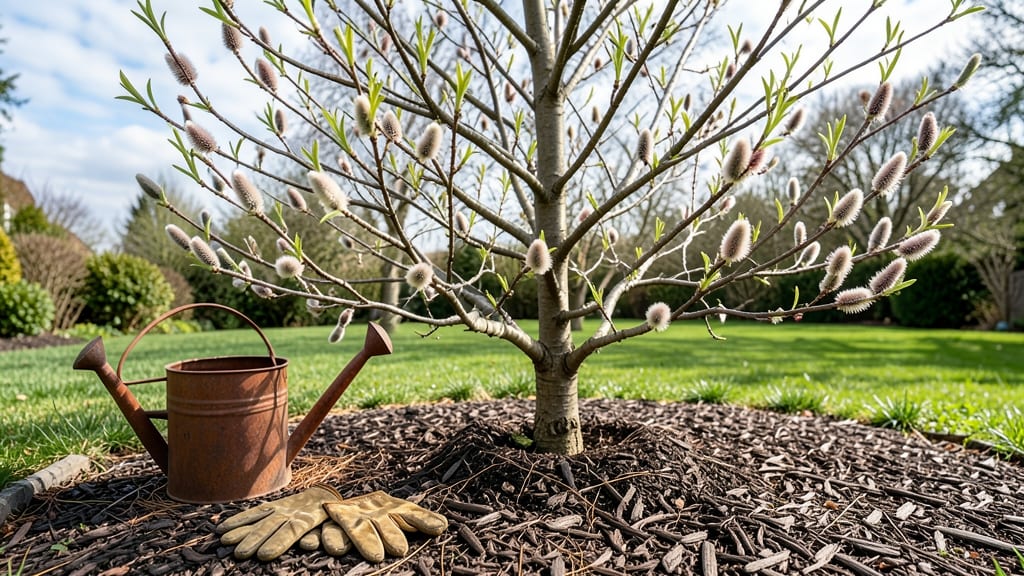
Those fuzzy catkins are nature's way of saying "spring is coming" — but proper pussy willow tree care depends on knowing when to prune and how. 🌿 I learned the hard way that aggressive pruning in winter can shock these trees, while strategic cuts in late winter or early spring encourage those iconic fuzzy blooms to thrive.
The secret lies in understanding their unique growth patterns and timing cuts to match their natural rhythm.
Start with the basics: prune only when the tree is dormant, typically between late winter and early spring before new growth begins. Use clean, sharp pruners to make cuts just above outward-facing buds, which encourages bushier growth.
For established trees, remove no more than 25% of the canopy at a time to avoid stressing the plant. Younger trees need minimal pruning—just remove dead or crossing branches to keep their shape open and airy.
What you'll end up with is a tree that bursts into life with those signature fuzzy catkins every spring, followed by lush green foliage that stays vibrant all summer. The key is patience—pussy willows respond best to gradual shaping over years, not drastic transformations.
Even in colder climates, they bounce back with proper care, making them one of the hardiest ornamental trees for northern gardens.
Pro tip: If your tree is looking leggy, focus on pruning the lower branches first to encourage a fuller, more compact shape. And always clean your tools between cuts to prevent spreading disease. With this approach, your pussy willow will become the star of early spring, year after year.
📚 In This Guide
- What you need
- Instructions
- Tips and common mistakes
- Wrapping up and next steps
What you need
- ● Pruning shears: Bypass pruners (sharp, 6-8 inch blades) for clean cuts on small branches.
- ● Loppers: Bypass or anvil type (18-24 inch handles) for thicker branches (up to 2-inch diameter).
- ● Pruning saw: Curved-tooth saw for branches thicker than 2 inches.
- ● Disinfectant: 70% isopropyl alcohol or bleach solution (1 part bleach to 9 parts water) to sterilize tools between cuts.
- ● Gloves: Heavy-duty gardening gloves (waterproof, cut-resistant) for protection.
- ● Safety glasses: ANSI-rated to shield eyes from debris.
- ○ Extension pole: Adjustable 6-10 ft for high branches (optional but helpful).
- ○ Tree wound dressing: Pruning sealant (optional for large cuts) – Note: Most experts recommend not using it unless sealing against pests/disease.
- ● Trash bags: Heavy-duty, 30-gallon size for collecting pruned branches.
- ● Watering can or hose: For post-pruning hydration (especially in dry climates).
- ● Ladder: Sturdy, extendable (if branches are >10 ft high).
- ● Marking spray: Non-toxic, biodegradable to tag branches for removal.
- ● Tree growth regulator: Hormone spray (e.g., Apogee) to promote healthier regrowth.
- ● Mulch: Organic (wood chips) or inorganic (gravel) to retain moisture and suppress weeds.
- ● Camera or phone: To document your pruning progress (because before-and-after shots are satisfying!).
Step-by-Step pruning guide for healthy pussy willow trees
Here’s how I keep my pussy willows thriving year-round with simple, effective pruning.
✂️ Step 1: Prune for Shape in Late Winter (Before Bud Break)
Start your pruning in late winter or early spring, just before you see the first buds swell. This is the best time because the tree is dormant, and you can see the natural structure clearly. I focus on removing dead, diseased, or crossing branches first—these compete for energy and can weaken the tree.
Use clean, sharp pruners to make cuts at a 45-degree angle just outside the branch collar (the swollen area where the branch meets the trunk). Avoid leaving stubs—they invite rot. For larger branches, I wait until the tree is fully dormant in mid-winter to prevent excessive bleeding.
🌿 Step 2: Thin Out Crowded Branches in Early Spring
Once the tree starts leafing out in early spring, I look for branches that are too close together or growing inward. These crowded branches block sunlight and air circulation, which can lead to fungal issues. I remove about 20-30% of the branches to open up the canopy and encourage airflow.
Watch for branches that rub against each other—they’ll eventually tear and create wounds. If you see any, prune one of them back to a healthy lateral branch. This step keeps the tree’s energy focused on strong, outward growth rather than struggling with overcrowding.
☀️ Step 3: Maintain Growth Through Summer (Light Pruning)
Summer isn’t the time for heavy pruning, but I do a light maintenance pass every 4-6 weeks to remove any suckers (shoots growing from the base) or water sprouts (fast-growing vertical shoots). These steal energy from the main structure. I also trim back any branches that are growing too long or leggy.
If you notice any yellowing leaves or dieback (dead branches), prune those immediately to prevent the spread of disease. Always sterilize your pruners with rubbing alcohol between cuts to avoid transferring pathogens. Keep an eye on the tree’s overall shape—you want a balanced, open canopy.
⏰ Step 4: Clean Up in Fall (Prepare for Winter)
In late fall, after the leaves have dropped but before the first hard frost, I do a final pruning to remove any dead or diseased branches that might have appeared over the summer. I also trim back any branches that grew too long during the season to maintain a neat, compact shape.
This is also the time to rake up and dispose of fallen leaves—especially if they show signs of disease. I avoid heavy pruning in fall because it stimulates new growth that won’t harden off before winter. Instead, I focus on sanitation and light shaping to keep the tree healthy through the cold months.
✂️ Step 5: Post-Winter Check (Adjust as Needed)
After winter, do a quick check for winter damage—look for branches that have broken under snow or ice. Prune these back to a healthy lateral branch or the trunk. If the tree looks too sparse, you can lightly prune to encourage bushier growth, but avoid over-pruning.
Here’s the thing—pussy willows are fast growers, so they bounce back quickly. If you’ve been consistent with your pruning, you’ll see strong, healthy branches with plenty of those fuzzy catkins by spring. The key is regular, light pruning rather than one big trim—it keeps the tree balanced and stress-free.
Tips & tricks for perfect pussy willow tree care
Keeping your pussy willow thriving takes more than just occasional trimming—it’s about understanding the right timing and techniques. Here’s what I’ve learned after years of pruning these fast-growing beauties.
Timing is Everything: The late winter pruning in Step 1 is critical because dormant trees handle stress better. Look for tight buds that haven’t swollen yet—this is your cue. I’ve made the mistake of pruning too early when buds were still tight, only to see new growth get damaged by unexpected cold snaps. Wait until you see those first signs of swelling but haven’t broken open yet. For larger branches, mid-winter pruning prevents excessive bleeding that can stress the tree.
Visual Cues for Healthy Cuts: When making those 45-degree cuts in Step 1, imagine you’re slicing a pie—just outside the branch collar. The collar looks like a little swollen ring where the branch meets the trunk. If you cut too close (inside the collar), you’ll damage the tree’s natural healing ability. I keep a small notepad with me while pruning to jot down which branches I’ve cut and where—this helps me track the tree’s shape progression over seasons.
Summer Maintenance Matters: Those 4-6 week intervals in Step 3 might seem frequent, but they prevent small issues from becoming big problems. I’ve seen water sprouts grow a foot in just two months if left unchecked! Focus on removing suckers at their base—they won’t grow back if you get the root. For diseased branches, cut back to healthy wood and sterilize your pruners between cuts. I keep a spray bottle of rubbing alcohol in my pruning kit for quick sterilization between cuts.
Fall Cleanup Strategy: The key to fall pruning in Step 4 is sanitation. Rake up those fallen leaves—especially if they show signs of disease like brown spots. I’ve learned the hard way that leaving infected leaves under the tree can spread problems to next year’s growth. For shaping, aim to remove no more than 10% of the branches in fall to avoid stimulating late-season growth that won’t harden off properly before winter.
Pro Tips for Pussy Willow Tree Care
- Keeping your pussy willow thriving takes more than just occasional trimming—it’s about understanding the right timing and techniques.
- Timing is Everything: The late winter pruning in Step 1 is critical because dormant trees handle stress better.
- Visual Cues for Healthy Cuts: When making those 45-degree cuts in Step 1, imagine you’re slicing a pie—just outside the branch collar.
Frequently asked questions
Got questions about keeping your pussy willow tree thriving? Here are some of the most common ones—plus quick answers to help you care for your tree like a pro!
When is the best time to prune a pussy willow tree?
Prune your pussy willow tree in late winter or early spring (before new growth starts) to encourage healthy, vigorous growth. Avoid heavy pruning in fall, as it can stimulate tender new shoots that may not survive winter. Light maintenance pruning can be done anytime, but stick to the dormant season for major cuts!
How much water does a pussy willow tree need?
Pussy willows love moisture but hate soggy roots. Water deeply 1-2 times per week during the first growing season, then taper to once a week once established. Mulch around the base to retain moisture, but keep mulch 3-4 inches away from the trunk to prevent rot.
Can I prune pussy willow branches in summer?
Yes, but lightly! Summer pruning is best for shaping or removing dead/diseased branches. Avoid heavy pruning, as it can stress the tree and reduce next year’s fuzzy catkins. If you must prune, do it early morning to minimize water loss and stress on the tree.
What if my pussy willow tree isn’t growing new branches?
Check for these issues first:
- Poor soil: Amend with compost or a balanced fertilizer.
- Over-pruning: Avoid cutting more than 25% of the canopy at once.
- Pests/disease: Inspect for borers, aphids, or fungal spots.
- Sunlight: Pussy willows need full sun to partial shade.
Are there alternatives to pussy willow trees for pruning practice?
Try these low-maintenance, pruning-friendly trees:
- Weeping Willow – Fast-growing, flexible branches.
- Crabapple – Compact and great for shaping.
- Dogwood – Tolerates pruning well for structure.
- Russian Olive – Drought-tolerant and hardy.
Wrapping up and next steps
Caring for your pussy willow tree is all about patience, timing, and a little love—just like nurturing any beloved plant! 🌿 With the right tools, techniques, and seasonal pruning, you’ll reward yourself with lush foliage, vibrant blooms, and a thriving tree for years to come. Remember: consistency is key, and even small efforts make a big difference.
Now that you’re armed with expert tips, grab those pruners and get started! Whether you’re trimming for shape, health, or spring’s fuzzy buds, every cut is a step toward a stronger, happier tree. Happy pruning—your pussy willow will thank you! 🌱✨