
Blooming
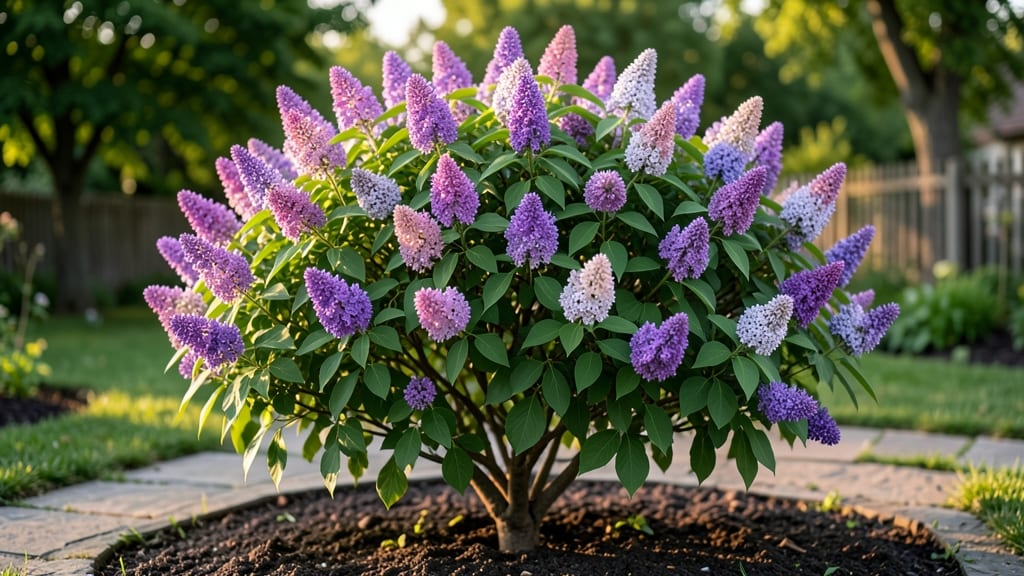
The lilac tree bloom time arrives between late April and early June, but the exact timing depends on variety and climate. 🌸 I've learned that early bloomers like 'Katherine Havemeyer' burst into color in early May, while late varieties like 'Miss Alice Hoog' hold off until late May or early June—both filling the air with that unmistakable sweetness that makes spring feel official.
The real secret to predicting bloom time? Sunlight and pruning timing. Lilacs need full sun (6+ hours daily) to set buds properly, and pruning right after blooming (not before!) ensures next year's flowers form on last year's growth.
In cooler climates (zones 3-5), blooms arrive 2-3 weeks earlier than in warmer zones (6-7), where heat can delay them.
Once you know your variety, you can plan ahead: stake out a spot near your porch or patio, time your spring cleaning for after blooms fall, and even schedule a post-bloom haircut (yes, lilacs need pruning after flowers fade). The payoff?
A 3-4 week window of daily fragrance that transforms your yard into a living perfume bottle. For gardeners in transition zones, watch for bud swell in early spring—it's your first clue that bloom time is approaching.
And if you're new to lilacs, start with a reliable variety like 'Common Purple' for a foolproof first experience.
📚 In This Guide
- What you need
- Instructions
- Tips and common mistakes
- Wrapping up and next steps
What you need
- ● Lilac Trees: Choose from varieties like Syringa vulgaris (common lilac), Syringa meyeri (dwarf lilac), or Syringa oblata (Chinese lilac). Ensure they’re planted in well-draining soil with full sun exposure (6+ hours/day). Quantity: 1–3 trees for a stunning display.
- ○ Pruning Shears: Sharp, bypass-style shears (2–4 inches long) for clean cuts. Optional: Loppers for thicker branches.
- ● Garden Gloves: Heavy-duty, nitrile-coated gloves to protect hands from thorns and sap.
- ● Mulch: 2–3 inches of organic mulch (e.g., shredded bark or wood chips) to retain moisture and suppress weeds.
- ● Fertilizer: Slow-release, balanced fertilizer (10-10-10 or 20-20-20) applied in early spring before blooms appear.
- ● Watering Can or Hose: With a gentle spray nozzle to avoid damaging new growth.
- ● pH Test Kit: To check soil acidity (ideal range: 6.0–7.0 for lilacs). Adjust with lime or sulfur if needed.
- ● Bloom Time Extenders: Epsom salt (1 tbsp per gallon of water) sprayed on foliage to boost flower production.
- ● Stakes or Supports: For young trees to prevent wind damage during peak bloom.
- ● Decorative Accents: Garden flags or stakes to label varieties (e.g., "French Lilac" or "Katherine Havemeyer").
- ● Fragrance Collectors: Glass jars or vases to preserve cut lilac sprigs for indoor arrangements.
How to time lilac tree blooms for peak fragrance
Here's how I schedule my lilac blooms for maximum scent and showstopping color across four varieties.
☀️ Step 1: Understand Your Lilac's Chill Requirements
Lilacs need 600-900 hours of chill hours (temperatures between 32-45°F) to bloom reliably. Most varieties thrive in USDA Zones 3-7, but southern gardeners should choose cold-hardy types like 'Dwarf Korean' or 'Miss Canada'. I always check my local chill hour totals—if we had a warm winter, blooms may arrive late or be sparse.
Watch for bud swell in early spring—that's your first visual cue. The buds should plump up noticeably, almost like tiny green balloons. If they stay tight and brown, your tree isn't getting enough cold exposure. For container-grown lilacs, move them to a sheltered spot before winter to protect them from extreme cold snaps.
🌱 Step 2: Prune After Bloom for Next Year's Timing
Prune lilacs immediately after flowering to shape the tree and encourage blooms for next season. Cut back old wood by one-third to stimulate new growth. I use clean, sharp pruners and make cuts just above a bud or branch junction. Never prune in fall—you'll remove next year's flower buds before they form.
Here's the thing—if you prune at the wrong time, you'll delay blooming by a full year. The buds form on the previous season's growth, so pruning too late means no flowers until the following spring. Watch for new growth in early summer—that's when the buds for next year's blooms are already developing.
🌿 Step 3: Adjust Watering for Consistent Bloom Time
Lilacs need deep watering once a week during dry spells, but too much water can delay blooming. I check the soil around the base—if it's dry 2 inches down, that's when to water. Overwatering causes root rot, which stresses the tree and pushes back bloom time. Mulch heavily (but not touching the trunk) to retain moisture and regulate soil temperature.
You'll notice healthy lilacs have glossy, dark green leaves that stay firm when gently squeezed. Yellowing leaves mean either too much water or not enough. I always water in the morning so the foliage dries quickly—wet leaves overnight invite fungal diseases that can weaken the tree and delay blooms.
⏰ Step 4: Time Blooms by Variety and Climate
Early bloomers like 'Sensation' and 'President Grevy' open in late April to early May, while late varieties like 'Katherine Havemeyer' bloom in mid to late May. In cooler climates, blooms arrive 2-3 weeks earlier than in warmer regions. I track my local frost dates—if frost threatens after buds swell, cover the tree with frost cloth to protect developing flowers.
Watch for the first buds to open fully—that's your signal to enjoy the fragrance daily. Lilacs bloom for about 10-14 days, so plan outdoor events or cuttings around this window. If blooms appear sparse, it might mean insufficient sunlight (lilacs need full sun, 6+ hours daily) or over-fertilizing with nitrogen (which promotes leaves over flowers).
🌸 Step 5: Extend the Bloom Season Strategically
To prolong blooms, cut fresh flowers daily and place them in water—this encourages the tree to produce more buds. I also avoid heavy pruning in subsequent years, as lilacs bloom on old wood. For container-grown lilacs, move them to a sunnier spot in late winter to stimulate earlier bud swell.
Here's a pro tip: If your lilac blooms fade too quickly, it might need more phosphorus. Apply a balanced 10-10-10 fertilizer in early spring before buds swell. Too much nitrogen (like lawn fertilizer) will make your tree grow leaves instead of flowers. You'll see the difference in just one season—more buds, stronger fragrance, and longer-lasting blooms.
Tips & tricks for perfect lilac bloom timing
These little-known secrets will help you coax the most spectacular fragrance and color from your lilacs—no matter your climate.
Chill Hours Check: Not all winters provide enough chill hours! If you're in a mild climate, consider planting cold-hardy varieties like 'Dwarf Korean' or 'Miss Canada' that need fewer chill hours (closer to 600). I once grew 'Katherine Havemeyer' in Zone 8 and got almost no blooms—until I switched to a variety that thrives with 700 chill hours. Check your local chill hour totals online; if you're under 600, your lilacs might need a winter in a colder microclimate or container protection.
Bud Swell Secret: The tiny green "balloons" in Step 1 are your most reliable indicator! For extra assurance, gently squeeze a bud—it should feel firm but yield slightly, like a ripe peach. If buds stay brown and hard, your tree needs more cold exposure. I've found that container-grown lilacs need 2-3 weeks of sub-40°F temperatures to trigger proper bud development. Don't skip this visual check—it's your early warning system for bloom problems.
Pruning Precision: That one-third cut in Step 2 isn't arbitrary—it's about finding the balance between shaping and preserving next year's blooms. Always cut just above a bud or branch junction (about ¼ inch above) to encourage new growth. Here's what I do: After flowering, I remove any dead wood first, then make my one-third cuts, working from the outside in. This keeps the center open for airflow and sunlight, which prevents fungal issues that can delay blooming.
Watering Wisdom: The 2-inch soil check in Step 3 is crucial, but timing matters just as much. Water deeply in the morning so foliage dries by evening—this prevents fungal diseases that weaken the tree and push back bloom time. I've seen lilacs with perfect chill hours and sunlight fail to bloom because of consistent evening watering. For container lilacs, I water when the top inch of soil feels dry, but never let them sit in soggy soil—root rot is their biggest enemy.
Pro Tips for Lilac Tree Bloom Time
- These little-known secrets will help you coax the most spectacular fragrance and color from your lilacs—no matter your climate.
- Chill Hours Check: Not all winters provide enough chill hours!
- Bud Swell Secret: The tiny green "balloons" in Step 1 are your most reliable indicator!
Frequently asked questions
Got questions about when and how lilac trees bloom? You’re not alone! Here are some of the most common inquiries—plus quick, practical answers to help you plan for that fragrant spring spectacle.
When do lilac trees typically bloom?
Most lilac trees bloom in late spring, usually between mid-April and early June, depending on your climate zone. Early bloomers like ‘Katherine Havemeyer’ might appear as early as March in warmer regions, while late varieties like ‘Dwarf Korean’ can linger into June. Chill hours (cold winter exposure) trigger blooming, so timing varies by location.
How long do lilac flowers last?
Lilac blooms are short-lived, lasting 7–14 days per flush. Some varieties (like ‘Miss Kim’) may rebloom later in summer if deadheaded early, but most focus their energy on one stunning spring show. For longer enjoyment, plant multiple varieties with staggered bloom times!
Can I control when my lilac tree blooms?
You can’t force lilacs to bloom earlier, but you can encourage healthier blooms by:
- Pruning right after flowering (never in fall/winter).
- Ensuring full sun (6+ hours/day) and well-draining soil.
- Avoiding over-fertilizing (too much nitrogen = fewer flowers!).
What should I do if my lilac tree isn’t blooming?
No flowers? Don’t panic! Common culprits include:
- Over-pruning: Lilacs bloom on old wood, so avoid heavy cuts.
- Poor sunlight: Shady spots weaken blooms.
- Age: Young trees (under 3 years) may skip flowering.
- Stress: Check for pests (like borers) or root issues.
Are there lilac varieties that bloom at different times?
To extend your blooming season, mix varieties:
- Early bloomers: ‘Neglecta’ (March–April), ‘Sensation’ (April).
- Mid-season: ‘Mme. Lemoine’ (May), ‘Common Purple’ (May–June).
- Late bloomers: ‘Dwarf Korean’ (May–June), ‘Bloomerang’ (reblooms in summer!).
Wrapping up and next steps
Now that you know when and how lilac trees bloom—from early spring’s Sybille to late-season Mme.
Lemoine—you’re ready to embrace their fragrant magic! 🌸 Whether you’re planning a garden layout, choosing varieties for your climate, or simply admiring their beauty, lilacs bring joy and color to any space. Next up: grab some pruning shears and learn how to keep your lilacs thriving for years to come!