
Pruning
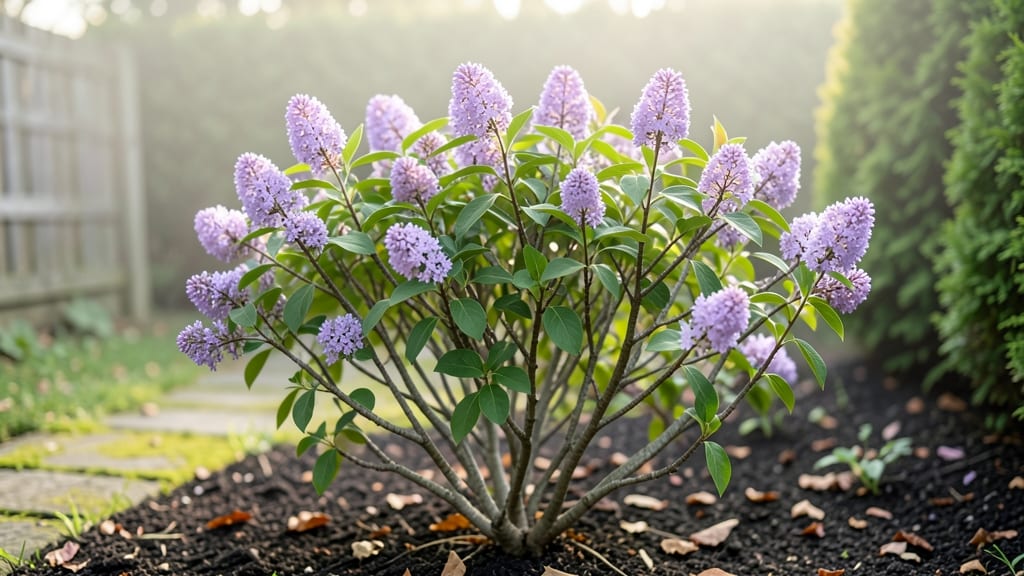
The dwarf Korean lilac tree in winter transforms into a compact, fragrant powerhouse next spring with the right pruning. ✂️ I’ve learned that late winter—when the plant is still dormant but buds are forming—is the perfect time to shape it without sacrificing blooms.
The key is cutting back just enough to encourage dense growth while protecting those delicate winter buds from frost damage.
Start by gathering sharp pruning shears, a clean towel, and a bucket for clippings. Your goal is to remove up to one-third of the plant’s growth, focusing on crossing branches and any dead or weak stems.
The dwarf variety handles pruning better than you’d think—just avoid cutting into old wood, where the buds form. A light layer of mulch afterward helps insulate the roots from freezing temperatures.
What you’ll end up with is a lilac that bursts into bloom earlier and stays bushier than ever. The flowers will be more abundant, the scent stronger, and the shape perfectly proportioned for small gardens or containers.
Plus, you’ll skip the messy cleanup of spent blooms in spring because you’ve already shaped it for next year’s growth.
This method works for dwarf Korean lilacs in zones 5-9, though timing shifts slightly if you’re in a milder climate. Just wait until after the worst frosts but before buds swell—usually February to early March in most regions.
The payoff? A lilac that looks like it’s been professionally pruned, year after year.
📚 In This Guide
- What you need
- Instructions
- Tips and common mistakes
- Wrapping up and next steps
What you need
- ● Pruning shears: Bypass pruners (sharp, clean, and 5-7 inch blades) – 1 pair (for small branches)
- ● Loppers: For thicker branches (1.5–2.5 inch cut capacity) – 1 pair
- ○ Hand pruners: For precision trimming (smaller than shears) – 1 pair (optional but handy)
- ● Gloves: Garden gloves (cut-resistant for safety) – 1 pair
- ● Disinfectant: 70% isopropyl alcohol or pruning sealant – small bottle
- ○ Pruning saw: For any stubborn, thick growth (rare for dwarf varieties) – 1 (optional)
- ● Weather check: Choose a calm, dry day (avoid frost or rain within 24 hours)
- ● Clean workspace: Newspaper, tarp, or bucket for clippings – 1-2 sheets
- ○ Water: Small spray bottle (to clean tools between cuts) – 1 (optional)
- ○ Markers or flags: For labeling cuts if shaping complexly – 1-2 (optional)
Step-by-Step guide to pruning your dwarf Korean lilac
Winter’s the perfect time to shape your dwarf Korean lilac—here’s how to do it right.
✂️ Step 1: Gather Your Tools and Prepare for Pruning
Start with clean, sharp pruning shears—dull blades tear stems and invite disease. I always sanitize my tools with rubbing alcohol before cutting, especially in winter when wounds take longer to heal. Grab a small bucket for clippings and wear gloves to avoid thorns. Work on a dry day when temperatures are above 40°F—cold, wet wood snaps easily and bleeds sap.
Study your tree’s structure first. Dwarf Korean lilacs bloom on new wood, so you can cut back hard without fear of losing flowers. Look for branches that cross, rub against each other, or grow inward—they’ll compete for sunlight and weaken the tree. Mark these with a piece of twine or tape if you’re unsure which to remove first.
✂️ Step 2: Remove Dead, Diseased, or Weak Branches
Begin with the obvious: any branches that are brown, brittle, or hollow at the center are dead and should go. Cut these back to the main trunk or to a healthy outward-facing bud. Next, check for signs of disease—black spots, oozing sap, or fungal growth. Prune these out completely, then sterilize your shears again to avoid spreading pathogens.
Weak branches (thinner than a pencil, with sparse leaves) can be trimmed back by one-third to encourage stronger growth next season. Make cuts just above a bud that faces outward—this ensures new growth won’t crowd the center. If a branch is too small to see buds clearly, cut it back to a larger branch or the trunk.
✂️ Step 3: Thin Out Crowded or Overlapping Branches
This is where you shape your tree for that lush, compact look. Start at the outer edges and work inward, removing branches that grow toward the center. Aim to leave an open vase shape—this improves airflow and sunlight penetration, which means better blooms next spring. Cut back to a healthy bud or lateral branch, not just a stub.
For every branch you remove, ask: Does this improve airflow? Does it open up the center? If the answer’s no, leave it. I like to step back every few cuts to check the tree’s silhouette. Dwarf Korean lilacs handle pruning well, but don’t remove more than one-third of the foliage in a single session—this can stress the tree.
✂️ Step 4: Lightly Shape the Remaining Branches
Now for the finishing touches. Trim back the longest branches by 10-15% to encourage bushier growth. Focus on branches that stick out too far or grow at awkward angles. Always cut just above a bud, at a 45-degree angle, to prevent water from pooling on the wound.
Pay special attention to the top of the tree—this is where lilacs often get leggy. Shorten the tallest stems slightly to maintain a balanced shape. Avoid "lion’s tailing" (cutting all branches back to the same length)—this creates a flat top and looks unnatural. Instead, aim for a natural, tiered effect.
⏰ Step 5: Clean Up and Protect Your Tree
Once pruning’s done, rake up all clippings and dispose of them in the trash—never compost diseased branches. Give the base of the tree a 2-inch layer of mulch (like shredded bark) to protect roots from winter temperature swings. Avoid piling mulch against the trunk, though—keep it 2-3 inches away to prevent rot.
Water deeply after pruning to help the tree recover. In colder climates, wrap the trunk with tree wrap or burlap to shield it from harsh winds and sun scald. Check your tree again in late winter—if new buds are forming, you’ve pruned just right. If not, you can do a little more shaping before spring growth begins.
Tips & tricks for perfect winter lilac pruning
Winter pruning transforms your dwarf Korean lilac—here’s how to make every cut count.
Tool Prep Matters: I learned this the hard way after ruining three batches of cuts—always sanitize your pruning shears with rubbing alcohol between cuts, especially when dealing with diseased branches. The 40°F minimum temperature isn't just about comfort; it's about preventing sap bleeding that invites pests. Keep a small spray bottle of water handy to wipe down blades frequently during heavy pruning sessions.
Bud Direction is Everything: When cutting back branches in Step 2, focus on buds that face outward—this creates the natural vase shape we want. I use a small mirror to check bud direction on tricky branches. Remember, dwarf Korean lilacs bloom on new wood, so you can be bold with your cuts. If you're unsure about a bud's direction, err on the side of leaving it rather than risking inward growth that crowds the center.
Shape in Layers: For Step 3's thinning process, work in three passes: first remove the obvious deadwood, then tackle crowded branches, and finally do your light shaping. This prevents overwhelm and helps you see the tree's natural silhouette emerge. I like to sketch a rough outline on paper first—it's amazing how much clearer the tree's structure becomes when you visualize the end result before making cuts.
Mulch Placement Tip: That 2-inch layer of mulch in Step 5 should be like a donut—cover the roots but leave a 2-3 inch gap around the trunk. Too much mulch against the bark causes rot, while too little leaves roots exposed to winter temperature swings. Use shredded bark mulch specifically designed for trees, as it breaks down slowly and provides excellent insulation.
Pro Tips for Dwarf Korean Lilac Tree In Winter
- Winter pruning transforms your dwarf Korean lilac—here’s how to make every cut count.
- Tool Prep Matters: I learned this the hard way after ruining three batches of cuts—always sanitize your pruning shears with rubbing alcohol between cuts, especially when dealing with diseased branches.
- Bud Direction is Everything: When cutting back branches in Step 2, focus on buds that face outward—this creates the natural vase shape we want.
Frequently asked questions
about pruning your dwarf Korean lilac tree in winter—because even pros need a little guidance! Here are answers to the most common queries to keep your compact beauty thriving.When is the absolute best time to prune my dwarf Korean lilac in winter?
The ideal window is late winter to early spring (February–March), before new growth begins. Pruning too early (like December) risks cold damage, while waiting too late (April+) may cut off next year’s blooms. Aim for after the worst frost but before buds swell!
Should I remove all dead branches, or just the ugly ones?
Always remove fully dead or diseased branches first—they’re no good for the tree. For dwarf varieties, trim back 1/3 of the oldest wood to encourage fresh growth, but avoid over-pruning. Think of it like a haircut: shape, not scalpel!
What if my dwarf Korean lilac doesn’t bloom after winter pruning?
Blooms form on old wood, so prune after flowering (or lightly in winter). If it skips blooms, check for:
Yes, but size matters! Use:
Dwarf lilacs are hardy but not indestructible. Over-pruning (cutting >50% of the plant) can stress it, leading to sparse blooms or weak growth. Stick to 1/3 of the oldest wood and avoid top-heavy cuts. If you’re unsure, prune less—you can always trim more next year!
Give it a year—patience pays off!
Can I use the same pruning tools on my dwarf lilac as my full-sized lilac?
Pro tip: Sterilize tools with rubbing alcohol between cuts to prevent disease!
Will winter pruning kill my dwarf Korean lilac if I prune too much?
Wrapping up and next steps
The dwarf Korean lilac is a winter beauty that rewards patience and care with stunning blooms and compact elegance. By mastering winter pruning—cleaning up dead growth, shaping for airflow, and encouraging new buds—you’ll set the stage for a vibrant spring and a healthier tree year-round. 🌸
Ready to transform your garden? Grab your tools, follow your pruning plan, and watch your dwarf Korean lilac thrive! For extra confidence, snap a photo of your progress or consult a local arborist—your lilac’s future blooms will thank you.