
How To
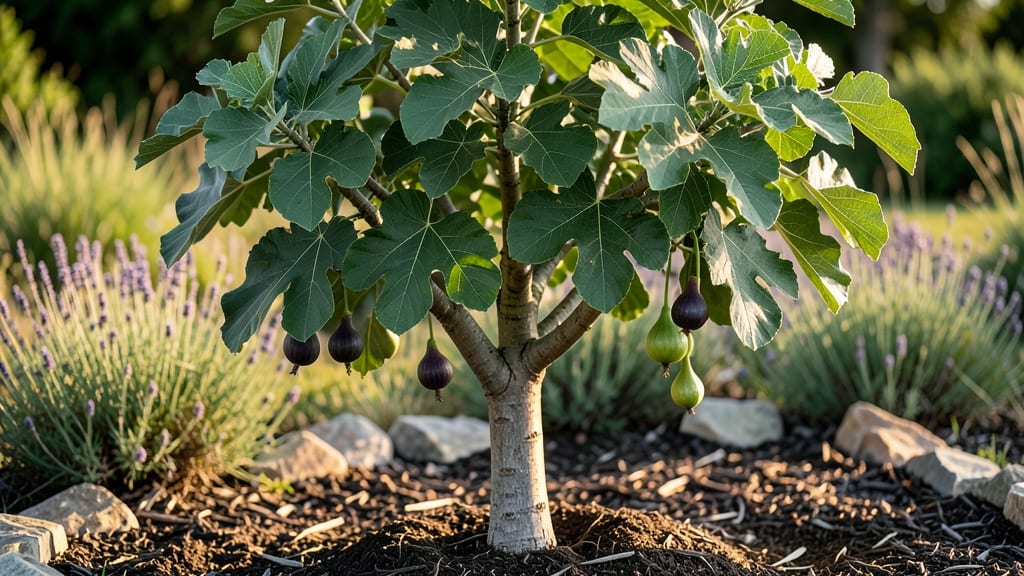
A fig tree can grow anywhere from 8 feet to towering 30 feet tall, depending on the variety and growing conditions you provide.
If you’re dreaming of growing a fig tree but worried about space, you’re not alone—some varieties stretch taller than a two-story house while others stay neatly contained in a pot.
The right choice depends on your yard, climate, and patience for pruning. For example, a Chicago Hardy fig tree stays compact at 8–12 feet, perfect for containers, while a Desert King can reach 25–30 feet if left unchecked.
In this guide, I’ll break down the height ranges of popular fig varieties, how to control growth with pruning, and the best care tips to fit a fig tree into any space—whether you’re working with a small balcony or a sprawling backyard.


Fig tree height by variety: from dwarf to towering giants
When choosing a fig tree for your garden, size matters more than you might think. Some varieties grow tall enough to shade your patio, while others fit snugly in a container on a balcony.
The difference often comes down to the variety you select and how you manage its growth. Let’s explore the height ranges of popular fig trees so you can pick the perfect fit for your space.
Fig trees are famously adaptable, thriving in USDA Zones 7-11 with the right care. But their mature heights can vary dramatically—from compact dwarf varieties under 10 feet to towering giants reaching 30 feet or more.
Understanding these differences helps you plan for pruning, container sizes, and even harvesting strategies.
Here’s the key: Dwarf figs (like Little Miss Figgy) stay under 8 feet, making them ideal for patios and containers. Semi-dwarf varieties (such as Celeste) grow 12–18 feet, perfect for small yards.
Meanwhile, standard figs (like Brown Turkey) can soar to 20–30 feet, requiring ample yard space or aggressive pruning.
If you’re growing figs in containers, dwarf varieties like Little Miss Figgy or Violette de Bordeaux are your best bet. These stay under 8 feet and thrive in 15–20 gallon pots with proper drainage. Just remember: container-grown figs need regular pruning to control height and encourage fruit production.
For larger spaces, consider Chicago Hardy or Brown Turkey, which offer cold hardiness and abundant fruit. These varieties can handle pruning to shape them into manageable sizes, but they’ll still reach 20 feet or taller without intervention.
If you love the idea of a shade tree with delicious figs, these are excellent choices.
One common misconception is that all fig trees need full sun and warm climates. While most varieties prefer 6+ hours of sunlight, some like Chicago Hardy can tolerate USDA Zone 5 with proper winter protection. This makes them ideal for northern gardens where taller varieties might struggle.
To keep your fig tree at your desired height, prune in late winter before new growth begins. Remove suckers at the base and trim back overgrown branches to encourage a bushier shape. For container-grown figs, pinch back tips in early summer to prevent them from outgrowing their pots.
Whether you’re dreaming of a backyard giant or a balcony-sized fig tree, there’s a variety that fits your space.
The key is choosing the right type and giving it the care it needs to thrive—whether that means regular pruning, container maintenance, or simply providing enough room to grow.
How to control fig tree height: pruning tips for small spaces
Controlling your fig tree’s height is all about timing and technique. Without proper pruning, even dwarf varieties can outgrow their space, while giant figs may become unmanageable.
The key is to prune at the right time—late winter or early spring—when the tree is still dormant but before new growth begins. This ensures cleaner cuts and minimizes stress on the tree.
For container-grown figs, regular pruning is essential to maintain compact growth. I recommend pruning 25% of the canopy annually to encourage bushier growth. Focus on removing overlapping branches and water sprouts (shoots growing straight up) to redirect energy toward fruit production and a fuller shape.
Step-by-Step Pruning Guide for Fig Trees
- Step 1: Timing: Prune in late winter (before buds swell) or immediately after harvest (late summer). Avoid pruning in fall or winter in cold climates.
- Step 2: Tools: Use clean, sharp pruners or a pruning saw for thicker branches. Sterilize tools with rubbing alcohol to prevent disease.
- Step 3: Remove Dead Wood: Cut out dead, diseased, or crossing branches first. These compete with healthy growth and attract pests.
- Step 4: Shape the Canopy: For taller trees, remove lower branches to open the center. For bushier growth, trim outer branches to encourage inward growth.
- Step 5: Control Height: Cut back vertical shoots to 1/3 of their length to promote branching. Avoid topping (cutting the main stem), as it stresses the tree.
- Step 6: Post-Pruning Care: Apply mulch around the base and water deeply. This helps the tree recover and reduces shock.
If you’re growing a fig tree in a pot, pruning becomes even more critical. Container-grown trees need more frequent pruning—every 3-4 months—to prevent root-bound stress. I’ve found that pinching back new growth tips in early summer also encourages a fuller, bushier habit while keeping the tree manageable.
For large fig varieties like Brown Turkey, focus on structural pruning to maintain a balanced shape. Remove suckers at the base and weak, spindly branches to redirect energy to the main structure. In my experience, annual pruning sessions keep even the tallest figs from becoming unruly.
Remember, fig trees respond well to light pruning year-round. If you notice overly long branches during the growing season, trim them back by 10-15% to maintain control. Just avoid heavy pruning in summer, as it can reduce fruit production for the next harvest.
With consistent pruning, even the tallest fig varieties can be kept in check. The goal is to balance height and spread while ensuring your tree stays healthy and productive.
Start small, observe how your tree responds, and adjust your approach as needed—your fig tree will thank you with bountiful harvests and neat, manageable growth! 🌱✂️🌳