
Pruning
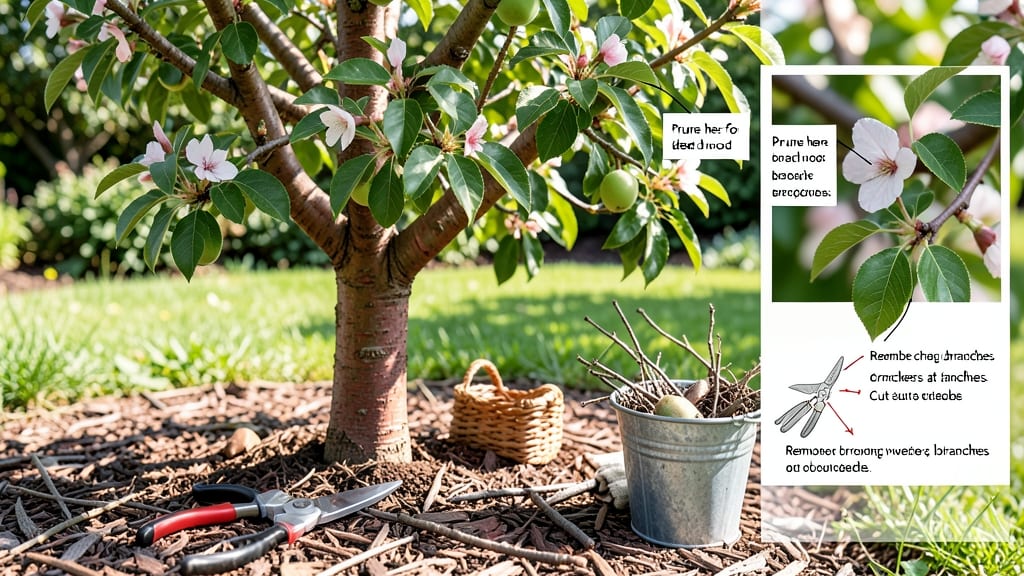
You can prune a peach tree after it blooms, but it's risky since it removes potential fruit for that season and stresses the tree. For best results, prune during late winter or early spring to maintain structural health and disease prevention.
Pruning after blooms cuts off fruit buds that have already formed, which means fewer—or even no—harvests that year. 🌸 The tree also diverts energy to healing cuts instead of supporting existing fruit, weakening its overall resilience.
If you must prune post-bloom, focus only on removing dead, diseased, or crossing branches while keeping cuts minimal to reduce stress.
For optimal growth, late-winter pruning (when the tree is still dormant) allows you to shape the canopy without sacrificing fruit production. This timing also helps prevent bacterial infections, as fresh cuts heal better in cooler weather.
If you're dealing with an emergency—like storm damage—post-bloom pruning is better than leaving hazardous branches unattended, but prioritize minimal intervention.
💡 In This Article
- Why Late-Winter Pruning Protects Peach Tree Fruit
- Safe Post-Bloom Pruning: Minimal Damage Techniques
Why late-winter pruning protects peach tree fruit
Peach trees develop fruit buds in late summer and early fall, but they remain dormant until spring. When you prune after blooms, you're cutting into these newly formed buds that were meant to produce fruit for the current season.
This disruption forces the tree to redirect its energy toward healing the wounds rather than supporting the existing fruit, which can lead to smaller yields or even complete crop failure. 🌿 The tree's natural growth cycle relies on a balance between energy allocation for fruit production and structural maintenance.
The timing of pruning directly impacts the tree's ability to fight off pests and diseases. Late-winter pruning, when the tree is still dormant, allows you to remove dead or diseased branches without exposing fresh cuts to the warm, humid conditions of spring and summer.
These conditions create the perfect environment for bacterial infections like bacterial leaf spot or peach leaf curl, which can devastate a tree's health. Pruning during dormancy also gives the tree a head start on healing before the growing season begins, reducing stress and promoting stronger growth.
Another critical factor is how the tree responds to stress. Post-bloom pruning introduces unnecessary stress by forcing the tree to heal large wounds while it's already focused on fruit development.
This dual demand can weaken the tree's immune system, making it more susceptible to attacks from pests like peach tree borers or diseases such as silver leaf fungus.
In contrast, late-winter pruning aligns with the tree's natural recovery period, allowing it to enter the growing season with minimal stress and maximum energy reserves.
Consider the example of a 10-year-old peach tree that's been neglected. If you prune it heavily after blooms, you might remove up to 30-40% of its canopy, which can reduce fruit production by 50% or more that season.
However, if you prune the same tree during late winter, you can shape it more aggressively without sacrificing fruit yield. The tree's growth hormones, like auxins, are more balanced during dormancy, allowing it to recover more efficiently.
For those who must prune post-bloom, focus on removing only the most critical branches—such as those that are dead, diseased, or rubbing against each other. Limit your cuts to 10-15% of the canopy to minimize stress.
Use sharp, clean tools to make 45-degree cuts just outside the branch collar to promote faster healing. This approach reduces the risk of fruit loss while still addressing urgent structural issues. 🌟
Ultimately, the key to protecting your peach tree's fruit lies in understanding its biological rhythms. By pruning during dormancy, you're working with the tree's natural cycle rather than against it, ensuring a healthier, more productive harvest in the seasons to come.