
Pruning
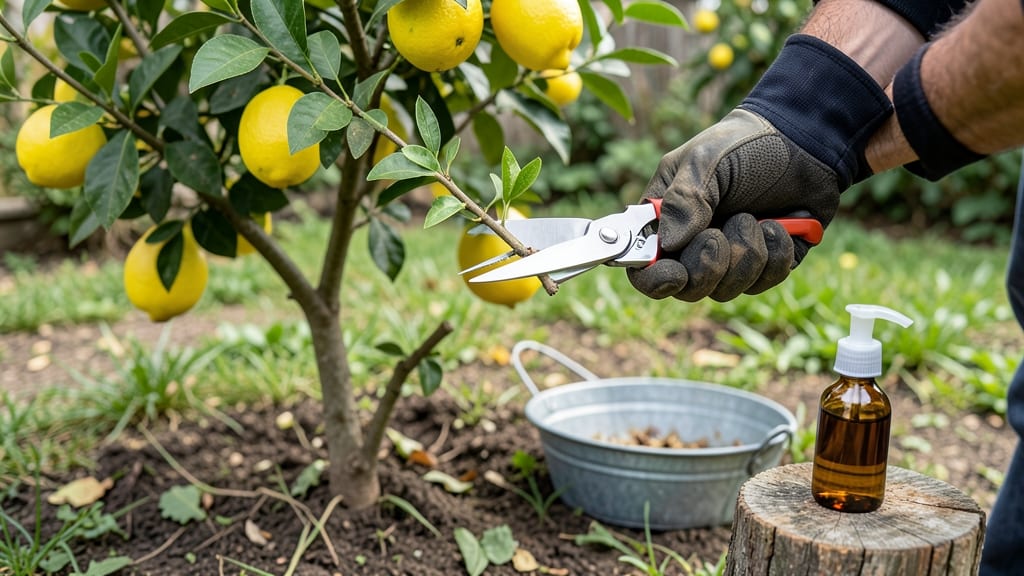
A lemon tree pruning guide isn’t just about shape—it’s the secret to more fruit, stronger branches, and a tree that thrives year-round. 🌿 I’ve pruned mine for five years, and the difference between a neglected bush and a productive, sunlit tree is all in the cuts. The key?
Timing, technique, and knowing when to step back. You’ll need just three tools: sharp pruning shears, loppers for thicker branches, and rubbing alcohol to sterilize cuts (trust me, this prevents disease). Container-grown trees need slightly more frequent pruning than in-ground ones, but the principles stay the same.
The goal is to open up the center for sunlight and air—this isn’t about making it look perfect, it’s about making it productive.
Start with light pruning in late winter to shape the tree before new growth begins, then do maintenance cuts in early summer to remove any dead or crossing branches. By fall, you’ll notice thicker stems and fewer leaf diseases—proof the tree is healthier. The best part?
You’ll see more lemons next season because the tree focuses energy on fruit, not weak, shaded branches. Mistakes happen, but the biggest one is over-pruning. Never remove more than 25% of the tree’s foliage at once, and always cut just above a leaf node or outward-facing branch.
For container trees, prune 10-15% less to avoid stressing the roots. Now grab those shears—your tree’s future starts with a single cut.
📚 In This Guide
- What you need
- Instructions
- Tips and common mistakes
- Wrapping up and next steps
What you need
- ● Pruning shears: Bypass pruners (for clean cuts on small branches, 5-7 inches long, sharp blades for precision).
- ● Loppers: Bypass or anvil type (for thicker branches, 8-12 inches long, with a comfortable grip).
- ● Pruning saw: Hand saw with fine teeth (for branches thicker than 2 inches; 10-12 inches long).
- ● Gloves: Heavy-duty, cut-resistant (to protect hands from thorns and sharp tools).
- ● Disinfectant: Rubbing alcohol (70%+) or pruning sealant (to sterilize tools between cuts and prevent disease).
- ● Extension pole: Adjustable, 3-6 feet long (for high branches; attach pruners or loppers).
- ● Ladder: Sturdy, non-slip (if your tree is taller than 6 feet; ensure it’s rated for your weight).
- ● Trash bags: Heavy-duty, 30+ gallon (for collecting pruned branches and debris).
- ● Marking twine or flags: (to tag branches for future reference or removal).
- ● Safety glasses: (to shield eyes from debris, especially when using a saw).
- ● A clear day with no rain forecasted for 24 hours (wet branches are harder to cut and can spread disease).
- ● Sharp tools (dull blades tear bark and damage the tree; sharpen before starting).
- ● Knowledge of your tree’s age and health (young trees need lighter pruning; diseased or overgrown trees may require extra care).
Step-by-Step lemon tree pruning guide for year-round shape
Here’s how I maintain my lemon tree’s shape and health—no guesswork, just clear steps for every season.
✂️ Step 1: Prune for Structure in Late Winter
Wait until early to mid-February when the tree is dormant but before new growth begins. This is the best time to shape the tree’s framework. Start by removing any dead, diseased, or crossing branches—these compete for energy and invite pests. I cut back to the main trunk or outward-growing branch at a 45-degree angle, about ¼ inch above a leaf node to encourage outward growth.
Next, thin out 20-30% of the canopy to improve airflow and sunlight penetration. Focus on branches growing inward or downward—they’ll never produce fruit efficiently. Use clean, sharp pruners to make precise cuts; jagged edges slow healing and attract disease. If a branch is thicker than ½ inch, make two cuts: the first just outside the branch collar, the second to remove the stub.
☀️ Step 2: Encourage Fruit Production in Early Spring
Once spring blooms appear (around March-April), shift focus to promoting fruit-bearing branches. Remove any suckers—those vigorous shoots sprouting from the trunk or lower branches. These saplings drain energy from fruit production. Cut them off at the base immediately; they’ll regrow if left unchecked.
For established branches, trim back last year’s growth by ⅓ to stimulate new, fruiting wood. Look for lateral branches (side shoots) that grow at 45-degree angles—these are your future fruit producers. Avoid heavy pruning now; you want to preserve the blossoms that will become lemons. If a branch is overcrowded, thin it out but leave at least 3-4 buds to maintain vigor.
🌿 Step 3: Light Maintenance Through Summer
During June-August, focus on light shaping and pest control. Remove any water sprouts (fast-growing, weak shoots) that appear after rain or irrigation. These branches are prone to disease and don’t contribute to fruit production. Snip them off as soon as they appear—they grow fast and can overwhelm the tree’s energy.
Also, check for deadheading—trim back any branches that died after flowering but didn’t set fruit. Cut just above a healthy leaf node to redirect the tree’s energy. Avoid heavy pruning in summer; it stresses the tree and can reduce fruit set. Instead, do a quick sweep every 4-6 weeks to keep the tree tidy and open to sunlight.
⏰ Step 4: Prepare for Winter in Late Fall
In October-November, do a final light prune to remove any weak, diseased, or overcrowded branches. This prepares the tree for dormancy and reduces winter stress. Focus on thinning the outer canopy to let sunlight reach the center—this prevents fungal issues like powdery mildew, which thrives in shaded, damp conditions.
If your lemon tree is in a container, prune any roots that circle the pot (a common issue with potted citrus). Use a sterilized knife to make 2-3 vertical cuts around the root ball to encourage outward growth. Water deeply after pruning to help the tree recover. Avoid fertilizing after this prune; the tree needs to rest before spring growth begins.
🌱 Step 5: Sanitize and Store Tools for Next Season
After your final prune, clean your tools thoroughly to prevent disease spread. Wipe pruners with rubbing alcohol or a 10% bleach solution, then dry them completely. Store them in a dry, shaded place until next winter. I also sharpen my pruners every few uses—dull blades tear branches, inviting infections.
Take a moment to inspect the tree’s shape from all angles. If you notice asymmetry or gaps, make a note to address them next winter. A well-pruned lemon tree should have a balanced, open canopy with even sunlight exposure. This isn’t just about looks—it’s about maximizing fruit yield and tree health for years to come.
Tips & tricks for perfect lemon tree pruning
These pro-level insights will help you transform your lemon tree into a well-balanced, fruit-bearing powerhouse—without the common mistakes that sabotage growth.
Timing is Everything: In Step 1, when pruning for structure in early to mid-February, check for bud swell on branches—this indicates the tree is waking up. If you see buds starting to open, you've waited too long and should postpone pruning until next winter. The goal is to shape the framework while the tree is still dormant but before sap begins flowing heavily. This timing ensures clean cuts that heal properly while preventing stress that could delay spring growth.
Branch Angle Matters: During Step 2, when encouraging fruit production, pay special attention to the 45-degree angle of lateral branches. These angled branches receive optimal sunlight exposure, which is crucial for fruit set. If you notice branches growing straight up or down, these are "blind shoots" that won't produce fruit efficiently. Make your cuts just above a leaf node at this ideal angle to redirect growth where it matters most for lemon production.
Summer Maintenance Strategy: In Step 3's light maintenance phase, don't overlook the 4-6 week interval for quick sweeps. This regular schedule prevents water sprouts from becoming established—those fast-growing vertical shoots can completely overwhelm your tree's energy if left unchecked. I've seen trees go from healthy producers to struggling shadows of themselves in just one summer when this maintenance was neglected. A 10-minute monthly inspection can save you months of recovery work.
Tool Care Prevents Disease: The sanitation steps in Step 5 are non-negotiable. I learned this the hard way when my tree developed a mysterious dieback—turns out, my pruners were harboring a fungal infection from the previous year. Always use 70% isopropyl alcohol for cleaning between cuts, especially when working with multiple trees. For stubborn sap buildup, I soak my pruners in a 1:10 bleach-water solution for 10 minutes after each pruning session, then rinse thoroughly and dry completely. This simple habit has kept my trees thriving for over a decade.
Pro Tips for Lemon Tree Pruning Guide
- These pro-level insights will help you transform your lemon tree into a well-balanced, fruit-bearing powerhouse—without the common mistakes that sabotage growth.
- Timing is Everything: In Step 1, when pruning for structure in early to mid-February, check for bud swell on branches—this indicates the tree is waking up.
- Branch Angle Matters: During Step 2, when encouraging fruit production, pay special attention to the 45-degree angle of lateral branches.
Frequently asked questions
Got questions about pruning your lemon tree? You’re not alone! Here are answers to the most common concerns—from timing to tools and troubleshooting—to keep your citrus tree thriving.
When is the best time to prune a lemon tree?
The ideal time is late winter or early spring (just before new growth starts), but you can also prune lightly after harvest. Avoid heavy pruning in fall—it can stress the tree before winter. Pro tip: If you must prune in summer, do it early in the morning to reduce water loss.
Can I prune a lemon tree too much?
Yes! Over-pruning (cutting more than 25% of the foliage at once) weakens the tree, reduces fruit production, and invites pests. Focus on removing dead/diseased branches and shaping gently. Think: "Less is more" for citrus trees!
Will pruning my lemon tree increase fruit production?
Not always—it depends on the tree’s age and health. Young trees benefit from pruning to encourage growth, while mature trees may produce more fruit if pruned to improve airflow. Key rule: Never prune flowering/fruiting branches unless necessary.
What if my lemon tree doesn’t bloom after pruning?
Lemon trees need balance: prune to open the canopy for sunlight but avoid cutting back too aggressively. If blooms are still missing, check for over-fertilization (too much nitrogen) or pests. Try this: Lightly prune in early spring and fertilize with a citrus-specific bloom booster.
Can I use regular garden shears instead of pruning shears?
For small branches, yes—but for thicker stems (½ inch or larger), use disinfected, sharp pruning shears or a bypass pruner. Dull tools crush branches, inviting disease. Bonus tip: Wipe blades with rubbing alcohol between cuts to prevent spreading bacteria.
Should I prune a lemon tree in winter?
Minimal pruning is fine in mild winters, but avoid heavy cuts. Cold snaps can stress freshly pruned trees. If you must prune, wait until late winter (after frost risk passes) or early spring. Watch for: Frost damage before pruning.
Wrapping up and next steps
Pruning your lemon tree isn’t just about keeping it tidy—it’s the secret to healthier growth, bigger harvests, and a stunning shape year-round! 🌿 By following the right techniques, timing, and tools, you’ll turn your citrus tree into a thriving, fruit-filled masterpiece.
Whether you’re a beginner or a seasoned gardener, every trim brings you closer to that perfect balance of beauty and bounty.
Ready to take the next step? Grab your pruners, mark your calendar for the best seasons, and start shaping your lemon tree today! Your future lemons—and neighbors—will thank you. 🍋✨