
Pruning
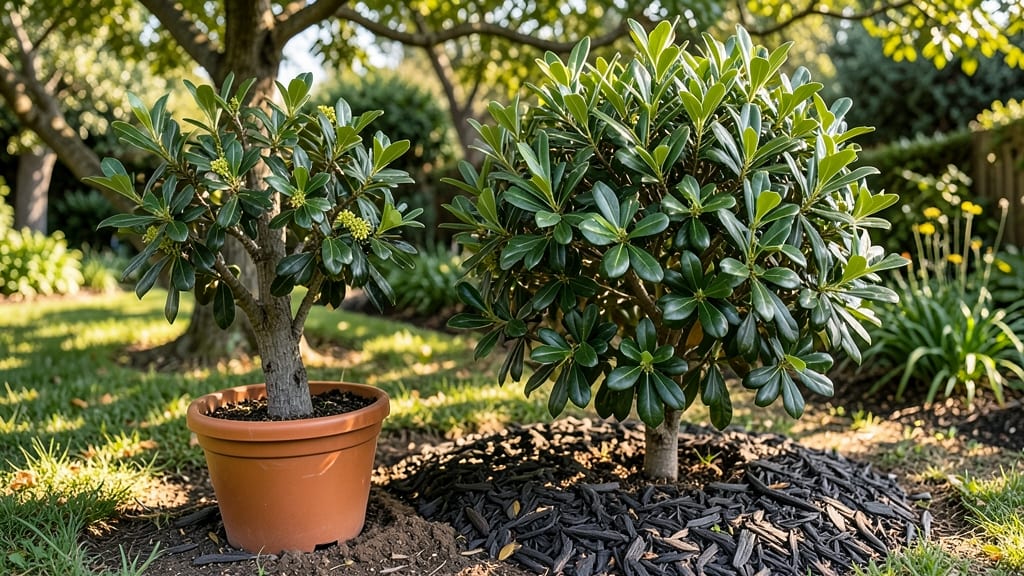
My laurel tree care routine starts with pruning—because a single cut can transform a scraggly shrub into a year-round lush showstopper. 🌿 The key isn’t just when you prune, but how: shaping while the plant’s actively growing ensures dense foliage that stays vibrant even in winter.
I’ve learned that laurel trees reward patience—cut too much at once, and you’ll stunt their growth for seasons.
You’ll need sharp bypass pruners (dull blades tear leaves), a ladder for taller varieties, and a clear morning to work—laurel trees bleed sap when cut, but fresh cuts heal quickly in sunlight.
The best time to prune is late winter or early spring, just as new growth begins, though light shaping after flowering keeps them tidy all season. For formal hedges, I trim every 4-6 weeks to maintain shape.
After pruning, your laurel will respond with thicker foliage and a fuller silhouette—just don’t overdo it. Each cut should remove no more than 1/3 of the plant’s height in a single session, or you’ll shock the roots.
The smell of crushed leaves (that classic laurel aroma) is your signal that you’re on the right track. Over time, this method turns a basic shrub into a structured, evergreen centerpiece that never goes out of style.
Works for both English laurel (Prunus laurocerasus) and cherry laurel (Prunus caroliniana), though the latter handles heavier pruning. For fast results, focus on removing crossing branches and dead wood first—these are the easiest cuts that make the biggest difference. Now, let’s get those shears ready!
📚 In This Guide
- What you need
- Instructions
- Tips and common mistakes
- Wrapping up and next steps
What you need
- ● Pruning shears: Sharp, bypass shears (4–6" blade length) for clean cuts on small branches.
- ● Loppers: 8–10" bypass loppers for thicker branches (up to 2" diameter).
- ● Pruning saw: A curved-tooth saw for branches thicker than 2".
- ● Gloves: Heavy-duty, cut-resistant gloves to protect your hands from thorns and rough bark.
- ○ Disinfectant: 70% isopropyl alcohol or a pruning sealant (optional but recommended to prevent disease).
- ● Ladder or step stool: Sturdy and tall enough to reach the tree’s highest branches safely.
- ● Trash bags or bucket: For collecting pruned branches and debris.
- ● Marking twine or spray paint: To flag branches you plan to cut (helpful for complex pruning).
- ● Hand pruners for precision trimming on tiny branches.
- ● Pole pruner for high-reach branches (if no ladder is available).
- ● Safety goggles to protect against debris.
- ● Tree wound dressing (controversial—skip if unsure; laurel trees heal well on their own).
Step-by-step guide to pruning laurel trees for year-round health
Here’s how I keep my laurel trees thriving with precise pruning techniques that encourage dense growth and maintain their natural shape.
✂️ Step 1: Time Your Pruning for Optimal Growth
Prune laurel trees in early spring, just as new growth begins. This timing ensures you remove dead wood while stimulating fresh foliage before summer heat sets in. Avoid heavy pruning in late summer or fall—it can leave branches vulnerable to winter damage or fungal infections.
Look for dormant buds along the stems; these signal readiness. If you must prune lightly for shape, do it in late winter when the tree is still dormant but before buds swell. Never prune in extreme heat—laurel trees are sensitive to stress, and summer cuts can scorch new growth.
✂️ Step 2: Remove Dead, Diseased, or Crossing Branches First
Start by inspecting the tree for dead branches—they’ll be brittle, brown, or snap easily when bent. Cut these out at the branch collar, the swollen area where the branch meets the trunk. Use clean, sharp bypass pruners to make a clean cut without tearing the bark.
Next, remove any branches that cross or rub against others. These create wounds that invite pests and disease. Cut back to the nearest outward-facing bud or branch fork. If a branch is diseased (look for discolored leaves, oozing sap, or fungal spots), sterilize your tools with rubbing alcohol between cuts to prevent spreading pathogens.
✂️ Step 3: Thin the Canopy for Airflow and Light Penetration
Laurel trees thrive with open, airy canopies that allow sunlight to reach the lower branches. Step back and identify areas where branches are too dense. Focus on removing smaller, interior branches that block light from reaching the center of the tree.
Cut back to a healthy outward-facing bud or lateral branch. Avoid leaving stubs—always make cuts just beyond the bud or branch collar. For thicker branches over ½ inch, use loppers and make the cut just outside the branch collar at a 45-degree angle to shed water away from the wound.
✂️ Step 4: Shape the Tree Gradually for Natural Balance
Laurel trees grow well with minimal shaping, but if you want a more structured look, prune no more than 25% of the foliage in one season. Focus on softening the outline by trimming back long, leggy branches to encourage bushier growth.
Use your hand as a guide—if a branch is longer than your handspan, it’s likely overgrown. Cut back to a strong lateral branch or bud. Avoid cutting into old wood, as laurel trees struggle to regrow from large wounds. For formal shapes, make cuts just above a leaf node to promote new growth in the desired direction.
🌿 Step 5: Clean Up and Monitor for Recovery
After pruning, rake up all debris and dispose of it properly—don’t leave clippings under the tree, as they can harbor pests or disease. Sterilize your tools again with rubbing alcohol or a 10% bleach solution to prevent cross-contamination if you move to another tree.
Water the tree deeply after pruning to help it recover. Monitor the pruned areas for new growth within 4-6 weeks. If you see yellowing leaves or wilting, it may indicate over-pruning or stress—reduce future cuts and focus on care instead.
Tips & tricks for pruning laurel trees
Pruning laurel trees isn't rocket science, but these pro tips will help you avoid common mistakes and keep your tree looking its best all year.
Timing is Everything: Early spring is your golden window because it aligns with the tree's natural growth cycle. I've seen too many gardeners prune in summer and end up with stressed trees that struggle to recover. If you must prune for shape, late winter works—but only if you catch it before buds swell. The key is to work with the tree's rhythm, not against it.
Tool Prep Prevents Problems: Sterilizing your tools between cuts is non-negotiable. I learned this the hard way after seeing fungal infections spread between branches. Use rubbing alcohol or a 10% bleach solution between each cut, especially when dealing with diseased branches. Sharp tools matter too—dull pruners tear bark, creating wounds that take forever to heal. Invest in quality bypass pruners for clean cuts that promote faster recovery.
The 25% Rule for Healthy Growth: Never remove more than 25% of the foliage in one season—that's the magic number for laurel trees. I've seen gardeners overzealous with pruning, only to watch their trees struggle for years. When in doubt, step back and visualize the tree's natural shape. Your goal should be to enhance, not transform, its appearance. Think of pruning as sculpting, not hacking.
Visual Cues for Perfect Cuts: When thinning branches, always cut just beyond the outward-facing bud or branch collar. This simple technique ensures new growth emerges in the direction you want. For branches over ½ inch thick, make your cut at a 45-degree angle to shed water away from the wound. I use my hand as a guide—if a branch is longer than my handspan, it's likely overgrown and needs attention. This visual method takes the guesswork out of pruning decisions.
Pro Tips for Laurel Tree Care
- Pruning laurel trees isn't rocket science, but these pro tips will help you avoid common mistakes and keep your tree looking its best all year.
- Timing is Everything: Early spring is your golden window because it aligns with the tree's natural growth cycle.
- Tool Prep Prevents Problems: Sterilizing your tools between cuts is non-negotiable.
Frequently asked questions
about laurel tree care—because even pros need a little guidance! Here are answers to the most common questions to keep your tree thriving.When is the best time to prune a laurel tree?
Prune your laurel tree late winter or early spring (just before new growth starts) for optimal results. Avoid heavy pruning in late summer or fall, as it can stimulate tender growth that may not survive winter. Light shaping can be done year-round, but avoid pruning during extreme heat or cold.
How much can I prune my laurel tree without harming it?
Laurel trees are tough and can handle moderate pruning—up to 25-30% of the foliage in a single session. Over-pruning (beyond 30%) can stress the tree, so space out heavy cuts. Always use clean, sharp tools to minimize damage and encourage faster healing.
Why are my laurel tree leaves turning yellow or brown?
Yellowing or browning leaves often signal overwatering, underwatering, or pests. Check soil moisture (it should be evenly damp but not soggy). Spider mites or scale insects can also cause browning. Treat with neem oil or insecticidal soap if pests are suspected, and adjust watering habits accordingly.
Can I grow a laurel tree in a container, and how do I prune it?
Yes! Laurel trees thrive in containers if given well-draining soil and regular pruning to control size. Prune container-grown laurels year-round to maintain shape, but avoid heavy cuts. Repot every 2-3 years to refresh soil and prevent root-bound stress.
What’s the difference between pruning a bay laurel vs. cherry laurel?
Both need similar care, but cherry laurels (like Prunus laurocerasus) benefit from harder pruning to encourage dense growth, while bay laurels (like Laurus nobilis) prefer gentler shaping to preserve their delicate foliage. Always match pruning intensity to the tree’s growth habit!
Wrapping up and next steps
Caring for your laurel tree doesn’t have to be intimidating—with the right pruning techniques, you’ll enjoy a year-round lush and beautifully shaped tree that thrives in your landscape. 🌿 Whether you’re shaping it for hedges, topiary, or natural growth, consistency is key.
Start small, observe your tree’s response, and adjust as needed.
Ready to give your laurel tree the TLC it deserves? Grab your tools, mark your calendar for seasonal pruning sessions, and watch your hard work pay off in vibrant, healthy foliage! Happy pruning! ✂️