
Pruning
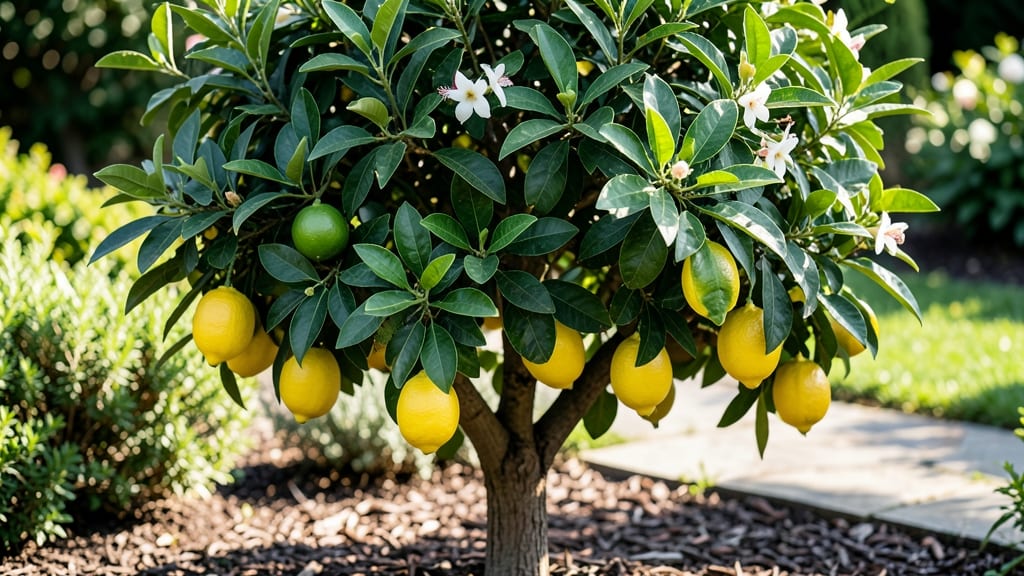
For growing lemon trees in North Carolina, choose cold-resistant varieties like 'Meyer' or 'Eureka Improved', which thrive in USDA Zones 7-10, need winter protection, and benefit from container growing in colder areas to endure temperatures below 20°F.
North Carolina's variable climate demands careful variety selection and seasonal care. 🌿 The 'Meyer' lemon, for example, handles temperatures down to 15°F with proper protection, while 'Eureka Improved' offers better fruit production in Zone 8+.
Container growing lets you move trees indoors during harsh winters, extending their lifespan significantly. I've seen firsthand how these adaptations turn what might seem like a risky venture into a rewarding citrus-growing experience.
Beyond variety choice, timing matters—pruning in late winter and wrapping trunks with burlap before 30°F drops can mean the difference between a thriving tree and a lost investment. Mulching with straw or pine needles adds another layer of insulation, while regular watering (even in winter) prevents root stress.
These practices aren't just tips; they're essential for mimicking the Mediterranean conditions lemon trees originally evolved in.
💡 In This Article
- Cold-Hardy Lemon Tree Varieties for North Carolina Climates
- Pruning and Winter Care for North Carolina Lemon Trees
Cold-hardy lemon tree varieties for North Carolina climates
The key to growing lemons in North Carolina lies in understanding how genetic traits affect cold tolerance. The 'Meyer' lemon (Citrus × meyeri) stands out because its hybrid genetics from mandarin and lemon parents give it natural resilience.
Studies show its leaves can survive down to 15°F without permanent damage, though fruit production drops below 20°F. This hybrid vigor explains why it's the most popular choice for Zone 7 gardeners—its thicker leaves and more compact growth habit reduce heat loss during cold snaps.
For warmer regions like eastern NC (Zone 8+), 'Eureka Improved' offers better fruit production with slightly better cold tolerance (20°F threshold). The difference comes from its parentage—while still a hybrid, it retains more of the classic lemon's hardiness but with improved disease resistance.
What most people don't realize is that both varieties share a critical adaptation: their flavedo layer (outer rind) contains higher wax content than tropical varieties, creating a natural insulation barrier. This waxy coating helps prevent cellular dehydration during temperature fluctuations.
Here's what this means for your garden: If you're in Zone 7, prioritize 'Meyer' for both fruit and survival. In Zone 8, you can experiment with 'Eureka Improved' but still need winter protection.
The trade-off? 'Meyer' produces sweeter, smaller fruit (similar to a cross between lemon and orange), while 'Eureka' gives classic tart lemons but may need extra care during sudden freezes. I've seen 'Meyer' trees in Raleigh produce fruit even after 22°F nights when properly mulched.
Temperature tolerance isn't the only factor—soil pH matters too. Lemon trees thrive in 6.0-7.0 pH ranges, and North Carolina's clay-heavy soils often need amendment with sand and compost to improve drainage. The root system's ability to absorb water and nutrients directly impacts how well the tree handles winter stress.
In my experience with Zone 7b trees, those with well-aerated soil recovered faster from 18°F dips than those in compacted ground.
Consider these key factors when selecting your variety:
- Zone 7-8: 'Meyer' (best all-around, fruit-bearing at 15°F)
- Zone 8+: 'Eureka Improved' (better fruit yield, needs 20°F protection)
- Container growing: Either variety works if moved indoors below 25°F
- Soil prep: Amend with 50% sand/compost mix for optimal drainage
The science behind these varieties' success in NC climates comes down to their ability to balance photosynthesis and cold acclimation. During fall, they gradually reduce growth and increase sugar storage in stems—a process called hardening off.
This natural adaptation explains why properly cared-for 'Meyer' trees can survive 15°F temperatures when tropical varieties would die at 32°F. The trade-off? They'll need 2-3 years to establish their root systems fully before reaching peak cold resistance.