
Pruning
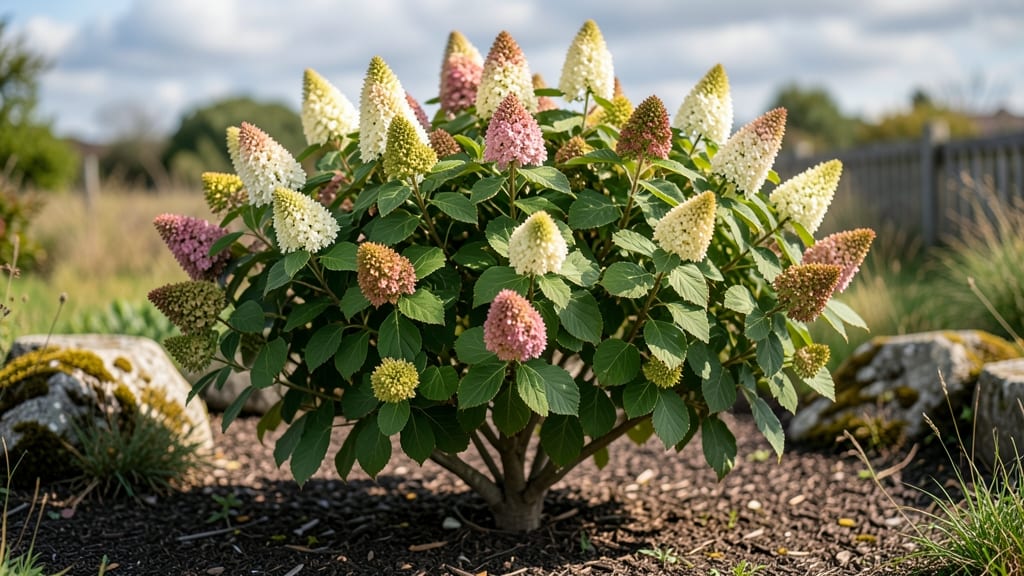
Fall is when your hydrangea tree makes its final move toward winter blooms—or fails to. ✂️ The right late-season pruning now determines whether next spring’s flowers arrive bold and vibrant or sparse and weak.
I’ve spent years watching hydrangeas struggle through winters, and the difference between a thriving tree and a sad one always comes down to these few cuts.
The timing matters more than you think. Prune too early, and you risk frost damage to fresh cuts. Too late, and the tree won’t harden off properly. Aim for mid-to-late October, after the first hard frost but before the ground freezes solid.
Focus on removing dead or crossing branches first—these are the ones that steal energy from next year’s blooms. Hydrangeas store nutrients in their roots, so every clean cut helps them prepare.
What you’ll end up with is a tree that wakes up stronger in spring, with buds already forming along last year’s wood. The branches will look cleaner, the center will stay open for airflow, and you’ll avoid the heartbreak of next year’s sparse blooms.
This isn’t just about pruning—it’s about setting up your hydrangea for a comeback that’ll make your neighbors ask, “What’d you do to yours?”
Works for all hydrangea varieties, from the classic oakleaf to the showy panicle types. Just remember: sharp tools, clean cuts, and a little patience. Here’s how to do it right without guessing.
📚 In This Guide
- What you need
- Instructions
- Tips and common mistakes
- Wrapping up and next steps
What you need
- ● Pruning shears: Bypass pruners with sharp, sterilized blades (for clean cuts on smaller branches). Quantity: 1 pair.
- ● Loppers: For thicker branches (½"–1.5" diameter). Quantity: 1 pair.
- ○ Pruning saw: For branches thicker than 1.5". Quantity: 1 (optional but helpful for stubborn growth).
- ● Gloves: Heavy-duty, cut-resistant gloves (hydrangeas can be thorny!). Quantity: 1 pair.
- ● Disinfectant: 70% isopropyl alcohol or a pruning sealant (to prevent disease spread). Quantity: Small bottle.
- ● Rake or broom: For clearing fallen leaves/debris. Quantity: 1.
- ● Trash bags: For pruned branches and debris. Quantity: 2–3.
- ● Ladder (if needed): Sturdy, extendable ladder for tall trees. Height: At least 10–12 ft (adjust based on tree height).
- ● Hand pruners: For precision cuts on tiny stems.
- ● Pruning paint: To seal large cuts (reduces sap oozing).
- ● Mulch: Organic mulch (2–3 inches) to protect roots over winter.
- ● Notebook & pen: To jot down pruning notes or tree observations.
- ● Safety gear: Safety glasses (if sawing large branches).
How to prune a hydrangea tree in fall for winter-blooming success
Fall is the perfect time to shape your hydrangea tree—here's how to do it right.
🌿 Step 1: Assess the Tree's Current Structure
Start by examining your hydrangea tree from all sides. Look for branches that are crossing, rubbing against each other, or growing inward—they'll compete for sunlight and weaken the plant. I always scan for dead or diseased branches first; these will show as brown, brittle stems or leaves with black spots. Mark these with a small piece of twine or a plant tag so you don't miss them later.
Next, identify any branches that are growing too low or too close to the trunk. These can block airflow and encourage pests. Pay special attention to the tree's natural shape—hydrangeas grow best when they have an open, airy structure. If your tree has become too dense, you'll need to thin out some branches to restore balance.
✂️ Step 2: Remove Dead, Diseased, or Problematic Branches
Use sharp, clean pruning shears to make your first cuts. Start with any dead or diseased branches—cut them back to the trunk or to a healthy lateral branch. Always make cuts at a 45-degree angle, about ¼ inch above a bud or lateral branch. This angle helps water run off the cut and prevents rot.
For branches that are crossing or rubbing, remove the smaller one entirely. If two branches are equal in size, keep the one that grows outward and remove the inward-growing branch. Never leave stubs—this invites disease. When cutting larger branches, make a second cut just outside the branch collar (the swollen area where the branch meets the trunk) to avoid tearing the bark.
☀️ Step 3: Thin Out the Canopy for Better Airflow
Step back and look at the tree's overall shape. Your goal is to create an open, vase-like structure that allows sunlight and air to reach the center. Start by removing about 20-30% of the branches—this might sound drastic, but thinning encourages stronger growth and more abundant blooms next season. Focus on branches that are growing too close together or blocking light from reaching the inner branches.
When thinning, cut branches back to their origin point (where they branch off from another stem). Avoid cutting back to stubs—this can damage the tree. If you're unsure whether to keep or remove a branch, err on the side of removal. You can always prune less next time, but you can't undo over-pruning.
⏰ Step 4: Shape the Tree for Winter Hardiness
Now it's time to refine the tree's shape. Hydrangeas respond well to light pruning in fall, so avoid heavy cuts that could stimulate new growth before winter. Instead, focus on creating a balanced, symmetrical shape. Start at the bottom and work your way up, trimming branches that are growing too long or too low.
For a more natural look, avoid cutting back to a specific number of buds or leaves. Instead, trim branches to maintain a gradual taper—thicker at the base and thinner at the top. This shape helps the tree withstand winter winds and snow. Once you're done, step back and admire your work. Your hydrangea tree should now have an open, airy structure with plenty of room for new growth in spring.
🌱 Step 5: Clean Up and Prepare for Winter
After pruning, rake up and dispose of all fallen leaves and debris. This helps prevent pests and diseases from overwintering in your garden. If you notice any signs of pests (like aphids or spider mites), treat the tree with a horticultural oil or insecticidal soap according to the product's instructions.
Finally, apply a 2-3 inch layer of mulch around the base of the tree, but keep it 6 inches away from the trunk to prevent rot. This helps insulate the roots and retain moisture. Water the tree deeply before the first hard frost to ensure it's hydrated for winter. With proper fall pruning, your hydrangea tree will reward you with stunning blooms next season.
Tips & tricks for pruning your hydrangea tree in fall
Let me save you from the common mistakes I've seen over the years when it comes to fall pruning—these little details make all the difference for next spring's blooms.
Tool Prep: Before you even look at your tree, sharpen your pruning shears and disinfect them with rubbing alcohol. Dull blades tear bark and create jagged cuts that invite disease. I always clean my tools between cuts when removing diseased branches—this prevents spreading any potential infections throughout the tree.
Branch Selection Strategy: In Step 3, when you're thinning out that 20-30% of branches, focus on the ones growing inward first. These are the real culprits that create dense centers where air can't circulate. I use a simple trick: hold your arms out like a "T" and imagine sunlight streaming through—any branch that would block that light needs to go. Remember, you can always remove more later if needed, but you can't put back what you've cut.
Winter Prep Detail: That 2-3 inch layer of mulch in Step 5 is crucial, but here's what nobody tells you—break up any large clumps before spreading it. You want a fluffy, even layer that insulates roots without compacting. Also, avoid piling mulch against the trunk—this creates a moist environment that encourages rot. Think of it like a cozy blanket that stops at the tree's shoulders, not its neck.
Pruning Timing: The key window for fall pruning is after the first hard frost but before the ground freezes completely. This timing gives the tree just enough time to heal from cuts before winter sets in. I always check my local frost dates and schedule pruning for mid-to-late November in my zone. If you're unsure, err on the side of earlier rather than later—your tree will thank you with stronger growth in spring.
Pro Tips for Hydrangea Tree In Fall
- Let me save you from the common mistakes I've seen over the years when it comes to fall pruning—these little details make all the difference for next spring's blooms.
- Tool Prep: Before you even look at your tree, sharpen your pruning shears and disinfect them with rubbing alcohol.
- Branch Selection Strategy: In Step 3, when you're thinning out that 20-30% of branches, focus on the ones growing inward first.
Frequently asked questions
about hydrangea trees in fall—because even the pros need a little clarity! Here are answers to the most common queries to help you master late-season pruning like a pro.When is the exact best time to prune a hydrangea tree in fall?
The ideal window is after the first hard frost (when leaves turn brown) but before winter dormancy sets in (typically late November to early December in most climates). This timing balances safety for the plant and prepares it for winter blooms. Avoid pruning too early—new growth won’t harden off before cold snaps!
Will pruning my hydrangea tree in fall kill it?
Not if done correctly! Pruning in fall is safe for deciduous hydrangeas like oakleaf or panicle types, but avoid heavy cuts on bigleaf or smooth hydrangeas (they bloom on old wood). Focus on removing dead/diseased wood and shaping—just skip the drastic cuts. Think of it as a haircut, not a buzz cut!
How much can I trim back my hydrangea tree in fall?
For most varieties, aim to reduce stems by 1/3 to 1/2—no more! Cut just above a bud or outward-facing branch to encourage fuller growth. Avoid “topping” (cutting flush to the trunk), which stresses the plant. Pro tip: Use sharp bypass pruners to make clean cuts and prevent tearing.
Can I still get flowers next year if I prune too late?
Late pruning (after mid-December) can delay spring blooms, but it won’t kill your tree. If you miss the fall window, prune in early spring (before buds swell) instead. Just be patient—hydrangeas are resilient! For winter-blooming varieties (like panicle types), late pruning is less risky than for spring-bloomers.
What’s a good alternative if my hydrangea tree doesn’t survive fall pruning?
If your tree struggles, consider layering (bending low branches to root) or propagating cuttings in water. For a quick fix, plant a hardy shrub alternative like butterfly bush (Buddleia) or smoke bush (Cotinus), which also thrive in fall colors and require minimal pruning. Both offer similar seasonal interest with fewer fuss!
Wrapping up and next steps
Fall is the perfect time to shape your hydrangea tree for stunning winter blooms—just remember: timing, technique, and patience are key! 🌿 With the right tools and a gentle hand, you’ll set your tree up for vibrant spring growth.
Now that you’re armed with tips on pruning, fertilizing, and protecting against frost, take action this season—your future blooms will thank you!
Ready to transform your garden? Start small:
- Pick one branch to practice pruning today.
- Check local frost dates to plan your final trim.
- Share your progress—tag us @GardenGuru for inspiration!