
Pruning
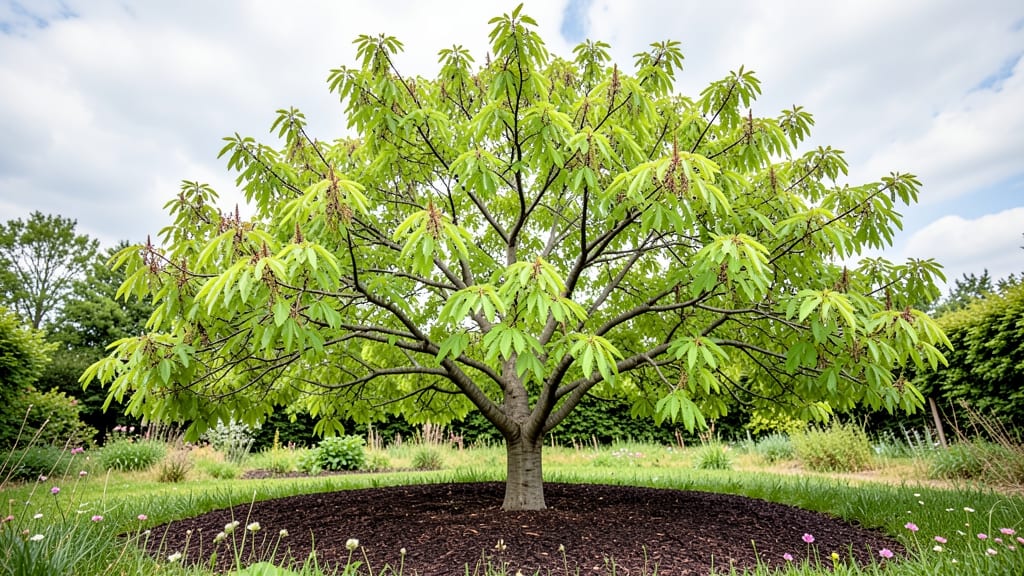
Mulberry trees in spring begin growth when buds swell in late March to early April, with leaves emerging 2-4 weeks later. Prune after leaf drop (late winter) but before buds break to encourage healthy fruit production and shape the tree.
Spring is when mulberry trees truly come alive, with their growth cycle kicking off when those first buds swell—usually between late March and early April in most climates. 🌱 The timing can shift slightly depending on your USDA zone (5-9), but the key is watching for those telltale plump buds that signal the tree is waking up.
Once leaves appear, typically 2-4 weeks after bud swelling, you'll know the tree is actively photosynthesizing and preparing for fruit production. This is also the perfect window to assess last year's growth and plan your pruning strategy.
Pruning at the right time is critical—doing it after leaf drop but before buds break gives you the best results. This timing ensures you're not cutting into next year's fruit-bearing wood while still removing dead branches and shaping the tree for optimal air circulation.
I always recommend using sharp pruning shears and making clean cuts just above a bud or branch collar to promote faster healing and stronger regrowth.
💡 In This Article
- Spring Mulberry Tree Growth Stages Explained
- Pruning Mulberry Trees for Optimal Spring Fruit Yield
Spring mulberry tree growth stages explained
Mulberry trees kick off their spring growth when dormancy ends and buds begin swelling—typically between late March and early April in most regions. This process is triggered by rising temperatures and increasing daylight hours, a phenomenon called vernalization.
The buds contain meristem cells that swell as they prepare to burst, a visible sign the tree is breaking dormancy.
In colder climates (USDA zones 5-6), this may happen slightly later, around mid-April, while warmer zones (7-9) can see bud swelling as early as late February. 🌿 The speed of this process depends heavily on soil temperature—warmer soils accelerate growth, while cold, wet springs can delay it.
Once buds swell, the next stage is leaf emergence, which usually occurs 2-4 weeks later. New leaves start as tight, reddish buds that unfurl into broad, lobed foliage. The first leaves are often smaller and more tender, a protective adaptation against early-season pests.
During this time, the tree is rapidly increasing its photosynthetic capacity, which directly impacts fruit production later in the season.
In my experience, trees in USDA zone 7 with consistent daytime temperatures above 55°F show the fastest leaf emergence, while colder zones may take up to 6 weeks for full foliage.
What most people don't realize is how critical this early growth phase is for fruit development. The tree's energy reserves, stored in roots and branches during winter, fuel this spring growth.
If pruning is done incorrectly—like cutting into active growth buds—you can reduce the tree's ability to produce fruit by up to 30%.
The key is timing: prune after leaf drop (when the tree is still dormant) but before buds swell, allowing the tree to allocate energy to new growth rather than healing wounds. This is why professional arborists often recommend a late winter to early spring pruning window.
The growth rate during these early stages is impressive—mulberry trees can add 12-24 inches of new growth per season under ideal conditions. However, this varies by cultivar: Illinois Everbearing mulberries grow faster than Texas Evergreen varieties.
The rapid growth is driven by the tree's need to establish a strong canopy for photosynthesis, which supports both leaf production and fruit development. During this time, you'll also notice new shoots emerging from the base of the tree, a sign of vigorous regrowth that's essential for fruit-bearing branches.
Monitoring your tree's growth stages is easier than you think. Start by checking for bud swell in late March, then track leaf emergence by marking new growth with a soft tie or flag.
Pay attention to the color and texture of new leaves—healthy leaves are deep green and slightly waxy, while stressed leaves may appear yellow or curled.
This visual assessment helps you determine if the tree needs additional nutrients or if pests are interfering with normal growth patterns. 🌱 Understanding these stages ensures you can intervene at the right time, whether it's pruning, fertilizing, or simply admiring the tree's transformation.
One common mistake gardeners make is assuming all mulberry trees follow the same timeline. While the general pattern holds, local microclimates can shift these stages by 1-2 weeks.
For example, a mulberry tree in a sunny, sheltered spot may leaf out 10 days earlier than one in a windy, shaded area. This variability is why observing your specific tree is more reliable than relying on calendar dates.
By tuning into these natural cues, you'll develop a deeper connection with your tree's growth cycle and be better prepared to support its needs throughout the season.