
Pruning
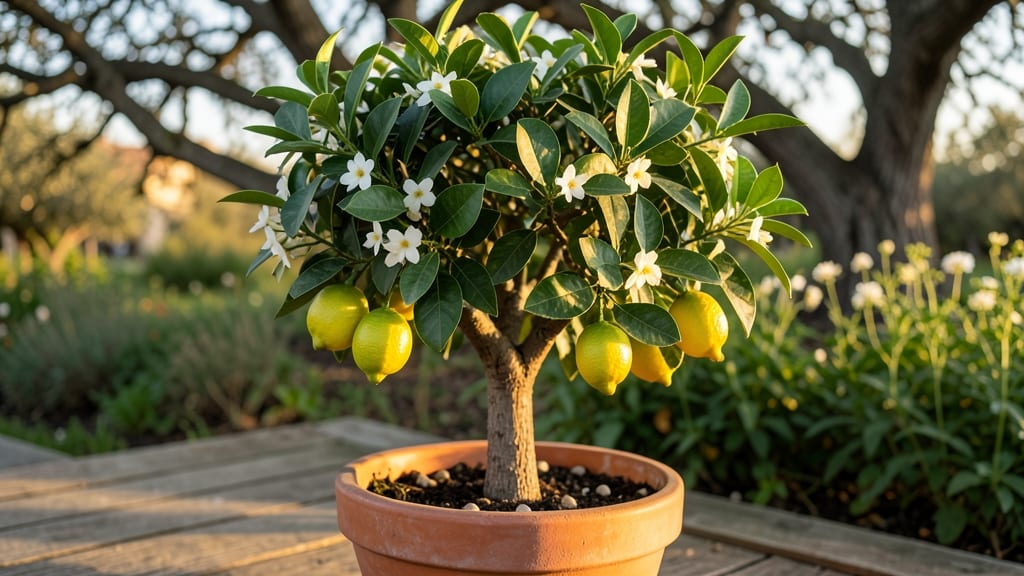
How to take care of a lemon tree in a pot means fragrant blossoms and juicy fruit—even on a tiny balcony. 🌿 The secret isn’t complicated: it’s sunlight, water, and a little winter TLC that keeps these trees productive for years. My first potted Meyer lemon tree struggled until I adjusted its routine, and now it bears fruit twice a year.
You’ll need a 15-20 gallon pot with drainage, well-draining soil, and a spot getting 6-8 hours of sunlight daily. Water when the top inch of soil feels dry, but never let it sit soggy—root rot is the silent killer of potted citrus.
During winter, reduce watering and move indoors if temperatures drop below 40°F.
Prune in late winter to shape the tree and remove dead branches, then fertilize monthly with citrus-specific food during growing season. The payoff? Sweet lemons on your countertop by fall, and a tree that lives for decades with minimal fuss. Even my black thumb keeps this one alive.
Indoor growers should supplement with a grow light in winter, while outdoor trees thrive on a patio until frost. The key is consistency—once you nail the basics, your potted lemon tree becomes the easiest fruit producer in the neighborhood.
📚 In This Guide
- What you need
- Instructions
- Tips and common mistakes
- Wrapping up and next steps
What you need
- ● Pot: A container with drainage holes (minimum 12–18 inches in diameter for dwarf varieties, 20+ inches for standard trees). Opt for terracotta or ceramic for better airflow.
- ● Well-draining potting mix: A blend of 60% potting soil, 30% perlite or pumice, and 10% compost (avoid garden soil—it compacts!).
- ● Lemon tree sapling: Choose a dwarf or Meyer lemon variety (hardier for pots). Look for healthy roots and vibrant green leaves.
- ● Drainage tray or saucer: To catch excess water and prevent root rot.
- ● Fertilizer: A balanced citrus fertilizer (10-10-10 or 8-3-9) or organic options like fish emulsion. Apply every 4–6 weeks during growing season.
- ● Pruning shears or sharp scissors: For trimming dead or overgrown branches. Sterilize with rubbing alcohol between cuts!
- ○ Support stake or trellis (optional): Helps young trees stay upright as they grow.
- ● Mulch: A light layer of orchid bark or straw to retain moisture and regulate soil temperature.
- ● pH testing kit: Lemon trees thrive in slightly acidic soil (pH 6.0–7.0). Adjust with lime or sulfur if needed.
- ● Grow lights or sunny windowsill: If your space lacks 6–8 hours of sunlight daily.
- ● Citrus-specific pest control: Neem oil or insecticidal soap for aphids/spider mites.
Instructions for caring for a potted lemon tree
Here's how to keep your citrus tree thriving indoors with minimal fuss.
💧 Step 1: Master the Watering Routine
Lemon trees hate soggy roots but also can't handle dry spells. Water deeply when the top 2-3 inches of soil feel dry—stick your finger in to check. In summer, this might mean watering every 5-7 days, while winter slows to every 2-3 weeks. I use room-temperature water to avoid shocking the roots, and always water until it drains freely from the pot's bottom holes.
Watch for these cues: yellowing leaves often mean overwatering, while crispy edges signal underwatering. If you're unsure, err on the side of slightly dry soil—citrus trees recover faster from thirst than from rot. I like to water in the morning so any excess can evaporate by evening.
☀️ Step 2: Position for Maximum Sunlight
Lemon trees need 6-8 hours of bright, direct sunlight daily—a south-facing window is ideal. If natural light is limited, supplement with a grow light kept 6-12 inches away for 12-14 hours per day. You'll know the light is right when new growth appears green and compact, not stretched and pale.
Rotate the pot a quarter turn weekly so the tree grows evenly toward all light sources. In winter, when days shorten, move the tree to the sunniest spot in your home. If leaves start dropping, it's getting too little light—adjust immediately.
🪴 Step 3: Feed Regularly During Growing Season
Use a balanced citrus fertilizer (like 6-6-6 or 8-3-9) every 4-6 weeks from spring through fall. I dilute it to half-strength to avoid burning roots, especially with young trees. In winter, cut back to monthly feeding or none at all—citrus trees rest during cooler months.
Look for dark green, glossy leaves as a sign your tree is getting enough nutrients. Yellowing between veins usually means it's time to fertilize again. Always water the tree first to prevent fertilizer burn, then apply the diluted solution to moist soil.
✂️ Step 4: Prune for Shape and Health
Prune in late winter or early spring before new growth begins. Remove any dead, diseased, or crossing branches first with clean, sharp pruners. Then shape the tree by cutting back overgrown branches to an outward-facing bud—this encourages bushier growth. I never cut more than 25% of the tree's foliage at once.
Watch for new growth after pruning—it should appear within 2-4 weeks if done correctly. Avoid heavy pruning in fall or winter, as the tree needs all its energy to survive dormancy. Sterilize your pruners with rubbing alcohol between cuts to prevent spreading disease.
🌱 Step 5: Repot Every 2-3 Years
Move your lemon tree to a pot 1-2 inches larger in diameter when roots start circling the bottom or growing out of drainage holes. Spring is the best time to repot—avoid disturbing the tree during winter dormancy. Choose a pot with drainage holes and fill the bottom 1 inch with fresh potting mix.
Gently loosen the root ball before placing it in the new pot, then fill around the roots with fresh, well-draining citrus mix. Water thoroughly after repotting and place the tree in bright, indirect light for 1-2 weeks to reduce stress. You'll see new growth within 4-6 weeks if the transition went smoothly.
Tips & tricks for perfect lemon tree care in pots
Keeping your potted citrus thriving indoors doesn't require a green thumb—just these simple strategies that work every time.
Soil Check Technique: Instead of guessing when to water, use the finger test from Step 1—but go deeper than just the top 2-3 inches. Stick your finger down to about 4 inches in the soil. If it feels completely dry at that depth, it's time to water. This prevents both overwatering and underwatering by accounting for how quickly your pot's soil dries out. I've found that smaller pots (under 12 inches) dry out faster, while larger containers can hold moisture longer.
Light Supplement Hack: If you're using a grow light as mentioned in Step 2, position it so it covers the entire canopy—not just the top. Lemon trees grow toward light, so if only the top leaves get bright light, the lower branches will become leggy and sparse. I like to elevate the grow light slightly above the tree's height to ensure even coverage. For best results, keep the light on a timer for those 12-14 hours per day to maintain consistency.
Fertilizer Timing Tip: When applying that diluted citrus fertilizer every 4-6 weeks (Step 3), split the dose into two applications two weeks apart. This gives your tree a gentler nutrient boost without overwhelming its roots. For example, if you're using a 6-6-6 fertilizer, apply half the recommended amount now, then the other half in two weeks. This mimics natural growing cycles and prevents the yellowing between veins that signals nutrient overload.
Pruning Recovery Strategy: After pruning in late winter (Step 4), give your tree a light feeding with half-strength fertilizer to support new growth. The tree will need extra nutrients to recover from the stress of pruning and start producing those new leaves within 2-4 weeks. I also like to mist the leaves lightly with water after pruning—this helps reduce stress and keeps the foliage vibrant during the recovery period.
Pro Tips for Take Care Of Lemon Tree In Pot
- Keeping your potted citrus thriving indoors doesn't require a green thumb—just these simple strategies that work every time.
- Soil Check Technique: Instead of guessing when to water, use the finger test from Step 1—but go deeper than just the top 2-3 inches.
- Light Supplement Hack: If you're using a grow light as mentioned in Step 2, position it so it covers the entire canopy—not just the top.
Frequently asked questions
Got questions about keeping your potted lemon tree happy? Here are some of the most common concerns—and their simple solutions!
How often should I water my lemon tree in a pot?
Water your lemon tree when the top 1-2 inches of soil feel dry to the touch. In pots, this usually means every 5-7 days in warm weather or every 10-14 days in cooler months. Overwatering is a bigger risk than underwatering—always check for soggy soil before adding more water.
Can a potted lemon tree survive winter?
Yes! Move your lemon tree indoors when temperatures drop below 40°F (4°C)—near a sunny window or under grow lights. Reduce watering and avoid fertilizing during dormancy (late fall to early spring). A humidifier or pebble tray can help combat dry indoor air.
Why aren’t my lemon tree’s leaves turning yellow?
Yellow leaves usually signal overwatering, poor drainage, or nutrient deficiencies. Check for:
- Root rot (smelly, mushy roots = repot in fresh soil)
- Lack of sunlight (move to a brighter spot)
- Low nitrogen (use a balanced citrus fertilizer)
What’s the best fertilizer for a potted lemon tree?
Use a citrus-specific fertilizer (high in nitrogen, phosphorus, and potassium) or a balanced 10-10-10 formula. Feed every 4-6 weeks during spring and summer, then reduce in fall/winter. Pro tip: Mix fertilizer with water to avoid burning roots!
How do I repot a lemon tree without killing it?
Repot every 2-3 years or when roots circle the pot. Choose a container 2-4 inches wider with drainage holes. Gently loosen roots, trim any circling ones, and use fresh potting mix. Water lightly after repotting and avoid fertilizing for 4-6 weeks to reduce stress.
Wrapping up and next steps
Caring for a lemon tree in a pot is totally doable—just remember to balance sunlight, water, and nutrients while keeping an eye on pests and pruning. With these 5 simple tips, your citrusy companion can thrive year-round, even in small spaces! 🌱🍋
Now that you’re armed with the know-how, roll up your sleeves and give your lemon tree the love it deserves. Ready for the next step? Start by picking the perfect pot and watch your green thumb grow!