
Pruning
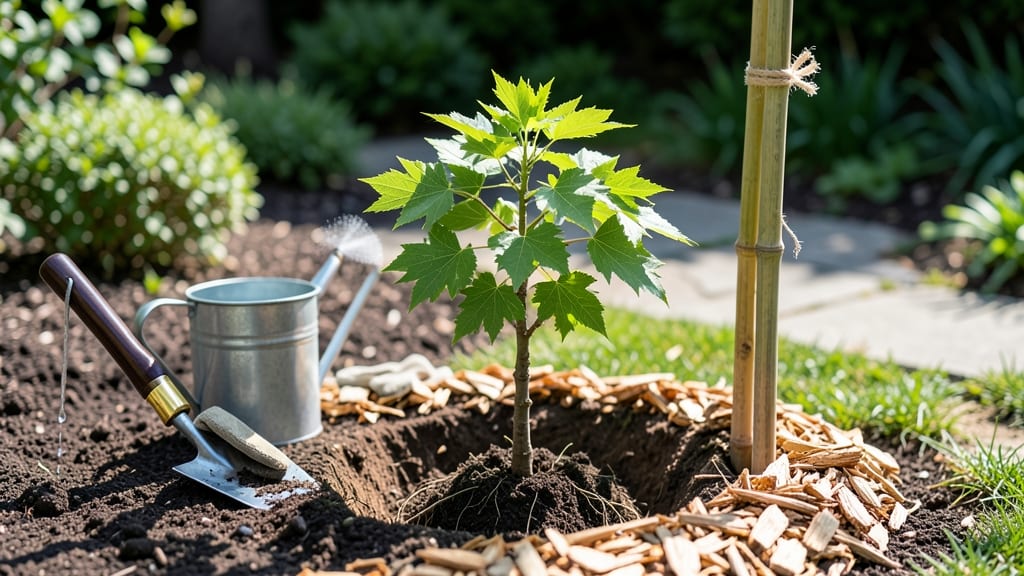
Caring for a maple tree sapling isn’t just about planting—it’s about setting it up for fast, sturdy growth from day one. 🌳 I’ve nursed saplings from spindly sticks to 6-foot powerhouses by focusing on the right pruning, soil prep, and watering rhythm. The secret?
Prune strategically in early spring to encourage root strength before the growing rush begins. Most beginners overwater or prune too late, stunting growth. Instead, aim for deep watering once a week (after rain) and prune only the first year’s weak branches—never more than 25% of the canopy.
Maple saplings reward patience with bold, crack-resistant trunks and vibrant fall color within just three seasons. You’ll see the difference in 12-18 months: a tree with a strong central leader, fewer weak limbs, and roots that dig deep for stability.
The pruning scars heal cleanly, and the canopy opens up for sunlight to reach lower branches naturally. This method works for red, sugar, and silver maples alike—just adjust watering based on your climate. Let’s get that sapling thriving!
📚 In This Guide
- What you need
- Instructions
- Tips and common mistakes
- Wrapping up and next steps
What you need
- ● Maple tree sapling: Choose a hardy species (e.g., Sugar Maple, Red Maple, or Silver Maple) from a reputable nursery. Ensure it’s 1–3 feet tall with a sturdy trunk.
- ● Well-draining soil: A mix of 60% topsoil, 30% compost, and 10% perlite/sand (1–2 cubic yards, depending on planting size).
- ● Organic mulch: 3–4 inches of wood chips or shredded bark (avoid fresh sawdust).
- ● Watering can or hose: With a gentle spray nozzle for deep watering.
- ● Fertilizer: Balanced 10-10-10 or slow-release organic fertilizer (follow package rates).
- ● Pruning shears: Bypass pruners (for cuts <1 inch thick).
- ● Loppers: For thicker branches (1–2 inches)—look for bypass or anvil-style.
- ● Hand saw: Curved-tooth pruning saw for larger limbs (if needed).
- ● Rubbing alcohol (70%+) and pruning sealant: To sterilize tools and prevent sap bleeding.
- ● Garden gloves: Durable, cut-resistant (e.g., leather or heavy-duty fabric).
- ○ Stake and ties (optional): For young, top-heavy saplings (use soft fabric ties, not wire).
- ● Sunlight: Full sun (6+ hours/day) or partial shade (avoid deep shade).
- ● Spacious planting site: Minimum 20–30 feet of clearance for mature growth (maples spread wide!).
- ● Water source: Ready access for deep watering 2–3 times/week (first year).
- ● Weather check: Plant in early spring or fall (avoid extreme heat or frost).
Step-by-Step guide to fast-growth maple sapling pruning
Here’s how to shape young maples for rapid, healthy growth—without sacrificing their natural strength.
🌱 Step 1: Assess the Sapling’s Structure and Growth Habits
Start by examining your 4 saplings for their current shape. Look for the main trunk and any competing branches—these are your first targets. Young maples grow fast, but poor pruning can slow them down by diverting energy to weak limbs. I focus on branches thicker than ¼ inch or those growing straight upward from the trunk (called "water sprouts").
Use your hands to gently bend each branch—if it snaps easily, it’s weak and should be removed. Strong branches bend slightly but don’t break. Mark these with a small piece of twine or a pencil so you remember which ones to address. This step ensures you’re only pruning what’s necessary for fast, healthy growth.
✂️ Step 2: Prune for an Open Center and Strong Trunk
Use clean, sharp pruning shears to make your first cuts. Start by removing any branches growing directly upward from the trunk—these compete with the main stem for nutrients. Cut just above a bud or side branch (about ¼ inch above) to encourage new growth in the right direction. For thicker branches, use pruning saws to avoid tearing the bark.
Next, thin out branches to create an open center—this improves airflow and sunlight penetration, which speeds up growth. Aim to remove 20-30% of the foliage total, focusing on the smallest branches first. You’ll see the sapling’s energy shift toward the remaining branches, leading to thicker stems and faster height gain.
☀️ Step 3: Encourage Root Growth with Strategic Pruning
Prune in late winter or early spring, just before new growth begins. This timing ensures the tree has time to recover and grow before summer heat sets in. After pruning, water deeply—1-2 gallons per sapling—to help the roots recover. Avoid heavy pruning in fall, as it can stress the tree before dormancy.
Watch for new shoots emerging from the base of the trunk or along branches. These are signs the tree is redirecting energy to fill gaps. If you see water sprouts (fast-growing, vertical shoots), prune them immediately—they drain energy from root and trunk growth. Within 4-6 weeks, you’ll notice stronger stems and more vigorous foliage.
🪴 Step 4: Mulch and Monitor for Fast Recovery
Spread 2-3 inches of mulch around the base of each sapling, keeping it 6 inches away from the trunk to prevent rot. Use organic mulch like wood chips or shredded bark, which breaks down slowly and improves soil structure over time. This step is critical—mulch retains moisture and regulates soil temperature, both of which speed up root and shoot growth.
Check the saplings weekly for new growth and any signs of stress, like yellowing leaves or oozing sap at pruning cuts. If you see sap oozing, it’s normal—just keep the area clean and dry. Within 8-12 weeks, your maples should show noticeable improvement in trunk thickness and canopy density. This is your reward for pruning with purpose!
Tips & tricks for perfect maple sapling pruning
Here's what I learned after shaping dozens of young maples—these tricks make all the difference for rapid growth.
Timing Secret: Late winter or early spring is non-negotiable for pruning maple saplings. This timing aligns perfectly with the tree's natural growth cycle, allowing it to recover and grow before summer's heat stress. I've seen saplings pruned in fall struggle to recover, while those pruned at the right time show vigorous new growth within just 4-6 weeks. The key is to prune just as buds begin to swell but before leaves emerge.
Branch Selection Strategy: When assessing your saplings in Step 1, pay special attention to branches thicker than ¼ inch or those growing straight up from the trunk. These water sprouts are energy vampires—they divert nutrients that should be going to root and trunk development. I use a simple bend test: if a branch snaps easily when bent, it's weak and should be removed. For stronger branches that bend slightly but don't break, these are the ones to keep for future growth.
Pruning Technique: The ¼ inch rule above the bud is critical when making your cuts in Step 2. This precise cut angle promotes better healing and directs new growth in the right direction. For thicker branches, always use a pruning saw to avoid tearing the bark—rough cuts can invite disease. I've made the mistake of using shears on thick branches, and the resulting jagged edges took much longer to heal properly.
Recovery Monitoring: After pruning, keep a close eye on your saplings with weekly checks. Look for new shoots emerging from the base or along branches—these are positive signs the tree is redirecting energy. If you notice excessive sap oozing from pruning cuts, this is normal but keep the area clean and dry. Within 8-12 weeks, you should see noticeable improvements in trunk thickness and canopy density, which is your reward for proper pruning technique.
Pro Tips for Maple Tree Sapling Care
- Here's what I learned after shaping dozens of young maples—these tricks make all the difference for rapid growth.
- Timing Secret: Late winter or early spring is non-negotiable for pruning maple saplings. This timing aligns perfectly...
- Branch Selection Strategy: When assessing your saplings in Step 1, pay special attention to branches thicker than ¼ i...
Frequently asked questions
Got questions about nurturing your maple tree sapling? Here are some of the most common ones—and their answers—to help you grow a thriving young tree!
How often should I water my maple sapling?
Water your sapling deeply 1–2 times per week during its first year, ensuring the soil stays moist but not soggy. Once established (after 2–3 years), reduce to weekly deep watering unless drought strikes. Pro tip: Mulch around the base (2–3 inches deep) to retain moisture and regulate soil temperature.
When is the best time to prune a young maple tree?
Prune your sapling during late winter or early spring (before buds swell) to encourage strong growth. Avoid heavy pruning in fall—it can stimulate tender new growth that may not survive frost. Focus on removing dead, diseased, or crossing branches first, then shape lightly.
Why are my maple sapling leaves turning yellow?
Yellow leaves often signal overwatering, nutrient deficiency, or fungal issues. Check the soil—it should drain well. If roots are waterlogged, reduce watering and improve drainage. For yellowing between veins, test for iron or magnesium deficiency and amend soil with compost or a balanced fertilizer.
Can I use regular pruning shears on a maple sapling?
Yes! For saplings under 1 inch in diameter, bypass pruners work great. For thicker branches (1–2 inches), opt for hand pruners or a small pruning saw. Always sterilize tools with rubbing alcohol to prevent disease spread. Bonus: Make cuts just outside the branch collar for faster healing.
What’s the fastest way to encourage root growth in a sapling?
Combine deep watering, aerated soil, and mycorrhizal fungi (found in organic soil mixes) to boost roots. Avoid compacting soil around the base—use a gentle rake instead. For extra growth, apply a low-nitrogen fertilizer in early spring, following package rates.
Wrapping up and next steps
Caring for your maple tree sapling is a rewarding journey that sets the stage for a thriving, majestic tree! 🌳 By mastering fast-growth pruning and nurturing strong roots, you’re giving your sapling the best start in life.
Remember, patience and consistency are key—your efforts today will pay off with years of vibrant foliage and sweet sap.
Ready to watch your sapling flourish? Mark your calendar for your next pruning session and keep an eye on its growth progress. With the right care, your maple tree will stand tall and proud for decades to come! 🌱✨