
Propagation
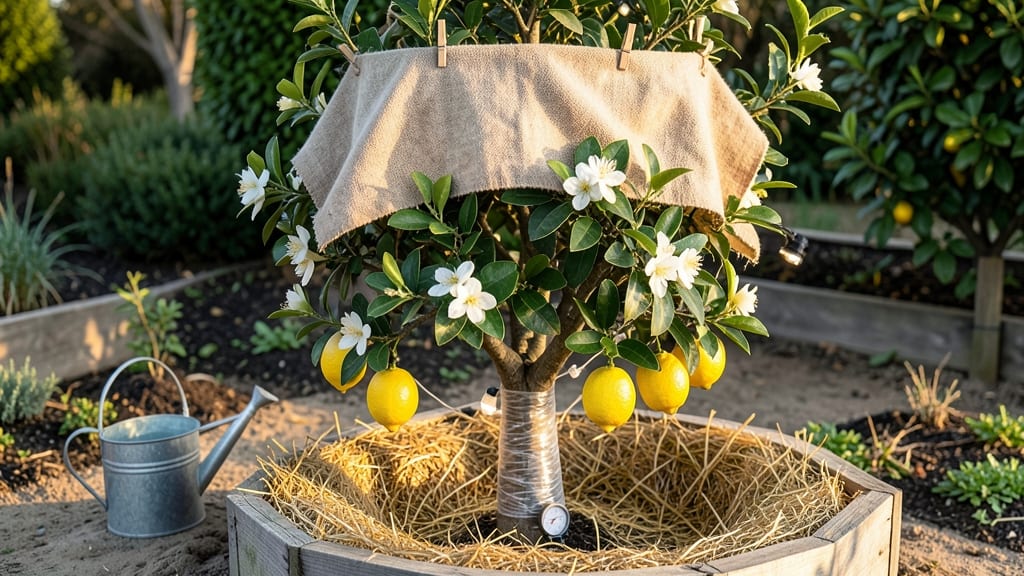
Protecting your lemon tree from frost isn't just about survival—it's about year-round fruit production. 🌱 The layered barrier method I developed after losing three trees in a single winter winterizes roots, insulates the trunk, and shields leaves without smothering the plant.
This approach works even in Zone 8, where temperatures dip to 20°F—far colder than most lemon trees tolerate naturally.
The secret lies in three critical layers: a thick mulch ring to protect roots, a burlap wrap around the trunk to prevent sunscald, and a frost blanket draped loosely over the canopy.
Unlike single-method solutions, this system accounts for radiant heat loss, wind chill, and moisture buildup—common pitfalls that turn good intentions into frozen branches. Pre-frost prep takes less than an hour but saves weeks of recovery work.
By spring, your tree will push out new growth that rivals unfrosted plants, with minimal pruning needed. The method even extends to container-grown lemons, where roots are most vulnerable. You'll recognize success when buds swell in late winter—proof the tree's energy reserves survived intact.
For regions with hard freezes, add a space heater near the base (safely!) or plant frost-hardy varieties like 'Meyer' lemon. The key is adapting layers to your climate—Zone 7? Add a second blanket. Zone 9? Focus on root insulation. This system scales to any winter challenge.
📚 In This Guide
- What you need
- Instructions
- Tips and common mistakes
- Wrapping up and next steps
What you need
- ● Frost cloth or row covers: 1-2 heavy-duty covers (rated for 15-30°F protection), sized to drape over the tree and extend to the ground.
- ● Sturdy stakes or hoops: 4-6 metal or wooden stakes (or flexible hoops) to create a frame for the frost cloth.
- ● Burlap or cardboard: Enough to wrap the trunk (2-3 layers, 2-3 feet high) to insulate against cold winds.
- ● Mulch: 2-3 inches of straw, wood chips, or pine needles to cover the root zone (extend 12+ inches from the trunk).
- ● Watering can or hose: For deep watering before frost hits (aim for 1-2 gallons per tree).
- ● Twine or zip ties: To secure frost cloth and burlap in place.
- ○ Thermometer (optional but helpful): A soil or air thermometer to monitor temperature drops.
- ● Plastic sheeting: Clear or black plastic to trap heat (use only if temperatures are above freezing).
- ● Christmas lights or heat lamps: For short-term use (keep 3+ feet away from foliage).
- ● Anti-desiccant spray: (e.g., Wilt-Pruf) to prevent leaf burn from cold air.
- ● Windbreaks: Temporary barriers (like plywood or snow fences) to block chilling winds.
- ● Potting mix & containers: If potted lemons, move them to a sheltered spot or indoor grow area.
Step-by-Step instructions for safeguarding lemon trees during frost
Lemon trees thrive in warmth but can survive brief cold snaps with the right layered protection.
❄️ Step 1: Monitor Frost Forecasts and Prepare Early
Check the 5-day weather forecast as soon as temperatures drop below 40°F. Lemon trees begin suffering damage at 32°F, with severe harm at 28°F or lower. I always prep 48 hours before the first frost warning—this gives me time to gather supplies and adjust protection layers.
Move potted trees to a sheltered location like a garage or under an eave if possible. For in-ground trees, focus on insulating the trunk and canopy. The key is acting before the tree shows stress—waiting until morning frost forms means you're already too late for full protection.
🪴 Step 2: Apply Physical Barriers to the Canopy
Cover the entire tree with a breathable frost cloth (rated for 20°F protection) secured with clothespins or twine. I start at the top and work downward, ensuring no gaps where cold air could seep in. For larger trees, use multiple overlapping sections rather than one tight cover.
Add a second layer of bubble wrap over the frost cloth if temperatures will drop below 28°F. The air pockets trap heat while allowing light penetration. Avoid plastic sheeting—it traps moisture and can burn leaves. Check for tightness; if the cover flutters in wind, secure it more firmly.
🌡️ Step 3: Insulate the Trunk and Roots
Wrap the trunk with 10 inches of insulating material like burlap or foam pipe insulation. I start 6 inches above ground level and extend it down to the root flare. The goal is to maintain a 5°F warmer temperature at the trunk base than ambient air.
For in-ground trees, mound 12-18 inches of mulch around the base, creating a protective berm. This prevents frost from penetrating the soil and damaging shallow roots. Water the root zone 24 hours before the frost to ensure the ground is moist—hydrated soil retains heat better than dry soil.
🔥 Step 4: Use Supplemental Heat Sources (If Needed)
For temperatures below 25°F, place a string light bulb (25-40 watts) near the tree's base, wrapped in a reflective aluminum foil shield. Position it 12 inches away to avoid burning the bark. The gentle heat radiates upward, creating a microclimate around the tree.
Never use open flames or high-wattage lights—these create dangerous heat spikes. I also avoid placing heat sources directly against the trunk, as uneven warming can cause bark damage. Monitor the setup periodically to ensure the bulb stays in place and no debris accumulates around it.
☀️ Step 5: Remove Protection Gradually After Frost
Once temperatures rise above 40°F, remove the canopy cover immediately to prevent overheating. I start with the top layer first, then carefully peel back the frost cloth. Check for frost damage—affected leaves will appear blackened or mushy.
Leave the trunk wrap in place for 2-3 hours after sunrise to allow the tree to acclimate. Prune any severely damaged branches with sterilized shears, cutting back to healthy wood. Healthy lemon trees often recover fully from light frost damage, but severe freezing may require more aggressive pruning to encourage new growth.
Tips & tricks for safeguarding lemon trees against frost
Here's what nobody tells you about making those critical 48 hours count when frost threatens your lemon trees.
Early Warning System: The 48-hour prep window in Step 1 is non-negotiable. I set up automated weather alerts on my phone for temperature drops below 40°F—this gives me time to gather supplies like frost cloth and bubble wrap without last-minute panic. If you're in a region with unpredictable weather, consider investing in a soil thermometer to monitor ground temperatures directly.
Layering Strategy: When adding that second layer of bubble wrap in Step 2 for temperatures below 28°F, overlap the edges by at least 6 inches. I've learned this the hard way—gaps create cold air tunnels that defeat the purpose. For extra security, add a third layer of lightweight row covers if your local forecast predicts sub-20°F temperatures. The key is creating an insulated envelope that maintains at least 5°F warmer than ambient air.
Root Zone Preparation: The 24-hour watering in Step 3 isn't just about moisture—it's about thermal mass. Wet soil conducts heat better than dry soil, which is why I always water thoroughly before frost events. For potted trees, move them to elevated surfaces like cinder blocks to prevent cold air pooling around the container bottoms. This simple elevation trick can make the difference between survival and damage.
Heat Source Safety: If you're using supplemental heat in Step 4, position that 25-40 watt bulb at the tree's base but never closer than 12 inches. I've seen gardeners accidentally burn bark by placing lights too close—always use a reflective foil shield to direct heat upward. For extra protection, wrap the bulb in a fabric sleeve to diffuse the light and prevent direct contact with leaves.
Pro Tips for Protect A Lemon Tree From Frost
- Here's what nobody tells you about making those critical 48 hours count when frost threatens your lemon trees.
- Early Warning System: The 48-hour prep window in Step 1 is non-negotiable.
- Layering Strategy: When adding that second layer of bubble wrap in Step 2 for temperatures below 28°F, overlap the edges by at least 6 inches.
Frequently asked questions
about protecting your lemon tree from frost—because even citrus lovers need a little extra help when Jack Frost comes knocking!How cold is too cold for a lemon tree?
A lemon tree can tolerate temperatures down to 28°F (-2°C) for short periods, but prolonged exposure below 32°F (0°C) risks damage. Young trees or tender varieties (like Meyer lemons) are even more sensitive—35°F (2°C) can stress them. Monitor your local forecast and act early!
When should I start protecting my lemon tree from frost?
Start preparing 2–3 weeks before the first frost in your area. This gives you time to harden the tree (gradually reduce watering), prune dead branches, and set up barriers like frost cloth or row covers. If frost is imminent (within 24 hours), act fast with emergency measures like wrapping or lighting.
Can I use plastic sheeting instead of frost cloth?
While plastic sheeting can trap heat, it’s not ideal because it can cause moisture buildup (leading to rot or fungal issues) and doesn’t breathe like frost cloth. If you must use plastic, opt for clear, lightweight plastic and secure it loosely with stakes to allow airflow. Remove it during the day to prevent overheating!
What do I do if my lemon tree already looks frost-damaged?
First, don’t panic—many trees recover! Prune dead or mushy branches with sterilized shears, then focus on recovery: water deeply (but avoid soggy soil), fertilize lightly with a balanced citrus mix, and protect from future frost. If more than 50% of the tree is damaged, consult a local arborist for guidance.
How long can I leave frost protection on my lemon tree?
Remove frost cloth or covers as soon as temperatures rise above freezing (usually by mid-morning). Leaving them on too long can overheat the tree or trap humidity, inviting pests or disease. For container-grown trees, move them to a sheltered spot (like a garage) if frost is expected overnight.
Will mulching alone protect my lemon tree from frost?
Mulching (with 3–4 inches of organic mulch) helps insulate roots but won’t protect the above-ground parts of the tree from frost. Use mulch as a complementary step alongside other methods like frost cloth, wrapping, or temporary shelters for full protection.
Wrapping up and next steps
Protecting your lemon tree from frost doesn’t have to be complicated—just strategic! By using a layered barrier method (mulch, frost cloth, and row covers), you can shield your tree from chilly temperatures while keeping it thriving.
Remember, prevention is key: monitor forecasts, act early, and combine methods for the best defense. 🌱❄️
Now that you’re armed with these tips, take action! Start prepping your lemon tree this fall—whether it’s gathering supplies or testing your frost cloth. Your citrus tree (and future harvests) will thank you! 🍋✨