
Pruning
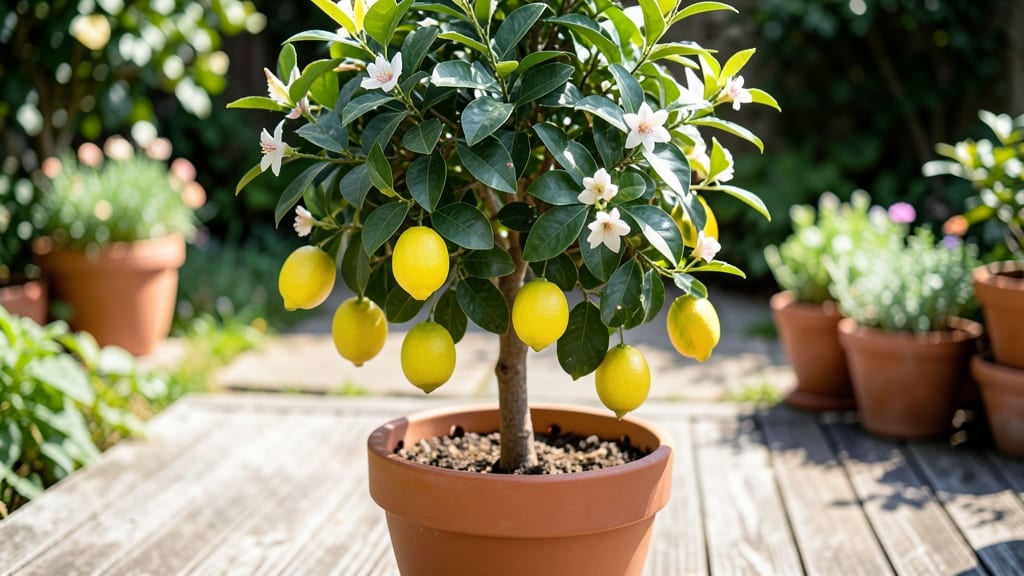
Mastering patio lemon tree care that yields fruit year-round is simpler than you’d expect—especially when you grow it in containers. 🌿 I’ve had mine thriving for three seasons now, and the secret lies in mimicking the Mediterranean climate it craves, even in pots.
The right pot, sunlight balance, and a few simple seasonal tweaks mean you can enjoy homegrown lemons without the fuss of a full backyard orchard.
Start with a 15-20 gallon container (larger is better for stability and root growth) and well-draining soil mixed with perlite or sand. Your tree needs 6+ hours of sunlight daily, but afternoon shade helps prevent leaf scorch in hot climates.
Water when the top inch of soil feels dry—overwatering is the #1 killer of container citrus—but don’t let it get bone-dry either. A saucer under the pot catches excess water, keeping roots happy without soggy soil.
Pruning in late winter clears out crowded branches and encourages fresh growth where fruit forms. Cut back any dead wood or crossing limbs with clean shears, and fertilize lightly in spring with citrus-specific food.
The payoff? Sweet, juicy lemons by fall or early winter, even on a small balcony. The tree stays compact, so you won’t lose patio space to sprawling branches.
Adjust care for seasons: Move indoors (near a sunny window) when temps drop below 40°F, and bring back outside in spring once nights stay above 50°F. Pests like spider mites love container citrus—check leaves weekly and spray with neem oil if needed.
With these simple steps, your patio lemon tree becomes the star of your outdoor space without the maintenance of a full garden.
📚 In This Guide
- What you need
- Instructions
- Tips and common mistakes
- Wrapping up and next steps
What you need
- ● Lemon tree (Meyer or Eureka varieties recommended) – A healthy, potted 1-3 gallon tree (or bare-root if planting in spring).
- ● Well-draining potting mix – A blend of 50% high-quality potting soil, 30% perlite or pumice, and 20% compost (10-15 gallons, depending on pot size).
- ● Container or planter – At least 12-18 inches in diameter with drainage holes (terracotta or fabric pots preferred).
- ● Citrus fertilizer – Slow-release granules or liquid fertilizer (look for a 6-6-6 or 8-3-9 NPK ratio).
- ● Pruning tools – Sharp bypass pruners (for small branches) and loppers (for thicker stems).
- ● Watering can or hose with a gentle spray nozzle – Avoid overhead watering to prevent fungal diseases.
- ● Gloves – Heavy-duty gardening gloves to protect from thorns and sap.
- ● pH test kit – To check soil acidity (ideal range: 6.0–7.0).
- ○ Mulch (optional) – Pine bark or straw (1–2 inches) to retain moisture and regulate temperature.
- ○ Support stake (optional) – For young trees in windy areas (bamboo or metal stakes work well).
- ○ Citrus spray (optional) – Organic neem oil or insecticidal soap for pest control.
- ○ Thermometer (optional) – To monitor temperatures if you’re growing in cooler climates.
Step-by-step instructions for patio lemon tree care
Here's how I keep my patio lemon tree thriving year-round with just a few focused adjustments.
🪴 Step 1: Choose the Right Container and Soil Mix
Select a container at least 18-24 inches in diameter with drainage holes—lemon trees need room for roots but also dry out too easily in small pots. I use a heavy ceramic pot to prevent tipping, especially when branches grow heavy with fruit. Fill the bottom third with gravel or broken pottery for drainage, then add a mix of 50% potting soil, 30% perlite, and 20% compost.
This blend drains well but holds enough moisture without becoming soggy. Tap the pot gently after filling to settle the mix without compacting it. Lemon trees hate wet feet, so proper drainage is non-negotiable—root rot will kill your tree faster than any other issue.
☀️ Step 2: Position for Maximum Sunlight
Patio lemon trees need 6-8 hours of direct sunlight daily, but they'll burn if exposed to harsh afternoon sun in hot climates. I place mine on a south-facing patio where it gets morning sun and afternoon shade from nearby shrubs. In full-sun areas, move the tree to a spot with afternoon shade during peak summer months.
Watch the leaves—they'll tell you what they need. Bright green leaves mean perfect light; yellowing leaves indicate too much sun; and pale, stretched growth means it's not getting enough. If your patio doesn't get enough sun, supplement with a grow light for 12-14 hours daily during winter months.
💧 Step 3: Water Deeply and Consistently
Water when the top 2-3 inches of soil feel dry, which for me is about every 5-7 days in summer and every 10-14 days in winter. Stick your finger in the soil—if it's dry at that depth, it's time to water. Pour water slowly until it drains freely from the bottom holes, then empty the saucer to prevent root rot.
Lemon trees are drought-tolerant once established, but they hate inconsistent moisture. If you travel often, set up a self-watering system or group your tree with other plants so you remember to check it regularly. Overwatering is the #1 killer—yellow leaves and dropping fruit are your first warning signs.
✂️ Step 4: Prune for Shape and Fruit Production
Prune in late winter or early spring before new growth begins. Remove any dead, diseased, or crossing branches first, then cut back overgrown limbs to maintain an open center. I shape mine into a rounded canopy to support fruit weight and improve air circulation. Never remove more than 25% of the tree's foliage at once—this stresses the plant.
Watch for suckers—those are the small shoots growing from the trunk or main branches. Pinch them off immediately; they drain energy from fruit production. After pruning, feed your tree with a balanced citrus fertilizer to compensate for the shock of cutting. You'll see new growth within 3-4 weeks if you've pruned correctly.
🍋 Step 5: Protect and Encourage Fruit Set
If your tree flowers but drops blossoms, it likely needs help with pollination. Gently shake the branches daily during bloom to encourage cross-pollination, or use a small paintbrush to transfer pollen between flowers. Lemon trees also need consistent temperatures between 60-80°F for fruit to set—keep it away from drafts or heaters.
Thin fruit when they're about 2 inches in diameter, leaving 6-8 inches between each lemon. This ensures the remaining fruit grows larger and ripens fully. Harvest when the rind turns bright yellow and feels slightly soft to the touch—usually 6-12 months after flowering, depending on your climate.
Tips & tricks for perfect patio lemon tree care
Keeping your patio lemon tree thriving takes just a few smart adjustments—and I’ve learned these the hard way after watching trees struggle from common mistakes.
Container Stability: When filling your 18-24 inch pot, place it on a saucer or tray to catch drainage, but always empty the saucer after watering. I’ve seen trees topple when heavy with fruit, so if your patio gets windy, consider securing the pot with stakes or a lightweight anchor. The extra 10 minutes of setup prevents heartbreak later.
Lighting Strategy: For those 6-8 hours of sunlight, position your tree near a window if your patio lacks direct light. South-facing windows work best, but rotate the pot weekly so the tree grows evenly. If you’re using a grow light for 12-14 hours during winter, place it 6-12 inches above the tree and keep it on a timer—too close and you’ll scorch the leaves.
Watering Wisdom: The top 2-3 inches dry test is foolproof, but here’s the trick: water until you see moisture draining from the bottom holes. If it stops midway, your tree isn’t getting enough. I’ve ruined trees by assuming they were watered properly—always check the saucer for runoff. In winter, reduce to every 10-14 days, but never let the soil dry completely.
Pruning Payoff: When thinning fruit to 6-8 inches apart, resist the urge to leave more—crowded lemons compete for nutrients and stay small. I’ve seen trees with 50 lemons, but they were the size of marbles. After pruning, give your tree a balanced citrus fertilizer to help it recover. The 3-4 weeks for new growth is worth the wait for bigger, juicier fruit.
Pro Tips for Patio Lemon Tree Care
- Keeping your patio lemon tree thriving takes just a few smart adjustments—and I’ve learned these the hard way after watching trees struggle from common mistakes.
- Container Stability: When filling your 18-24 inch pot, place it on a saucer or tray to catch drainage, but always empty the saucer after watering.
- Lighting Strategy: For those 6-8 hours of sunlight, position your tree near a window if your patio lacks direct light.
Frequently asked questions
Got questions about keeping your patio lemon tree happy? Here are some of the most common ones—plus quick, no-fuss answers to keep your citrus thriving!
How often should I prune my patio lemon tree?
Prune your lemon tree lightly 2–3 times a year: after flowering (to encourage fruiting), in late winter (for shape), and as needed to remove dead or overcrowded branches. Avoid heavy pruning—lemons produce fruit on older wood, so keep cuts minimal (never more than 25% of the tree at once).
Can I keep my patio lemon tree indoors during winter?
Yes! If temps drop below 30°F (-1°C), move your tree indoors near a sunny window or under grow lights. Reduce watering (let soil dry slightly between waterings) and avoid drafts. Acclimate it back outdoors gradually in spring to prevent shock. Pro tip: Use a humidity tray with pebbles and water to mimic outdoor conditions.
Why aren’t my patio lemon tree’s lemons ripening?
Unripe lemons often signal lack of sunlight, water stress, or nutrient deficiencies. Check these first:
- Sunlight: Needs 6+ hours of direct sun daily—move it to a sunnier spot.
- Water: Keep soil consistently moist (not soggy) during fruiting.
- Nutrients: Feed with citrus-specific fertilizer every 4–6 weeks in growing season.
What’s the best container size for a patio lemon tree?
Start with a 15–20 gallon pot for dwarf varieties (like ‘Meyer’ lemons) and upgrade as the tree grows. Ensure it has drainage holes and use a lightweight, well-draining potting mix (like a 50/50 blend of cactus/succulent mix and compost). Pro tip: Repot every 2–3 years or when roots circle the pot.
How do I deal with pests on my patio lemon tree?
Common pests like aphids, spider mites, or scale can stress your tree. Start with neem oil spray (mix 1 tbsp neem oil + 1 tsp mild soap in 1 quart water) and reapply weekly. For severe infestations, hose off pests with water or use insecticidal soap. Prevent tip: Inspect leaves regularly and remove damaged foliage promptly.
Wrapping up and next steps
Caring for your patio lemon tree is simpler than you think—with the right tools, a little patience, and consistent love, you’ll enjoy bursting lemons year after year! 🌿 From pruning for airflow to protecting against pests, these steps ensure your tree stays healthy and productive with minimal effort.
Ready to take the next step? Start small: Grab your pruners, check your tree’s needs, and give it a little TLC today. Before you know it, you’ll be harvesting fresh lemons for homemade treats—what’s not to love? 🍋✨