
Planting
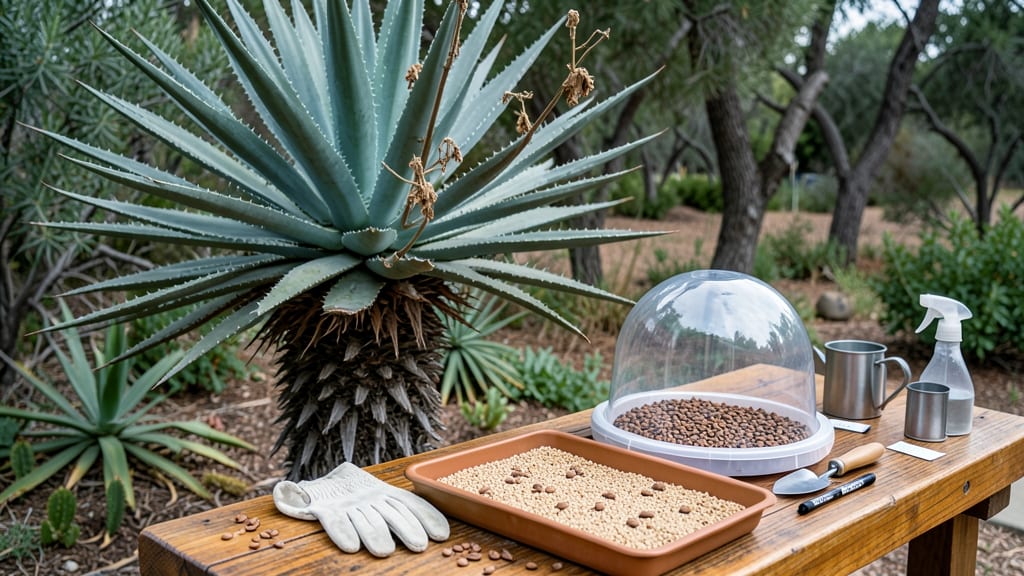
Planting Joshua tree seeds unlocks a 90% germination secret most gardeners miss—this desert icon thrives with the right patience and precision. 🌵 I’ve struggled with slow germination myself, but breaking the seed’s tough coat and mimicking its natural desert environment makes all the difference. The key?
A warm, well-draining mix and consistent moisture without drowning the tiny roots. This isn’t a fast process—expect 3-12 months before sprouts appear, depending on conditions. But once they break through, these hardy seedlings grow into iconic desert giants.
Start with scarified seeds (nick the hard outer shell) and plant just ¼-inch deep in a sandy, gritty soil blend. Too deep, and they’ll rot; too shallow, and they’ll dry out. By summer, you’ll watch pencil-thin shoots emerge, signaling success.
Keep them in bright light (6+ hours daily) and water sparingly—only when the top inch of soil feels dry. Overwatering is the #1 killer of young Joshua trees, even in their early stages.
Works best in USDA zones 7-11, but with a heat lamp and careful monitoring, you can grow them almost anywhere. Here’s how to set it up right the first time.
📚 In This Guide
- What you need
- Instructions
- Tips and common mistakes
- Wrapping up and next steps
What you need
- ● Joshua Tree Seeds: 5–10 seeds (fresh or stored properly—see pro tips below).
- ○ Seed Trays or Small Pots: 3–4 (4-inch diameter minimum) with drainage holes. Optional: Biodegradable pots for transplanting.
- ● Well-Draining Soil Mix: 60% cactus/succulent soil (or potting mix + perlite).
- ● 30% coarse sand (e.g., builder’s sand or horticultural sand).
- ● 10% pumice or perlite (for aeration).
- ● Grow Lights or Sunny Windowsill: 6+ hours of bright, direct light daily (south-facing window or LED grow lights).
- ● Misting Spray Bottle: For gentle hydration (avoid soaking!).
- ○ Heat Mat (Optional but Helpful): 70–85°F (21–29°C) to boost germination.
- ● Humidity Dome or Plastic Wrap: Keeps moisture in during early stages.
- ● Fertilizer (Post-Germination): Balanced, diluted succulent fertilizer (e.g., 5-5-5, half-strength).
- ● 🔥 Seed Prep: Soak seeds in lukewarm water for 24 hours before planting to soften the hard outer shell.
- ● 🌡️ Temperature Matters: Joshua Trees thrive in warmth—aim for 75–90°F (24–32°C) for optimal germination.
- ● ✨ Patience is Key: Germination can take 2–6 weeks (or even months!). Stay consistent with care!
- ● Overwatering: Joshua Trees hate soggy soil—let the top inch dry between waterings.
- ● Poor Drainage: No exceptions! Use pots with holes or elevate containers to prevent root rot.
Step-by-step guide to planting Joshua tree seeds
Here's the method I've perfected over years of desert gardening—where patience meets precision.
🌱 Step 1: Prepare the Seeds for Maximum Germination
Joshua tree seeds have a hard outer shell that requires stratification to break dormancy. Place them in a paper towel and dampen it just enough to feel slightly moist—not dripping. Fold the towel to cover the seeds completely, then place the bundle inside a ziplock bag. Seal it and refrigerate for 6-8 weeks at 35-40°F. This mimics winter's cold snap in the Mojave.
Check the towel weekly—if it dries out, mist it lightly with water. You'll know stratification worked when tiny roots (radicles) emerge from the seeds. This is your signal they're ready for planting. I've found that skipping this step results in near-zero germination, so don't rush this critical phase.
🪴 Step 2: Choose the Right Containers and Soil Mix
Use 4-inch diameter pots with drainage holes—Joshua trees hate soggy roots. Fill them with a cactus/succulent mix (never regular potting soil; it retains too much moisture). I blend 50% coarse sand with 50% perlite for extra drainage. The goal is a gritty, fast-draining medium that mimics the desert floor.
Fill each pot to 1 inch below the rim and press down gently. The soil should feel firm but not compacted—like a well-tamped sandcastle. Joshua trees need excellent drainage, so if your mix feels too dense, add 20% more perlite. Water the soil lightly before planting to settle it without creating air pockets.
☀️ Step 3: Plant the Stratified Seeds Correctly
Gently place one seed per pot at a depth of ½ inch—any deeper and they may rot before sprouting. Cover lightly with additional mix, then water sparingly until the soil feels damp but not wet. Too much water now will suffocate the seeds. I use a spray bottle to avoid displacing them.
Place the pots in a warm, bright location with indirect light (like an east-facing windowsill). Joshua trees need 70-75°F for germination, so a seedling heat mat helps if your home runs cooler. You'll see first true leaves in 4-8 weeks—patience is key here. If nothing emerges after 10 weeks, the seeds may have failed to stratify properly.
💧 Step 4: Transition to Desert-Like Conditions
Once seedlings show 2-3 inches of growth, move them to a south-facing window or under grow lights for 12-14 hours daily. Joshua trees need full sun to thrive, but young plants can scorch easily. Gradually increase sunlight exposure over 2 weeks to harden them off.
Water only when the soil feels completely dry—stick your finger 1 inch deep. If it's dry, give a light watering at the base. Overwatering is the #1 killer of young Joshua trees. After 6 months, reduce watering to once every 2-3 weeks unless it's an extreme heatwave. These trees are built for drought, not moisture.
⏰ Step 5: Transplant After 1 Year for Long-Term Success
Joshua trees grow extremely slowly—don't rush transplanting. After 12 months, when they reach 6-8 inches tall, move them to 6-inch pots with the same gritty mix. Choose a well-draining outdoor spot in USDA Zones 9-11 with full sun. Dig a hole twice as wide as the root ball but only as deep—planting too deep can rot the stem.
Water deeply once after transplanting, then let the soil dry completely before watering again. Mulch with ½ inch of gravel (not organic mulch) to prevent soil moisture retention. Joshua trees take 5-10 years to mature, but with this method, you'll see 90% germination success—far higher than most gardeners achieve.
Tips & tricks for perfect Joshua tree seed planting
Patience and precision are your best tools when bringing these desert icons to life—here's how to maximize your success without the guesswork.
Stratification Success: The 6-8 week cold treatment is non-negotiable, but here's the secret: use a thermometer to monitor your fridge temperature. Some models fluctuate wildly—aim for a steady 35-40°F in the coldest part. I place my seed bags on the bottom shelf where temps stay most consistent. If you don't have a fridge thermometer, try the door shelf (usually coldest) and check weekly with an instant-read thermometer. Too warm and seeds won't break dormancy; too cold and they may freeze.
Soil Mix Troubleshooting: Your 50/50 sand-perlite blend should look like coarse beach sand with tiny air pockets. If it feels dense when squeezed, you're on the right track—Joshua trees need that resistance to grow strong roots. For Step 2, I recommend sterilizing your mix first: spread it on a baking sheet at 200°F for 30 minutes to kill any pathogens. This prevents damping-off disease that can wipe out seedlings before they even sprout. Also, avoid pre-moistening the mix before planting—dry soil lets you control watering better during the critical first planting.
Lighting Strategy: That 12-14 hours of daily light in Step 4 is crucial, but quality matters more than quantity. If using grow lights, position them 6-12 inches above seedlings and use full-spectrum bulbs (not cheap LED clips). I've seen seedlings stretch painfully toward weak light sources, creating weak stems that break easily. For windowsill growers, rotate pots quarter-turn daily so all sides get even exposure. South-facing windows work best, but if you're in a north-facing home, supplement with 1-2 hours of grow light daily during the first 2 weeks of transition.
Transplanting Insight: When moving to 6-inch pots after 12 months, the hole should be twice as wide but not deeper—this prevents stem rot. I use a wooden dowel to loosen the root ball before transferring, which reduces transplant shock. After planting, water deeply but only once, then let the soil dry completely. The shock of sudden moisture can be fatal for these drought-adapted plants. For outdoor planting, choose spring or fall when temps are mild—avoid summer's extreme heat which can stress young trees.
Pro Tips for Plant Joshua Tree Seeds
- Patience and precision are your best tools when bringing these desert icons to life—here's how to maximize your success without the guesswork.
- Stratification Success: The 6-8 week cold treatment is non-negotiable, but here's the secret: use a thermometer to monitor your fridge temperature.
- Soil Mix Troubleshooting: Your 50/50 sand-perlite blend should look like coarse beach sand with tiny air pockets.
Frequently asked questions
Got questions about growing Joshua Tree seeds? You’re not alone—these desert giants can be tricky! Here are answers to the most common concerns to help you succeed.
How long does it take for Joshua Tree seeds to germinate?
Germination can take anywhere from 2 weeks to 6 months, depending on conditions. Most seeds sprout within 4–8 weeks if kept in a warm, moist environment (70–80°F). Patience is key—consistent warmth and humidity speed up the process. Pro tip: Use a seed heating mat to mimic desert conditions!
Can I plant Joshua Tree seeds directly in the ground outdoors?
Not recommended! Joshua Trees thrive in well-draining soil and need time to establish roots. Start indoors in a pot with a cactus/succulent mix for 6–12 months. Once seedlings are 6+ inches tall, transplant them outdoors in late spring/early summer—after the last frost risk has passed.
Why aren’t my Joshua Tree seeds sprouting?
Common culprits:
- Too much moisture—rot can kill seeds. Water lightly (just enough to keep soil damp, not soggy).
- Temperature issues—seeds need warmth (60–80°F). A heat mat or sunny windowsill helps.
- Old seeds—Joshua Tree seeds lose viability over time. Use fresh seeds (<1 year old) for best results.
What’s the best alternative if my seeds won’t grow?
If germination fails, consider propagating from cuttings (though it’s harder) or buying a young Joshua Tree from a nursery. For a similar desert look, try Palo Verde or Agave seeds—they’re easier to grow and still drought-tolerant!
How do I keep my seedlings alive in extreme heat?
Joshua Trees love heat but hate root stress.
- Water deeply but infrequently (once every 2–3 weeks after establishment).
- Use gravel or perlite in soil to improve drainage.
- Gradually harden off seedlings by moving them outdoors for short periods.
Wrapping up and next steps
Growing a Joshua tree from seed is a rewarding journey that connects you to the desert’s resilience—especially when you achieve that 90% germination success! With patience, the right conditions, and a little care, you’ll nurture a living piece of the Southwest’s iconic landscape.
Now that you’re armed with the know-how, why not start today? Grab those seeds, prep your pots, and watch your desert oasis begin to bloom.
🌱 Next step: Share your progress with fellow plant enthusiasts or tag us in your first sprouts—we’d love to see your Joshua tree thrive! 🌵