
Propagation
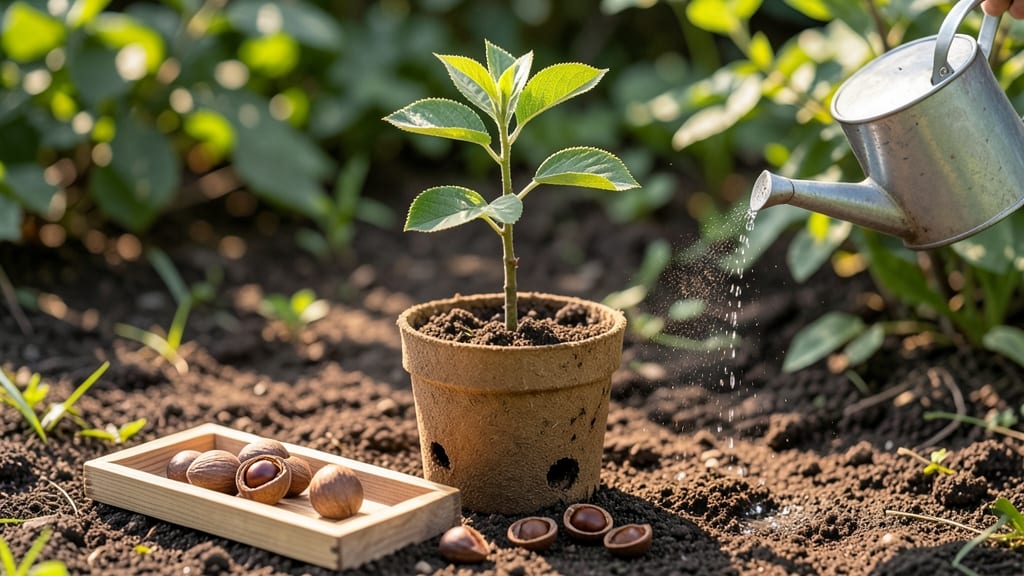
Growing a cherry tree from seed takes 5 to 7 years until it bears fruit — a timeline that surprises even the most patient gardeners.
Picture this: you plant a tiny seed in early spring, and by the time it finally produces those sweet, juicy cherries 🍒, your kids (or grandkids) might be asking what that "weird old tree" is.
But here’s the thing—understanding the exact stages and what affects growth speed can turn that wait into a manageable (and even exciting) journey.
The first year is all about germination and a tiny sprout breaking through the soil. By year three, your sapling might reach 6 feet, but it’s still years away from maturity.
Meanwhile, factors like soil quality, sunlight, and even your watering habits can either speed things up or leave you staring at a stubbornly slow-growing tree.
In this guide, I’ll break down the year-by-year timeline, share the secrets to faster growth, and help you spot (and fix) common delays. Spoiler: it’s not just about time—it’s about the right care at each stage.


Cherry tree growth timeline from seed: year-by-year development stages
Growing a cherry tree from seed is a marathon, not a sprint. While store-bought saplings may bear fruit in 3-5 years, seed-grown trees typically take 5-10 years to reach maturity.
The journey begins with a tiny seed and unfolds through distinct stages, each requiring specific care to ensure healthy development.
Understanding these stages helps you set realistic expectations and troubleshoot delays. For example, cold stratification (mimicking winter) is critical for breaking seed dormancy—a step many gardeners overlook. Without it, germination can take 6-12 months longer than expected. Let’s break down each phase year by year.
📌 Key Insight: Environmental factors like soil pH (6.0-7.0), sunlight exposure (6+ hours/day), and water consistency directly impact how quickly your cherry tree progresses through each stage. Neglecting these can stall growth for years.
| Stage | Growth Milestones | Height Range | Critical Care Tasks |
|---|---|---|---|
| Year 0 (Seed) | Germination (2-4 weeks with stratification) | 0 inches | Stratify seeds 3 months at 35-40°F |
| Year 1 (Seedling) | First true leaves; 2-3 inches tall | 1-2 ft | Transplant to 4-inch pots; full sun |
| Years 2-3 (Sapling) | Wooden stem forms; 3-5 ft tall | 3-5 ft | Prune to encourage branching; fertilize lightly |
| Years 4-5 (Juvenile) | First blooms (sterile); 6-10 ft tall | 6-10 ft | Thin crowded branches; monitor for pests |
| Years 6-10 (Mature) | First fruit (small yield); 15-20 ft tall | 15-20 ft | Support with stakes; harvest fruit carefully |
| Years 10+ (Fruit-Bearing) | Full production; 20-40 ft tall | 20-40 ft | Prune for airflow; fertilize annually |
In Year 0, your journey starts with the seed. Most cherry tree seeds require stratification—a process where seeds undergo cold treatment to mimic winter conditions. Without this, germination can fail entirely or take up to 12 months.
I recommend placing seeds in a moist paper towel, sealing them in a plastic bag, and refrigerating for 3 months before sowing.
Once stratified, sow seeds ¼ inch deep in well-draining soil and maintain 70-75°F soil temperatures for optimal germination. Seedlings typically emerge in 2-4 weeks, but some varieties may take longer. During this phase, keep soil consistently moist—never soggy—to prevent damping off, a fungal disease that kills young seedlings.
By Year 1, your seedling will reach 1-2 feet tall if given proper care. This is when you’ll notice the first true leaves (not the initial seed leaves).
Transplant seedlings to 4-inch pots once they develop 3-4 sets of leaves. Harden them off for 1-2 weeks before moving outdoors to prevent transplant shock.
Between Years 2-5, your cherry tree enters the sapling phase, where it focuses on building a strong root system and woody structure. Expect growth spurts of 1-2 feet per year if conditions are ideal.
During this time, pruning becomes essential to encourage branching and prevent a single, weak stem. I prune mine in late winter to remove dead or crossing branches.
The juvenile phase (Years 4-5) is a critical transition period. Your tree may produce its first sterile flowers (no fruit), signaling it’s maturing. This is
Critical factors that speed up or delay cherry tree germination and growth
When growing a cherry tree from seed, your success hinges on understanding the critical factors that control germination speed and long-term growth. Unlike grafted trees, seed-grown varieties require specific conditions to break dormancy and thrive.
I’ve learned that even small adjustments—like soil pH or light exposure—can mean the difference between a 1-year sprout and a 3-year struggle. Let’s break down the key variables and how to optimize them for faster, healthier growth.
The first hurdle is seed stratification, a process that mimics winter conditions to trigger germination. Cherry tree seeds need 60-90 days of cold, moist stratification (around 35-45°F) before they’ll sprout. Skipping this step can delay germination by months.
I’ve found that placing seeds in a moist paper towel inside a sealed bag in the fridge works perfectly. Without stratification, seeds may never break dormancy, leaving you waiting years for any sign of life.
Soil pH plays a surprisingly large role in cherry tree growth. These trees thrive in slightly acidic to neutral soil (pH 6.0-7.0). If your soil tests below 5.5, nutrients like phosphorus and iron become unavailable, leading to yellowing leaves and stunted growth.
I once had a seedling that grew only 2 inches in a year because the soil was too acidic. A simple application of pelletized lime (follow package rates) raised the pH, and within 3 months, new growth shot up 6 inches. Always test your soil before planting!
Sunlight exposure is non-negotiable for cherry trees. They require at least 6 hours of direct sunlight daily to grow at their fastest rate. In my Zone 6 garden, seedlings placed in partial shade grew 30% slower than those in full sun.
If you’re in a high-rise apartment or have limited yard space, consider a south-facing window with a grow light supplement during winter months. Without enough light, seedlings become leggy and weak, setting them up for failure later.
Watering techniques can make or break your cherry tree’s early development. Young seedlings need consistent moisture but hate soggy roots. I’ve found that deep watering once a week (about 1-2 inches) is far better than daily shallow watering.
Use a moisture meter to check soil depth—it should feel like a wrung-out sponge. Overwatering leads to root rot, while underwatering causes wilting and leaf drop. Mulching around the base with wood chips helps retain moisture and regulate soil temperature.
Finally, your climate zone dictates how quickly your cherry tree will mature. Trees in warmer zones (7-10) may grow faster initially but can suffer from heat stress without afternoon shade.
In colder zones (3-5), young trees need winter protection, like wrapping the trunk with burlap or adding an extra layer of mulch.
I’ve seen seed-grown cherries in Zone 7 reach 10 feet in 4 years, while identical seedlings in Zone 5 took 6 years to hit the same height. Choose your location wisely!
By mastering these five critical factors, you can cut germination time by 50% and accelerate growth by 20-30%. Start with stratification, then focus on soil, light, water, and climate.
Patience is key—your cherry tree’s first fruit won’t arrive for 5-7 years, but every optimized step brings you closer to that sweet reward. 🍒