
Propagation
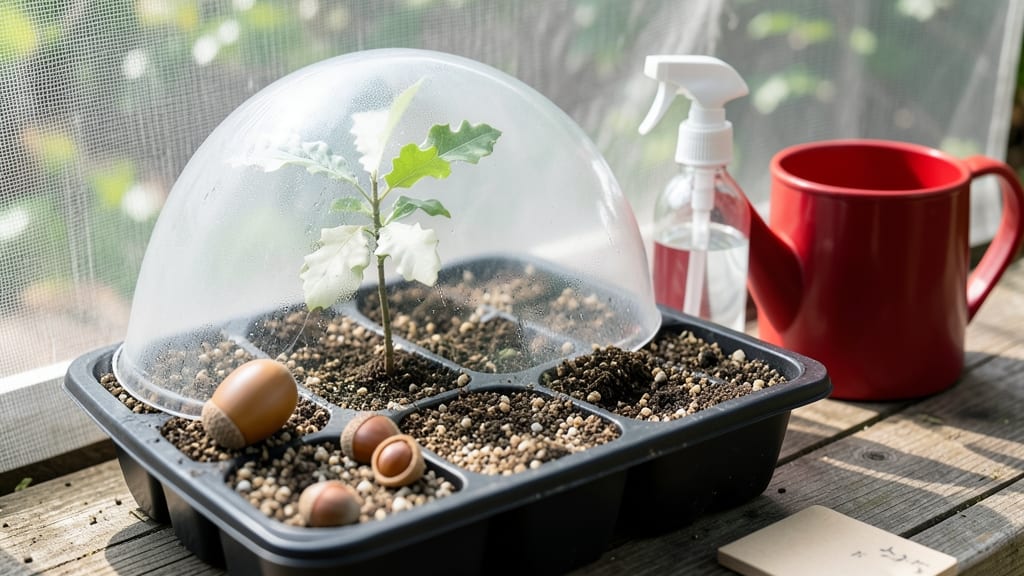
Starting an oak tree from an acorn is the ultimate test of patience—and it begins with a single step: finding the right acorn. 🌱 I’ve watched my own acorns sprout over months, their stubborn little roots pushing through soil like nature’s slowest race.
The key isn’t forcing it; it’s creating the perfect conditions for that first green shoot to break through.
You’ll need fresh, plump acorns (no cracks or mold), a shallow container, and a mix of potting soil and sand for drainage. Some oaks, like white or red, need stratification—a cold period to mimic winter—but others, like live oaks, can sprout faster.
The secret? Plant them 1 inch deep, keep the soil damp (not soggy), and place them in bright, indirect light.
Within 3-6 months, you might see a tiny shoot—if you’re lucky. Growth is slow at first, but once established, your oak will reward you with 100-foot giants in decades. The real magic happens underground, where roots spread far before the canopy follows.
This method works best in zones 5-9, where oaks thrive naturally. Just be prepared for challenges: squirrels love stealing acorns, and some species take years to sprout. Still, there’s nothing like watching a tree you grew from scratch reach for the sky.
📚 In This Guide
- What you need
- Instructions
- Tips and common mistakes
- Wrapping up and next steps
What you need
- ● Fresh acorns (preferably from Quercus robur or Quercus alba—avoid painted or dried acorns!): 5-10 (more = higher success odds!)
- ● Small pots or containers (4-6 inches deep) with drainage holes: 1 per acorn (or a shared tray with individual pots)
- ● Well-draining potting mix (sandy loam or a 50/50 blend of peat moss and perlite)
- ● Watering can or spray bottle (gentle moisture is key!)
- ● Plastic wrap or humidity dome (to retain moisture during germination)
- ● Scissors or pruners (for trimming acorn caps if needed)
- ● Patience! 😉 (Oak germination can take weeks to months—sometimes even years!)
- ● Stratification setup (a fridge or cold frame to mimic winter conditions—40–50°F for 60–90 days)
- ● Heat mat (to speed up germination in warmer months)
- ● Growth chart or journal (to track progress—oaks are slow but fascinating!)
- ● Outdoor nursery spot (once seedlings sprout, they’ll need full sun and space to grow)
- ● Fertilizer (low-nitrogen, like 5-10-10) (only after the first true leaves appear!)
Step-by-step instructions for growing an oak tree from an acorn
Here's how I've turned tiny acorns into strong oak seedlings over years of trials.
🌱 Step 1: Harvest and Prepare Acorns
Collect acorns in late fall when they've dropped naturally—they'll have the best chance of germinating. Look for plump, whole acorns without cracks or holes. I store mine in a cool, dry place until spring planting. The larger the acorn, the bigger your potential tree!
Before planting, soak acorns in water for 24 hours to soften the hard outer shell. This mimics natural winter conditions and helps break dormancy. Use a bowl of water and change it once during soaking. You'll know they're ready when the water turns slightly brownish—this means the acorns are absorbing moisture.
🌱 Step 2: Plant Acorns in Containers
Use 4-inch diameter pots filled with a mix of 50% potting soil and 50% perlite for drainage. Plant 2-3 acorns per pot about 1 inch deep—deeper planting can delay germination. Gently press the soil around them but don't compact it too tightly.
Place the pots in a shady, sheltered spot outdoors or under a grow light indoors. Acorns need consistent moisture but not soggy soil. Water lightly every 2-3 days, keeping the soil damp but never wet. You'll see tiny sprouts in 4-8 weeks, though some may take longer—patience is key!
☀️ Step 3: Provide Gradual Sunlight and Care
Once sprouts appear, move the pots to partial shade for the first few weeks. Young oak seedlings are sensitive to strong sunlight. Gradually increase their sun exposure over 2-3 weeks until they can handle morning sun only. Full sun can scorch tender leaves.
Water when the top inch of soil feels dry, but avoid overwatering—oak seedlings are prone to root rot. Fertilize lightly with a balanced 10-10-10 fertilizer once a month during the growing season. You'll notice stronger growth and deeper green leaves within a few weeks.
🪴 Step 4: Transplant Seedlings to the Ground
After 1-2 years, when seedlings reach 12-18 inches tall, transplant them to their permanent location. Choose a spot with well-draining soil and full sun. Dig a hole twice as wide as the root ball but no deeper. Gently remove the seedling, loosen the roots, and place it in the hole.
Backfill with soil, water deeply, and add a 2-inch layer of mulch around the base (but not touching the trunk). This protects young roots from temperature swings. Oak trees grow slowly—expect only 6-12 inches of growth per year in their first few years. Keep the soil moist but not waterlogged during dry spells.
⏰ Step 5: Long-Term Care for Maturing Trees
After transplanting, water deeply once a week during dry periods, but reduce frequency as the tree matures. Oak trees develop deep roots and become drought-tolerant over time. Prune only to remove dead or crossing branches—never "thin" an oak for shape, as this stresses the tree.
You'll see acorn production in 15-20 years, but the real reward is watching your tree grow into a majestic oak. I've seen mine reach 30 feet tall by age 30—proof that patience pays off in the garden. Enjoy the journey!
Tips & tricks for growing oak trees from acorns
Real talk: Turning acorns into oak trees takes more than just planting and hoping. Here's what I've learned after years of growing my own seedlings.
Acorn Selection Matters: Don't just grab any acorns! Look for ones that are plump, heavy for their size, and free of cracks or insect holes. I've found that acorns from mature oak trees (especially white oaks) have the highest germination rates. Store them in a cool, dry place until spring planting—this mimics their natural winter dormancy period. The larger the acorn, the better chance you have of growing a strong, healthy tree.
Soaking Technique Tip: That 24-hour soaking in Step 1 is crucial, but here's the thing—change the water halfway through. The first soak breaks down the hard shell, while the fresh water helps prevent mold growth. You'll know it's working when the water turns slightly brownish—this means the acorns are absorbing moisture and starting to soften. Don't skip this step, even if you're eager to plant!
Container Setup Strategy: When creating your 50/50 potting soil and perlite mix in Step 2, add a handful of coarse sand to improve drainage further. Oak seedlings hate soggy roots! Also, consider using biodegradable pots—you can plant them directly into the ground later without disturbing the roots. And here's a pro move: Label your pots with the planting date and acorn source. I've had cases where one batch germinated in 4 weeks while another took 10—tracking helps you understand what works best in your conditions.
Sunlight Transition Hack: The gradual sunlight increase in Step 3 is where most beginners make mistakes. Start with just 1-2 hours of morning sun in the first week, then add 30 minutes each subsequent week. I've seen tender seedlings get sunburned when moved too quickly—it looks like crispy brown patches on the leaves. If this happens, move them back to partial shade immediately and wait a few more days before trying again.
Pro Tips for How Do You Start An Oak Tree From An Acorn
- Real talk: Turning acorns into oak trees takes more than just planting and hoping.
- Acorn Selection Matters: Don't just grab any acorns!
- Soaking Technique Tip: That 24-hour soaking in Step 1 is crucial, but here's the thing—change the water halfway through.
Frequently asked questions
How long does it take for an acorn to sprout?
Patience is key! Most acorns take 4–8 weeks to sprout indoors, depending on moisture, warmth, and species. Outdoors, germination can take 2–3 months or longer—especially if planted in fall. Some oaks, like white oaks, may even need a cold stratification period (like winter) to break dormancy. Keep soil consistently moist but not soggy!
Can I plant an acorn directly in the ground?
Yes, but timing matters! For fall planting (best for many oak species), bury the acorn 3–4 inches deep in well-drained soil before the first frost. If planting in spring or summer, pre-sprout the acorn indoors first to boost success. Avoid planting too deep—roots need room to grow!
Will squirrels or animals steal my acorns?
Acorns are a squirrel buffet, so protect them with chicken wire mesh or plant them in hard-to-reach spots (like near fences or under dense shrubs). If you’re planting outdoors, scatter multiple acorns—some may still survive. For indoor sprouting, use a secure container with drainage holes.
What if my acorn doesn’t sprout?
Don’t lose hope! Acorns can be picky—try these fixes:
- Check moisture: Soil should stay damp but not waterlogged.
- Test viability: Fill a glass with water—if the acorn floats, it’s likely bad.
- Try stratification: Refrigerate the acorn in damp peat moss for 4–6 weeks to mimic winter.
- Use fresh acorns: Older acorns (over 1 year) may not sprout well.
How big should my oak tree get?
Oak trees vary wildly in size! Here’s a quick guide:
Species
Mature Height
Spread
White Oak
60–80 ft
50–75 ft
Red Oak
60–75 ft
40–60 ft
Bur Oak
50–70 ft
40–60 ft
Pin Oak
40–60 ft
30–50 ft
Wrapping up and next steps
Starting an oak tree from an acorn is a rewarding journey that blends patience with the joy of nurturing life.
While it may take years to see your hard work bloom into a towering giant, every small step—from collecting the right acorn to watching the first sprout—is a testament to your dedication. So grab your gloves, embrace the wait, and let nature unfold its magic in your own backyard!
Ready to take the next step? Experiment with different oak species, track your tree’s growth, or even share your progress with fellow gardeners! 🌱