
How To
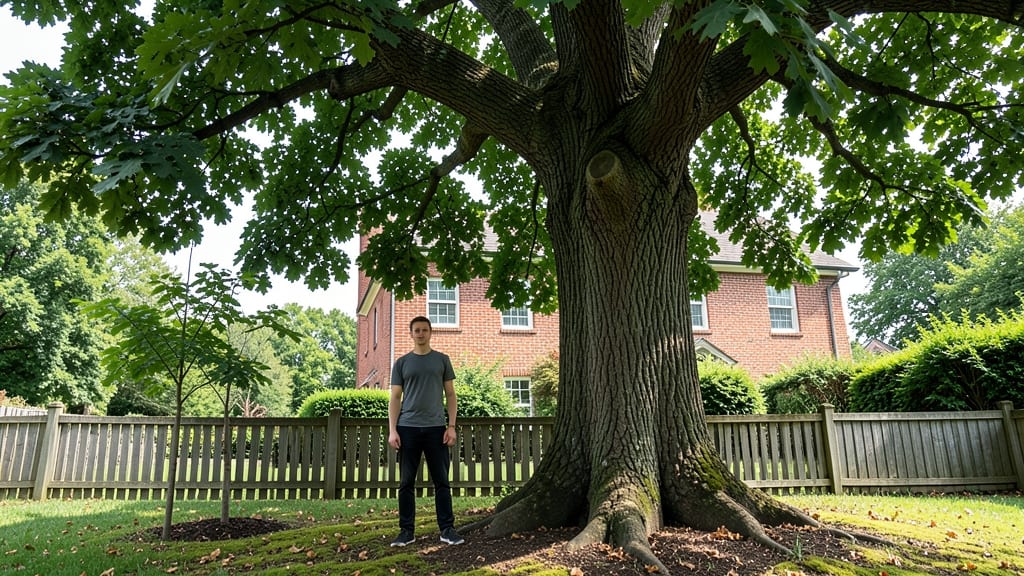
An oak tree 🌳 can grow between 60 and 100 feet tall, depending on the species and growing conditions—making them one of nature’s most impressive long-term investments.
Wondering if that tiny acorn you planted will one day shade your entire backyard? Oak trees are legendary for their towering heights and longevity, but their growth varies wildly by species.
From the stately white oak to the sprawling live oak, we break down exactly how tall these giants get and how fast they reach their impressive heights.
If you’re planning your landscape with an eye on the future, knowing these details is key. A red oak might top out at 75 feet, while a coast live oak could stretch over 100 feet—and that’s before accounting for climate, soil, or even pruning habits.
Here’s what you need to know about oak tree heights by species, growth rates, and how to manage them for a backyard that stands the test of time.


Oak tree height by species: tallest varieties and their maximum growth
Oak trees are nature's skyscrapers, with some species reaching heights that dwarf even the tallest buildings. The coast live oak can soar to 100+ feet, while others like the pin oak typically stay between 50-75 feet.
Their mature height depends on species, growing conditions, and whether they're thriving in urban landscapes or wild forests. If you're planning your garden layout, knowing these height ranges is crucial for long-term spacing and sunlight planning.
Not all oaks grow equally tall—some species like the bur oak can reach 80 feet while others like the dwarf bur oak stay a manageable 15-25 feet. Urban oaks often grow shorter due to root restrictions and pollution, while wild oaks stretch toward the sky with fewer limitations.
Let's explore the tallest oak species and how their growth patterns differ.
🌳
| Oak Species | Mature Height Range | Typical Growth Rate (Young) | Urban vs. Wild Height | Notable Features |
|---|---|---|---|---|
| Coast Live Oak | 80–100+ ft | 12–24 in/year | Wild: Tallest; Urban: 60–80 ft | Drought-resistant, sprawling branches |
| White Oak | 60–80 ft | 12–18 in/year | Wild: Full height; Urban: 40–60 ft | Long-lived, acorns for wildlife |
| Bur Oak | 70–80 ft | 10–20 in/year | Wild: Tall; Urban: 50–70 ft | Cold-hardy, lobed leaves |
| Red Oak | 60–75 ft | 15–24 in/year | Wild: Full height; Urban: 40–60 ft | Fast-growing, brilliant fall color |
| Pin Oak | 50–75 ft | 12–18 in/year | Wild: Compact; Urban: 40–60 ft | Narrow crown, good for tight spaces |
| Live Oak | 60–80 ft | 6–12 in/year | Wild: Sprawling; Urban: 40–60 ft | Evergreen, dense canopy |
| Dwarf Bur Oak | 15–25 ft | 6–10 in/year | Ideal for small yards |
How fast do oak trees grow? Growth rates by age and speciesOak trees are famous for their slow-and-steady growth, but their speed depends heavily on age, species, and growing conditions. A young white oak might shoot up 12–24 inches per year in ideal conditions, while a mature bur oak in poor soil could barely add 3–6 inches annually. Understanding these growth patterns helps you plan your landscape with patience—and realistic expectations. Most oak species follow a predictable growth curve: rapid growth in their first 10–15 years, then a gradual slowdown as they mature. For example, a red oak sapling may reach 6–10 feet tall by year 3, but by year 50, it’ll only gain 1–3 inches per year. This shift happens because older trees allocate more energy to root expansion and acorn production than vertical growth. Key Oak Growth Milestones by Species
Soil quality plays a huge role in oak growth. Trees planted in rich, loamy soil with good drainage can grow 2–3x faster than those in clay-heavy or rocky soil. For example, a white oak in well-amended soil might hit 30 feet by year 15, while one in poor soil could take 25+ years to reach the same height. Always test your soil’s pH (ideal: 6.0–7.5) and add compost before planting. Climate also affects growth speed. Oaks in warmer, humid climates (like the Southeast U.S.) grow faster than those in cold, dry regions (like the Northern Plains). For instance, a live oak in Florida may add 10–12 inches per year, while one in Arizona might only grow 4–6 inches. If you’re in a drought-prone area, mulch heavily and water deeply during the first 3 years to compensate. To estimate an oak’s age, measure its trunk diameter at chest height (4.5 feet up). Multiply that number by 3–4 to get an approximate age. For example, a 12-inch diameter trunk suggests the tree is roughly 36–48 years old. This trick works best for standard oak species like white or red oaks—live oaks grow wider and slower, so their age may be 10–20% older than the calculation suggests. Patience is key with oaks! While they’re slow growers, their longevity and low maintenance make them worth the wait. If you’re planting one for shade, choose a fast-growing species like bur oak for quicker results—or embrace the journey with a white oak and enjoy its centuries-long legacy in your landscape. 🌳 |