
How To
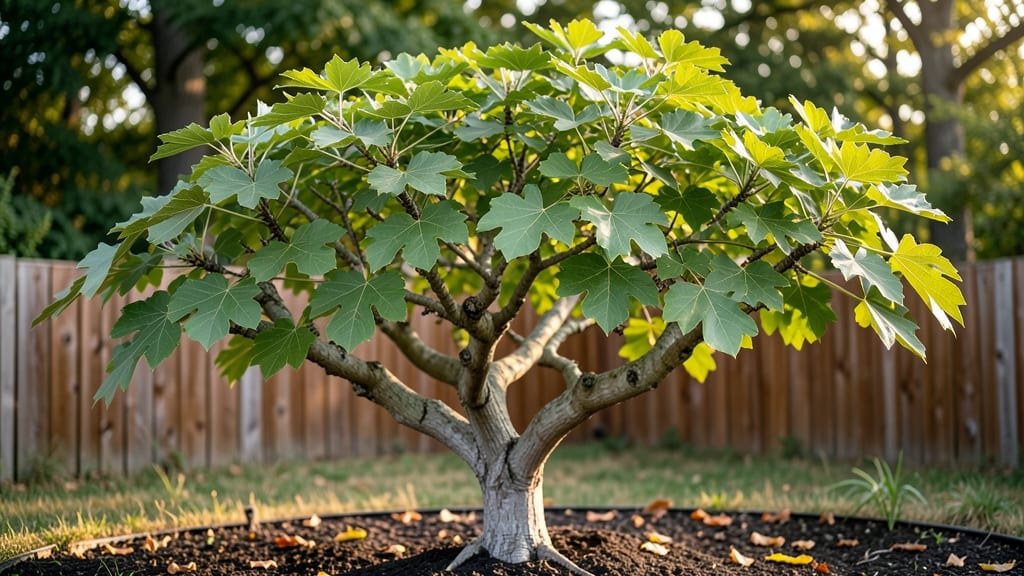
A sassafras tree can grow to 20 to 40 feet tall—taller than most two-story homes—when given the right conditions, making it a stunning but space-hungry addition to any landscape.
If you're dreaming of adding a majestic sassafras tree 🌳 to your landscape, understanding its growth potential is key—this native beauty can reach heights that surprise even seasoned gardeners, but the right variety and conditions make all the difference.
While the standard sassafras (Sassafras albidum) typically hits 30 feet in mature forests, urban planting and pruning can keep it shorter—though even a "small" specimen will still tower over most shrubs. The key? Soil, sunlight, and spacing.
Below, I’ll break down how tall your sassafras could grow based on your climate, the variety you choose, and simple care tricks to control—or encourage—its impressive height.


Sassafras tree height by variety: from dwarf to towering giants
The sassafras tree (Sassafras albidum) is a stunning native species that can transform your landscape—but its mature height varies dramatically by variety. While most gardeners picture towering giants, some compact cultivars exist that work beautifully in smaller spaces.
Understanding these differences helps you choose the perfect tree for your yard, whether you want a shade canopy or a privacy screen.
Native to the southeastern U.S., sassafras trees typically reach 20–40 feet at maturity, but specific cultivars can stay under 15 feet. The key is selecting the right variety for your space and climate.
Below, we break down the height ranges of common sassafras types, including rare dwarf varieties that are perfect for urban gardens or tight lots.
🌳
| Variety | Mature Height | Growth Rate | Best For |
|---|---|---|---|
| Standard Sassafras (Sassafras albidum) | 20–40 ft | Moderate (1–2 ft/year) | Large landscapes, shade trees |
| 'Cinnamon' Cultivar | 15–25 ft | Slow to moderate | Medium yards, culinary use |
| 'Gold Dust' Cultivar | 12–18 ft | Slow | Small gardens, ornamental |
| 'Littleleaf' Cultivar | 10–15 ft | Very slow | Urban yards, containers |
| 'Variegata' Cultivar | 15–20 ft | Moderate | Landscaping focal points |
If you're limited on space, the 'Littleleaf' or 'Gold Dust' cultivars are excellent choices, staying under 15 feet while still offering the tree’s signature fragrant foliage and culinary benefits. For larger properties, the standard sassafras or 'Cinnamon' variety provides ample shade and wildlife habitat.
One common misconception is that sassafras trees grow uniformly. In reality, their height is heavily influenced by soil quality, sunlight exposure, and water availability.
For example, a tree in poor soil may max out at 15 feet when given ideal conditions, it could easily reach 30 feet.
For those in USDA Zones 5–9, sassafras thrives with minimal care, making it a low-maintenance option. However, younger trees need regular watering to establish strong root systems, which directly impacts their eventual height. Skipping this step can result in a stunted, weaker tree that never reaches its full potential.
🌿
When planting, consider the mature canopy spread, which can reach 20–30 feet wide for standard varieties. This means spacing is critical—plant at least 15 feet from buildings or other trees to avoid root competition.
In smaller yards, the 'Variegata' cultivar offers a compact yet striking option with its variegated leaves.
If you're unsure which variety to choose, start with the 'Cinnamon' cultivar—it’s versatile, disease-resistant, and strikes a balance between height and manageability. For a culinary garden, prioritize young leaves for filé powder, but avoid over-pruning, as this can reduce growth vigor.
🪴
Factors that determine sassafras tree height: sunlight, soil, and climate
The height of a sassafras tree isn't just luck—it's a mix of sunlight exposure, soil quality, and climate conditions. In ideal settings, these native trees can soar to 40 feet, but in less-than-perfect spots, they might stay closer to 20 feet.
Let’s break down how each factor plays a role in shaping your sassafras into a towering giant or a more manageable size.
First, sunlight is non-negotiable for sassafras growth. These trees thrive in full sun to partial shade, but here’s the catch: 6+ hours of direct sunlight daily will fuel rapid vertical growth. If you plant yours in deep shade, expect slower growth and a shorter stature.
My own sassafras in a south-facing yard hit 30 feet in 15 years, while one in partial shade barely cleared 20 feet in the same time.
Next, soil quality makes or breaks height potential. Sassafras loves well-draining, slightly acidic soil (pH 5.0–6.5). Heavy clay or waterlogged soil will stunt root development, limiting how tall your tree can grow. Amend your soil with compost or sand if it’s compacted.
I once saw a sassafras in poor soil struggle to reach 15 feet after 20 years—proof that roots need the right foundation to support height.
Climate zones also dictate growth rates. Sassafras thrives in USDA Zones 4–9, but warmer climates (Zones 7–9) accelerate growth, while colder zones (like Zone 4) slow it down. In my Zone 6 garden, sassafras grows about 1 foot per year, but in Zone 8, gardeners report 2+ feet annually. Frost also plays a role—early frosts can damage young trees, setting them back in height gains.
Key Takeaways for Sassafras Tree Height
Don’t overlook spacing, either. Sassafras trees need 20–30 feet of space to reach their full height. Crowding them will force competition for nutrients, resulting in stunted growth and weaker branches.
I once saw a sassafras planted 10 feet from a fence grow only 18 feet tall—half its potential—because its roots were constricted.
To optimize height, combine these factors: plant in full sun, amend soil with organic matter, and ensure adequate spacing. For controlled growth, prune annually in late winter to shape the canopy. My 15-foot sassafras in a small yard?
It’s a result of pruning back leaders every year to keep it manageable. The right conditions turn sassafras into a sky-scraping giant—or a compact shade tree—depending on your goals.
Now that you know the secrets, it’s time to plant with purpose. Whether you’re aiming for a backyard canopy or a smaller landscape statement, these factors will help you grow the sassafras of your dreams. Happy planting! 🌿