
Light Requirements
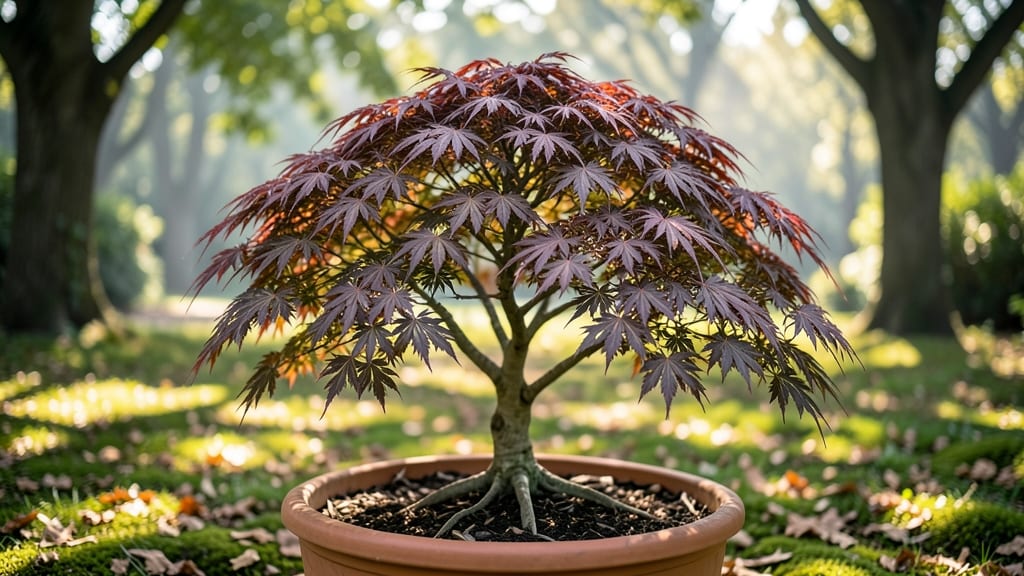
A tree with dark and light green leaves transforms any garden into a living work of art. 🌿 I’ve always loved how these variegated varieties add depth and texture without needing full sun—perfect for shady spots where most trees struggle.
The contrast isn’t just pretty; it’s a year-round statement piece that elevates even the simplest landscape. These trees thrive in partial shade, making them ideal for borders, focal points, or as a dramatic backdrop for perennials like hostas or ferns.
My favorite, the Dwarf Emerald Sentinel, stays compact while delivering bold stripes of chartreuse and deep green. The light reflects beautifully in low light, creating a dappled effect that feels like a secret garden.
You’ll love how effortlessly they pair with other shade-loving plants, creating layers of color and movement. A well-placed variegated tree anchors a space while letting other plants shine around it. The care is simple—just avoid soggy soil and occasional pruning to maintain their shape.
Perfect for small yards, woodland gardens, or even urban courtyards. Here’s how to choose and place one for maximum impact!
📚 In This Guide
- What you need
- Instructions
- Tips and common mistakes
- Wrapping up and next steps
What you need
- ● Tree Selection: 1–3 Dwarf Japanese Maple (Acer palmatum) (e.g., 'Bloodgood' or 'Emerald Lace' for bold contrast)
- ● OR 1 Sweet Gum (Liquidambar styraciflua) (for year-round variegation)
- ● OR 1 Smoke Tree (Cotinus coggygria) (fuzzy foliage with deep greens and purples)
- ● Soil Prep: 5–10 gallons of well-draining, acidic soil mix (pH 5.0–6.5 for Japanese maples; neutral for others)
- ● 1–2 bags of organic compost (for nutrient-rich planting)
- ○ Optional: Slow-release fertilizer (e.g., 10-10-10, 1 lb per tree)
- ● Planting Tools: 1 shovel or spade (for digging)
- ● 1 hand trowel (for precision)
- ● 1 garden hose or watering can (with a fine rose nozzle)
- ● 1 mulch (2–3 inches of pine bark or shredded leaves)
- ● Tree stakes & ties (if planting in windy areas)
- ● Pruning shears (for shaping or removing dead branches)
- ● Soil pH test kit (to ensure optimal growing conditions)
- ● Drip irrigation system (for consistent moisture in dry shade)
How to plant and care for a stunning variegated tree
This striking foliage showstopper thrives in shade—here’s how to plant and nurture it for bold contrast all year.
🌱 Step 1: Choose the Right Spot and Prepare the Soil
Pick a location with partial to full shade (3-6 hours of filtered light daily). Too much direct sun can scorch the lighter leaves, while too little light dulls the variegation. I dig a hole twice as wide as the root ball but only as deep—planting too deep suffocates roots.
Amend the soil with 2-3 inches of compost mixed into the top 12 inches of native soil. Variegated trees like well-draining, slightly acidic soil (pH 6.0-7.0). If your soil is heavy clay, add a handful of perlite to the backfill mix to prevent waterlogging. Tap the tree gently to settle the soil around roots, then water deeply to eliminate air pockets.
🪴 Step 2: Plant at the Correct Depth and Stake if Needed
Position the tree so the top of the root flare sits 1-2 inches above ground level. The flare is that swollen area where roots meet the trunk—burying it invites rot. If your tree has a narrow trunk, use a 3-foot stake placed 2-3 inches from the trunk at a 45-degree angle. Secure it loosely with soft ties to prevent girdling.
Backfill with the amended soil, pressing gently to remove gaps. Water again until moisture reaches 6 inches deep. Mulch with 2-3 inches of organic mulch (like shredded bark) in a 3-inch-wide ring around the base, keeping it 6 inches away from the trunk. This protects roots from temperature swings and retains moisture without smothering the tree.
☀️ Step 3: Water Deeply and Monitor Soil Moisture
Water once a week for the first month, then taper to every 10-14 days once established—variegated trees hate soggy roots. Check moisture by sticking your finger 2 inches into the soil: if it feels dry, water deeply until it drains 6 inches down. Overwatering causes yellowing leaves, while underwatering makes them crispy at the edges.
Here’s the thing—variegated trees drink less than solid-green varieties because their lighter leaves photosynthesize less efficiently. You’ll notice slower growth at first, but that’s normal. Once roots spread beyond the planting hole (usually 1-2 years), reduce watering to once every 3-4 weeks unless your area experiences drought.
✂️ Step 4: Prune for Shape and Health in Late Winter
Wait until late winter or early spring (just before buds swell) to prune. Remove dead, crossing, or rubbing branches first—these create entry points for disease. Then, shape the tree by cutting back overly long branches to open the canopy for better air circulation. Use clean, sharp pruners and make cuts just outside the branch collar (the swollen area where the branch meets the trunk).
Never remove more than 25% of the foliage in one season—variegated trees recover slowly from heavy pruning. If you notice reversion (sudden patches of solid green leaves), prune those sections out immediately to maintain the variegation. This happens when a branch gets too much sun, so adjust nearby branches to shade it slightly.
🌿 Step 5: Fertilize Lightly and Watch for Pests
Apply a balanced, slow-release fertilizer (10-10-10) in early spring, using half the recommended dose. Variegated trees are sensitive to excess nutrients, which can burn roots. Scatter granules 6 inches from the trunk and water deeply to activate them. Repeat once in mid-summer if new growth appears weak or yellow.
Keep an eye out for scale insects or spider mites, which love variegated foliage. Wipe leaves with a soapy water solution (1 tsp mild dish soap per gallon of water) if you spot sticky residue or tiny webs. For severe infestations, apply neem oil in late afternoon to avoid damaging the lighter leaves. Healthy trees rarely need treatment, so focus on proper watering and light first.
Tips & tricks for perfect variegated tree planting and care
Your variegated tree's stunning contrast thrives on these small but mighty details that make all the difference.
Light Balance: That 3-6 hours of filtered light in Step 1 is non-negotiable for maintaining the dramatic color contrast. If your spot gets morning sun but afternoon shade, that's perfect—morning light enhances the lighter foliage without scorching. Watch for leaves that look bleached or crispy at the edges, which means you've got too much direct sun. A sheer curtain or nearby taller plants can help diffuse harsh light.
Soil Science: The 2-3 inches of compost and perlite mix in Step 1 isn't just about drainage—it's about creating the perfect balance of nutrients and aeration. I've seen variegated trees struggle when planted in pure native soil, especially in clay-heavy areas. Test your soil's pH first (aim for 6.0-7.0) and adjust with sulfur if needed. The perlite prevents waterlogging, which is the #1 killer of variegated trees—roots need oxygen as much as water.
Planting Depth Secret: That 1-2 inches above ground level for the root flare in Step 2 might seem minor, but it's everything. Burying too deep suffocates the roots, while planting too high leaves them exposed. Here's my trick: After backfilling, gently press the soil and look for a slight mound around the base—this helps water pool correctly without drowning the roots. The 6-inch deep watering afterward eliminates air pockets that could strangle new growth.
Watering Wisdom: The once-a-week rule in Step 3 is a starting point, not a law. Stick your finger 2 inches deep—if it feels dry, water until it drains 6 inches down. I've learned this the hard way: variegated trees show water stress differently than regular trees. Look for crispy edges on the lighter leaves first—those are your warning signs before the whole tree suffers. And remember, once established (after 1-2 years), you'll water far less than you think.
Pro Tips for Tree With Dark And Light Green Leaves
- Your variegated tree's stunning contrast thrives on these small but mighty details that make all the difference.
- Light Balance: That 3-6 hours of filtered light in Step 1 is non-negotiable for maintaining the dramatic color contrast.
- Soil Science: The 2-3 inches of compost and perlite mix in Step 1 isn't just about drainage—it's about creating the perfect balance of nutrients and aeration.
Frequently asked questions
Got questions about those gorgeous trees with dark and light green leaves? You’re not alone! Here are some of the most common queries—and their answers—to help you choose, care for, or troubleshoot these stunning shade stars.
What are the best trees for dark and light green foliage in full shade?
Look for Japanese maples (Acer palmatum), dwarf ferns (e.g., Matteuccia struthiopteris), or dogwoods (Cornus florida). These thrive in low light and offer striking variegation. For bold contrast, try Hosta varieties like ‘Blue Angel’ or ‘Patriot’—their deep green centers and lighter edges create a dreamy effect.
How long does it take for a tree to show its dark and light green leaf pattern?
Most trees establish their variegation within 1–3 years, but some, like Japanese maples, may take up to 5 years for full color development. Patience pays off—young leaves often start as solid green before revealing their stunning contrast. Pro tip: Prune back any solid-green growth to encourage variegation!
Why are my tree’s leaves turning all dark green instead of staying variegated?
This usually means too much shade or nutrient imbalance. Variegated trees need some direct or dappled light to maintain their pattern. If the soil lacks nitrogen, the tree may revert to solid green. Try a balanced fertilizer in spring and gradually increase light exposure.
Can I plant a dark-and-light-green tree in a small urban garden?
Opt for dwarf varieties like ‘Bloodgood’ Japanese maple (3–5 ft tall) or ‘Golden Tiara’ spirea (3 ft wide). These fit tight spaces while delivering drama. Just ensure the spot gets at least 3–4 hours of indirect light daily for best results.
How do I protect my variegated tree from sunburn in bright shade?
Variegated leaves are prone to scorch if exposed to sudden sun. Gradually acclimate your tree by pruning nearby structures over weeks, not days. For extra protection, apply a light shade cloth during peak sun hours (10 AM–2 PM) until the tree adjusts.
Wrapping up and next steps
Discovering the perfect tree with dark and light green leaves can transform your shade garden into a year-round masterpiece! These striking contrasts not only enhance visual appeal but also create a serene, dynamic atmosphere.
Whether you’re drawn to the bold foliage of Ginkgo biloba or the delicate variegation of Celtis sinensis, the right choice will elevate your outdoor space with minimal effort.
Ready to bring this beauty home? Start by assessing your garden’s light conditions and soil type—then pick a tree that thrives in your climate. Plant it with confidence, and enjoy the stunning results for seasons to come! 🌿✨