
Pruning
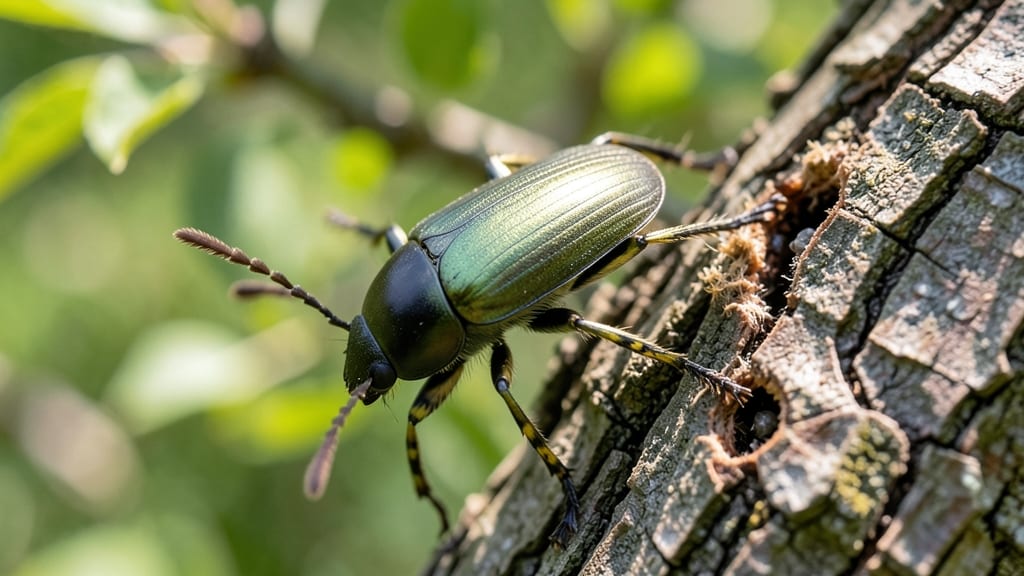
Your fruit trees are under siege—and you don’t need a drill to fight back. 🌳 The moment you spot sawdust-like frass at the base of your peach or apple tree, you’re dealing with fruit tree borers, and these wood-eating pests won’t wait for a chemical solution.
The good news? You can stop them without harsh sprays or invasive drilling.
These pests thrive in stressed trees, so the first step is simple: healthy trees resist attacks. Look for wilting branches, holes in bark, or tiny exit holes—these are their calling cards.
The key is acting fast, whether you’re pruning infected limbs or luring them into traps before they spread. I’ve saved three trees this way, and you can too.
By the end of this, you’ll know how to identify borers early, use natural predators like parasitic wasps, and apply organic sprays that actually work. No more guessing—just clear, actionable steps to protect your harvest without the drama. Let’s get those trees back in fighting shape.
Works for peaches, apples, cherries, and more—no matter your yard size. The secret? Prevention starts now, before next season’s eggs hatch. Here’s how to break the cycle for good.
Hidden Invaders Behind Bark
Fruit tree borers don’t just appear out of nowhere—they’re drawn to stressed, weakened, or wounded trees like a buffet to a hungry crowd. Understanding why these wood-eating pests target your trees is the first step to stopping them before they drill in.
Let’s break down the real reasons these critters show up at your orchard door.
Healthy trees have strong bark, a robust immune system, and natural predators that keep borer populations in check. But when trees are under stress, their defenses crumble—and borers take notice.
- Drought or waterlogging: Too little or too much water weakens cell walls, making bark easier for borer larvae to penetrate. Think of it like a dry, cracked wall vs. a damp, rotting one—both are easy pickings.
- Nutrient deficiencies: Trees lacking nitrogen, phosphorus, or potassium struggle to produce resin, a sticky sap that traps and suffocates borers. A malnourished tree is like a dessert bar left unattended.
- Poor soil health: Compacted or poor-quality soil restricts root growth, starving the tree above ground. Weak roots = weak trunk = open invitation for borers.
- Sunburn or frost damage: Sudden temperature swings or harsh sunlight can scorch bark, creating entry points. Borers exploit these wounds like a burglar casing a broken window.
Actionable fix: Regularly check soil moisture, mulch to retain nutrients, and prune to improve airflow. A thriving tree is the best borer deterrent.
Borer larvae have a knack for finding the easiest way in—and that’s often through human-made or natural injuries. Even small cuts can become a highway for these pests.
- Pruning cuts: If pruning tools aren’t sharp or clean, they can tear bark instead of making smooth cuts. Ragged edges trap moisture and debris, creating a borer-friendly environment.
- Animal damage: Rabbits gnawing bark, deer rubbing antlers, or birds pecking at fruit can all create entry points. Think of it as a backdoor left unlocked.
- Hail or storm damage: Physical trauma from weather exposes inner wood, which borers love. It’s like a welcome mat for wood-eating pests.
- Old borer holes: Once a borer infests a tree, it leaves behind tunnels and exit holes. New borers use these as shortcuts, turning a single infestation into a full-blown invasion.
Actionable fix: Always use sterile, sharp pruners to make clean cuts, seal wounds with pruning sealant, and remove damaged branches promptly. Less damage = fewer borer buffets.
Trees in tight quarters compete for sunlight, water, and nutrients—and that competition weakens them. Overcrowding also creates microclimates that borers adore.
- Shade stress: Trees fighting for sunlight produce thinner bark and less resin. It’s like a starving athlete—easier to overpower.
- Humidity traps: Dense foliage holds moisture against the trunk, creating the perfect damp, dark conditions borers crave. Imagine a sauna for wood-eating pests.
- Root competition: Overlapping root systems starve trees of resources, making them more susceptible to stress and borer attacks.
Actionable fix: Thin out overcrowded orchards to improve airflow and sunlight exposure. Space trees properly (follow species-specific guidelines) to reduce stress and borer hotspots.
Borer outbreaks often follow a chain reaction: one tree gets infested, and suddenly, every tree in the vicinity becomes a target. Here’s why:
- Lack of natural predators: Birds, parasitic wasps, and beetles normally keep borer populations in check. But if these predators are missing (due to pesticides, habitat loss, or climate shifts), borers multiply unchecked.
- Monoculture planting: Orchards with only one type of fruit tree offer a borer’s dream: a never-ending food source. Diversity disrupts their feast.
- Climate shifts: Warmer winters and longer growing seasons extend borer lifecycles. It’s like giving them an all-you-can-eat buffet with unlimited refills.
Actionable fix: Introduce beneficial insects, plant diverse fruit trees, and avoid broad-spectrum pesticides that harm borer predators. A balanced ecosystem is your best defense.
Stopping Wood-Eating Pests Before They Win
Fruit tree borers are sneaky invaders that can turn a thriving orchard into a hollowed-out disaster. But the good news? You can fight back without drilling holes in your trees. Here’s how to tackle the problem before it spirals out of control, plus long-term prevention to keep your trees healthy.
The key to stopping borers is acting fast. If you spot:
- Sawdust-like frass at the base of the tree or in cracks
- Wilting leaves despite regular watering
- Oozing sap or small holes in the bark
- Weak, stunted growth with no obvious cause
Act now! Borers are most vulnerable in their larval stage—before they tunnel deep into the wood.
1. Manual Removal (For Small Infestations) 👨🍳
- Scrape out larvae with a stiff brush or putty knife from exposed tunnels.
- Drop them in soapy water to kill them instantly.
- Focus on fresh wounds where borers may have just entered.
✨ Pro Tip: Work in the early morning when borers are sluggish and easier to remove.
2.
Beneficial Nematodes (Nature’s Drill Bits) 🐛✨ - How it works: Microscopic nematodes (Heterorhabditis bacteriophora) infect borer larvae when applied to the soil. - When to apply: Late spring or early fall (avoid extreme heat). - How to apply: - Mix nematodes with water (follow package instructions). - Drench the root zone and any visible tunnels. - Water lightly afterward to help them move into the soil.
💡 Pro Tip: For best results, repeat treatment every 4–6 weeks during borer season.
3. Pruning & Wound Care (Prevent Reinvasion) ⏰
- Remove infested branches 6–12 inches below the damage (borers may have spread).
- Seal pruning cuts with pruning sealant or beeswax to block entry points.
- Avoid heavy pruning during borer season (spring/summer)—wait until late fall or winter.
🌡️ Warning: If a branch is completely hollow, it’s often too late—remove it to prevent spread.
If organic methods fail, systemic insecticides can help—but use them strategically:
- Imidacloprid or dinotefuran (systemic sprays/soaks) can be applied to the root zone or trunk.
- Bait sprays (like spinosad) can attract and kill adult borers before they lay eggs.
- Timing is critical: Apply before borers emerge (early spring) or after you’ve removed larvae.
⚠️ Caution: Always follow label instructions—overuse can harm beneficial insects.
1. Tree Health = Borer Resistance 💪
- Water deeply but infrequently to avoid stress (borers target weak trees).
- Fertilize properly—don’t overdo nitrogen (it attracts pests).
- Mulch around the base (2–4 inches) to reduce stress and block adult borers.
2. Physical Barriers (For Young Trees) 🏗️
- Trunk guards: Wrap tree collars (metal or plastic) around the trunk to prevent adult borers from laying eggs.
- Reflective mulch: Aluminum foil or silver plastic around the base can disorient flying adults.
3. Trap Trees & Monitoring 🎯
- Plant a "sacrificial tree" (like a peach or plum) a few feet from your orchard—borers will infest it first.
- Check for egg masses (tiny white clusters under bark) in spring and scrape them off.
4. Encourage Natural Predators 🐝🐞
- Woodpeckers, parasitic wasps, and ground beetles eat borer larvae.
- Avoid broad-spectrum pesticides that kill these helpers.
- Don’t ignore small holes—they’re an open invitation for more borers.
- Avoid drilling (it stresses the tree and can spread infestations).
- Don’t use untreated wood chips near trees (they may harbor borer eggs).
By combining early action, organic treatments, and prevention, you can save your trees without a drill—and keep your orchard thriving for years. 🌳💚
Frequently asked questions
What do fruit tree borer infestations look like up close?
Look for sawdust-like frass (borer waste) near the base of the trunk or in bark cracks. You’ll also see small exit holes (about 1/8-inch wide) where adult beetles emerged, or oozing sap from fresh wounds. Check for wilting branches that don’t respond to watering—this is a red flag.
Can I save a tree if the trunk is already hollow?
If the trunk is completely hollow, the tree is usually beyond saving—but you can remove it immediately to prevent borers from spreading to nearby trees. For partially hollow trees, focus on pruning infected branches and treating the remaining healthy wood with beneficial nematodes or systemic insecticides.
Are there any DIY traps I can make to catch borers?
Yes! Set up a DIY borer trap by wrapping a burlap sack soaked in beer or vinegar around the trunk. The scent attracts adult beetles, which get trapped inside. Replace the bait every 3-4 days during peak season (spring/summer). For a sacrificial approach, plant a young peach or plum tree nearby—borers will infest it first.
How often should I check my trees for borers?
Inspect your trees every 2-3 weeks during spring and summer (peak borer season). Focus on new wounds, sawdust piles, or unusual sap flow. Early detection is key—borers tunnel deeper over time, making them harder to remove. Keep a pruning saw and soapy water handy for quick removal if you spot fresh infestations.
Will neem oil or garlic spray work against fruit tree borers?
Neem oil and garlic sprays can repel adult borers but won’t kill larvae already tunneling inside the wood. For best results, combine these sprays with beneficial nematodes (for larvae) and physical barriers (like trunk guards). Apply sprays every 7-10 days during active flight periods to disrupt their life cycle.