
Plants
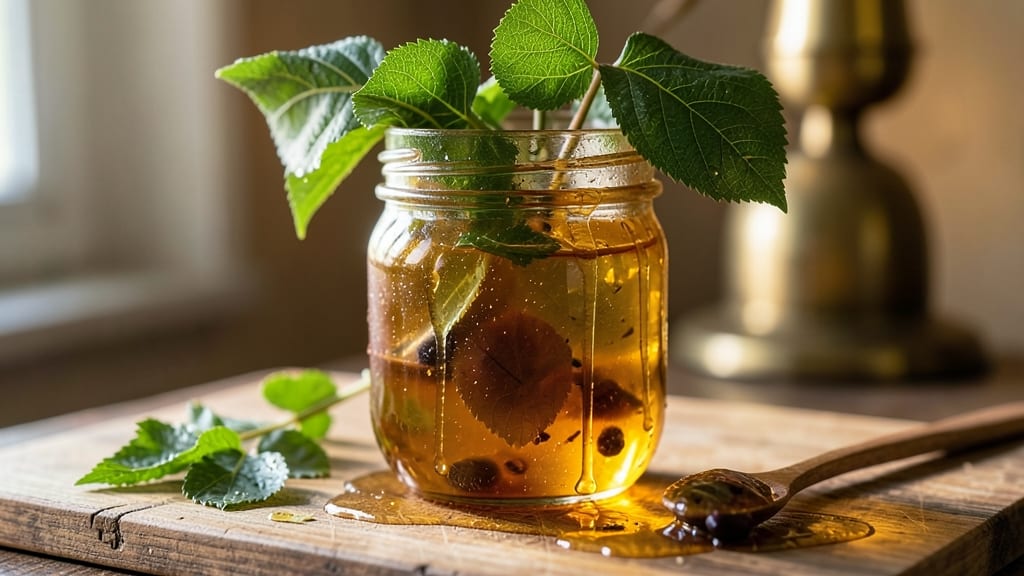
Discover the surprising culinary potential of cherry tree leaves—beyond just fruit! These nutrient-rich greens offer unique flavors and health benefits, from savory teas to flavorful seasonings, perfect for foragers and gardeners alike.
Sweet Black Cherry Leaf Tea
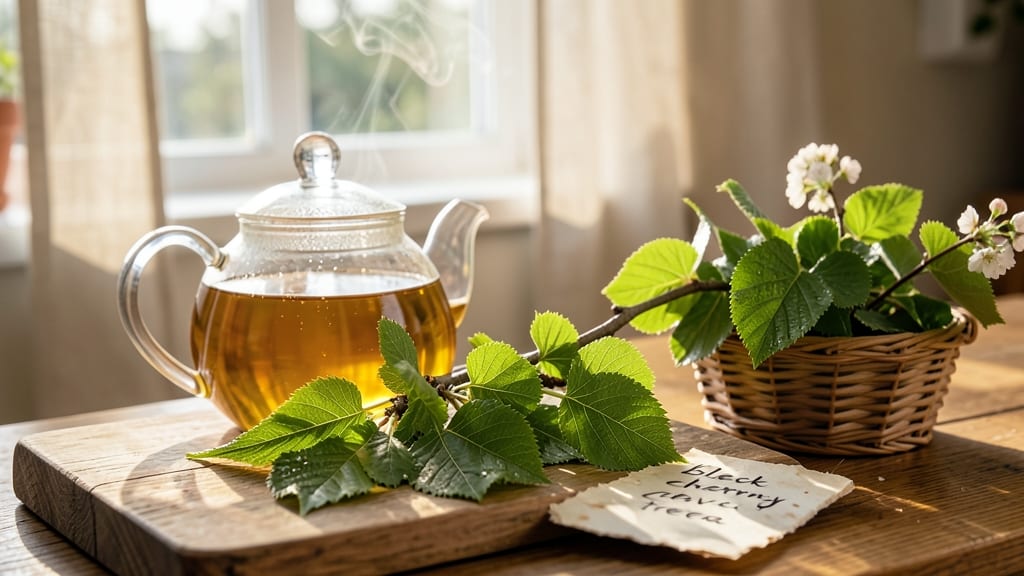
Skip the grocery store and brew your own caffeine-free tea using the sweet, aromatic leaves from your black cherry tree. This simple infusion delivers a naturally fruity, subtly sweet cup that’s packed with antioxidants—perfect for afternoon sips or a soothing evening ritual.
Harvest young, tender leaves in spring or early summer when their flavor is most delicate. Steep 1-2 teaspoons of fresh or dried leaves in hot (not boiling) water for 5-7 minutes to release their gentle sweetness and herbal notes. For extra depth, add a slice of lemon or a cinnamon stick. The result? A lightly floral, cherry-infused tea that’s gentle enough for kids and adults alike.
This beginner-friendly method is ideal for gardeners who want to reduce waste and enjoy their harvest year-round. Store dried leaves in an airtight container for up to 6 months, ready to brew whenever you crave a natural, chemical-free pick-me-up. 🌿
Sour Cherry Leaf Pesto Sauce
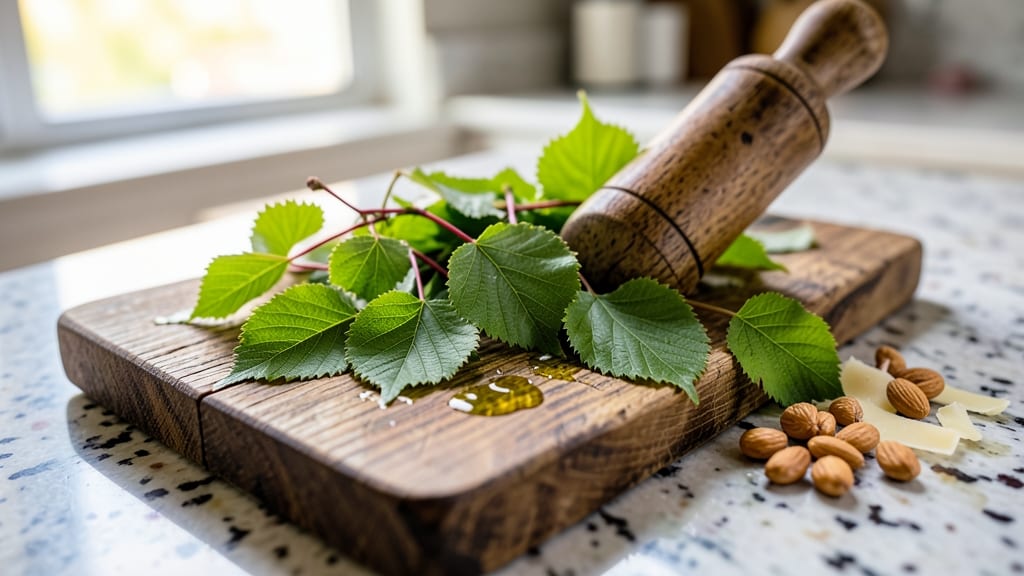
Turn those fallen sour cherry leaves into a vibrant, tangy pesto that transforms ordinary meals into gourmet experiences. Unlike traditional basil pesto, this version delivers a bright, slightly tart flavor that pairs beautifully with pasta, sandwiches, and even grilled meats.
Harvest young, tender leaves in early summer when their flavor is most intense, then blend them with pine nuts, garlic, parmesan, and olive oil for a creamy yet refreshing sauce. The leaves' natural acidity cuts through rich dishes, making them ideal for hearty meals. For extra depth, add a splash of lemon juice or a pinch of red pepper flakes.
This is the perfect solution for gardeners who want to minimize waste and add a unique twist to their cooking repertoire. Plus, it’s a great way to experiment with flavors while keeping your kitchen stocked with homegrown goodness. 🌿
Dried Tart Cherry Leaf Powder
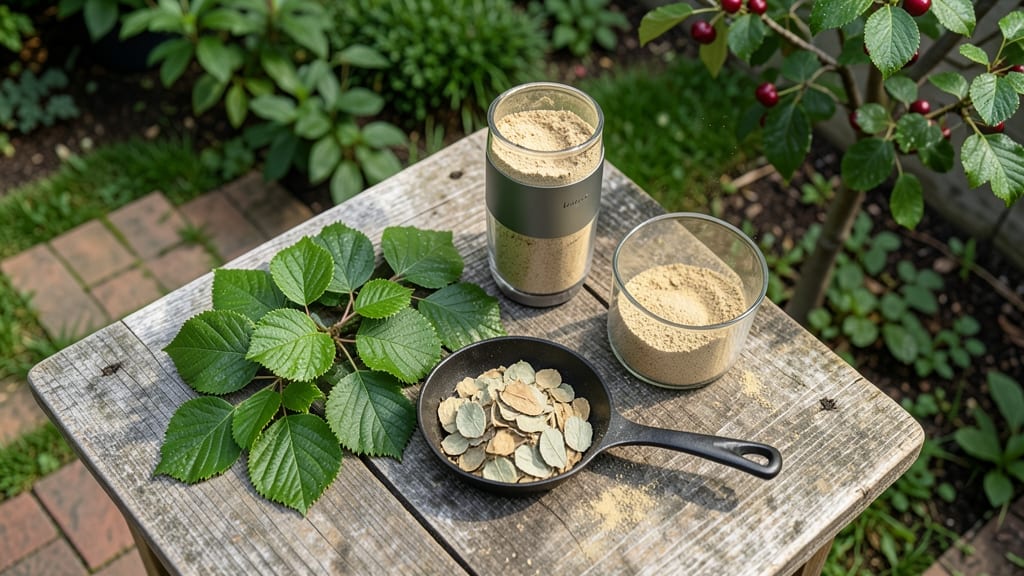
Small spaces and big flavors don’t have to be mutually exclusive—dried tart cherry leaf powder lets urban gardeners capture the essence of their harvest year-round without needing fresh leaves.
Simply dry tart cherry leaves (from Prunus cerasus) thoroughly, then blend them into a fine powder. Use it to enhance smoothies (½ tsp per serving) or baked goods like muffins and breads for a subtle tartness. The powder retains the leaves’ natural antioxidants and can be stored for up to 6 months in an airtight container.
Perfect for city dwellers with container gardens, this method turns seasonal bounty into a pantry staple. 💚
Wild Cherry Leaf Salad Garnish
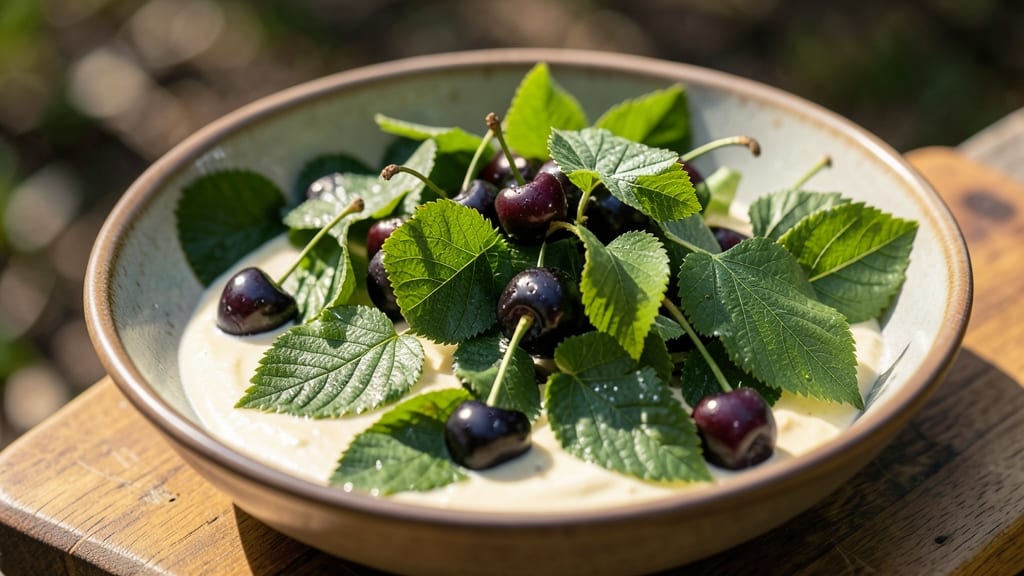
Skip the store-bought garnishes and forage your own wild cherry leaves for a salad that tastes as good as it looks. Their delicate bitterness cuts through creamy dressings and rich ingredients, adding a sophisticated twist to your greens without overpowering them.
Harvest young, tender leaves in early spring before the tree flowers for the mildest flavor. Rinse thoroughly to remove any dirt or pests, then tear or finely chop them for a subtle, herbal crunch. Pair with butter lettuce, arugula, or spinach and a light lemon vinaigrette to highlight their unique taste. Foragers will love how these leaves transform a basic salad into a gourmet experience with zero effort.
This garnish is perfect for urban foragers with backyard cherry trees or those exploring wild edibles. It’s a simple way to use what nature provides while adding a fresh, foraged touch to your meals. 🌿
Fermented Cherry Leaf Kimchi
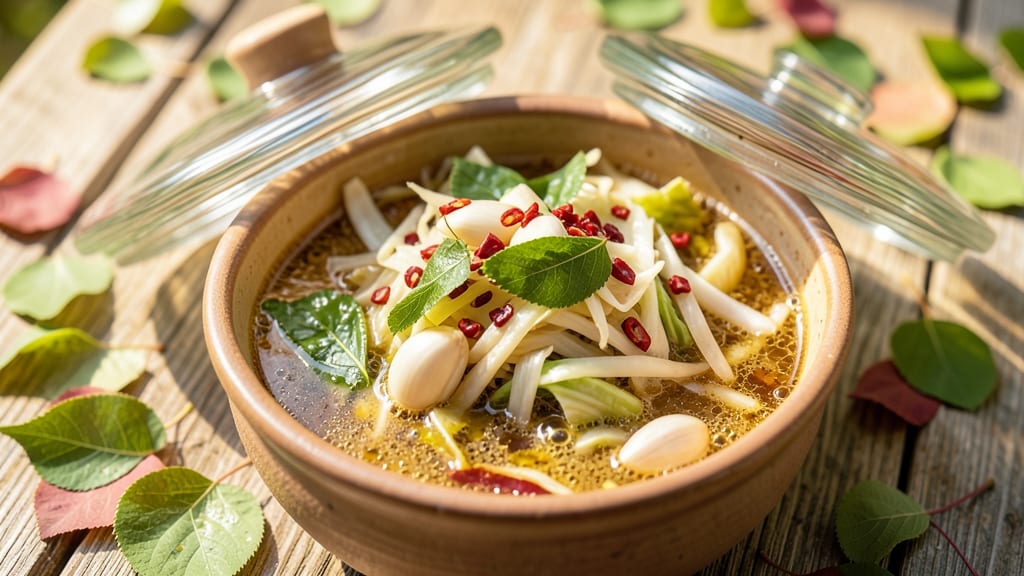
Turn your cherry tree’s fallen leaves into a probiotic-packed fermented side dish that’s as exciting as it is nutritious. This fermented cherry leaf kimchi combines the bright, slightly tart notes of young leaves with the crunch of cabbage and the heat of chili—creating a dish that’s equal parts tangy and complex.
Start by harvesting young, tender leaves (avoid older, tough ones) and finely chopping them alongside shredded cabbage, garlic, ginger, and your choice of heat (gochugaru or fresh chili flakes). Pack the mixture tightly into a clean jar, then cover with a brine of 2% saltwater (20g salt per liter). Let it ferment at room temperature for 3–5 days, then refrigerate for an extra 2–4 weeks to develop deeper flavors. The result? A vibrant, crunchy kimchi with herbal depth that pairs perfectly with grilled meats or rice bowls.
This ferment is ideal for gardeners who love preserving seasonal harvests and fermenting enthusiasts looking to experiment beyond cabbage. Plus, the probiotic benefits make it a gut-friendly addition to any meal—just don’t forget to burp the jar daily! 🌿
Baked Cherry Leaf Parmesan
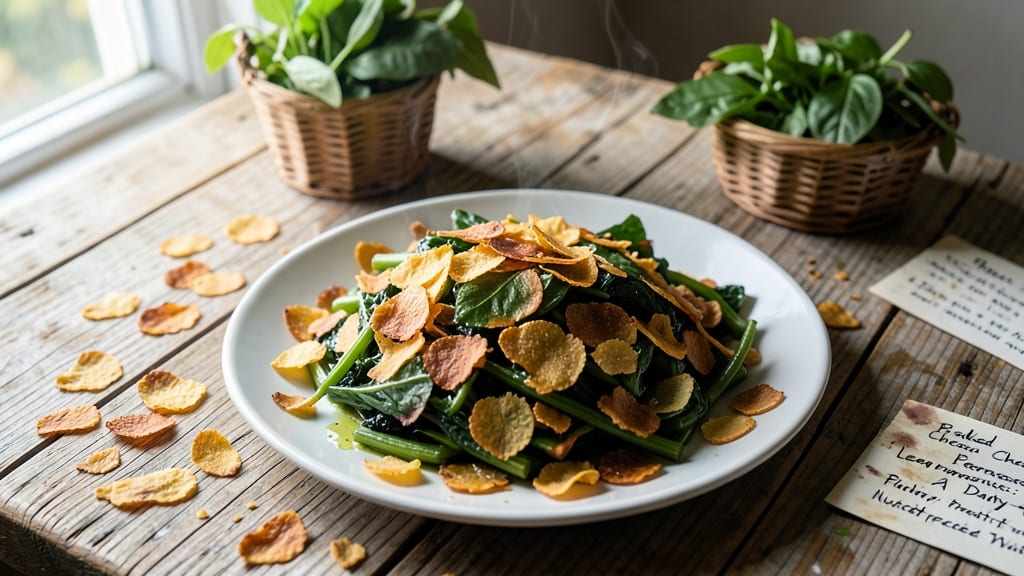
Looking to add a nutrient-packed, dairy-free twist to your dishes? Baked cherry leaf parmesan transforms fallen leaves into a vibrant, herbal seasoning that mimics the umami depth of traditional cheese—without the dairy.
Start by harvesting young, tender cherry leaves (avoid older, tough ones) and blanching them briefly to soften. Toss with olive oil, nutritional yeast, garlic powder, and a pinch of salt, then bake at 350°F (175°C) for 10-15 minutes until crispy. The result is a flavorful, crumbly topping perfect for pasta, roasted veggies, or soups. Urban gardeners and vegans will love this zero-waste solution!
This method preserves the herbal notes of cherry leaves while adding protein and minerals—ideal for those seeking plant-based alternatives with a gourmet touch. 🌿
Cherry Leaf Infused Olive Oil
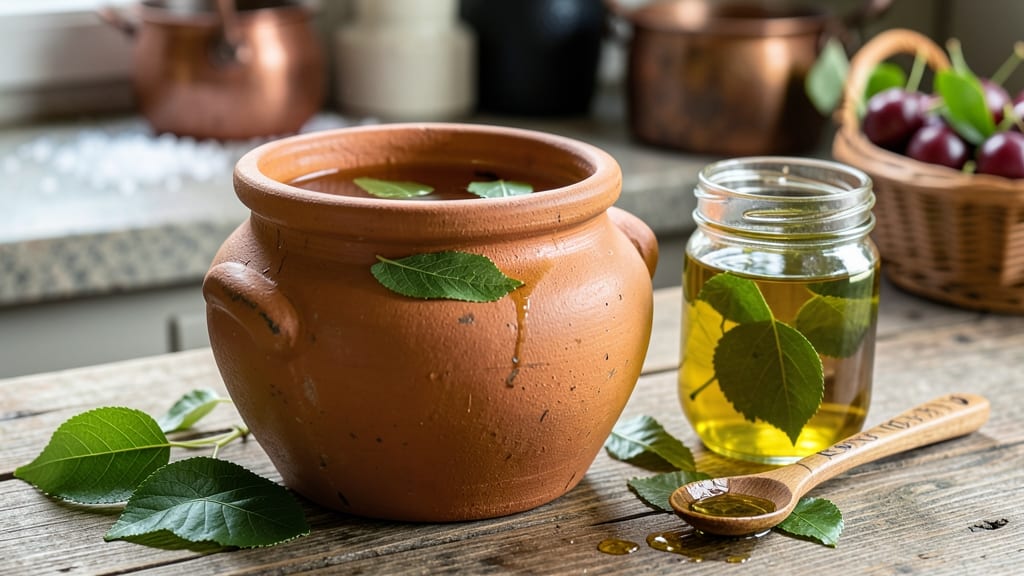
Transform your cherry tree’s bounty into a year-round pantry staple with cherry leaf infused olive oil—a fragrant, herbal twist on classic Mediterranean flavors. This simple preservation method captures the bright, slightly tart notes of fresh leaves while adding depth to everything from bruschetta to roasted vegetables.
Start by harvesting young, tender leaves in late spring or early summer when their flavor is most intense. Gently pack them into a clean glass jar, then cover completely with high-quality extra-virgin olive oil. Seal tightly and store in a cool, dark place for 2–4 weeks, shaking the jar daily to distribute the oils. Strain before use, or leave leaves in for a stronger infusion. The result? A vibrant green-hued oil with a complex herbal aroma that pairs beautifully with grilled fish, salads, or drizzled over fresh bread.
This method is ideal for gardeners who want to reduce waste and extend their harvest’s shelf life. Plus, it makes a stunning homemade gift for fellow foodies. 🌿
Smoked Cherry Leaf Rub

Take your backyard grilling to the next level with a smoked cherry leaf rub—a foraged twist that adds depth to meats without overpowering flavors. This unique seasoning blend captures the subtle smoky-sweet notes of wild cherries, perfect for ribs, brisket, or even grilled vegetables.
Start by harvesting young, tender leaves from sweet or tart cherry trees (avoid ornamental varieties). Dry them thoroughly, then crush into a fine powder. Mix with coarse salt, smoked paprika, and black pepper for a balanced rub. Apply generously before grilling and let the natural compounds infuse into the meat for a distinctive aroma.
Grilling enthusiasts who love experimenting with wild flavors will appreciate this zero-waste solution—especially those with access to cherry trees. It’s the ideal way to repurpose fallen leaves into a showstopping seasoning that impresses guests. ✨
Cherry Leaf and Herb Stuffing
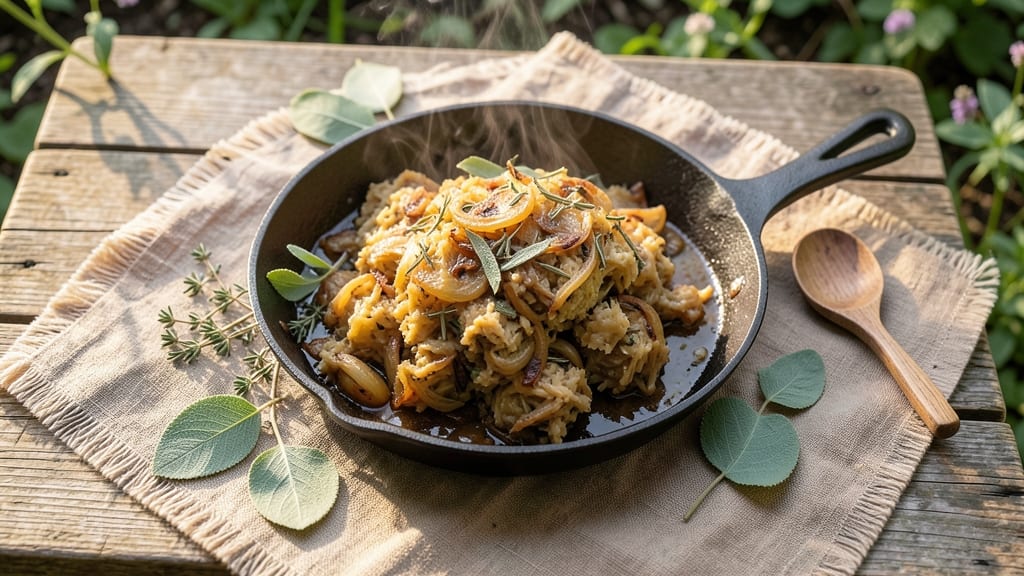
Transform your holiday table with a foraged twist on classic stuffing by incorporating tender cherry tree leaves alongside traditional herbs. This unexpected addition brings a subtle, earthy sweetness that pairs beautifully with sage, thyme, and onions—while reducing food waste from fallen leaves.
Harvest young, light green leaves in early summer before they toughen, then finely chop them to blend seamlessly into your mix. Use a ratio of 1 part chopped leaves to 3 parts bread cubes for a balanced texture. The leaves add a delicate almond-like note when toasted with butter and poultry stock, making every bite feel special.
This is the perfect project for gardeners who love holiday cooking but want to highlight their homegrown harvest. Your guests will never guess the secret ingredient—just the cozy, comforting flavors they crave. 🌻
Cherry Leaf and Honey Syrup

Turn your cherry tree harvest into a luxurious homemade syrup that’s perfect for gifting or elevating cocktails and desserts. This cherry leaf and honey syrup combines the natural sweetness of honey with the subtle herbal notes of fresh cherry leaves, creating a versatile sweetener that’s far more unique than store-bought options.
Start by gently simmering 2 cups of water with 1 cup of fresh cherry leaves (from sweet or tart varieties) for 10 minutes to extract their delicate flavors. Strain, then mix the infused water with 1 cup of raw honey and let it steep for 24 hours at room temperature. Strain again and bottle in a glass jar. The syrup’s balanced sweetness and floral undertones make it ideal for drizzling over pancakes, stirring into iced tea, or even adding depth to homemade gin cocktails.
Foragers and small-batch producers will love this as a standout gift—pair it with local honey or a sprig of rosemary for an artisanal touch. Urban gardeners can also use this method to preserve their leaf harvest year-round. 🌟