
Flowers
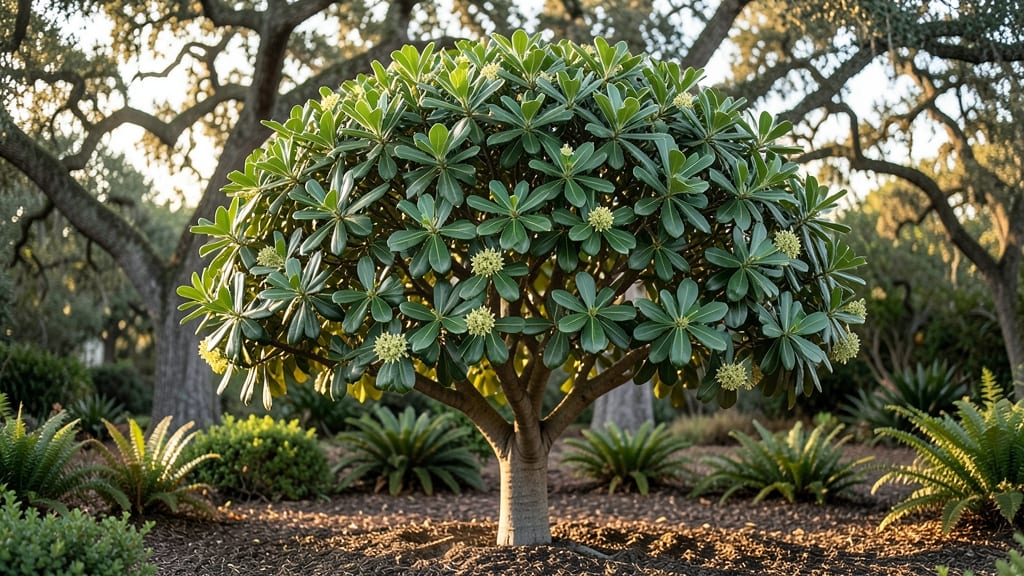
Your garden just got a showstopper—the paradise tree flowers (Delonix regia) turn any landscape into a vibrant stage with their fiery orange-pink blooms. 🌺 I’ve seen these trees steal the show in tropical-themed backyards, urban oases, and even as dramatic focal points near patios.
Their cascading flowers create a canopy that feels like a burst of sunshine, even in winter’s quiet moments.
The magic lies in their year-round drama—though they peak in spring and summer, their bold foliage and occasional blooms keep the energy alive. Pair them with deep-green shrubs like gardenias or silver-blue succulents to make the colors pop.
They thrive in warm climates but can also handle mild winters with a little protection, making them adaptable for many gardeners.
Imagine your front yard transformed into a tropical escape, where every breeze carries a whisper of those fiery petals. The tree’s cultural significance adds depth too—it’s a symbol of resilience and beauty in many cultures, perfect for gardens that tell a story.
Plant it where it can be admired from indoors or as a grand entrance to your outdoor space.
For best results, give it plenty of space—these trees grow wide and tall—and plant near a water source to attract hummingbirds. The payoff? A garden that feels like a living masterpiece, all year long. Ready to make your landscape unforgettable?
📚 In This Guide
- What you need
- Instructions
- Tips and common mistakes
- Wrapping up and next steps
What you need
- ● Paradise tree seeds or saplings: 1–3 (depending on desired spacing; mature trees can grow 30–50 ft tall!).
- ○ Well-draining soil: Mix of sandy loam with organic compost (pH 5.0–7.5). Optional: Add perlite or sand for extra drainage.
- ● Fertilizer: Slow-release, balanced fertilizer (10-10-10 NPK) or citrus-specific blend for young trees.
- ● Mulch: 2–3 inches of wood chips or pine straw to retain moisture and suppress weeds.
- ● Garden trowel or shovel for digging.
- ● Pruning shears (sterilized) for shaping and maintenance.
- ● Watering can or hose with a gentle spray nozzle (young trees need consistent moisture!).
- ● Measuring tape for spacing (plant 20–30 ft apart for full-grown trees).
- ○ Gloves (optional but recommended—paradise trees have mildly irritating sap!).
- ● Sunlight: Full sun to partial shade (6+ hours of direct light daily).
- ● Climate: Thrives in USDA Zones 10–11 (hardy to 30°F but prefers warmth). Pro tip: In cooler zones, grow in containers for winter!
- ● Space: Ensure ample room—these trees are dramatic and fast-growing!
How to grow and maintain a stunning paradise tree flower display
Here's how to cultivate these showstopping trees for vibrant blooms that transform any landscape.
🌱 Step 1: Select the Right Location and Planting Site
The paradise tree (Simarouba glauca) thrives in full sun to partial shade, with at least 6 hours of direct sunlight daily for optimal flowering. Choose a spot with well-draining soil—these trees despise soggy roots. I always test the soil by digging a 6-inch hole and checking for water pooling; if it drains slower than 2 hours, amend with 2-3 inches of compost mixed into the native soil.
Young trees need shelter from strong winds, so plant near a fence or building for the first 2-3 years. Mature specimens grow 30-50 feet tall, so give them 20 feet of clearance from structures or other plants. The first year is critical—plant in early spring when soil temperatures reach 60°F to avoid transplant shock.
☀️ Step 2: Plant with Proper Spacing and Initial Care
Dig a hole twice as wide as the root ball but no deeper—planting too deep suffocates roots. Gently loosen the root ball if wrapped in burlap, then position the tree so the top of the root ball sits 1-2 inches below soil level. This slight burial prevents stem rot while encouraging root expansion.
Backfill with native soil mixed with 1 part compost, tamping lightly every 6 inches to eliminate air pockets. Water deeply immediately after planting—10-15 gallons for mature trees—to settle the soil. Mulch with 3 inches of wood chips in a 3-foot diameter ring, keeping mulch 6 inches away from the trunk to prevent rot.
💧 Step 3: Water and Fertilize for Year-Round Blooms
Young trees need deep watering once weekly during dry spells, while mature specimens tolerate drought once established. Check moisture by probing 3 inches deep—if dry, water until it runs 6 inches deep. Overwatering is the #1 killer; yellowing leaves signal you're pushing it too far.
Fertilize in early spring with a balanced 10-10-10 formula, applying 1 pound per inch of trunk diameter. For example, a 4-inch trunk gets 4 pounds spread in a 12-inch radius. Avoid high-nitrogen fertilizers—they promote leafy growth at the expense of those stunning white, trumpet-shaped flowers that bloom year-round in warm climates.
✂️ Step 4: Prune for Shape and Flower Health
Prune in late winter before new growth begins, removing dead, diseased, or crossing branches first. Thin the canopy to improve airflow—aim for an open, vase-like shape that lets sunlight penetrate to lower branches. I always cut just above a bud or lateral branch to encourage outward growth.
Never remove more than 25% of the canopy in one season. The paradise tree's dramatic foliage is its signature—prune selectively to maintain that glossy, tropical look. After pruning, apply a copper fungicide to cuts wider than ½ inch to prevent disease entry.
🪴 Step 5: Protect and Maintain for Long-Term Beauty
Monitor for scale insects and aphids, which target new growth. Spray with neem oil at the first sign of sticky residue (honeydew). These trees are generally pest-resistant, but overwatering invites root rot—always let the top 2 inches of soil dry between waterings.
In colder zones (below Zone 9), protect young trees with burlap wraps during winter freezes. Mature trees handle 20°F but may drop leaves—prune off damaged branches in early spring as new growth emerges. With proper care, your paradise tree will become the centerpiece of your landscape, blooming reliably for decades.
Tips & tricks for perfect paradise tree flower displays
These insider secrets will help you coax the most dramatic blooms from your paradise tree—no green thumb required.
Location is Everything: The 6 hours of direct sunlight mentioned in Step 1 is non-negotiable for those signature white, trumpet-shaped flowers. I've seen trees in partial shade produce foliage but almost no blooms—sunlight triggers the flowering mechanism. If your yard gets less than 6 hours, consider planting near a south-facing wall that reflects additional light during winter months.
Soil Test Before You Plant: That 2-hour drainage test in Step 1 is your best friend. I learned this the hard way after planting in heavy clay soil that took 5 hours to drain—my first tree nearly died from root suffocation. If your soil fails the test, mix in equal parts compost and perlite to create a well-draining medium. The roots will thank you with vigorous growth and more abundant blooms.
Watering Wisdom: The deep watering technique in Step 3 isn't just about quantity—it's about quality. When you water until it runs 6 inches deep, you're encouraging roots to grow downward rather than staying shallow. This creates a more stable tree that handles drought better once established. I use a soil probe to check moisture levels, and I've never had root rot since switching to this method.
Fertilizer Strategy: That balanced 10-10-10 formula in Step 3 works wonders, but timing matters. I apply half the recommended amount in early spring and the other half in late summer. This two-step approach prevents nitrogen overload that would otherwise make your tree grow leaves at the expense of flowers. The key is to feed the roots, not the foliage—those trumpet-shaped blooms are your priority.
Pro Tips for Paradise Tree Flowers
- These insider secrets will help you coax the most dramatic blooms from your paradise tree—no green thumb required.
- Location is Everything: The 6 hours of direct sunlight mentioned in Step 1 is non-negotiable for those signature white, trumpet-shaped flowers.
- Soil Test Before You Plant: That 2-hour drainage test in Step 1 is your best friend.
Frequently asked questions
Got questions about cultivating or caring for paradise tree flowers (Albizia julibrissin)? You’re not alone! Here are answers to the most common queries—from planting to troubleshooting—to help your garden bloom with ease.
When is the best time to plant paradise tree flowers?
The ideal time to plant paradise trees is early spring or fall, when temperatures are mild (50–70°F). Avoid extreme heat or frost—young roots are sensitive! If planting in summer, water deeply daily for the first 2 weeks to reduce transplant shock. Pro tip: Choose a sunny spot (6+ hours of light) for vibrant blooms.
How long does it take for paradise tree flowers to bloom?
With patience, paradise trees typically bloom 2–5 years after planting. Young trees may produce sparse flowers, but mature specimens (10+ years) burst into dramatic pink or white puffs from late spring to summer. Boost blooms: Prune in late winter to encourage new growth and apply a balanced fertilizer in early spring.
Are paradise tree flowers invasive or toxic?
Paradise trees are not toxic to humans or pets (though some may cause mild stomach upset if ingested). However, they can be invasive in warm climates (USDA Zones 6–10) due to aggressive root systems. To control spread, plant in containers or root barriers if needed. Always check local regulations before planting!
Why aren’t my paradise tree flowers blooming?
Lack of blooms often stems from over-pruning, poor nutrition, or stress. Try these fixes:
- Prune lightly—avoid cutting back more than 20% of the canopy at once.
- Fertilize with phosphorus-rich food (like 10-20-10) in early spring.
- Water deeply during droughts—dry soil triggers flower dormancy.
- Check sunlight—shady spots reduce blooming.
What are some paradise tree flower alternatives for smaller gardens?
If space is limited, consider these low-maintenance, flowering alternatives with similar drama:
- Royal Poinciana (Delonix regia) – Vibrant orange blooms, drought-tolerant.
- Japanese Pagoda Tree (Styphnolobium japonicum) – Fragrant white flowers, compact growth.
- Crape Myrtle (Lagerstroemia) – Summer blooms in pink/purple, adaptable sizes.
- Dwarf Albizia (Albizia julibrissin ‘Summer Chocolate’) – Miniature version (15–20 ft tall).
Wrapping up and next steps
The paradise tree flower is a stunning addition to any garden, offering year-round beauty with minimal fuss. Its vibrant blooms and lush foliage create a dramatic canopy that thrives in diverse climates, making it a versatile choice for both novice and experienced gardeners. 🌺✨
Ready to transform your outdoor space? Start by selecting the perfect spot, gathering your supplies, and following the care tips shared here. With a little patience and love, your paradise tree will reward you with breathtaking blooms for seasons to come!