
Pruning
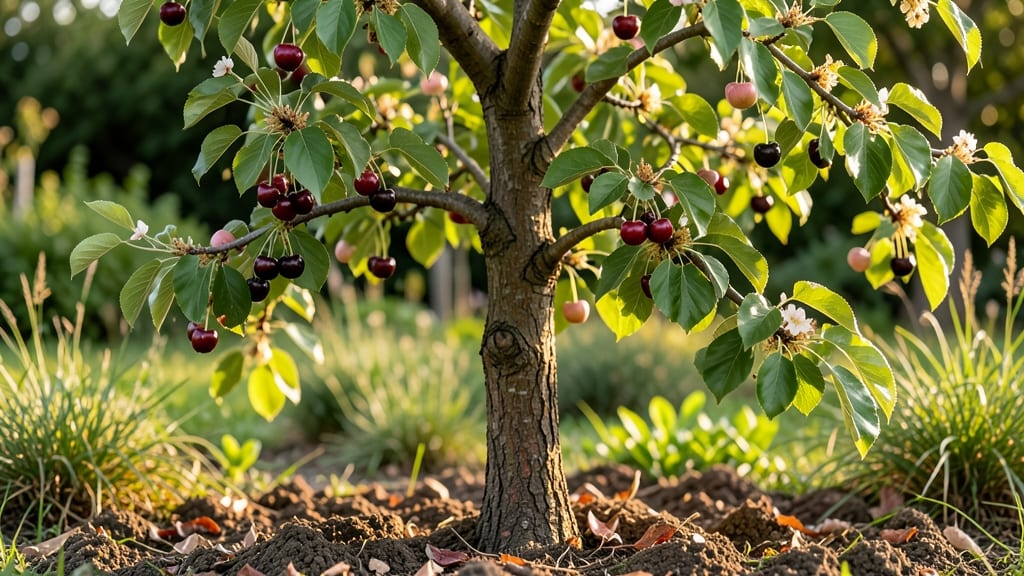
Summer pruning your cherry tree isn’t just about trimming—it’s about saving your harvest from heat stress and disease. 🌳 I’ve seen summer neglect turn a thriving tree into a shadow of its spring self, but the right cuts now keep fruit production strong for years.
The key is timing: prune after harvest but before the late-summer pests arrive.
You’ll need sharp bypass pruners, a ladder (for high branches), and a bucket of disinfectant to clean cuts. Focus on removing suckers (those aggressive shoots at the base) and any crossing branches that crowd the canopy.
Thin out 20-25% of the foliage to improve airflow—this alone cuts down on fungal issues by half.
What you’ll get is a tree that bounces back from summer heat with fewer split fruits and more consistent ripening. The right cuts now mean fewer dead branches by winter and a cleaner, more productive structure. Plus, your next harvest will be easier to reach and less prone to cracking.
Works for both sweet and tart cherries, whether you’re dealing with a young tree or a mature one that’s outgrown its space. The same principles apply to all varieties—just adjust the intensity based on tree size. Let’s get those branches in shape!
📚 In This Guide
- What you need
- Instructions
- Tips and common mistakes
- Wrapping up and next steps
What you need
- ● Pruning shears: Bypass pruners (sharp, 6-8" blades) – 1 pair (for small branches)
- ● Loppers: Bypass or anvil (8-10" blades, ratcheting for leverage) – 1 pair (for ½–2" branches)
- ● Pruning saw: Curved-tooth (for branches >2") – 1
- ● Disinfectant: 70% isopropyl alcohol or bleach solution (1:9 ratio) – small spray bottle (to sterilize tools)
- ● Heavy-duty gloves: Cut-resistant, long sleeves – 1 pair (protects from thorns/splinters)
- ● Ladder: Sturdy, extendable (if tree exceeds 8 ft) – 1
- ○ 5-gallon bucket: For pruned branches – 1 (optional: line with trash bag for easy cleanup)
- ● Permanent marker: Waterproof – 1 (to mark cuts if needed)
- ● Hand saw: Pocket-sized for stubborn branches
- ● Tree wound dressing: Pruning sealant (controversial—skip if unsure!)
- ● Safety glasses: For debris protection
- ● Hose or spray bottle: To clean tools mid-pruning
- ● Notebook: Sketch tree structure before/after cuts
Step-by-step guide to summer pruning for cherry trees
Keep your cherry tree thriving all year with these simple summer trimming techniques.
☀️ Step 1: Time Your Pruning for Optimal Growth
Summer is the perfect time to prune cherry trees because it encourages new growth before winter dormancy. Focus on pruning between late spring and early summer, ideally after the tree has finished flowering but before July when new wood hardens. This timing ensures you remove dead or crossing branches while still allowing time for fresh growth to mature before cold weather.
Look for branches that are dry, broken, or rubbing against others—these are your top priorities. You'll also spot suckers (shoots growing from the base) and water sprouts (fast-growing vertical shoots) that need removal. Avoid heavy pruning now; instead, make light cuts to shape the tree gradually. This prevents stress and keeps the tree healthy for fruit production next season.
✂️ Step 2: Use the Right Tools and Technique
Start with clean, sharp pruning shears or a pruning saw for thicker branches. Disinfect your tools with rubbing alcohol before and after pruning to prevent spreading disease. I always make cuts at a 45-degree angle, about ¼ inch above a bud or branch collar—this ensures proper healing and prevents water from pooling on the cut.
Never leave stubs; a clean cut promotes faster healing. For branches thicker than ½ inch, use three cuts: the first undercut to prevent tearing, a second top cut just above the branch collar, and a final clean-up cut to remove the remaining stub. This method keeps the tree looking neat while protecting its health.
🌿 Step 3: Remove Dead, Diseased, or Weak Branches
Inspect the tree closely for dead branches (no leaves, brittle wood) or diseased wood (discolored, oozing sap, or fungal growth). These should be pruned out completely to prevent pests or disease from spreading. Cut back to the branch collar—the swollen area where the branch meets the trunk—to avoid damaging the tree’s structure.
Next, look for crossing or rubbing branches—these create wounds that invite infection. Remove the weaker of the two branches by cutting it at the base. You’ll also want to thin out the canopy to improve airflow and sunlight penetration. Aim to remove no more than 20-25% of the tree’s foliage in one session to avoid shocking it.
🪴 Step 4: Shape for Balance and Fruit Production
Step back and assess the tree’s shape. Cherry trees benefit from an open-center form, where the center remains slightly open to allow sunlight to reach the core. Focus on raising the lower branches to create clearance (at least 6-8 feet from the ground) and thinning out dense areas to improve fruit quality and reduce disease risk.
For dwarf varieties, keep the height manageable by pruning the top branches slightly. You’ll notice new shoots emerging within 2-3 weeks—these indicate healthy growth. Avoid over-pruning; cherry trees produce fruit on both old and new wood, so balance is key. If you’re unsure, err on the side of caution and make smaller cuts.
💧 Step 5: Post-Pruning Care for a Strong Recovery
After pruning, water the tree deeply to help it recover. Mulch the base with 2-3 inches of organic mulch (like wood chips) to retain moisture and regulate soil temperature. Avoid piling mulch against the trunk—keep it 2-3 inches away to prevent rot.
Monitor the tree for new growth in the following weeks. If you notice any signs of stress (yellowing leaves, wilting), adjust your watering or hold off on further pruning. Summer pruning is about maintenance, not drastic changes, so focus on keeping the tree healthy and productive for years to come.
Tips & tricks for perfect cherry tree summer pruning
Summer pruning makes all the difference in keeping your cherry tree productive and healthy. Here's what I've learned from years of trial and error—and what nobody tells you about getting it right.
Timing is Everything: The window between late spring and early summer is critical because it lets new growth harden before winter. I always check for finished flowering as my cue—once those petals fall, it's go time. If you prune too late (after July), new shoots won't have enough time to mature before cold weather sets in. Watch for those telltale signs: dry branches, crossing limbs, and water sprouts all need attention now.
The Technique That Changed Everything: When making cuts, I've learned that precision matters more than speed. For branches thicker than ½ inch, I use the three-cut method: undercut first to prevent tearing, then the top cut just above the branch collar, and finally a clean-up cut. This might seem tedious, but it prevents those ugly stubs that invite disease. And remember—never remove more than 20-25% of the foliage in one session, or you'll shock the tree.
What to Watch For: Diseased wood is the sneakiest problem. Look for discolored areas, oozing sap, or branches that look like they've been chewed on by pests. These need immediate removal all the way back to the branch collar. I've made the mistake of being too gentle with diseased branches, and it cost me fruit production the next season. Also, keep an eye out for suckers growing from the base—they drain energy from your tree's main structure.
Post-Pruning Care: After you're done cutting, the work isn't over. Deep watering helps the tree recover, but I've found that proper mulching makes all the difference. Spread 2-3 inches of organic mulch (like wood chips) but keep it 2-3 inches away from the trunk to prevent rot. This simple step regulates soil temperature and retains moisture—two things that keep your tree thriving through summer's heat.
Pro Tips for Cherry Tree Summer
- Summer pruning makes all the difference in keeping your cherry tree productive and healthy.
- Timing is Everything: The window between late spring and early summer is critical because it lets new growth harden before winter.
- The Technique That Changed Everything: When making cuts, I've learned that precision matters more than speed.
Frequently asked questions
When is the best time to prune a cherry tree in summer?
Prune your cherry tree in late spring or early summer (May–June) after the final frost but before new growth slows in July. Avoid heavy pruning in peak summer heat, as it stresses the tree. Light shaping or deadwood removal can wait until fall if needed.
Can I prune a cherry tree in July?
July pruning is risky for most cherry trees, especially sweet cherries. Heavy cuts now can encourage bacterial canker or silver leaf disease. If you must prune, limit it to removing dead, diseased, or crossing branches—keep it minimal to avoid stress.
Will summer pruning affect next year’s cherry harvest?
Pruning in summer won’t ruin next year’s crop if done correctly. Focus on opening the canopy for airflow (reducing disease) and removing suckers or water sprouts. Avoid cutting back more than 20–25% of the canopy—over-pruning can delay fruit production.
How do I know if my cherry tree is stressed after summer pruning?
Watch for yellowing leaves, wilting, or excessive leaf drop—signs of stress. If pruned too late, the tree may struggle to heal wounds before winter. Water deeply after pruning, mulch the base, and avoid fertilizing until spring to help recovery.
Are there alternatives to summer pruning for cherry trees?
Yes! For disease-prone varieties, try winter dormant pruning (Dec–Feb) instead. If you must prune in summer, use sterilized tools, seal cuts with pruning sealant, and avoid pruning during rain to prevent fungal infections.
Wrapping up and next steps
Summer is the perfect time to nurture your cherry tree’s future with thoughtful pruning! By trimming now, you’re shaping its growth, boosting fruit production, and preventing pests—all while keeping it healthy year-round. Your next step? Grab your tools, step outside, and give your tree the care it deserves.
A little effort now means bountiful harvests and stunning blooms for summers to come! 🌿✨