
Pruning
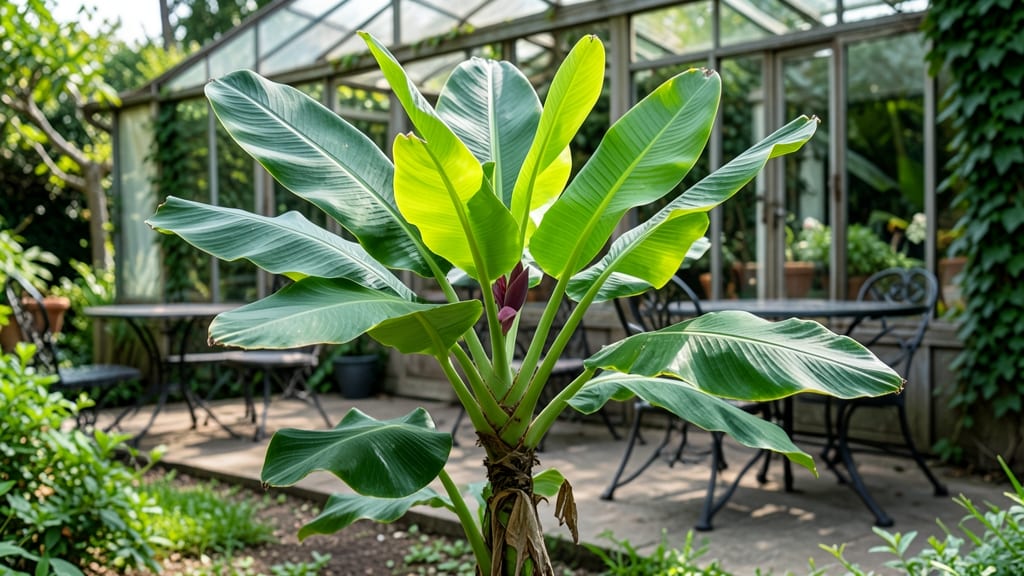
Your Dwarf Cavendish banana tree thrives in small spaces with the right tropical touch. 🌿 I’ve grown mine in pots for years, and the secret is mimicking its jungle home: warmth, humidity, and consistent care.
These compact trees produce sweet, mini bananas—perfect for containers or sunny patios—if you meet their basic needs.
The key starts with soil: a mix of 60% potting soil, 30% perlite, and 10% compost keeps roots happy. Place it where it gets 6-8 hours of sunlight daily—near a south-facing window or under grow lights works well.
Water when the top 2 inches of soil feel dry, but never let it sit soggy; these tropical plants hate wet feet.
Pruning is simple: trim dead fronds at the base and remove any yellowing leaves immediately. Feed with a balanced fertilizer (like 10-10-10) every 4-6 weeks during growing season, and watch it reward you with bright green foliage and occasional banana bunches.
The first harvest might take 12-18 months, but patience pays off.
Watch for pests like spider mites or aphids—spray with neem oil if you spot them. Yellowing leaves? Often a sign of overwatering or nutrient deficiency. With the right care, your Dwarf Cavendish will stay compact, productive, and lush for years, even in small spaces.
📚 In This Guide
- What you need
- Instructions
- Tips and common mistakes
- Wrapping up and next steps
What you need
- ● Dwarf Cavendish banana plant (1-2 plants, depending on space—look for healthy, compact varieties like Musa acuminata 'Dwarf Cavendish' or 'Ice Cream' bananas).
- ● Well-draining potting mix (10-15 gallons per plant): 50% cactus/succulent mix (for aeration)
- ● 30% peat moss or coconut coir (for moisture retention)
- ● 20% perlite or coarse sand (to prevent root rot)
- ● Container (15-20 gallons minimum): Width: At least 18–24 inches in diameter
- ● Depth: 12+ inches (banana trees have shallow but sprawling roots)
- ● Drainage holes (non-negotiable!)
- ● Slow-release fertilizer (balanced 10-10-10 or organic options like banana tree-specific pellets).
- ● Pruning tools: Sharp bypass pruners (for clean cuts)
- ● Sterilized pruning saw (if dealing with thick pseudostems)
- ○ Support system (optional but helpful): 3–4 bamboo stakes or trellis (6–8 feet tall)
- ● Soft twine or plant ties (to secure stems gently)
- ● Mulch (straw or shredded bark to retain moisture and regulate temperature).
- ● Banana tree food (high-potassium supplement like kelp meal or banana fertilizer).
- ● Humidity tray (if your climate is dry—pebbles + water under the pot works great!).
- ● Grow lights (LED full-spectrum for 12–14 hours/day if indoors).
- ● Compost or worm castings (for natural soil enrichment).
Step-by-Step guide to growing a thriving Dwarf Cavendish banana tree
Here’s how to keep your compact banana tree lush, productive, and happy in tight spaces.
🪴 Step 1: Choose the Right Container and Soil Mix
Select a large, sturdy container with drainage holes—at least 18-24 inches wide and deep—since banana trees have expansive root systems. I recommend fiberglass or plastic pots because they retain moisture better than terra cotta and won’t crack under the plant’s weight. Avoid small pots; they’ll stunt growth and cause stress.
Use a well-draining potting mix that mimics tropical soil conditions. A blend of 60% peat moss or coconut coir, 20% perlite, and 20% compost works perfectly. Avoid garden soil—it compacts easily and suffocates roots. Amend the mix with a slow-release fertilizer (like 5-10-10) at planting time to give your tree a nutrient boost right away.
☀️ Step 2: Position for Maximum Light and Humidity
Dwarf Cavendish banana trees thrive in bright, indirect light—think 6-8 hours of morning sun followed by afternoon shade. A south- or east-facing window is ideal, but if you’re using grow lights, position them 12-18 inches above the plant for 12-14 hours daily. Too much direct sun causes leaf scorch, while too little light leads to weak, leggy growth.
Mimic tropical humidity by keeping the air around your tree 60-80% moist. Place the pot on a pebble tray filled with water or use a humidifier nearby. Misting leaves daily helps, but avoid wetting the crown (where leaves meet the stem)—this invites fungal diseases. You’ll know humidity is right when leaves stay deep green and slightly glossy, not crispy or wilting.
💧 Step 3: Water Deeply and Consistently
Banana trees love consistent moisture—never let the soil dry out completely. Stick your finger 2 inches into the soil; if it feels dry, water thoroughly until water drains from the bottom. Overwatering is just as harmful as underwatering, so always check the weight of the pot—a dry pot feels noticeably lighter. Adjust your watering schedule based on seasonal changes; you’ll water more in summer and less in winter when growth slows.
To prevent root rot, ensure excess water drains freely. If your pot lacks drainage, add a layer of perlite or gravel at the bottom before filling with soil. Mulch the top 1 inch of soil with orchid bark or shredded coconut fiber to retain moisture and regulate temperature. This also keeps roots cool, which is critical in hot climates.
✂️ Step 4: Prune and Support for Healthy Growth
Pruning isn’t just about aesthetics—it encourages stronger, more productive growth. Remove yellow or damaged leaves at the base with sterilized pruning shears, cutting cleanly just above a leaf node. Never prune more than one-third of the foliage at a time, or you’ll shock the plant. Watch for new shoots emerging from the base; these are your future harvests. Once a shoot reaches 4-5 feet tall, you can pinch off the top to redirect energy into fruit production.
Banana trees are heavy and top-heavy, so stake them early to prevent tipping. Use 3-4 sturdy bamboo stakes or a metal trellis inserted into the soil around the pot. Tie the trunk loosely to the stakes with soft plant ties every 6-12 inches up the stem. Avoid tight bindings—they restrict growth and can damage the trunk as it thickens.
🌿 Step 5: Fertilize and Monitor for Pests
Feed your Dwarf Cavendish every 4-6 weeks during the growing season (spring through fall) with a balanced liquid fertilizer (like 20-20-20). Dilute it to half-strength to avoid burning roots. In winter, reduce feeding to once every 8-10 weeks—the plant enters a natural dormancy period. Look for dark green, vibrant leaves as a sign your tree is getting the right nutrients. Yellowing leaves or slow growth mean it’s time to adjust your fertilizer schedule.
Inspect leaves weekly for pests like spider mites, aphids, or mealybugs. Wipe them off with a soapy water spray (1 tsp mild dish soap per gallon of water) or treat with neem oil for organic control. Early detection is key—wait until you see sticky residue (honeydew) or tiny webs before acting. Healthy banana trees rarely attract pests, so strong growth is your best defense.
Tips & tricks for perfect Dwarf Cavendish banana tree care
These insider secrets will help your compact banana tree thrive—even in limited spaces.
Container Upgrade: If you're using a fiberglass or plastic pot as recommended, add a 1-inch layer of landscape fabric at the bottom before drainage holes to prevent soil from escaping while still allowing water to flow freely. This simple step prevents messy leaks and keeps your tree's roots contained. For extra stability, place your pot on a non-slip mat—banana trees can become surprisingly top-heavy as they grow!
Light Optimization: The 6-8 hours of morning sun mentioned in Step 2 is perfect, but here's the trick: rotate your pot quarter-turn weekly to ensure even growth. You'll notice leaves naturally lean toward the light source, and this rotation prevents lopsided development. For indoor growers using artificial lights, consider adding a small oscillating fan to simulate natural wind movement—this strengthens stems and prevents leggy growth.
Root Health Secret: In Step 3, when checking soil moisture, pay special attention to the outer 2 inches of soil—this is where roots actively seek water. If this outer layer feels dry while deeper soil stays moist, your tree is experiencing mild drought stress. To prevent this, water slowly and deeply until water emerges from the drainage holes, then let it drain completely before the next watering. This mimics natural tropical rainfall patterns.
Fertilizer Timing: The recommended 4-6 week feeding schedule during growing season works perfectly, but here's how to make it even more effective: apply fertilizer in the morning when the plant is actively photosynthesizing. This gives roots the full day to absorb nutrients before nightfall. For organic options, consider fish emulsion (diluted to half-strength) as an alternative to 20-20-20—it provides similar nutrients with added microbial benefits for soil health.
Pro Tips for Dwarf Cavendish Banana Tree Care
- These insider secrets will help your compact banana tree thrive—even in limited spaces.
- This simple step prevents messy leaks and keeps your tree's roots contained.
- Light Optimization: The 6-8 hours of morning sun mentioned in Step 2 is perfect, but here's the trick: rotate your pot quarter-turn weekly to ensure even growth.
Frequently asked questions
Got questions about keeping your Dwarf Cavendish banana tree thriving? You’re not alone! Here are some of the most common queries—plus quick, actionable answers to keep your compact banana happy and productive.
How often should I prune my Dwarf Cavendish banana tree?
Prune your Dwarf Cavendish after fruiting (when the bunch turns yellow and dies back) to redirect energy into new growth. For container-grown trees, trim dead or overcrowded leaves 2-3 times a year—just avoid cutting into the pseudostem (the "trunk"). Over-pruning stresses the plant, so aim for 1/3 of the foliage max per session.
Can Dwarf Cavendish survive winter in cold climates?
These tropical beauties are not frost-hardy—temperatures below 50°F (10°C) can damage them. In colder zones, grow them in containers and move indoors (bright, cool spot) or use a frost cloth for outdoor plants. If you’re in Zone 9 or lower, treat them as annuals or overwinter them in a greenhouse.
Why aren’t my Dwarf Cavendish bananas ripening?
Unripe bananas often mean low light, poor pollination, or nutrient deficiencies. First, ensure your tree gets 6+ hours of sunlight daily. If grown indoors, supplement with a grow light. Hand-pollinate flowers with a soft brush (they’re self-pollinating but benefit from a nudge). Finally, check your pot size—root-bound trees struggle to fruit!
How do I revive a Dwarf Cavendish with yellow leaves?
Yellow leaves usually signal overwatering, underwatering, or nutrient issues. First, check the soil: Let the top 1-2 inches dry out between waterings. If roots smell sour or look mushy, repot in fresh, well-draining mix. For yellowing from old age, trim only the bottom 1/3 of the leaf to avoid shocking the plant. Feed with a balanced fertilizer (like 10-10-10) every 4-6 weeks.
Are Dwarf Cavendish trees good for containers? If so, what size pot?
Dwarf Cavendish thrive in containers—just choose a 5-gallon pot minimum (18+ inches deep) for mature plants. Use a fast-draining mix (50% potting soil, 30% perlite, 20% coconut coir). For bonus growth, upgrade to a 10-15 gallon pot every 2-3 years. Drainage holes are a must—root rot is their #1 enemy!
Wrapping up and next steps
Caring for a Dwarf Cavendish banana tree is a rewarding journey—perfect for small spaces, containers, or even indoor gardening! With the right pruning techniques, soil conditions, and light exposure, you’ll enjoy lush foliage and sweet, compact fruit year after year. 🌱
Now that you’re armed with the secrets to thriving growth, why not take the next step? Plant your own Dwarf Cavendish today and watch it flourish—your kitchen (or patio!) will thank you for the fresh, homegrown bounty. Happy gardening! 🍌✨