
Trees
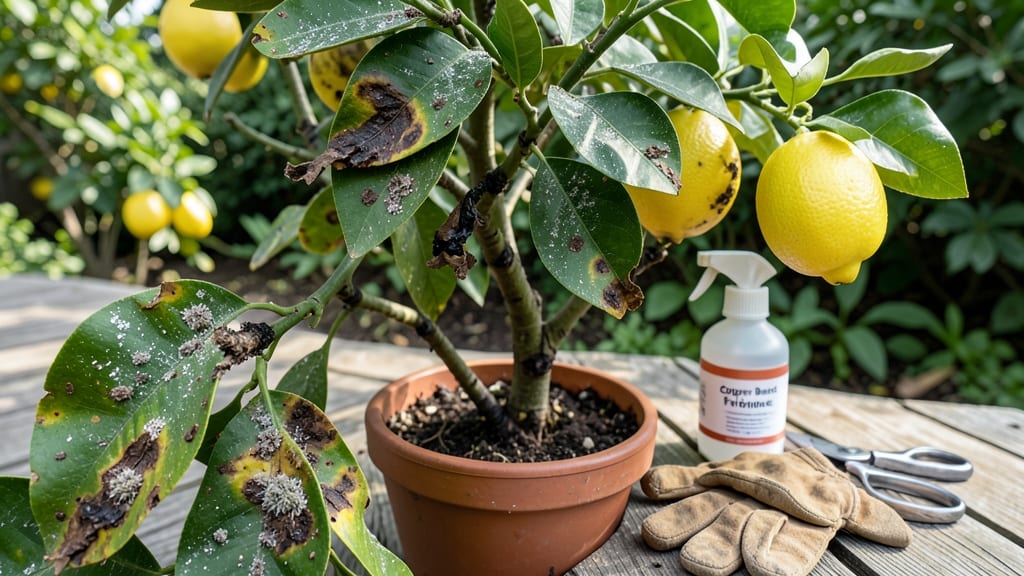
That dark, velvety film on your citrus leaves isn’t just dirt—it’s fungus spreading faster than you think. 🌱 I’ve watched citrus scab and melanose turn lush trees into defoliated shadows, but early action can save your harvest. The key is spotting the signs before they become permanent damage.
Fungal spores thrive in damp, humid conditions, and citrus trees—especially lemon, lime, and orange—are prime targets. You’ll see yellow spots, blackened leaves, or a fuzzy growth that looks like someone dusted your tree with soot. The moment you spot these, the clock starts ticking to stop the spread.
With the right mix of pruning, fungicide (organic or chemical), and better airflow, you can revive your tree and protect next season’s fruit. I’ve pulled back trees from the brink using copper sprays and proper watering habits—here’s exactly how to do it.
Even after treatment, prevention is your best defense. We’ll cover how to adjust your care routine so your citrus stays healthy year-round, not just when fungus strikes again.
Root Causes Of Citrus Tree Fungus
Fungal infections in citrus trees rarely strike without warning—they thrive when specific conditions align. Understanding the why behind these outbreaks helps you prevent them before they take hold. Below, we break down the most common triggers, from environmental factors to human habits, with science-backed explanations.
Fungi love moisture, and citrus trees are especially vulnerable when humidity lingers above 75% for extended periods.
Here’s why: - Spores thrive in dampness: Fungal spores (like those from Phytophthora or Alternaria) germinate rapidly in wet conditions, often splashing onto leaves or bark during rain or overhead watering. - Stagnant air = fungal buffet: Dense foliage or crowded trees trap moisture, creating a microclimate perfect for fungal growth.
Poor airflow also delays drying, keeping spores active longer. - Seasonal spikes: Humidity peaks in late summer and fall—prime time for fungal outbreaks in citrus groves.
Actionable fix: Space trees properly (6–10 feet apart), prune for airflow, and water at the base (not overhead) in the early morning to allow foliage to dry by sunset.
Citrus trees hate soggy roots—excess water doesn’t just drown them; it invites fungal invaders like root rot (Phytophthora) and melanose (Diplodia). Here’s the science: - Oxygen deprivation: Waterlogged soil starves roots of oxygen, weakening their defenses.
Fungi exploit this, colonizing damaged tissue. - Splash dispersal: Puddled water near the trunk can splash spores from infected leaves or soil onto healthy parts of the tree. - Salt buildup: Overwatering flushes nutrients but leaves behind salts that stress trees, making them more susceptible to fungal attacks.
Actionable fix: Use drip irrigation or soaker hoses to deliver water directly to roots. Test soil moisture—stick your finger 2–3 inches deep; if it’s damp, wait to water. Amend heavy clay soil with compost to improve drainage.
A citrus tree under stress is like an open door for fungi.
Common stressors include: - Nutrient deficiencies: Low nitrogen, potassium, or zinc weaken cell walls, making them easier targets for pathogens like citrus scab (Elsinoë). - Physical damage: Pruning wounds, hail, or pest bites (e.g., aphids) create entry points for fungi.
Some, like anthracnose, exploit these openings aggressively. - Improper pruning: Over-pruning or cutting too close to the trunk stresses the tree and slows healing, leaving it vulnerable.
Actionable fix: Feed trees with a balanced citrus fertilizer (high in nitrogen early in the season, potassium later). Prune during dormant months (winter), using sterilized tools and sealing cuts with pruning paste.
Fungi are sneaky hitchhikers. Here’s how they spread via human activity: - Dirty pruners: Tools contaminated with Melanose or Greasy Spot spores can transfer infections between trees.
Even a small cut can introduce a full-blown infestation. - Infested mulch/compost: Old mulch or compost with fungal mycelium can reintroduce pathogens to the soil. Some citrus fungi, like Trichothecium, survive in organic matter for years. - Reused pots/soil: Potted citrus trees often carry hidden fungal spores.
Replanting in the same contaminated soil or pots accelerates reinfection.
Actionable fix: Sterilize tools between uses with 70% isopropyl alcohol or a 10% bleach solution. Replace old mulch annually and avoid composting citrus leaves (they’re high-risk for Alternaria).
Some pests don’t just damage citrus—they invite fungi.
For example: - Aphids & mites: Their honeydew (sticky sap) creates a sugary film on leaves, promoting sooty mold (Capnodium). - Scale insects: Their waxy shells trap moisture, creating ideal conditions for Phytophthora root rot. - Borers: Weakened wood from borers (like Diaprepes) provides perfect entry points for wood-rotting fungi like Fusarium.
Actionable fix: Monitor trees weekly for pests. Use neem oil or horticultural oil sprays to control soft-bodied insects. Introduce ladybugs or parasitic wasps for natural pest control.
Sudden changes—like hot, humid summers followed by cold snaps—disrupt citrus trees’ natural defenses.
Fungi like citrus black spot (Guignardia) exploit this weakened state by: - Slowing photosynthesis: Heat stress reduces the tree’s ability to produce protective compounds (e.g., phytoalexins). - Condensation buildup: Morning dew on stressed leaves provides a free water source for spores to land and germinate.
Actionable fix: Use shade cloth (30–50% coverage) during peak summer heat. Apply a fungicide preventative (like copper-based sprays) before monsoon season or after temperature drops.
Many gardeners wait until fungi are visible (e.g., black spots, oozing cankers) before acting. By then, spores have already spread.
Early signs to watch for: - Yellowing leaves (nutrient theft by fungi like Armillaria). - Stunted growth (root fungi blocking water uptake). - White/pink powdery patches (early powdery mildew).
Actionable fix: Inspect trees weekly, focusing on the undersides of leaves and junctions where branches meet the trunk. Remove and dispose of (not compost) the first signs of infection.
Some fungi overwinter in the soil or on dead plant debris, lying dormant until conditions are perfect. For example:
- Phytophthora spores can survive for years in wet soil.
- Alternaria spores hitch rides on wind or rain, reinfecting trees season after season.
Actionable fix: Rotate crops if growing multiple citrus varieties. Solarize soil in late summer (cover with clear plastic for 4–6 weeks) to kill dormant spores. Remove all fallen leaves and debris from the orchard.
Fixing Fungal Issues Fast
Fungal infections on citrus trees can feel like a losing battle—until you act. The good news? Most common citrus tree fungi respond well to targeted treatments if caught early. Below, we’ll map the most effective solutions to the most troublesome causes, plus proactive steps to keep your trees thriving. 🌱💥
Cause: Diplodia or Elsinoë fungi thrive in wet, humid conditions, creating dark, raised spots or scabby lesions on leaves and fruit.
How to Fix It: 1️⃣ Prune & Remove Infected Parts (🔪)
- Use sterilized pruners to cut out severely infected leaves, branches, or fruit. Dispose of them in the trash (not compost)—fungi can survive in yard waste.
- Thin out dense foliage to improve airflow, reducing humidity near the tree.
2️⃣ Apply Fungicide (🛡️)
- Copper-based fungicides (like copper hydroxide) are organic and effective for melanose. Follow label instructions for concentration and reapplication (every 2–4 weeks during wet seasons).
- Conventional options: Chlorothalonil or mancozeb (for severe cases). Rotate fungicides to prevent resistance.
3️⃣ Boost Tree Health (💪)
- Fertilize with a balanced citrus fertilizer (high in nitrogen early in the season) to encourage robust growth.
- Water at the base (avoid overhead sprinkling) to keep leaves dry.
Prevention Tips: ✅ Sanitize tools between cuts with rubbing alcohol. ✅ Mulch properly—keep mulch 3–4 inches away from the trunk to prevent moisture buildup. ✅ Plant in full sun—citrus trees need 6+ hours of sunlight daily to dry out quickly after rain.
Cause: Xanthomonas axonopodis bacteria (often mistaken for fungus) creates water-soaked, oozing lesions that spread rapidly.
How to Fix It: 1️⃣ Isolate the Tree (🚫)
- Remove and burn or double-bag infected leaves, fruit, and branches. Do not compost them.
- If the tree is heavily infected, consider removal to prevent spread to other citrus plants.
2️⃣ Copper Sprays (🛡️)
- Use copper bactericides (like copper sulfate or copper oxychloride) every 7–10 days during wet seasons. This is the only effective treatment for canker.
3️⃣ Improve Drainage (💧)
- Ensure the soil is well-draining. Poor drainage encourages bacterial growth.
- Avoid overhead irrigation—water only at the base.
Prevention Tips: 💡 Buy certified disease-free trees from reputable nurseries. 💡 Avoid wounding the tree—rough pruning or tools can create entry points for bacteria. 💡 Monitor young trees—canker spreads fastest on new growth.
Cause: Overwatering or poorly drained soil leads to Phytophthora or Fusarium fungi, causing roots to decay.
How to Fix It: 1️⃣ Adjust Watering (💧)
- Let the top 2–3 inches of soil dry out between waterings. Citrus trees hate soggy roots!
- Avoid flooding—ensure the planting site has good drainage or amend soil with compost.
2️⃣ Fungicidal Soil Drench (🌱)
- Use submerged root fungicides like Propiconazole or Myclobutanil (follow label rates).
- For organic options, hydrogen peroxide (3%) can be diluted (1:9 with water) and poured around the base.
3️⃣ Aerate the Soil (🔄)
- Loosen compacted soil around the roots with a garden fork to improve oxygen flow.
- Consider raising the tree slightly with a mound of soil if drainage is chronically poor.
Prevention Tips: ✨ Plant in raised beds if your soil drains poorly. ✨ Use drip irrigation instead of sprinklers to control moisture. ✨ Test your soil—amend with sand or perlite if clay-heavy.
No matter the fungus, these habits keep citrus trees resilient:
- Clean up debris regularly—fungi love leaf litter.
- Space trees properly (15–20 ft apart for dwarf varieties) to reduce humidity.
- Mulch lightly (2–3 inches) with straw or wood chips (avoid thick layers that trap moisture).
- Inspect monthly—catch issues before they spread! 🔍
Pro Tip: 🌡️ Timing is everything—apply fungicides preventatively in spring (before blooms) and after heavy rains. A little effort now saves hours of cleanup later!
Frequently asked questions
How do I tell if my citrus tree has fungus or just nutrient deficiency?
Fungal infections typically show up as dark spots, scabs, or fuzzy growths on leaves or fruit, while nutrient deficiencies cause uniform yellowing (chlorosis) between leaf veins. Fungus often appears on older leaves first and spreads irregularly, whereas nutrient issues affect new growth evenly. Test your soil pH—citrus prefers 6.0-7.0—and check for signs like blackened stems or powdery coatings.
Can I use household items like baking soda or vinegar to treat citrus tree fungus?
While baking soda (1 tsp + 1 gallon water + a drop of dish soap) can help prevent mild fungal issues like powdery mildew, it won’t stop established infections like melanose or scab. Vinegar is too harsh—it burns leaves. For organic solutions, try neem oil (2 tsp per gallon) or copper soap (follow label rates). Always test sprays on a small leaf first.
How often should I apply fungicide to my citrus tree?
For prevention, apply fungicide every 2-4 weeks during rainy seasons or when humidity exceeds 75%. If treating an active infection, follow the product’s schedule (often weekly for 2-3 weeks, then monthly). Early morning applications work best—spores are less active then. Rotate between copper-based and sulfur-based fungicides to prevent resistance.
Will removing infected branches stop the fungus from spreading?
Yes, but only if you sterilize your tools (70% alcohol or bleach solution) and dispose of infected material in the trash (not compost). Fungal spores can survive in yard waste for months! Prune during dry weather and avoid cutting when leaves are wet. For severe cases, remove entire branches 3 inches below the infection to ensure you’re cutting through healthy tissue.
Can I still harvest fruit from a tree with fungus?
Only if the fungus hasn’t spread to the fruit itself. Check for blackened spots, scabs, or mold on the surface—these indicate contamination. If the fruit looks healthy but the tree has fungus, wash it thoroughly before eating. For severe infections, remove all fruit from the tree to prevent further spread. Always wash citrus thoroughly with baking soda solution (1 tbsp per gallon) before peeling.