
Pests and Diseases
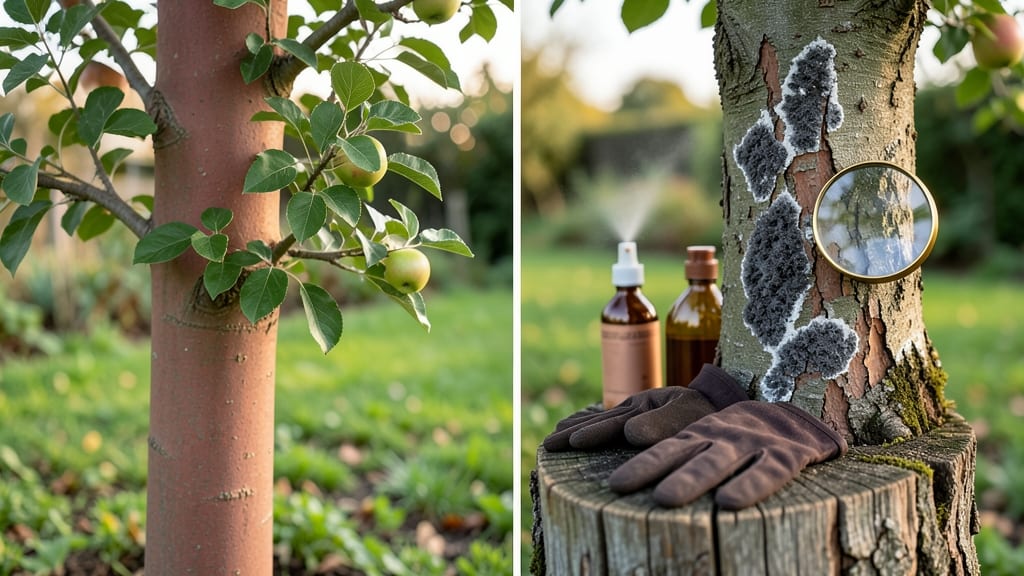
That fungus on the apple tree trunk—the oozing, sunken bark you’re seeing—isn’t just unsightly; it’s a fungal infection that can kill your tree if left untreated. 🌱 I’ve watched cankers spread from a small spot to girdling the entire trunk in just two seasons, and the key to saving your tree is acting fast with the right identification and treatment.
The most common culprits are apple canker and silver leaf fungus, both of which thrive in wet conditions and weak spots from pruning wounds. You’ll spot them as dark, sunken areas with oozing sap or crusty fungal growth, often accompanied by dieback in branches.
The good news? Organic options like copper fungicide or pruning out infected wood can stop it in its tracks—if you catch it early.
With the right approach, you can save your tree and even restore its health over time. I’ll walk you through how to prune safely, apply treatments, and prevent future outbreaks so your apple tree stays productive for years.
The sooner you act, the better your chances of keeping that trunk strong and your harvests coming.
Whether you’re dealing with a young tree or a mature orchard staple, these methods work—just avoid common mistakes like pruning too late in the season or skipping sanitation. Let’s get your tree back on track before the fungus wins.
Root Causes of Tree Trunk Fungus
Fungal infections on apple tree trunks don’t appear overnight—they’re the result of a perfect storm of environmental stress, poor tree health, and microbial opportunism. Understanding these root causes is the first step to preventing outbreaks and protecting your orchard.
Below, we break down the key triggers behind fungal growth on apple tree bark, from moisture mismanagement to hidden wounds.
Fungi thrive in damp conditions, and apple tree trunks are particularly vulnerable when moisture lingers. Here’s why: - Prolonged Wetness: Rain, overhead irrigation, or even morning dew can create a film of water on bark, giving fungi like Valsa (canker) or Nectria the ideal environment to germinate.
A trunk that stays wet for more than 6–8 hours daily is at high risk. - Poor Air Circulation: Dense foliage, mulch piled too close to the trunk, or narrow spacing between trees traps humidity against the bark.
Fungi spread faster in stagnant, shaded microclimates. - Soil Saturation: Waterlogged soil prevents the trunk from drying properly, especially in heavy clay or compacted ground. Roots struggle to absorb oxygen, weakening the tree’s defenses.
Actionable Fix: Improve drainage with raised beds or gravel, space mulch 3–6 inches away from the trunk, and avoid overhead watering. Prune branches to enhance airflow.
Fungal spores are like tiny ninjas—they exploit any opening to invade.
Common entry points include: - Pruning Cuts: Improper cuts leave jagged edges or stubs, creating perfect fungal highways. Botryosphaeria (a common trunk pathogen) often invades through poorly healed pruning wounds. - Animal or Tool Injuries: Rabbits gnawing bark, lawnmower strikes, or even string trimmers can create microscopic tears.
These wounds expose the cambium layer, where fungi feast. - Sun Scorch or Frost Cracks: Extreme temperature swings cause bark to split, especially on young trees. These fissures provide direct access for pathogens.
Actionable Fix: Seal fresh cuts with pruning paint or wound dressing (only on large wounds > ½ inch). Use sharp, sterilized tools, and prune during dry, dormant seasons (late winter).
A healthy tree’s bark is naturally resistant, but stress makes it susceptible. Common stressors include: - Nutrient Deficiencies: Lack of potassium (K) or boron (B) weakens cell walls, making them easier for fungi to penetrate.
Yellowing leaves or stunted growth are red flags. - Root Rot or Compaction: Fungal infections like Armillaria (honey fungus) often start in the roots before creeping up the trunk.
Compacted soil restricts root function, leaving the tree vulnerable. - Drought or Overwatering: Both extremes disrupt the tree’s ability to produce protective resins and antioxidants. Even brief drought stress can lower resistance.
Actionable Fix: Conduct a soil test to address deficiencies, aerate compacted soil, and water deeply but infrequently (1–2 inches per week). Apply compost or balanced fertilizer in early spring.
Apple orchards are fungal hotspots because: - Leaf Litter and Mulch: Fallen leaves, old fruit, or thick mulch harbor spores of Venturia inaequalis (apple scab) and other pathogens.
These spores splash onto trunks during rain. - Infected Tools or Clothing: Pruners, gloves, or even your boots can transfer spores from one tree to another.
A single contaminated cut can introduce fungi to a healthy trunk. - Wildlife Vectors: Birds, squirrels, or insects may carry spores or physically damage bark while foraging.
Actionable Fix: Rake up debris 10–15 feet around the tree, sterilize tools with 70% rubbing alcohol, and avoid working near infected trees. Use tree wraps to block spore splash during rainy seasons.
Fungi are opportunistic, but some conditions tip the scales:
- Warm, Humid Summers: Temperatures between 60–80°F (15–27°C) with high humidity accelerate fungal growth. Nectria canker thrives in these conditions.
- Cool, Wet Springs: Early-season rains without proper drying periods allow spores to germinate before the tree’s defenses kick in.
- Late-Fall Freezes: Sudden temperature drops can crack bark, creating entry points for overwintering fungi like Cryphonectria parasitica (chestnut blight’s cousin).
Actionable Fix: Monitor local fungal forecasts (e.g., from your extension service) and apply preventive fungicides (like copper-based sprays) before rainy seasons. Avoid planting apple trees in low-lying, poorly drained areas.
Practical ways to treat tree trunk fungus
Fungus on your apple tree’s trunk can feel like a looming threat, but with the right approach, you can restore your tree’s health and prevent further damage. The key is acting quickly—once the fungus takes hold, it spreads fast.
Below, we break down cause-specific solutions to tackle the problem head-on, along with proactive tips to keep your tree thriving.
Fungal growth thrives in damp conditions, so if your tree’s trunk is soggy, it’s an open invitation for pathogens like Valsa or Nectria. Here’s how to dry it out and prevent recurrence:
- 🔥 Improve Drainage Immediately
- Dig a shallow trench around the base of the trunk (6–12 inches deep) to redirect excess water away from the roots.
- Add organic mulch (like wood chips) but keep it 3–4 inches away from the trunk to avoid trapping moisture.
- 👨🍳 Adjust Watering Habits
- Water deeply once or twice a week (depending on climate) instead of daily shallow watering.
- Water in the early morning so the bark has time to dry before nightfall.
- 🌡️ Boost Air Circulation
- Prune nearby branches or shrubs that block airflow around the trunk.
- Consider spreading out lower branches to create space for airflow.
💡 Pro Tip: If your soil is clay-heavy, mix in compost or sand to improve drainage over time.
Cracks, peeling bark, or old pruning wounds create entry points for fungus. Clean and protect these areas to stop the spread:
- 🔪 Clean the Affected Area
- Sterilize pruning shears with rubbing alcohol before cutting.
- Remove loose or infected bark with a knife, then scrape the area clean down to healthy wood.
- 🥘 Apply a Fungicide Sealant
- Use a copper-based fungicide (like Bordeaux mixture) or a tree wound dressing (e.g., Tanglefoot Tree Wound Pruning Sealer).
- For organic options, try neem oil or baking soda spray (1 tbsp baking soda + 1 quart water + a few drops of dish soap).
- ✨ Prevent Future Damage
- Avoid rough pruning—always make clean cuts at a 45-degree angle just outside the branch collar.
- Protect the trunk from lawnmower or weed whacker injuries with a tree guard (metal or plastic).
If your tree is already struggling (from drought, pests, or poor soil), it’s more vulnerable to fungal attacks. Rebuild its resilience with these steps:
- 💪 Fertilize Smartly
- Conduct a soil test to check nutrient levels (especially nitrogen, phosphorus, and potassium).
- Apply a balanced, slow-release fertilizer in early spring to support recovery.
- 🍎 Boost Tree Health with Pruning
- Remove dead, diseased, or crossing branches to improve airflow and sunlight penetration.
- Thin out the canopy by 20–30% to reduce humidity around the trunk.
- 🌱 Mulch Properly
- Spread 2–4 inches of mulch (like shredded bark or straw) around the base, but never pile it against the trunk.
- Mulch helps retain moisture while keeping the trunk dry.
💡 Pro Tip: If your tree is young, consider root stimulator treatments (like Mycorrhizal fungi) to enhance nutrient uptake.
If the fungus has already caused cankers, oozing sap, or large dead patches, you’ll need a stronger intervention:
- 🧴 Use a Systemic Fungicide
- Copper fungicides (e.g., Cupric hydroxide) are effective against many trunk fungi.
- Propiconazole or Azoxystrobin (synthetic options) can be applied as a trunk spray or soil drench.
- 🔄 Repeat Applications
- Fungicides work best when applied every 2–4 weeks during the growing season (spring to fall).
- Follow label instructions carefully—overuse can harm beneficial microbes.
- 🌳 Consider Professional Help
- If the infection is widespread or the tree is valuable, consult an arborist for deep treatments like injection fungicides.
Once you’ve treated the issue, prevention is your best defense. Follow these habits to protect your apple tree long-term:
- 🌡️ Monitor Humidity Levels
- Use a hygrometer to keep trunk moisture below 70% (fungi love dampness!).
- 🍎 Inspect Regularly
- Check the trunk monthly for new cracks, discoloration, or oozing sap.
- 🌿 Maintain Tree Vigilance
- Remove fallen leaves/debris around the base to eliminate fungal spores.
- Disinfect tools after pruning to prevent cross-contamination.
- 🎯 Choose Resistant Varieties
- If replanting, opt for disease-resistant apple tree cultivars (e.g., ‘Liberty’ or ‘Enterprise’).
Final Reminder: Patience is key—some treatments take 1–2 seasons to fully heal the tree. Stay consistent, and your apple tree will bounce back stronger than ever! 🍏💪
Frequently asked questions about apple tree trunk fungus
Can I save my apple tree if the fungus has already spread to the trunk?
Yes, but act fast! Early-stage infections (small cankers or isolated spots) can often be treated with copper fungicide sprays and proper pruning. For advanced cases, consult an arborist about systemic fungicides or trunk injections. The key is removing infected bark and improving airflow around the trunk to prevent further spread.
What’s the difference between apple canker and silver leaf fungus?
Apple canker appears as sunken, oozing lesions with crusty fungal growth, often near pruning wounds. Silver leaf fungus causes silvery-white undersides on leaves and dark streaks under the bark, eventually killing branches. Both thrive in wet conditions, but canker attacks the trunk directly while silver leaf spreads through the vascular system.
Is pruning infected branches enough to stop the fungus?
No—always sterilize your tools with 70% rubbing alcohol between cuts, and remove infected wood 6–12 inches below the visible damage. Seal large wounds with pruning paint to prevent reinfection. Surface pruning alone won’t stop underground or systemic fungal spread—combine it with fungicide treatments for best results.
How often should I apply fungicide to prevent fungus?
For prevention, apply copper-based fungicide every 2–4 weeks during wet seasons (spring/fall). If treating an active infection, follow label instructions—some require weekly applications for 4–6 weeks. Always apply in early morning when humidity is lower to maximize effectiveness.
Will my apple tree ever fully recover from trunk fungus?
Many trees recover with consistent treatment, but severe cases may leave permanent scars. Focus on stopping the spread and rebuilding tree health through proper pruning, fertilization, and moisture control. Young trees often bounce back faster than mature ones. Patience is key—some treatments take 1–2 seasons to show full recovery.