
Trees
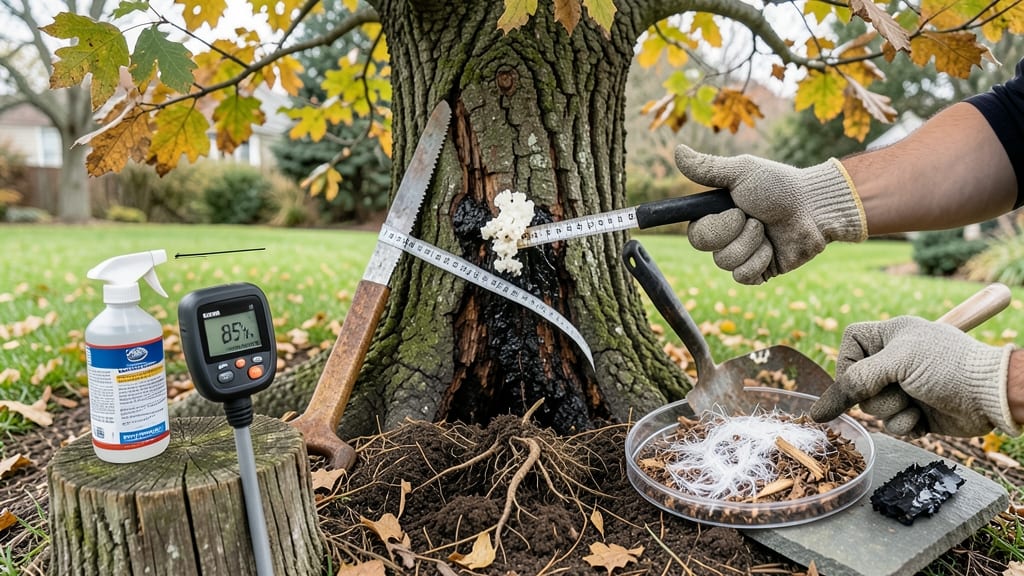
Tree rot fungus turns your sturdy oak into a hollow shell faster than you'd think. 🌳 Honestly, I've seen healthy trees collapse in just a few years from this silent killer—soft wood, oozing sap, and mushrooms sprouting at the base.
The good news? You can catch it early and stop it before it spreads.
Most rot starts underground or in hidden cracks where water pools. Root rot thrives in soggy soil, while heart rot sneaks in through wounds or dead branches. The moment you spot discolored bark, soft wood, or fungal growth, you're already behind—but not hopeless.
Pruning infected branches, improving drainage, and applying fungicides can save a tree if you act fast.
What you’ll end up with is a tree that stays strong for decades. Start with proper spacing, avoid over-mulching, and keep the soil well-draining. A healthy tree fights off rot naturally, and you’ll catch problems before they become emergencies. Here’s how to turn things around.
Works for any tree species, from mighty oaks to young shade trees. The key is acting before the fungus wins. Let’s get your trees back on track.
Root Causes of Wood Decay
Tree rot fungus doesn’t strike out of nowhere—it thrives when specific conditions align, turning your once-healthy tree into a hollowed-out hazard. Understanding the why behind fungal decay is the first step to stopping it.
Below, we break down the key triggers, from hidden injuries to environmental stressors, so you can spot the warning signs before they spiral.
Fungi love water—too much of it, that is. When soil stays soggy for prolonged periods, anaerobic conditions develop, creating the perfect breeding ground for rot-causing pathogens like Armillaria (honey fungus) or Fomes fomentarius (tinder fungus). Here’s how it happens:
- Compacted or clay-heavy soil: Water pools around roots instead of draining, suffocating them and inviting fungal spores to latch on. Test your soil—if it stays damp 48+ hours after rain, drainage is likely the issue.
- Overwatering or irrigation mistakes: Drip systems too close to the trunk or frequent watering without checking soil moisture can drown roots. Pro tip: Stick your finger 2 inches into the soil—if it’s wet, hold off on watering!
- Flooding or poor grading: Sloped yards that direct water toward the tree base or nearby storm drains that overflow create "wet zones." Solution: Regrade soil to slope away from the trunk (6 inches of drop over 3 feet).
💡 Actionable fix: Install French drains or raise the tree’s root collar slightly (with a mound of soil) to improve airflow and dryness.
A tree’s bark is its first line of defense. When it’s broken—whether by storm damage, improper pruning, or even construction equipment—fungal spores rush in like vultures. Common culprits:
- Poor pruning cuts: Jagged or overly deep cuts (exposing cambium tissue) create entry points. Rule of thumb: Prune only during dormancy and use clean, sharp tools to make smooth, 1/4-inch-thick cuts just outside the branch collar.
- Storm or hail injuries: Torn bark or split trunks leave raw wood exposed. Seal minor wounds with pruning paint (for wounds >2 inches wide) to block spores, but never use it on large wounds—let the tree heal naturally.
- Animal or human interference: Squirrels gnawing bark, lawnmowers hitting trunks, or even string trimmer scars can introduce rot. 🔥 Preventative tip: Create a 4-foot "no-mow" zone around the trunk with mulch.
⚠️ Warning: If the wound is deep or weeping sap, the tree may already be infected. Monitor for conks (shelf fungi) or discolored wood.
A stressed tree is a fungus magnet. When trees lack nutrients, sunlight, or proper care, their defenses weaken, making them vulnerable to opportunistic pathogens. Key stressors:
| Stressor | How It Invites Rot | Quick Fix |
|---|---|---|
| 🌿 Nutrient deficiency | Lack of nitrogen, phosphorus, or potassium stunts growth, thinning bark and leaving gaps for spores. | Test soil and amend with organic compost or slow-release fertilizer (spring/fall). |
| ☀️ Shade competition | Overcrowded roots or nearby buildings block sunlight, slowing photosynthesis and weakening structural integrity. | Thin competing vegetation or prune branches to improve airflow and light exposure. |
| 🐜 Pests (borers, beetles) | Insects create tunnels, introducing bacteria and fungi. Example: Emerald ash borer turns ash trees into fungal buffets. | Inspect for sawdust-like frass or exit holes. Treat with systemic insecticides or contact an arborist. |
🌡️ Pro tip: Healthy trees transpire (release water vapor) efficiently. If your tree’s leaves are yellowing or wilting despite moist soil, it’s signaling distress—act fast!
Fungi are seasonal opportunists, and certain conditions tip the scales in their favor:
- 🍂 Wet autumns: Fallen leaves and mulch create a moist, decaying layer that traps humidity against the trunk. Solution: Rake leaves away from the base and use wood-chip mulch (not bark) in a 3-inch layer, keeping it 2 inches away from the trunk.
- 🔥 Drought followed by sudden rain: Prolonged dryness weakens trees, making them more susceptible to fungal attacks when water returns. Prevent: Deep-water trees slowly during dry spells (1–2 inches per week).
- 🌪️ High humidity + stagnant air: Fungal spores float in damp air and land on wounds. Improve airflow: Prune to open the canopy and avoid planting trees too close together.
✨ Key insight: Most rot starts belowground. If your tree is in a low-lying area or near a septic system, fungal pressure is already high—monitor it closely.
Practical ways to stop tree decay
Treating and preventing tree rot fungus requires a mix of immediate action and long-term care. Below, we’ve mapped out cause-specific solutions—from quick fixes to proactive strategies—to help you protect your trees and restore their health.
If your tree is suffering from root rot (often caused by overwatering, poor drainage, or fungal infections like Phytophthora), the first step is to improve soil aeration and drainage.
🔥 Step 1: Assess the Damage
- Gently scrape away 1–2 inches of soil near the base of the tree to check for:
- Black, mushy roots (sign of rot)
- Foul-smelling soil (indicates anaerobic conditions)
- Mushrooms or mold (fungal growth)
🍳 Step 2: Improve Drainage
- Aerate the soil using a manual or powered soil aerator (rent one if needed).
- Add organic matter: Mix in compost, coconut coir, or perlite to loosen compacted soil.
- Create a slight slope (1–2 inches) away from the tree trunk to redirect water.
👨🍳 Step 3: Adjust Watering Habits
- Water deeply but less frequently—trees prefer 1–2 inches of water per week (check soil moisture with your finger).
- Avoid overhead watering—use drip irrigation or soaker hoses to keep foliage dry.
- Mulch properly: Apply 2–4 inches of mulch (wood chips, bark) 3–6 inches away from the trunk to retain moisture without suffocating roots.
⏰ Step 4: Fungal Treatment (If Needed)
If you spot mushrooms or mold, apply:
- Copper fungicide (follow label instructions)
- Hydrogen peroxide (3%) (dilute 1:9 with water and spray roots)
- Beneficial microbes like Trichoderma (a natural fungus fighter)
If rot has invaded the trunk or branches, the tree may need selective pruning and protective treatments to slow spread.
🔪 Step 1: Remove Infected Wood
- Cut out rotten branches 6–12 inches below the visible decay (fungus spreads invisibly).
- Sterilize pruning tools with rubbing alcohol or bleach between cuts to prevent cross-contamination.
- Seal wounds with pruning sealant (optional for large cuts, but not always necessary).
🌡️ Step 2: Apply Fungicidal Treatments
- Bordeaux mixture (copper sulfate + lime) – effective against many tree-rotting fungi.
- Propiconazole or Myclobutanil (systemic fungicides for severe cases).
- Neem oil (natural option—spray on bark and wounds).
🎯 Step 3: Strengthen Tree Defense
- Boost soil health with mycorrhizal fungi (helps roots absorb nutrients).
- Reduce stress by avoiding over-fertilizing (too much nitrogen weakens trees).
- Monitor for pests—borers and beetles can worsen rot by creating entry points.
The best defense? Stop rot before it starts with these proactive measures:
🌧️ Water Wisely
- Test soil drainage—dig a hole 12 inches deep near the tree; if water pools after 6 hours, drainage is poor.
- Use rain gauges to track watering—most trees need less water than you think.
🌿 Mulch Correctly
- Keep mulch 3–6 inches away from the trunk (a "mulch volcano" traps moisture and invites rot).
- Replenish mulch annually (it breaks down over time).
🔍 Inspect Regularly
- Check for cracks, oozing sap, or conk fungi (shelf-like mushrooms on trunks) twice a year.
- Watch for sudden leaf drop—a red flag for internal rot.
🌱 Plant Smart
- Choose resistant species (e.g., oak, maple, and hickory are less prone to rot than willows or elms).
- Avoid planting near downspouts or low spots where water pools.
If your tree shows: ✅ Large hollow sections (hold a flashlight to the trunk—if light passes through, rot is severe). ✅ Fungal growth on multiple trees in your yard (could be a systemic issue). ✅ Signs of structural weakness (leaning, splitting, or dead branches).
A certified arborist can assess whether removal is safer than treatment—sometimes, saving the tree isn’t worth the risk.
Final Thought: Tree rot fungus doesn’t have to be a death sentence. With the right diagnosis, treatment, and prevention, you can revive struggling trees and keep your landscape healthy for years.
Start with one fix today—whether it’s improving drainage, pruning infected branches, or just checking your mulch—and watch your trees thrive!
Frequently asked questions
How can I tell if my tree has fungus rot instead of just old age?
Look for soft, spongy wood when you tap the trunk—healthy wood sounds solid. Check for discolored bark (dark streaks or stains), oozing sap, or mushrooms/shelf fungi at the base. If branches snap easily or leaves yellow suddenly, rot is likely the culprit.
Can I save a tree with advanced rot, or should I remove it?
If the tree has large hollow sections (shine a flashlight through it) or fungal growth on multiple branches, removal may be safer. However, if only one side is infected and the tree is structurally stable, prune the rotten wood, improve drainage, and apply fungicide to slow spread.
What’s the fastest way to stop fungal spread between trees?
Sterilize pruning tools with rubbing alcohol between cuts and remove all infected wood. Apply copper fungicide to surrounding soil (follow label rates) and improve airflow by thinning nearby plants. Avoid overwatering—fungus thrives in damp conditions.
Are there natural remedies for tree rot fungus?
Yes! Try neem oil spray (mix 2 tbsp with 1 gallon water) or hydrogen peroxide (3%) (dilute 1:9) on infected areas. For soil, add beneficial microbes like Trichoderma (available at garden centers). While slower than chemicals, these help long-term.
How often should I inspect my trees for rot?
Check trees twice a year: once in early spring (before new growth) and again in fall (after leaf drop). Focus on the base, branch junctions, and any wounds. Early detection gives you the best chance to treat before rot spreads.