
Pruning
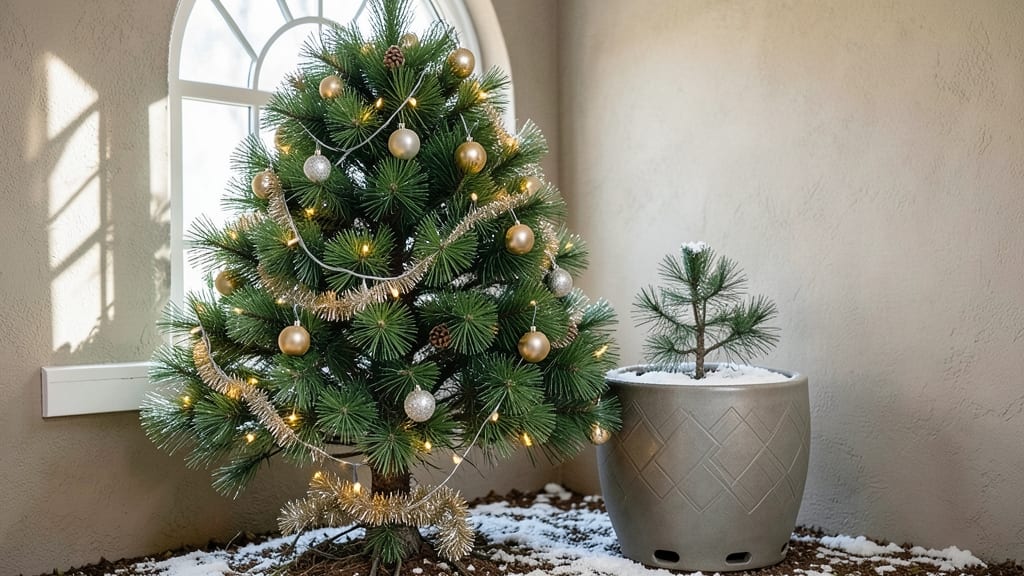
Growing a Christmas tree in a planter pot brings holiday magic to patios, balconies, or porches—no yard needed. 🌲 Last year, my dwarf Alberta spruce thrived in a 15-gallon pot, its branches heavy with snow-like needles even through winter.
The secret lies in choosing the right tree and mimicking its natural growing conditions, whether you keep it indoors or brave the elements outside.
Start with a dwarf conifer like Fraser fir, Norway spruce, or Colorado blue spruce—these stay compact and handle container life well. Your pot needs drainage holes and room for roots to spread (aim for 10-15 gallons for a 3- to 5-foot tree).
A well-draining potting mix with peat or pine bark keeps roots happy, and a saucer underneath catches runoff. Place your tree where it gets 4-6 hours of sunlight daily, but shield it from harsh afternoon sun if indoors.
With proper care, your potted tree becomes a year-round centerpiece—adorned with lights in December, then left bare to showcase its natural beauty. Prune lightly in spring to encourage fullness, and water when the top inch of soil feels dry.
The best part? You can move it indoors for the holidays and back outside when the season ends, giving you flexibility and festive charm without the commitment of a permanent yard tree.
Whether you decorate it with ornaments or let its evergreen needles shine, this project proves holiday cheer doesn’t require a backyard. Just pick your pot, plant your tree, and enjoy the magic of a mini forest that’s always ready for celebration. The only limit is your creativity!
📚 In This Guide
- What you need
- Instructions
- Tips and common mistakes
- Wrapping up and next steps
What you need
- ● Planter Pot: 1 large, sturdy pot (18–24" diameter) with drainage holes
- ● Tip: Terracotta or fiberglass pots work best for weight and durability.
- ● Christmas Tree: Live Tree Option: A dwarf or potted conifer (e.g., Picea pungens 'Glauca' or Thuja occidentalis 'Smaragd'), 3–4' tall
- ● Faux Tree Option: Pre-lit or non-lit artificial tree (3–5' tall) with a sturdy base
- ● Potting Soil: 1 bag (1–2 cubic feet) of well-draining, peat-based potting mix
- ● Drainage Layer: 1–2" of gravel, pebbles, or styrofoam peanuts (for weight and drainage)
- ● Decorative Elements: Holiday lights (battery-operated or plug-in, weather-resistant)
- ● Ornaments (lightweight, shatterproof if using live trees)
- ○ Ribbon, garland, or faux snow (optional for flair)
- ● Basic Tools: Garden trowel or small shovel
- ● Measuring tape or ruler
- ● Scissors or pruning shears (for trimming live trees)
- ○ Optional Upgrades: Tree stand or saucer (to catch water/spills)
- ● Self-watering pot liner (for live trees)
- ● Outdoor-safe adhesive (to secure decorations)
- ● Fertilizer (slow-release, 10-10-10 blend for live trees)
- ● Access to a sunny or partially shaded outdoor space (for live trees)
- ● Basic knowledge of plant care (if using a live tree)
- ● Outlet access (if using plug-in lights)
- ● Pro Tip: If indoors, ensure your space can accommodate the pot’s weight (especially with soil)!
How to grow a Christmas tree in a planter pot for year-round holiday magic
Skip the seasonal hassle and enjoy lush evergreen charm indoors or on your patio all year long.
🪴 Step 1: Select the Right Tree and Container
Choose a dwarf or semi-dwarf conifer variety like Norway spruce, blue spruce, or mugo pine—these stay manageable in containers. The pot needs 3-4 gallons capacity for each 3-4 feet tall tree, with drainage holes. I use 14-inch diameter ceramic pots because they retain moisture while allowing roots to breathe.
Fill the pot's base with 2-3 inches of gravel or expanded clay pebbles for drainage. This prevents root rot, which is especially critical for evergreens that prefer slightly drier conditions. Here's the thing—if your pot lacks drainage, drill holes yourself. No drainage equals a dead tree within weeks.
🌱 Step 2: Plant with Proper Soil and Support
Use a well-draining potting mix blended with 30% perlite or orchid bark to prevent compaction. Fill the pot to 1 inch below the rim, then remove the tree from its nursery container and loosen the roots gently. Place it in the center of the pot so it stands 1-2 inches taller than the pot's rim—this accounts for settling.
Backfill with soil while holding the tree upright, then firm it lightly around the base. Add a 3-foot bamboo stake and secure the tree with soft plant ties to prevent wind damage. Water deeply until it drains from the bottom holes. You'll know it's right when water runs out the bottom but stops within 5 minutes.
☀️ Step 3: Position for Optimal Light and Airflow
Place your tree in bright, indirect light for 6+ hours daily. A south-facing window or under grow lights works best—direct midday sun can scorch needles. If indoors, rotate the pot quarter-turn weekly so growth stays even. You'll see leggy growth if the light's too weak, with stems stretching toward the source.
Ensure good airflow by spacing pots 2-3 feet apart—this prevents fungal diseases like needle blight. If keeping outdoors, move the tree to a protected area during winter (below 20°F damages most dwarf varieties). Here's what I do: I bring mine indoors during December-February and place it near a sunny window.
💧 Step 4: Water and Fertilize for Year-Round Health
Water when the top 1-2 inches of soil feel dry, typically every 5-7 days in summer and every 10-14 days in winter. Overwatering is the #1 killer—evergreens hate soggy roots. I use a moisture meter to check; aim for 40-60% moisture at all times.
Fertilize monthly from April-October with a slow-release evergreen fertilizer (look for 10-10-10 NPK). Reduce to every 6 weeks in winter when growth slows. You'll notice new growth in spring if fertilization is right—look for bright green needles at branch tips.
✂️ Step 5: Prune and Maintain Shape Yearly
Prune in late winter (just before new growth starts) to remove dead, damaged, or crossing branches. Use clean, sharp pruners to cut just above a healthy bud. Never remove more than 25% of the foliage at once—this stresses the tree. I shape mine into a Christmas tree silhouette by trimming the top third slightly wider than the base.
Spruce up the look by adding ornamental accents like mini lights or ribbons during the holidays. For long-term health, repot every 2-3 years in spring, moving up 1 pot size and refreshing the soil. This keeps roots from becoming root-bound, which stunts growth and invites pests.
Tips & tricks for perfect planter pot Christmas trees
These insider tricks will help your container-grown evergreens thrive year-round with minimal fuss.
Tree Selection: When choosing your dwarf conifer, opt for a tree with a well-developed root ball—this means fewer transplant shocks. Look for healthy, vibrant green needles with no brown patches or yellowing. I've found that Norway spruce varieties handle container life best because their roots adapt well to confined spaces. If you're unsure, ask your nursery about "container-friendly" selections—this tells you the grower understands your needs.
Drainage is Non-Negotiable: In Step 1, that 2-3 inch gravel layer isn't just about drainage—it's about creating an oxygen-rich zone at the pot's base. If your existing pot lacks holes, drill them yourself using a 1/4-inch drill bit. For extra insurance, I add a layer of landscape fabric over the gravel before adding soil—this prevents fine soil particles from clogging the drainage holes over time. Remember, evergreens in containers are particularly vulnerable to root rot because their roots can't spread naturally to find dry pockets.
Watering Wisdom: The 5-minute drainage rule in Step 2 is your best friend. After watering, let the pot sit for another 5 minutes before moving it to its final spot—this ensures excess water has fully drained. I've learned the hard way that soggy pots lead to root rot within weeks. For visual confirmation, lift the pot after watering—it should feel noticeably lighter. In winter, I reduce watering to every 10-14 days and check soil moisture by inserting a wooden skewer into the soil—if it comes out clean, wait a few more days before watering again.
Lighting Upgrades: While 6+ hours of bright indirect light is ideal, I've found that supplementing with grow lights during winter months makes all the difference. Place a full-spectrum LED grow light 12-18 inches above the tree for 4-6 hours daily. This mimics natural sunlight and prevents that dreaded leggy growth. The key is consistency—evergreens respond best to predictable light cycles. If you notice new growth stretching toward one direction, rotate the pot quarter-turn weekly as mentioned in Step 3 to encourage even growth patterns.
Pro Tips for Christmas Tree In Planter Pot
- These insider tricks will help your container-grown evergreens thrive year-round with minimal fuss.
- Tree Selection: When choosing your dwarf conifer, opt for a tree with a well-developed root ball—this means fewer transplant shocks.
- Drainage is Non-Negotiable: In Step 1, that 2-3 inch gravel layer isn't just about drainage—it's about creating an oxygen-rich zone at the pot's base.
Frequently asked questions
Got questions about keeping your Christmas tree in a planter pot thriving year-round? You’re not alone! Here are some of the most common queries—and their easy solutions—to help you enjoy your festive green beauty without the hassle.
Can I reuse a real Christmas tree in a planter pot after the holidays?
Yes, but only if it’s a live tree (like a Norfolk pine, Fraser fir, or Colorado blue spruce) and you act fast. Prune it down to 4–6 feet, trim the roots, and repot it within 24–48 hours of bringing it indoors. Avoid waterlogged soil—these trees prefer well-draining mixes. Pro tip: Keep it in a cool, bright spot (like a garage) until spring!
How do I keep my potted Christmas tree alive year-round?
A few key steps make all the difference:
- Light: Place it near a south-facing window or use grow lights (12–14 hours/day in winter).
- Water: Check soil moisture weekly—dry topsoil = thirsty tree. Overwatering is worse!
- Fertilizer: Use a balanced, slow-release fertilizer (like 10-10-10) every 2–3 months in growing seasons.
- Pruning: Trim brown needles and leggy branches in early spring to encourage new growth.
With patience, your tree can thrive for decades!
Is a potted Christmas tree safe indoors long-term?
Just manage these risks:
- Fire hazard: Keep it 3+ feet from heat sources (like fireplaces or vents).
- Pests: Inspect for spider mites or aphids monthly. Spray with neem oil if needed.
- Allergies: Some trees (like cedar) shed pollen—opt for hypoallergenic picks like Douglas fir if sensitive.
Bonus: Rotate the pot weekly so all sides get even light!
What’s the best alternative if I don’t have space for a full-sized tree?
Consider these space-saving swaps:
Option
Pros
Cons
Dwarf varieties (e.g., Mugo pine or Prostrata spruce)
Grows 3–6 feet tall; perfect for balconies or patios.
Slower growth; may need pruning to maintain shape.
Bonsai-style trees (e.g., Japanese black pine)
Unique, artistic look; fits tiny spaces.
Requires advanced pruning skills; slower to establish.
Artificial trees in pots (pre-lit or handcrafted)
Zero maintenance; reusable for years.
No fresh scent or eco-friendly benefits.
Need inspiration? Check out our materials guide for potting ideas!
My potted Christmas tree’s needles are turning brown—what’s wrong?
Brown needles usually mean one of these:
- Underwatering: Stick your finger in the soil—if it’s bone-dry below the top inch, water deeply.
- Overwatering: Yellow-brown needles + soggy soil = root rot. Let the soil dry out and repot in fresh, well-draining mix.
- Low humidity: Mist the needles weekly or place the pot on a pebble tray with water.
- Sunburn: Sudden hot sun can scorch needles. Gradually acclimate your tree to outdoor light.
Most trees bounce back with adjusted care—don’t panic!
Wrapping up and next steps
Transforming your holiday spirit into a year-round Christmas tree in a planter pot is easier—and more rewarding—than you think!
Whether you’re embracing a dwarf conifer, a lush potted pine, or even a creative alternative like a Norfolk Island pine, this project brings joy to small spaces without the need for a yard.
With the right care, your festive green friend will thrive, offering holiday charm 365 days a year.
Ready to get started? Pick your tree, gather your supplies, and let your creativity shine! 🌲✨ Share your progress with friends or even turn it into a family tradition—your mini Christmas tree awaits!