
Container Gardens
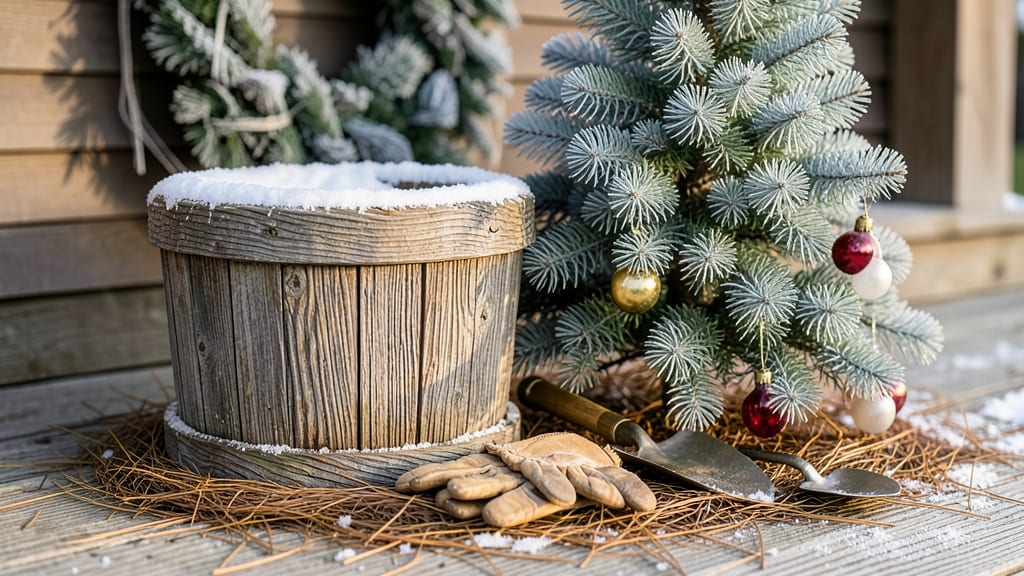
A potted blue spruce Christmas tree brings year-round evergreen elegance to patios, porches, and entryways. ✨ I’ve grown these stately trees in containers for years, and they’ve become my go-to for holiday cheer that lasts well beyond December.
The secret isn’t just picking the right tree—it’s matching the container, soil, and care to keep it thriving in a confined space.
Most people assume potted spruces need constant fussing, but they’re actually low-maintenance once you get the basics right. You’ll need a large container (at least 18 inches wide and deep) with drainage holes, well-draining soil mix, and a spot with full sun for at least six hours a day.
The key is mimicking their natural mountain habitat—good airflow, consistent moisture, and occasional pruning to shape those signature blue-green needles.
With the right setup, your potted blue spruce will stay lush and vibrant for 10+ years, becoming a living centerpiece that doubles as a holiday tree. The scent of fresh pine needles in winter and the way it holds its shape through snowstorms?
Unmatched. Plus, you’ll avoid the annual hassle of hauling in a real tree and cleaning up needles.
Between you and me, the biggest challenge is winter care—keeping roots from freezing in cold climates. But with a little prep (like wrapping the pot or moving it to a sheltered spot), your tree will bounce back stronger every spring. Ready to grow one that lasts?
📚 In This Guide
- What you need
- Instructions
- Tips and common mistakes
- Wrapping up and next steps
What you need
- ● Blue Spruce Tree: 1 young Picea pungens 'Glauca' (blue spruce) sapling, 3–5 feet tall (check local nurseries for container-friendly sizes).
- ● Pro tip: Look for trees labeled as "container-grown" or "potted" for easier transplanting! 💡
- ● Container: 1 large, durable pot (18–24 inches in diameter and depth) with drainage holes. Material options: ceramic, fiberglass, or high-quality plastic.
- ○ Optional upgrade: Add saucers or cache pots for a polished look. ✨
- ● Potting Mix: 1 bag (2–3 cubic feet) of well-draining, acidic potting mix (pH 5.0–6.0). Mix in 20–30% perlite or orchid bark for aeration.
- ● Skip the garden soil! It compacts and suffocates roots. 🚫🌱
- ● Fertilizer: 1 slow-release evergreen fertilizer (e.g., Osmocote or Miracle-Gro for acid-loving plants) or liquid fish emulsion (diluted to half-strength).
- ● Tools: 1 trowel or small shovel
- ● 1 pair of pruning shears (sterilized)
- ● 1 watering can or hose with a gentle spray nozzle
- ○ 1 gloves (optional, for handling prickly branches)
- ● Decorative Elements: Mulch (pine bark or pine needles) to retain moisture and add rustic charm.
- ● Holiday-themed accents (mini lights, ornaments, or a festive pot cover for winter).
- ● Support: 1 small tree stake or bamboo support (if your tree leans or grows tall).
- ● Soil Additives: Worm castings or composted pine fines to boost organic matter.
- ● Monitoring Tools: A moisture meter to track soil hydration (blue spruces hate soggy roots!). 🌡️
Step-by-Step guide to growing a potted blue spruce Christmas tree
Transform your patio into a year-round evergreen showpiece with this elegant, low-maintenance container tree.
🪴 Step 1: Select the Right Container and Drainage System
Choose a container at least 18 inches deep with drainage holes—blue spruce roots need room to establish and breathe. I recommend a heavy ceramic pot with a saucer to prevent tipping in windy conditions. If your pot lacks drainage, drill ¼-inch holes in the bottom and cover them with landscape fabric to prevent soil loss.
Line the bottom with 2-3 inches of gravel or expanded shale to create a reservoir for excess water. This prevents root rot, which is the #1 killer of potted evergreens. The container should be 2-3 times wider than the root ball of your young spruce to allow for 5-10 years of growth without repotting.
🌱 Step 2: Prepare the Soil Mix for Optimal Root Health
Blue spruce thrives in well-draining, slightly acidic soil with a pH between 5.0-6.5. Mix 60% high-quality evergreen potting soil with 30% coarse sand or perlite and 10% peat moss to improve aeration. This blend prevents compaction while retaining enough moisture for deep roots.
Fill the container ⅓ full with your mix, then tap the sides gently to eliminate air pockets. Add a 2-inch layer of orchid bark on top—this mimics the tree's natural forest floor habitat and improves moisture retention. The bark will break down over time, enriching the soil organically.
☀️ Step 3: Plant and Position for Year-Round Success
Remove the blue spruce from its nursery pot and loosen the roots gently with your fingers. Position it in the center of the container so the top of the root ball sits 1 inch below the rim. This allows for 3-4 inches of growth headroom before the tree outgrows its pot.
Backfill with your soil mix, pressing lightly around the edges to eliminate air gaps. Water immediately until it drains freely from the bottom holes—this settles the soil and removes any remaining air pockets. Place the potted tree in full sun (6+ hours daily), but protect it from harsh afternoon winds that can dry out the soil too quickly.
💧 Step 4: Establish a Watering and Fertilizing Routine
Water deeply once weekly during the growing season (spring-fall), allowing the top 2-3 inches of soil to dry out between waterings. In winter, reduce to every 10-14 days unless temperatures drop below 20°F, which requires more frequent moisture to prevent needle browning. Always water at the base—never overhead—to protect the needles from fungal diseases.
Fertilize in early spring with a slow-release evergreen fertilizer (10-10-10 ratio) applied at half the recommended rate. Over-fertilizing burns the roots, and blue spruce is sensitive to salt buildup. Repeat in mid-summer if you notice new growth slowing. Avoid fertilizing in fall or winter—this encourages tender new growth that won't survive cold snaps.
✂️ Step 5: Prune and Maintain for Long-Term Health
Prune in late winter or early spring before new growth begins. Remove only dead, diseased, or crossing branches—never shear the tree for shape, as blue spruce has a natural, tiered growth habit. Use clean, sharp pruners to make cuts just above a healthy bud or branch collar. Seal larger cuts (>½ inch) with pruning sealant to prevent sap leakage and pest entry.
Inspect the tree monthly for spider mites or bagworms, common pests that target stressed evergreens. Treat infestations immediately with horticultural oil or insecticidal soap. In winter, wrap the pot in burlap or frost cloth if temperatures dip below 10°F for more than 24 hours. This prevents soil freeze-thaw cycles that can crack containers and damage roots.
Tips & tricks for perfect potted blue spruce Christmas trees
Between us, these small details make all the difference when growing a thriving blue spruce in containers.
Container Stability Tip: For windy locations, anchor your heavy ceramic pot using 3-4 ground stakes connected to the pot with bungee cords. I learned this the hard way after watching a 30-gallon pot topple during a spring storm—your tree's stability depends on both root strength and physical support. The 2-3 times wider container rule from Step 1 also applies to stability; wider pots distribute weight better.
Soil pH Check: Test your soil mix's pH before planting using a simple kit from your garden center. Blue spruce prefers 5.0-6.5, and if your mix runs higher, add elemental sulfur (¼ cup per gallon of soil mix) to lower it gradually. I've seen trees struggle in slightly alkaline soils, so this small test prevents years of frustration. The 60-30-10 soil blend in Step 2 already provides good drainage, but pH is equally critical.
Winter Protection Strategy: When temperatures drop below 10°F, move your potted spruce to a sheltered location like a garage or covered porch overnight. Even with frost cloth, extreme cold can cause root damage. I've found that wrapping the pot in bubble wrap before adding frost cloth creates an extra insulating layer—think of it as a winter jacket for your tree's roots.
Fertilizer Timing: The half-strength application in early spring is crucial—blue spruce roots are sensitive to salt buildup, and over-fertilizing can actually stunt growth. I recommend using a liquid fertilizer instead of granules for more precise control, applying it to the soil surface rather than sprinkling directly on roots. This method mimics natural forest floor fertilization patterns.
Pro Tips for Blue Spruce Christmas Tree Potted
- Between us, these small details make all the difference when growing a thriving blue spruce in containers.
- Container Stability Tip: For windy locations, anchor your heavy ceramic pot using 3-4 ground stakes connected to the pot with bungee cords.
- Soil pH Check: Test your soil mix's pH before planting using a simple kit from your garden center.
Frequently asked questions
about potted blue spruce Christmas trees—your go-to guide for care, styling, and troubleshooting!Can a potted blue spruce survive indoors year-round?
A blue spruce thrives outdoors, but with proper care, it can adapt to indoor spaces for short periods (like the holidays). Place it near a bright window, avoid heat sources, and mist the needles weekly. For year-round indoor success, consider a large container with drainage and move it outdoors in spring/summer.
How soon after planting can I decorate my potted blue spruce?
Wait 2–4 weeks after planting to let the tree establish roots. This reduces stress and ensures stability. Once settled, decorate lightly—opt for LED string lights (gentler on needles) and skip heavy ornaments. Avoid overwatering post-decoration to prevent root rot.
Why are my blue spruce needles turning brown?
Brown needles usually signal drought stress, sunburn, or winter damage. Check soil moisture (keep evenly damp but not soggy) and protect from harsh afternoon sun. In winter, use a burlap wrap to shield from drying winds. If browning persists, trim affected branches and adjust care.
Can I reuse a potted blue spruce for multiple holidays?
With proper storage and care, your tree can be a holiday staple for years. Overwinter it in a cool, sheltered spot (like a garage with ventilation) and water sparingly. Prune lightly in early spring to encourage new growth. Rotate the pot yearly to prevent root circling.
What’s the best container size for a potted blue spruce?
Choose a container 12–18 inches wider than the root ball to allow growth. For mature trees, aim for at least 20-gallon capacity with drainage holes. Use a lightweight, breathable fabric pot for better root health, or opt for decorative ceramic with a cache pot underneath.
Wrapping up and next steps
A potted blue spruce Christmas tree isn’t just a holiday centerpiece—it’s a year-round investment in beauty and sustainability. With the right care, this evergreen gem thrives in containers, bringing color and texture to patios, balconies, or even indoor spaces.
Whether you’re a seasoned gardener or a first-time potted tree owner, its adaptability makes it a joy to nurture.
Ready to transform your space? Start by choosing the perfect pot and location, then follow the care tips shared above. Watch it grow—your blue spruce will reward you with lush, vibrant foliage for seasons to come! 🌲✨