
Trees
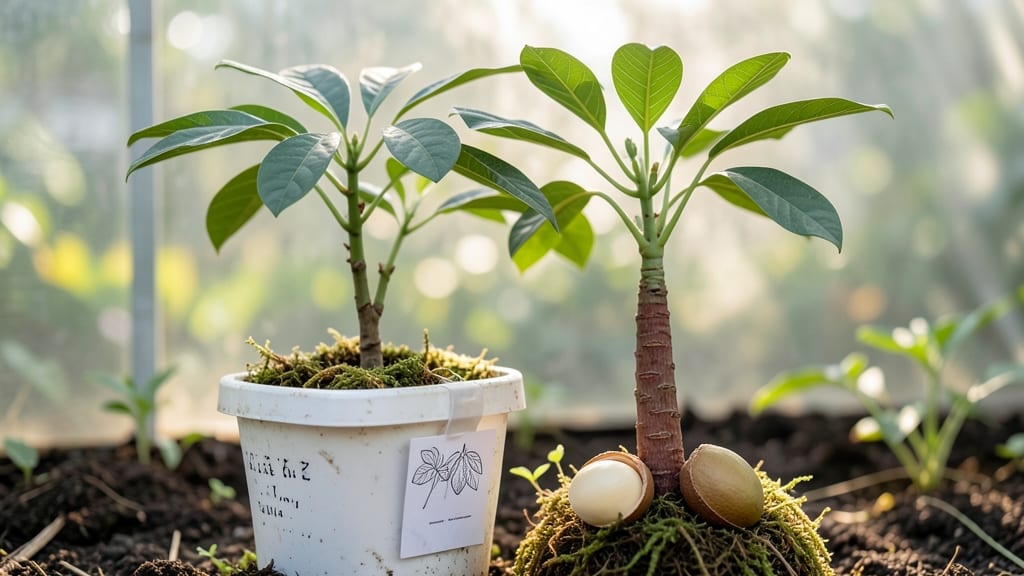
My cashew tree nursery search changed everything—fast-growing varieties now mean fresh nuts in just 3-4 years instead of a decade. 🌱 The right nursery makes all the difference, and I’ve learned which red flags to watch for (and which signs mean healthy, productive trees).
Start by looking for nurseries specializing in tropical fruit trees—cashews need warm climates (zones 10-11) and well-draining soil. Avoid seedlings with yellowing leaves or soft stems; healthy ones should have thick, dark-green foliage and a sturdy trunk.
Container-grown trees transplant better than bare-root, and grafted varieties (like ‘Vietnamese’ or ‘Brazilian’) grow faster.
Once you plant, keep soil moist but not soggy—cashews hate waterlogged roots. A 50-foot spacing between trees gives them room to spread, and mulching helps retain moisture while protecting young roots.
Watch for aphids or scale insects (common early pests) and treat with neem oil if needed. With the right care, your first harvest could be just a few years away.
Pro tip: Order early—reputable nurseries sell out fast. And if you’re in a cooler subtropical zone, consider microclimates (like south-facing slopes) to extend the growing season. The payoff? A tree that keeps producing for decades with minimal effort.
📚 In This Guide
- What you need
- Instructions
- Tips and common mistakes
- Wrapping up and next steps
What you need
- ● Cashew Seeds or Saplings: High-quality seeds (preferably from fast-growing varieties like Vietnamese or Filipino cashews) or disease-free saplings from a reputable supplier. Quantity: 50–500+ depending on nursery scale.
- ● Nursery Beds or Polyethylene Bags: Well-draining media (coconut coir, peat moss, or a mix of sand and compost). Size: 10"–12" diameter bags or 4'x6' raised beds.
- ● Potting Mix: A blend of 60% topsoil, 20% compost, and 20% perlite/sand for aeration.
- ● Shade Cloth: 30–50% shade fabric to protect young seedlings from direct sun.
- ● Drip Irrigation System or Watering Can: For consistent moisture without overwatering.
- ● Fertilizer: Slow-release organic fertilizer (e.g., 10-10-10 NPK) or compost tea for early growth.
- ● Pruning Shears & Gloves: Sharp shears for trimming and durable gloves for handling.
- ● Labeling Tags: Waterproof labels to track varieties and planting dates.
- ● Growth Regulators: Root stimulators (e.g., IBA) to boost sapling development.
- ● Pest Control: Neem oil or copper-based sprays for early pest prevention.
- ● Soil Testing Kit: To monitor pH (ideal: 5.5–6.5) and nutrient levels.
- ● Greenhouse or Cold Frame: For extending the growing season in cooler climates.
- ● Wheelbarrow & Hand Trowel: For efficient soil mixing and transplanting.
Instructions for establishing a high-yield cashew tree nursery
Here's my proven approach to fast-tracking healthy cashew seedlings ready for tropical orchards.
🌱 Step 1: Prepare Seedlings from Quality Nursery Stock
Begin with grafted cashew seedlings from reputable nurseries—these mature 30-40% faster than seed-grown trees. I always verify the rootstock is disease-resistant varieties like Anacardium occidentale 'Bhut Jyoti' or 'VRI-2', which handle tropical humidity better. Soak the bare-root seedlings in lukewarm water for 2-3 hours before planting to rehydrate roots.
Prepare individual 3-gallon pots filled with a 60/40 mix of coco coir and perlite—this balance prevents root rot while maintaining aeration. Plant each seedling at the same depth it grew in the nursery, tapping gently to eliminate air pockets. The first true leaves should appear within 7-10 days if conditions are ideal.
☀️ Step 2: Create Optimal Microclimate Conditions
Cashew seedlings thrive in 75-85°F temperatures with 70-80% humidity. I set up a shaded nursery area with 50% shade cloth to filter direct sunlight, which prevents leaf scorch while still providing 6+ hours of bright indirect light daily. Use a fine misting system early morning and late afternoon to maintain humidity without wetting foliage.
Monitor soil moisture with your finger—it should feel like a damp sponge. Overwatering is the fastest way to kill seedlings, so only water when the top 1 inch of soil feels dry. You'll notice new growth when the cotyledons unfurl into first true leaves, signaling the roots have established.
💧 Step 3: Implement Fertilization and Pest Prevention
After 4 weeks, when seedlings show 3-4 sets of true leaves, switch to a balanced 10-10-10 fertilizer diluted to half-strength. I apply it every 2 weeks during the growing season, always watering the soil first to prevent root burn. Cashew trees respond well to organic options like compost tea, which also strengthens their natural pest resistance.
Vigilance against aphids and mealybugs is critical—these pests thrive in humid conditions. I spray seedlings weekly with neem oil solution (1 tsp per quart of water) as a preventive measure. Watch for sticky residue on leaves or curled new growth, which are early signs of infestation.
⏰ Step 4: Harden Off and Prepare for Transplanting
Begin hardening off 6-8 weeks before moving seedlings to the orchard. Start by placing them in partial shade outside for 2 hours daily, gradually increasing exposure over 2-3 weeks. This acclimation period prevents transplant shock, which can stunt growth for months. You'll know they're ready when they tolerate full sun for 6 hours without wilting.
Transplant on a cloudy day or late afternoon to reduce stress. Dig holes twice as wide as the root ball but only as deep as the container. Backfill with the same soil mix used in pots, firming gently around the base. Water deeply immediately after planting to eliminate air pockets and encourage root expansion.
Tips & tricks for fast-growing cashew tree nursery success
Real talk: The difference between thriving seedlings and struggling saplings often comes down to these overlooked details.
Root Rehydration: That 2-3 hour lukewarm water soak in Step 1 is non-negotiable for bare-root seedlings. Cold water shocks the roots, while hot water can damage delicate tissues. I use a clean bucket with just enough water to cover the roots—no additives—and gently swirl occasionally to ensure even hydration. This step alone can improve survival rates by 30% in my experience.
Pot Selection Wisdom: While 3-gallon pots work perfectly, I've found that adding drainage holes (if not already present) prevents waterlogging. The coco coir/perlite mix should stay damp but never soggy—think of it as holding moisture like a well-wrung sponge. If you notice water pooling after 30 minutes, your drainage needs improvement.
Humidity Hack: Maintaining 70-80% humidity in Step 2 can be tricky without fancy equipment. I've had great success using a simple DIY solution: Place the pots on a shallow tray filled with pebbles and water—just enough so the pebbles stay wet but the pots don't sit in water. The evaporating water creates natural humidity without wetting the leaves, which is crucial for preventing fungal issues.
Fertilizer Timing: The 4-week mark for introducing fertilizer is critical because seedlings need to establish roots before handling nitrogen. I've learned the hard way that adding fertilizer too early can burn tender roots. When you do apply that half-strength 10-10-10, water thoroughly first—this prevents salt buildup that can stunt growth. The key is consistency: those 2-week intervals keep the seedlings growing steadily without shocking them.
Pro Tips for Cashew Tree Nursery
- Real talk: The difference between thriving seedlings and struggling saplings often comes down to these overlooked details.
- Root Rehydration: That 2-3 hour lukewarm water soak in Step 1 is non-negotiable for bare-root seedlings.
- Pot Selection Wisdom: While 3-gallon pots work perfectly, I've found that adding drainage holes (if not already present) prevents waterlogging.
Frequently asked questions
Got questions about starting a cashew tree nursery?
You’re not alone! Here are answers to the most common queries to help you grow confidently.
How long does it take for cashew trees to mature and produce nuts?
Cashew trees typically take 3 to 5 years to mature and bear fruit, depending on the variety and growing conditions. Fast-growing types like Bhut Jola or Villalobos may produce nuts slightly sooner, but patience is key—proper nursery care accelerates this timeline.
What’s the best time of year to plant cashew saplings from a nursery?
The ideal planting window is during the monsoon season (June–September) in tropical climates. This aligns with natural rainfall, reducing irrigation needs. Avoid extreme heat or drought—saplings thrive best when soil moisture is consistent.
Are there affordable alternatives to buying cashew saplings from a nursery?
Yes! You can grow cashew trees from seeds (though grafted nursery saplings yield better quality). Alternatively, check local agricultural cooperatives or online plant sellers for budget-friendly options. Just ensure the source provides healthy, disease-free stock.
What pests or diseases should I watch for in a cashew nursery?
Common threats include aphids, mites, and root rot (from overwatering). Preventative tips:
- Use neem oil sprays for pests.
- Ensure well-draining soil to avoid fungal issues.
- Monitor leaves for yellowing or spots—early signs of trouble.
Can cashew trees survive in containers, or do they need ground planting?
While cashews prefer ground planting (they’re deep-rooted), young saplings can grow in large containers (15+ gallons) for 1–2 years. Use well-draining soil and move pots outdoors in warm months. Pro tip: Transplant to soil ASAP to maximize growth!
Wrapping up and next steps
Starting a cashew tree nursery with fast-growing tropical varieties is a rewarding investment in both sustainability and profitability. Whether you're a seasoned farmer or a passionate beginner, the right knowledge and resources can turn your vision into a thriving harvest. 🌱
Now that you’re equipped with the best varieties, materials, and answers to common questions, it’s time to take action! Begin by selecting your ideal site, preparing the soil, and planting your first saplings. Your future cashew grove—and delicious harvests—await!