
Trees
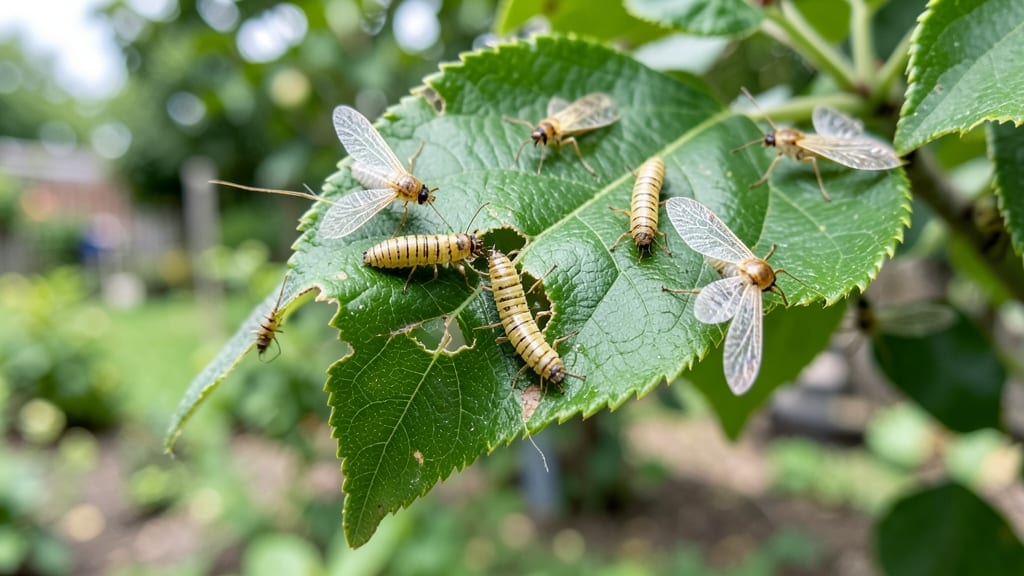
When the bugs eating apple tree leaves start feasting on your apple tree leaves, you're looking at a 24-hour crisis—but the right spray can turn the tide. 🌿 I’ve seen aphids, tent caterpillars, and apple maggots strip trees bare, but these targeted treatments stop the damage before it ruins your harvest.
The key is matching the pest to the spray: neem oil for soft-bodied insects, horticultural oil for eggs, or insecticidal soap for fast-acting results. Most homeowners overlook the first 48 hours—that’s when a single spray can save your tree from defoliation.
By sunset, you’ll see fewer pests clinging to leaves, and within a week, new growth will emerge vibrant and healthy. The best part? These sprays protect your fruit and keep pollinators safe. Works for organic gardens, conventional orchards, or even backyard trees.
Let’s get your apple tree back on track!
Root Causes Of Leaf Loss
Apple tree leaves becoming a buffet for hungry pests isn’t just random bad luck—it’s usually a mix of environmental stress, poor tree health, and the irresistible allure of tender foliage.
Understanding these triggers helps you tackle the problem at its source. Here’s why your apple tree’s leaves are disappearing faster than a picnic on a hot day.
A healthy apple tree has natural defenses—thick cuticles, bitter-tasting compounds, and even chemical signals that repel pests. But when these defenses weaken, insects see an open invitation. Here’s what strips away that protection:
- Nutrient Deficiencies - Lack of nitrogen (N) makes leaves pale and weak, while potassium (K) or magnesium (Mg) shortages reduce the tree’s ability to produce defensive chemicals like tannins and phenolics.
Pests like aphids and mites detect these deficiencies and target stressed trees first. - Iron (Fe) or zinc (Zn) deficiencies stunt leaf growth, making them easier for caterpillars and sawflies to chew through.
- Water Stress - Drought or overwatering disrupts the tree’s ability to produce phytoalexins—natural antimicrobial and anti-insect compounds.
Even slight dehydration makes leaves crispy and vulnerable to leafrollers or tent caterpillars. - Overwatered roots can also lead to fungal infections (like Venturia inaequalis, the apple scab pathogen), which further weaken the tree and attract secondary pests.
- Physical Damage
- Hail, strong winds, or even improper pruning can tear leaves, exposing tender tissue. Insects like Orgyia leucostigma (white-marked tussock moth caterpillars) are drawn to damaged areas where they can feed undisturbed.
Some bugs are always around, but their numbers skyrocket under specific conditions. These triggers turn a minor annoyance into a full-blown leaf-eating frenzy:
- Warm, Humid Weather - Many apple tree pests thrive in 60–85°F (15–30°C) temperatures with high humidity.
For example: - Malacosoma americanum (tent caterpillars) lay eggs in spring that hatch when nights stay above 50°F (10°C). - Spodoptera exigua (beet armyworms) multiply rapidly in moist conditions, devouring leaves in days.
- Lack Of Natural Predators
- Birds, parasitic wasps, and ladybugs keep pest populations in check. But if your tree is isolated or you’ve used broad-spectrum pesticides (which kill beneficial insects too), pests like Cydia pomonella (codling moth larvae) can explode unchecked.
- Monoculture Plantings
- If your apple tree is surrounded by other fruit trees (especially apples or pears), pests have a buffet effect. For instance, Lyonetia clerkella (apple leafminer) spreads faster in dense orchards because adults don’t have to travel far to find new hosts.
Pests don’t attack randomly—they follow precise life cycles tied to your apple tree’s growth stages. Missing these windows means missing the chance to intercept them early.
| Pest | Peak Activity Period | Why It Attacks Now |
|---|---|---|
| Aphids | Spring (new leaves emerge) | Sap flows freely in young leaves, providing an easy meal. |
| Codling Moth | Late spring to summer | Larvae hatch when fruit is soft; they burrow into apples but often start on leaves. |
| Tent Caterpillars | Early summer (June) | Eggs overwinter in bark crevices and hatch when leaves are most tender. |
| Japanese Beetles | Mid-summer (July–August) | Adults emerge to feed on mature leaves, skeletonizing them in days. |
| Apple Leaf Curling Midges | Spring (April–May) | Larvae feed on new growth; adults lay eggs in curled leaves for the next generation. |
Sometimes, well-meaning gardening practices create the perfect pest paradise. Here’s how you might be accidentally rolling out the welcome mat:
- Over-Fertilizing With Nitrogen
- Too much nitrogen = soft, fast-growing leaves that are delicious to pests like loopers and sawflies. It also attracts Ants, which farm aphids for their honeydew.
- Ignoring Pruning Hygiene
- Leaving dead wood or dense canopies traps moisture and debris, creating hiding spots for San José scale or psylla eggs. Proper pruning (thinning branches to improve airflow) disrupts their life cycles.
- Planting Near Weeds Or Wild Hosts
- Many apple pests (like obliquebanded leafroller) lay eggs on nearby weeds or crabapples. If your tree is surrounded by dandelions, clover, or wild roses, pests have a staging ground before moving to your orchard.
Where you live plays a huge role in which pests show up and when.
For example: - Southern States (e.g., Florida, Texas): Humidity fuels scaly bark infestations and citrus leafminers (which also attack apples). - Pacific Northwest: Oyster shell scale thrives in cooler, wetter climates. - Northeast/Midwest: Apple maggot flies and woolly apple aphids are more aggressive due to frequent rain and temperature swings.
Pro Tip: 💡 Check your local
Quick Fixes for Leaf Munchers
When pests start feasting on your apple tree’s leaves, acting fast can save your harvest—and your tree’s health. Below are targeted solutions for common culprits, from organic sprays to cultural fixes. Each method is designed to be effective within 24–48 hours (or prevent future attacks) with minimal hassle.
Signs: Curled leaves, sticky residue (honeydew), tiny clusters on undersides.
🔥 Immediate Fix: Blast Them Off
- Step 1: Grab a strong hose nozzle (or a gentle sprayer) and blast aphids off leaves with water pressure (early morning works best).
- Step 2: Follow up with neem oil spray (1 tsp neem oil + 1 tsp mild soap + 1 quart water).
This disrupts their life cycle and deters new infestations. - Step 3: Introduce ladybugs (buy online or attract with dill/oregano plants nearby).
🌱 Prevention Tips
- 💡 Prune heavily infested branches and dispose of them in sealed bags (not compost).
- 🌡️ Install yellow sticky traps to monitor and catch early signs.
- ✨ Plant garlic or chives at the tree’s base—aphids hate the scent.
Signs: Silky webs, stripped leaves, frass (poop) on branches.
🍳 Organic Spray: BT (Bacillus Thuringiensis)
- Step 1: Mix 1 tbsp BT powder (sold at garden centers) with 1 gallon water in a sprayer.
- Step 2: Spray directly on webs and caterpillars at dusk (avoids harming bees).
- Step 3: Repeat every 3–5 days until webs disappear.
BT is safe for humans/pets but fatal to caterpillars.
👨🍳 Manual Removal (For Small Infestations)
- Step 1: Wear gloves and prune out nests with shears (drop into soapy water to kill).
- Step 2: Shake branches over a bucket of soapy water to drown larvae.
🎯 Long-Term Defense
- 🔥 Wrap tree trunks with tree banding tape (sticky barrier to trap crawling larvae).
- 🌿 Encourage birds (like chickadees) with nearby feeders—they love munching caterpillars.
Signs: Jagged leaf edges, skeletonized leaves, shiny green beetles.
🥘 Fast-Acting Spray: Kaolin Clay
- Step 1: Mix 2 tbsp kaolin clay (or diatomaceous earth) with 1 gallon water.
- Step 2: Spray leaves thoroughly—the clay coats beetles, blocking their ability to feed.
- Step 3: Reapply after rain or every 7–10 days.
🔪 Trap & Distract
- Step 1: Set up a Japanese beetle trap (but place it far from your tree—they’ll swarm it instead!).
- Step 2: Handpick beetles into soapy water (early morning when they’re sluggish).
🌿 Plant Sacrifices
- 💡 Grow trap plants like roses or grapes—beetles prefer these over apple trees.
Signs: Tiny holes in fruit, sawdust-like frass, wilting branches.
⏰ Proactive Barrier Spray: Horticultural Oil
- Step 1: Apply horticultural oil spray (like JMS Stylet Oil) before buds swell in spring.
- Step 2: Reapply every 2 weeks until fruit sets to smother eggs/larvae.
🔪 Physical Barriers
- Step 1: Wrap trunk with aluminum foil or tree guard to block adult flies from laying eggs.
- Step 2: Cover young fruit with fine mesh bags if maggots are a recurring issue.
🌡️ Soil Health Boost
- 💡 Improve drainage—maggots thrive in soggy soil. Add compost to keep roots strong.
Before pests strike, fortify your tree with these low-effort habits:
- 🍎 Mulch properly (3–4 inches of wood chips, keep 6 inches from trunk).
- 💧 Water deeply 2x/week (stressed trees attract pests).
- 🌱 Rotate sprays (don’t rely on one method—pests adapt!).
- 🔍 Inspect weekly (catch problems before they spread).
✨ Pro Tip: For 24-hour results, combine water blasting (aphids) + neem oil (soft pests) + kaolin clay (beetles) in the same sprayer—one-and-done coverage!
Frequently asked questions
What's the fastest way to stop bugs from eating my apple tree leaves?
For immediate results, combine a hose blast (to remove pests like aphids) with a neem oil spray (1 tsp neem + 1 tsp mild soap + 1 quart water). Apply at dusk to avoid harming bees. This disrupts their feeding cycle within 24 hours—just reapply after rain.
Are there any bugs that actually help my apple tree fight leaf-eating pests?
Ladybugs, parasitic wasps, and birds like chickadees are natural pest controllers. Plant dill or oregano near your tree to attract ladybugs, or install a bird feeder to encourage feathered allies. These beneficial insects can reduce pest populations by 50%+ without chemicals.
Can I use chemical sprays safely around fruit-bearing apple trees?
Most chemical sprays (like carbaryl or malathion) are not recommended near fruit trees, as they can leave residues. Instead, use horticultural oil (safe when applied before buds swell) or kaolin clay, which creates a protective barrier without harming fruit. Always check the harvest interval on organic sprays too.
Why do some bugs only eat apple tree leaves while others attack fruit too?
Leaf-eaters like tent caterpillars and Japanese beetles target leaves because they’re softer and packed with nutrients. Fruit pests like codling moths or apple maggots go for fruit when leaves are already damaged. A healthy tree with full foliage naturally deters fruit attacks by confusing pests.
How often should I inspect my apple tree for leaf-eating bugs?
Check your tree every 5–7 days during peak seasons (spring to early summer). Focus on leaf undersides, new growth, and buds—these are prime hiding spots. Early detection lets you act before pests strip leaves or damage fruit. Use a hand lens for tiny pests like mites.