
Pests
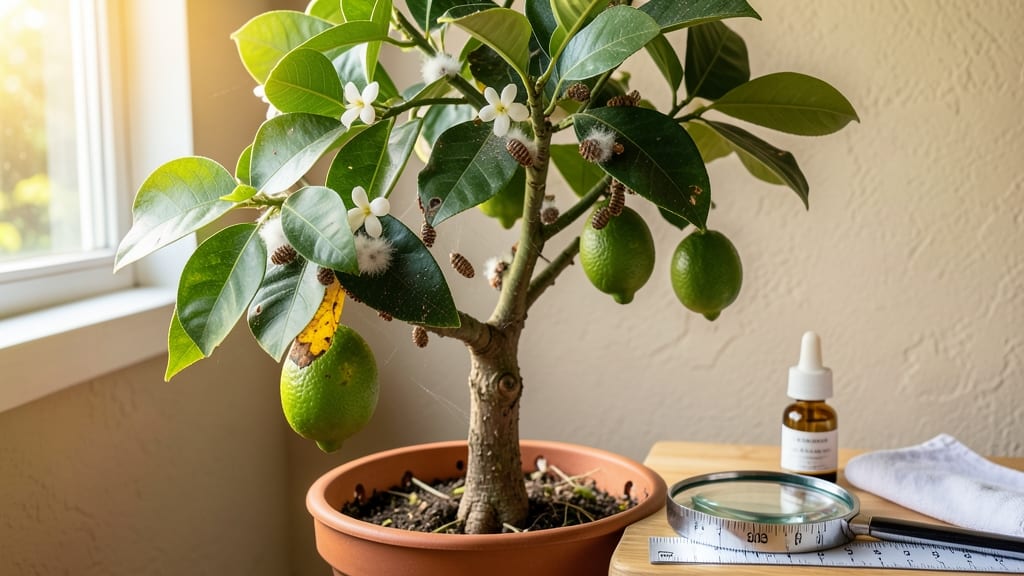
Your indoor citrus tree’s sticky leaves and tiny webs aren’t a death sentence—just a pest battle. 🌿 I’ve saved three lemon trees from spider mites and scale by using simple, plant-safe remedies that actually work. The key is acting fast before the infestation takes over.
Most pests—like spider mites or mealybugs—thrive in dry, dusty conditions. That’s why I start with a weekly misting routine and wipe leaves with damp cloths to remove eggs and debris.
Neem oil spray (1 teaspoon per quart of water) stops new pests in their tracks, but you’ll need to apply it every 5-7 days for stubborn infestations.
By the time you’re done, your tree will look vibrant and pest-free, with new growth pushing out within weeks. The best part? These methods keep your home chemical-free while saving your tree’s life. Regular inspections are your secret weapon—check undersides of leaves and stems every time you water.
Works for all indoor citrus—lemons, limes, oranges, even dwarf varieties. The same principles apply whether your tree is in a sunny window or under grow lights. Let’s get your citrus thriving again!
Hidden Triggers Inviting Pests Inside
Indoor citrus trees may seem like low-maintenance pets, but they’re actually magnets for pests—especially when conditions align just right. Understanding why these tiny invaders show up is the first step to stopping them before they wreak havoc. Let’s break down the science-backed reasons your citrus tree becomes a pest buffet.
Citrus trees thrive in warmth and moderate humidity, but indoor environments often swing to extremes—either too dry or too hot. Pests like spider mites and scale insects love these conditions because:
- Low humidity (<30%): Dries out leaves, weakening the tree’s defenses. Spider mites thrive in arid air, spinning webs to trap moisture.
- High heat (>85°F): Speeds up pest reproduction. Mealybugs, for example, multiply faster in warm, stagnant air.
- Poor airflow: Stagnant air traps pests and prevents natural predators (like ladybugs) from reaching your tree.
Pro Tip: 🌡️ Use a hygrometer to monitor humidity—aim for 40-60%. A pebble tray under the pot or a humidifier nearby can help. If your home is too dry, pests will move in faster than you can say "lemon drop."
Citrus trees hate soggy roots, yet many plant parents drown them—either by overwatering or using pots without drainage. This creates the perfect breeding ground for:
- Root rot fungi: While not a pest, it weakens the tree, making it vulnerable to citrus root weevils and fungus gnats.
- Fungus gnats: These tiny, mosquito-like pests lay eggs in moist soil. Their larvae feast on roots, starving your tree.
- Scale insects: They cluster on stressed plants, including those with waterlogged roots.
Actionable Fix: ⏰ Let the top 1-2 inches of soil dry between waterings. Use pots with drainage holes and a well-draining mix (like cactus soil + perlite). If you spot fungus gnats, let the soil dry out completely for a week.
A healthy citrus tree repels pests naturally, but stress opens the door. Common stressors include:
- Nutrient deficiencies: Lack of nitrogen, phosphorus, or magnesium makes leaves less resilient. Pests like aphids target weak, yellowing foliage.
- Pesticide overuse: Harsh chemicals kill beneficial insects (like lacewings) that eat pests, leading to secondary infestations.
- Sudden environmental changes: Moving your tree from a bright window to a dark corner shocks it, attracting whiteflies that thrive on stressed plants.
Boost Immunity: 💪 Feed your tree with balanced citrus fertilizer (10-10-10 or 8-3-9) every 4-6 weeks. Avoid synthetic pesticides—opt for neem oil or insecticidal soap sprays instead.
Bringing home a new citrus cutting, soil, or even a decorative plant? You might’ve smuggled in stowaways. Pests like:
- Mealybugs: Often hidden in the crevices of pots or under leaves of new plants.
- Thrips: Tiny but destructive; they ride on plant tags or packaging.
- Citrus psyllids: These jumpers spread bacterial diseases and hitch rides on infested nursery stock.
Quarantine New Additions: 🛡️ Isolate new plants for 2-4 weeks before introducing them to your citrus family. Inspect every leaf, stem, and pot under bright light. Wipe down pots with a 70% alcohol solution to kill hidden eggs.
Most pest problems start with one of these triggers—often a mix of them. Once you spot the pattern, you can starve out pests before they become a full-blown crisis. Next up: How to Kick Them Out Without Chemicals.
Fixing Your Citrus Tree’s Pest Problems
Now that you know the signs and causes of indoor citrus tree pests, let’s tackle them head-on with practical, natural solutions. Whether you’re dealing with aphids, mealybugs, spider mites, or scale insects, these fixes will help you restore your tree’s health without harsh chemicals.
---
Aphids cluster on new growth, leaving sticky residue (honeydew) and stunted leaves. Here’s how to evict them:
🍳 Step 1: Blast Them Off Use a strong stream of water from a hose or spray bottle to dislodge aphids from leaves and stems. Repeat every 2–3 days until they’re gone.
👨🍳 Step 2: Apply Insecticidal Soap Mix 1.5 tbsp mild castile soap + 1 quart water in a spray bottle. Test on a small leaf first, then spray all surfaces (top and bottom). Reapply every 5–7 days.
🔪 Step 3: Introduce Beneficial Insects (Optional) Ladybugs and lacewings love aphids. Purchase them online or from garden centers and release them near infested areas.
💡 Prevention Tip: 🌿 Encourage airflow by pruning crowded branches. 🌿 Wipe leaves with a damp cloth weekly to deter egg-laying.
---
These microscopic pests thrive in dry conditions, causing yellowing leaves and fine webbing. Act fast:
🌡️ Step 1: Increase Humidity Spider mites hate moisture. Place a humidifier nearby or mist leaves daily. Aim for 50–70% humidity.
🎯 Step 2: Spray Neem Oil Solution Mix 1 tsp neem oil + 1 tsp mild soap + 1 quart water. Spray thoroughly (including undersides) every 5–7 days for 2–3 weeks.
✨ Step 3: Use a Predatory Mite Release Phytoseiulus persimilis mites eat spider mites. Order them online and release them onto infested foliage.
💡 Prevention Tip: 💧 Water deeply 2–3 times weekly to discourage dry conditions. 🌿 Prune yellowing leaves immediately to stop spread.
---
Mealybugs hide in crevices and leaf axils, leaving white, fluffy residue. Here’s how to remove them:
🔪 Step 1: Scrape Them Off Dip a cotton swab in rubbing alcohol (70% or higher) and dab each mealybug cluster. They’ll dissolve on contact!
🍳 Step 2: Apply Horticultural Oil Mix 1 tbsp horticultural oil + 1 quart water. Spray evenly and repeat every 7–10 days until gone.
🌿 Step 3: Use a Sticky Trap Place yellow sticky traps near the tree to catch emerging adults.
💡 Prevention Tip: 🍋 Isolate new plants for 2 weeks before introducing them to your citrus tree. 🌿 Clean up fallen leaves regularly to remove hiding spots.
---
Scale insects attach to stems/leaves, sucking sap and secreting honeydew. They’re tough but beatable:
🌡️ Step 1: Soak Infested Areas Dip a soft cloth in warm, soapy water and gently scrub off scale clusters. Focus on stems and leaf undersides.
🎯 Step 2: Use a Knife or Toothpick For stubborn scales, gently scrape them off with a sterilized tool. Dispose of debris in soapy water.
✨ Step 3: Apply a Systemic Treatment For severe cases, use neem oil or insecticidal soap as above, but repeat weekly for 3–4 weeks.
💡 Prevention Tip: 🍋 Inspect new plants thoroughly before bringing them indoors. 🌿 Avoid over-fertilizing—scale thrives on stressed, nutrient-rich trees.
---
Once pests are gone, keep them away with these habits: ✅ Quarantine new plants for 2 weeks. ✅ Wipe leaves monthly with a damp cloth. ✅ Prune regularly to improve airflow. ✅ Rotate natural remedies (neem oil, insecticidal soap) seasonally.
--- 🔥 Pro Tip: If pests persist, repot your tree in fresh, sterile soil to eliminate hidden larvae.
With these methods, your indoor citrus tree will bounce back stronger—and stay pest-free for years! 🍊🌿
Frequently asked questions
What are the first signs my indoor citrus tree has pests?
Watch for sticky residue (honeydew) on leaves, tiny white cottony clusters (mealybugs), or fine webbing (spider mites). Yellowing leaves, curled edges, or small black dots (frass) also signal trouble. Check undersides of leaves and stems first—pests love hiding there.
Can I use store-bought pesticides safely on my citrus tree?
Most chemical pesticides are too harsh for indoor citrus. They can damage leaves or leave toxic residues. Instead, opt for neem oil, insecticidal soap, or horticultural oil. Always test sprays on a small leaf first to avoid burning the foliage.
How often should I inspect my citrus tree for pests?
Check your tree every 2 weeks during active growth (spring-fall) and monthly in winter. Use a magnifying glass to spot tiny pests early. Focus on new growth, leaf undersides, and crevices where eggs hide. Early detection makes treatments much easier!
Will my citrus tree recover if I remove all the pests?
Yes, but recovery depends on how long the infestation lasted. Prune heavily damaged leaves and stems immediately. Keep humidity up and fertilize lightly to help the tree rebound. With consistent care, new growth will push out within 4-6 weeks, showing the pests are gone.
Can I save my citrus tree if it's already heavily infested?
but act fast! Isolate the tree immediately and repot in fresh, sterile soil to kill hidden larvae. Apply neem oil weekly for 3-4 weeks while monitoring closely. Severe cases may require multiple treatments, but most trees recover fully with persistence.