
Pruning
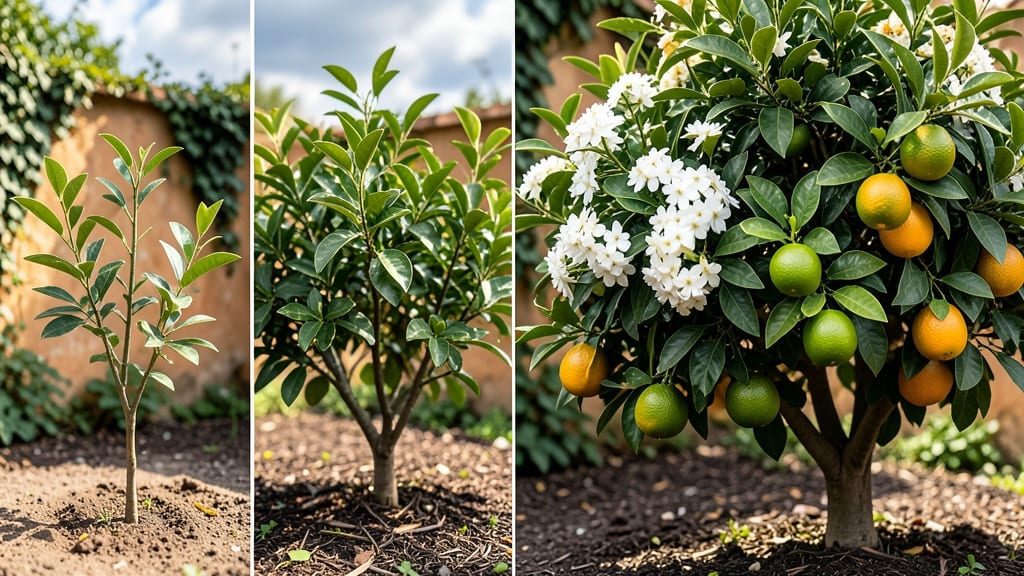
Understanding the orange tree growth stages is the key to transforming a tiny seedling into a fruit-bearing powerhouse 🍊—and knowing what to expect at each step saves you from costly mistakes.
Watching an orange tree grow from a tiny seedling to a fruit-bearing giant is one of nature’s most satisfying cycles—but knowing exactly what to expect at each stage can make the difference between thriving success and frustrating delays.
From the first sprout to the first ripe fruit, each phase demands a different approach: seedlings need gentle care, flowering trees crave nutrients, and fruiting branches require strategic pruning. Here’s how to navigate every milestone—plus the timelines, care tips, and common pitfalls that trip up even experienced growers.
Whether you’re nurturing a dwarf variety in a pot or a standard tree in your backyard, this guide breaks down the critical stages—seed germination, sapling growth, flowering, fruiting, and dormancy—so you can set your tree up for a lifetime of harvests.


Orange tree growth stages explained: seedling to first fruit
Growing an orange tree from a tiny seedling to a fruit-bearing beauty requires patience and understanding of its unique growth stages. Each phase demands specific care to ensure your tree thrives.
Whether you're starting with a seed or a young sapling, knowing what to expect at every step will set you up for success. I’ve grown orange trees in USDA Zone 9b and learned the hard way that skipping a stage’s needs can stall progress—or worse, kill your tree.
The journey from seedling to first fruit spans 3 to 5 years, depending on the variety and growing conditions. For example, Valencia oranges typically bear fruit faster than Navel oranges, which can take up to 7 years.
Understanding these stages helps you adjust watering, sunlight, and fertilization to match your tree’s needs at every turn. Let’s break down each phase so you can nurture your orange tree like a pro.
The seedling stage is all about establishing roots and leaves. If you’re growing from seed, expect germination in 2–4 weeks with consistent moisture and warmth. Seedlings need 6+ hours of sunlight daily and soil that stays moist but never soggy.
Overwatering here can cause root rot, so I always check the top inch of soil before watering again. During this phase, focus on protecting your young tree from pests like aphids and ensuring it gets enough nutrients through a balanced citrus fertilizer every 4–6 weeks.
By the time your tree reaches the juvenile stage (1–3 years), it’s growing fast—sometimes up to 3 feet per year! This is when you’ll see the tree develop a woody stem and thicker branches.
Prune lightly to encourage a strong structure, but avoid heavy cuts that can stress the tree. Full sun (8+ hours) becomes critical now, and you’ll need to water deeply every 3–5 days during hot months.
In my Zone 9b garden, I’ve seen juvenile trees thrive with a mix of organic compost and slow-release fertilizer to support their rapid growth.
The flowering stage (3–5 years) is a major milestone—your tree is finally ready to bloom! White or pink flowers will appear, and if pollinated, they’ll develop into tiny oranges.
This stage demands consistent care: reduce watering slightly to avoid fungal issues, and increase fertilization with a high-phosphorus blend to support flower and fruit development. In my experience, trees in cooler climates (Zone 8) may need protection from late frosts, which can damage flowers.
Hand-pollination with a soft brush can also help if natural pollinators are scarce.
Finally, the fruiting stage (4–7 years) is when you’ll finally taste the reward of your patience! Your first oranges will start as small green fruits and gradually turn orange or yellow. Harvest them when they’re fully colored, slightly soft to touch, and release easily from the tree.
During this phase, maintain deep watering every 7–10 days and avoid heavy pruning, which can reduce fruit production. I’ve found that mature trees benefit from a citrus-specific fertilizer in early spring to boost fruit quality.
Pests like citrus leaf miners can be a problem, so keep an eye out for signs of infestation.
Each stage of your orange tree’s growth is a chance to refine your care routine. By understanding the timelines, sunlight, water, and temperature needs at every phase, you’ll give your tree the best chance to flourish.
Whether you’re growing in a container or in the ground, these guidelines will help you avoid common pitfalls and enjoy a bountiful harvest. Now that you know what to expect, it’s time to roll up your sleeves and nurture your orange tree through every exciting stage! 🍊
How long does it take for an orange tree to bear fruit?
If you’ve dreamed of plucking fresh oranges from your own tree, you’re probably wondering: how long until those sweet fruits appear? The answer depends on the orange tree variety, growing conditions, and your care routine.
While some varieties produce fruit in as little as 3–4 years, others may take 8–10 years—or never bear fruit if key factors are overlooked. Let’s break down the realistic timelines and what you can do to speed up the process.
Climate plays a huge role in fruiting timelines. In USDA Zones 9–11, where frost is rare, orange trees thrive year-round and may fruit sooner. However, in colder zones (like Zone 8 with protection), trees enter dormancy, slowing growth and delaying fruit production.
Even in ideal climates, poor soil quality, inadequate sunlight, or improper pruning can push back fruiting by years. Let’s explore how to avoid these pitfalls.
⚠️ Visual Comparison: Orange Tree Varieties & Fruiting Timelines
The Valencia orange is the speediest, often bearing fruit in just 3–5 years with proper care. This variety thrives in warm climates and responds well to regular pruning and balanced fertilization. If you’re impatient, Valencia is your best bet—but don’t expect perfection.
Early fruits may be small or misshapen, but they’ll improve with age. Meanwhile, Navel oranges take longer (5–8 years) because they require a winter chill period to trigger flowering.
One of the biggest mistakes gardeners make is over-pruning young trees. While pruning shapes the tree and improves airflow, cutting too aggressively can delay fruiting by years. Focus on removing only dead or crossing branches in the first 2–3 years.
Another common error is using the wrong fertilizer. Citrus trees need low-nitrogen, high-potassium fertilizer once they’re past the juvenile stage (around 3–4 years old). Too much nitrogen encourages leafy growth at the expense of fruit.
To accelerate fruiting, prioritize well-draining soil (citrus hates soggy roots) and full sun exposure (at least 6–8 hours daily). In container-grown trees, use a citrus-specific potting mix and repot every 2–3 years to prevent root-bound stress.
If you’re in a colder zone, choose dwarf varieties or protect young trees with burlap wraps during winter. With the right conditions, even a 10-year-old tree can reward you with hundreds of oranges per season!
Patience is key—especially if your tree hasn’t fruited yet. Some trees simply need time to mature, while others may be struggling with hidden pests (like citrus leaf miners) or nutrient deficiencies.
If your tree is 5+ years old and still not flowering, inspect for yellowing leaves (a sign of iron deficiency) or sticky residue on branches (possible aphid infestation). Addressing these issues early can make all the difference in your tree’s fruiting future.